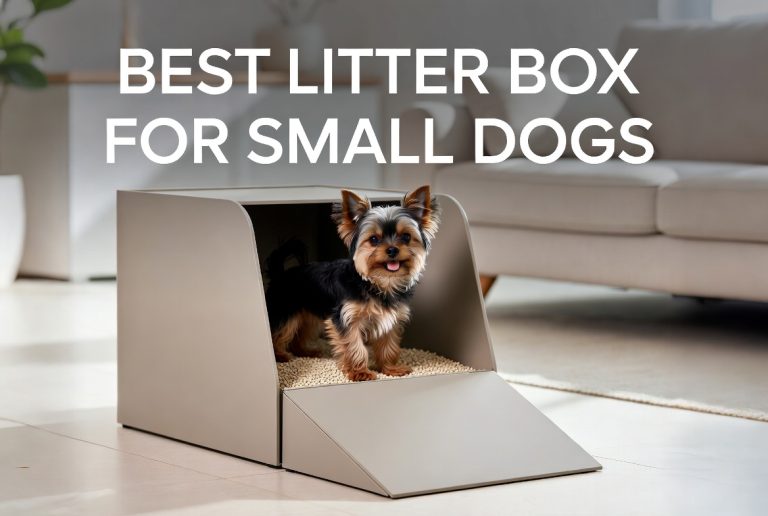

Covered vs Uncovered Litter Box
Bringing a cat home means thinking about their comfort and needs. One big decision is the type of litter box you will get. You might wonder if a covered box or an open box is better for your furry friend. Both types have good points and bad points.
This guide will help you look at both options. We will talk about what cats might like and what helps you keep your home clean. The goal is to find the best cat potty setup for your pet and your living space. Let’s explore the differences and what each choice means for your cat’s daily life.
The Great Debate: Covered vs. Open Litter Box
Every cat owner faces a common question: should the litter box be covered or left open? This choice impacts your cat’s comfort and your home’s cleanliness. It can feel like a big decision for your pet’s bathroom spot.
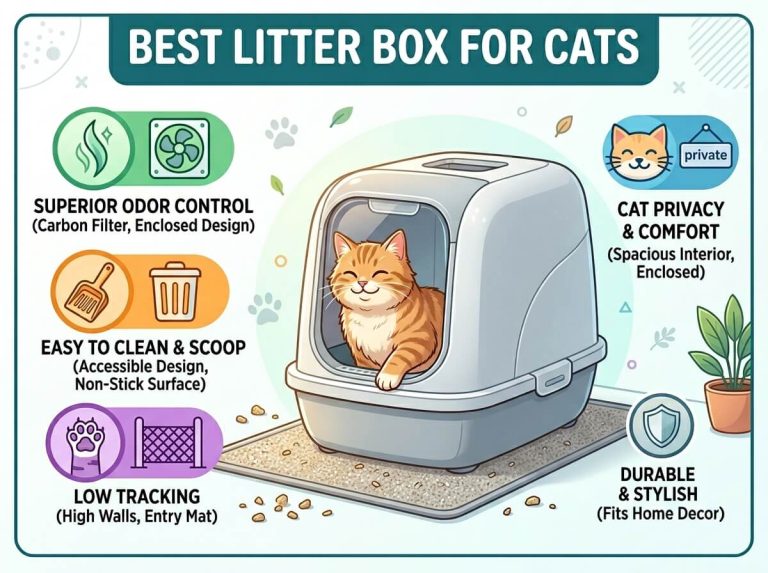
A covered litter box has a lid or hood. It often looks like a small house or a simple box with a top. These boxes aim to give your cat a private space. They also try to keep smells and stray litter inside.
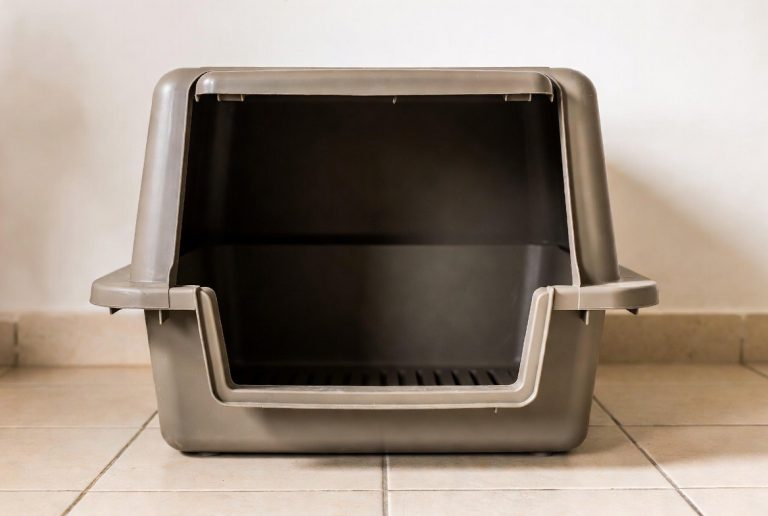
An open litter box is just a simple tray. It has no lid or walls on top. Cats can easily step in and out of this type of litter pan. It offers a clear view around the cat when they are using it.
Benefits of Covered Boxes: Privacy and Odor Control
Covered litter boxes offer cats a sense of privacy. Some cats feel safer and more relaxed when they can do their business in a hidden spot. The enclosed space can make them feel secure, like a little den. This can be important for shy or nervous cats.
These boxes are also great for managing smells. The lid helps to trap bad odors inside the litter box. This means fewer unpleasant smells spread around your home. It keeps the air fresher for everyone.
Another good point is that covered boxes help contain litter mess. When your cat digs and scratches, the litter stays inside the box. This prevents litter particles from scattering onto your floor. Your home stays tidier with less stray cat litter.
Potential Drawbacks of Enclosures: Feline Comfort
While privacy sounds good, some cats feel trapped in a covered litter box. The small space can make them feel cramped or unable to escape quickly. This can be stressful for a cat, especially if they feel vulnerable.
The air quality inside a covered box can also be poor. Litter dust and odors can build up quickly in the enclosed space. This means your cat breathes in more dust and strong smells every time they use it. Fresh air is important for your cat’s health.
Some cats simply do not like tight spaces. They might refuse to use a covered litter box at all. If your cat avoids their potty spot, it could be because they dislike the feeling of being enclosed. Their comfort is key for good feline hygiene.
Why Many Cats Prefer an Uncovered Litter Box
Many cats feel safer and more comfortable in an open litter box. They can see all around them, which helps them feel less vulnerable. This clear view allows them to spot anyone approaching, making them feel secure while doing their business.
An open design also means easy entry and exit for your cat. They can quickly jump in and out without bumping into a lid. This is especially good for older cats or cats with joint problems who might find climbing into an enclosed space difficult.
Open litter boxes offer better air circulation. This means less dust and fewer strong smells build up inside the box itself. Cats get fresh air, which is healthier for their respiratory system. It makes their potty experience more pleasant.
Uncovered Box Disadvantages: Mess and Lingering Smells
One main downside of an open litter box is the mess it can create. Cats often kick litter out of the box when they dig. This means you will find litter granules scattered around the area. It takes more effort to keep the floor clean.
Another issue is that cat waste is clearly visible in an open pan. There is no lid to hide the contents. If you have guests, they will easily see your cat’s potty area. This might not be ideal for some home setups.
Open boxes also let smells spread more easily. There is nothing to trap the odors inside the box. Bad smells can quickly fill the room if you do not scoop frequently. Good odor control is harder to maintain with an open pet toilet.
Health Implications for Your Cat: Air Quality Matters
The air inside a covered litter box can become very dusty. When your cat digs, fine litter dust gets stirred up. This dust then stays trapped inside the enclosure. Breathing in too much dust can be bad for your cat’s lungs.
This dusty air can lead to respiratory problems for some cats. They might develop coughs or sneezes from constant exposure. Cats with asthma or other breathing issues are especially at risk. Their lung health depends on clean air.
An open litter box generally has better air flow. This helps to clear out dust and strong ammonia smells quickly. Fresh air is much healthier for your cat’s breathing. It creates a better environment for their overall well-being.
Owner Convenience: Cleaning Different Litter Box Types
Cleaning a covered litter box can sometimes be a bit trickier. You often need to remove the top part to scoop out waste. This adds an extra step to the daily cleaning routine. Some covers are heavy or hard to unlatch.
Scooping an open litter box is usually very straightforward. You just grab your scoop and remove the waste. There are no extra parts to take off or put back on. This makes daily litter box maintenance quicker and simpler.
However, deep cleaning is important for both types. Covered boxes might need more scrubbing inside the lid and walls. Open boxes might mean more sweeping of stray litter around the outside. Both require regular full litter changes and washing.
Learning Your Cat’s Litter Box Likes
The best way to know what your cat prefers is to watch them. Do they seem hesitant to go into a covered box? Do they use an open box quickly and confidently? Their body language will tell you a lot about their comfort.
You can also try offering both types of boxes at first. Place a covered box and an open box side by side. See which one your cat uses more often. This direct test helps you discover their true preference for their potty spot.
Remember, every cat is different. Some cats are very picky about their toilet. What one cat loves, another might hate. Be patient and willing to try different setups to find the perfect feline hygiene solution for your pet.
Making the Right Choice for Your Home and Feline
When making a decision, always put your cat’s happiness first. A cat that feels safe and comfortable using their litter box is a healthy cat. Their preference for a covered or open design is very important for their well-being.
Also, think about your living space. Do you have a small home where smells could be an issue? Or do you have plenty of room for an open litter box? Consider where the litter box will sit and how it fits into your daily life.
There is no single “best” type of litter box for all cats and all homes. The ideal choice balances your cat’s needs with your own. Consider all the points, then make a decision that works for everyone in your household.
Tips for Optimizing Either Litter Box Environment
No matter which type you pick, scoop the litter box often. Daily scooping, or even twice a day, keeps smells down and the box clean. This helps your cat feel good about using their potty spot. A clean box is a happy cat.
Make sure the litter box area has good air flow. If you have a covered box, place it in a well-ventilated room. For any type of box, good air movement helps to clear out dust and odors. Fresh air is key for feline hygiene.
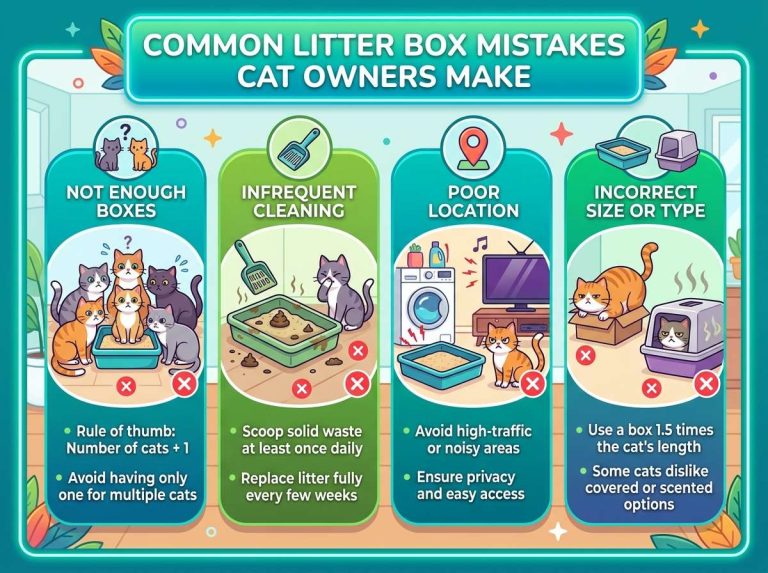
Have enough litter boxes, especially in multi-cat homes. A good rule is one litter box per cat, plus one extra. This reduces stress and gives each cat enough options. More litter boxes means happier cats and fewer accidents.
Final Thoughts
Deciding between a covered and an open litter box is a common task for cat owners. Both options have unique benefits and drawbacks. Covered boxes offer privacy and odor control, but can feel cramped or dusty for some cats. Open boxes provide space and fresh air, but might lead to more mess and visible waste.
The most important thing is your cat’s comfort and health. Pay close attention to your pet’s behavior and preferences. What works best for one feline might not work for another. By considering all these points, you can create the best possible potty environment for your beloved cat.
Hi, I’m Mary, the founder of PetGadgetPro.com. I’m a passionate pet lover with a special place in my heart for dogs and cats. I share practical advice and honest insights on pet gear to help pet parents make better choices. My dedicated research team studies products in depth, and our writers create reviews using trusted, authentic sources—so you can feel confident choosing the best for your pets.