Best Litter Box Setup for Kittens
Bringing a new kitten home is a joyful time! These tiny furballs bring so much fun and love into our lives. A big part of their early training is teaching them good potty habits. Setting up the perfect litter box from the start makes a huge difference.
Setting Up Success: Your Kitten’s First Litter Box
Welcome your new kitten! A good litter box arrangement is key for a happy home. It helps your little furball learn where to go potty right away. This early training makes life easier for everyone involved.
Think of the litter box as your kitten’s private bathroom. We want to make this spot super inviting and easy for them to use. A positive first experience stops any bad habits before they even start.
Getting this right means less stress for you and your tiny cat. It builds good toilet habits from day one. Let’s explore how to create the best potty area for your sweet new pet.
Prime Location: Where to Place the Kitten’s Potty
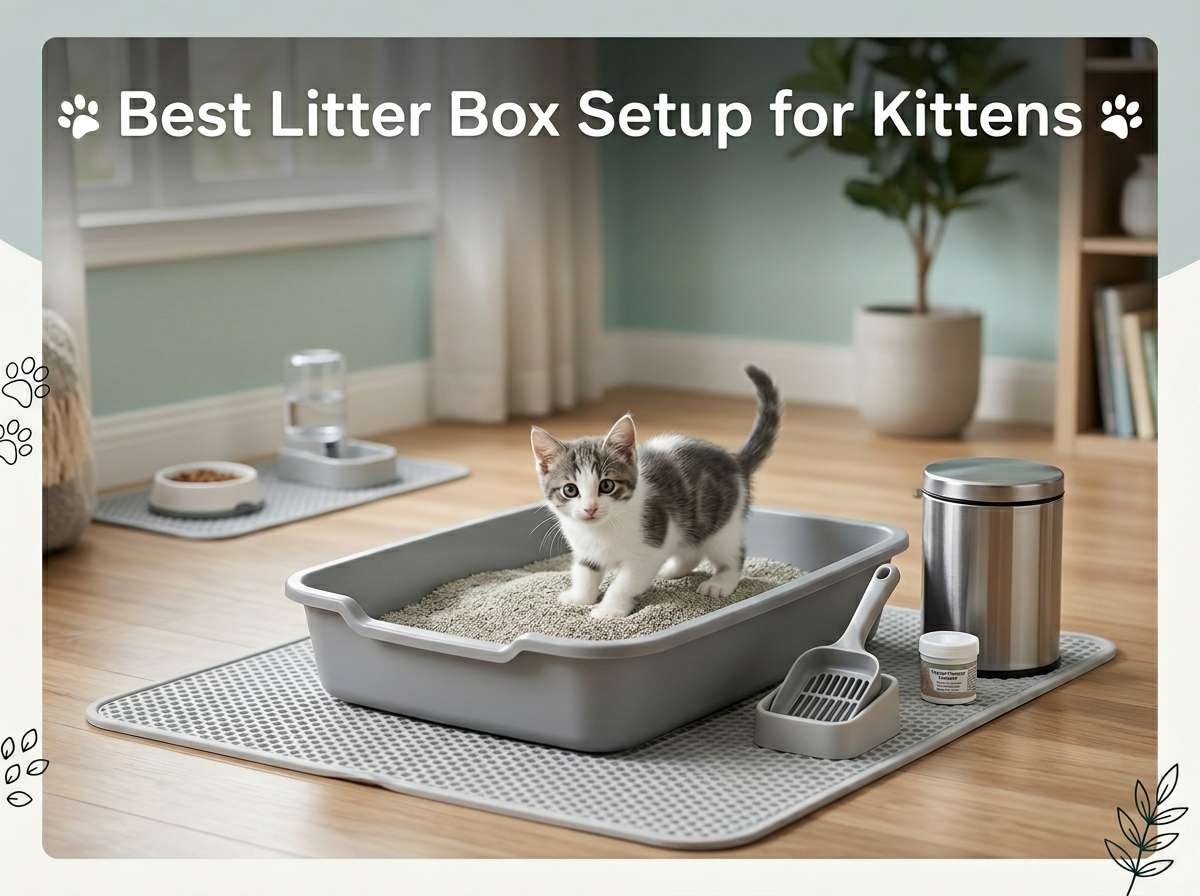
The spot for the litter box matters a lot. Put it in a quiet, private area where your kitten feels safe. Avoid noisy places like near a washing machine or a busy doorway. Loud sounds can scare them away from their sanitary space.
Make sure the litter box is easy for your kitten to reach. Don’t hide it behind furniture or in a dark closet. Your little cat needs to find its potty quickly when nature calls. Easy access is very important for young cats.
Also, keep the litter box away from food and water bowls. Just like us, cats don’t like to eat where they go to the bathroom. Give them separate spaces for dining and relief to encourage good habits.
Finding the Right Box: Shallow & Easy Entry
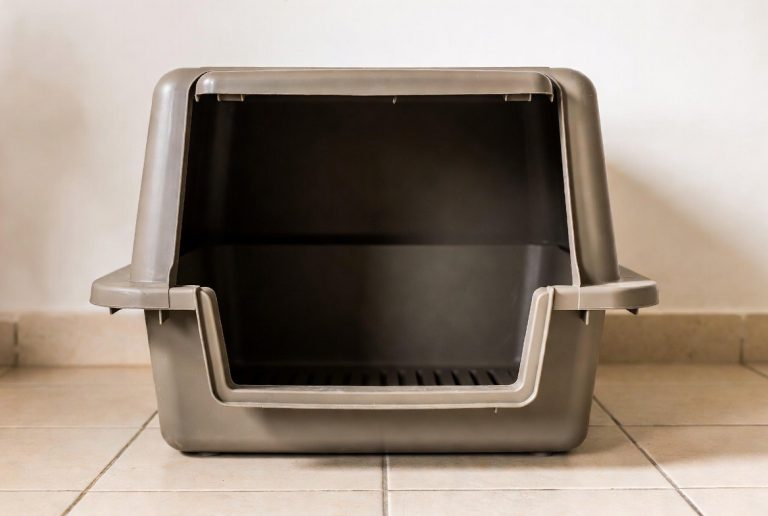
Look for a litter box with low sides. Kittens have tiny legs and can’t jump very high. A shallow box makes it simple for them to step in and out without a struggle. This low entry is very important for a small kitten.
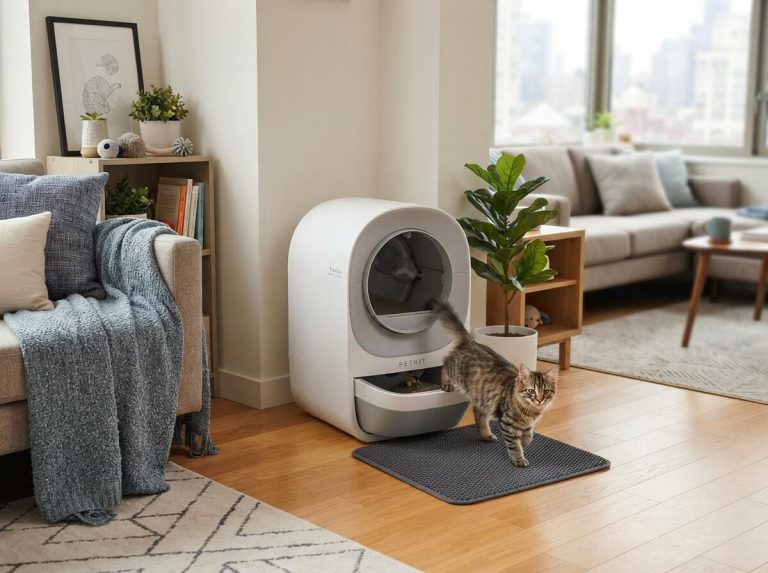
A simple, open litter pan is best for young cats. Fancy covered boxes might seem nice, but they can trap smells and make your kitten feel trapped. An open design helps them feel safe and keeps the air fresh around their waste area.
As your kitten grows, you can get a bigger box with higher sides. But for now, focus on easy access. A basic, low-sided tray is the perfect first toilet for your little furball.
Getting Safe Litter: Unscented and Kitten-Friendly
The type of litter you use is super important for tiny paws. Always go for unscented litter. Strong smells can bother a kitten’s sensitive nose and make them avoid the box. Keep it simple and natural for their first potty experiences.
Many vets suggest a simple, dust-free clumping clay litter. It’s gentle on their paws and helps you clean up easily. Avoid crystal or silica gel litters at first, as some kittens might try to eat these unfamiliar materials.
Later, you can try other types of litter if you wish. But for a new kitten, stick to something soft, safe, and free of perfumes. This makes their potty experience pleasant and clean, helping them learn fast.
Just Enough Litter: The Perfect Depth for Tiny Paws
Don’t fill the litter box too high. Kittens only need a small amount to do their business. About one to two inches of litter is plenty for them. This shallow depth works best for their tiny size.
Too much litter can be hard for tiny cats to walk through. They might feel like they are sinking, which can make them dislike the box. A shallow layer is much more welcoming and easier for them to manage.
This small amount of litter also helps you see when it’s dirty. It’s easy to scoop and replace, keeping the area fresh for your young feline. A little goes a long way for little paws and keeps their cat toilet inviting.
Keeping it Pristine: Daily Cleaning for Happy Kittens
Kittens are clean animals and like a fresh potty spot. Scoop solid waste and clumps out of the litter box at least once a day. This stops bad smells and keeps the area inviting for your tiny cat.
Once a week, empty all the old litter. Then, wash the entire box with mild soap and water. Rinse it well and let it dry completely before adding fresh litter. This deep clean fights germs and keeps the waste area sanitary.
A clean litter box means a happy kitten. If the box smells bad or is full, your tiny cat might look for other places to go. Regular cleaning is a big part of good litter box habits and successful potty training.
Multiple Boxes? The N+1 Rule for Kitten Households
If you have more than one kitten, or even just one, consider having extra litter boxes. A good rule is “N+1,” where N is the number of cats you have. So, for one kitten, have two boxes for their waste needs.
This gives each cat options and reduces competition. Some cats prefer to pee in one box and poop in another. Extra boxes ensure no one feels rushed or has to wait for their turn at the cat toilet.
Having more sanitary spaces helps prevent accidents around the house. It’s especially useful in bigger homes or if you have multiple floors. More boxes mean more success for your little furballs and easier pet care.
Gentle Introduction: Showing Your Kitten the Way
When your kitten first comes home, gently show them the litter box. Place your little cat inside the box and let them sniff around. You don’t need to force them or stay too long; just let them explore their new potty area.
After they eat, drink, or wake up from a nap, gently place them in the litter box again. These are common times when kittens need to go potty. This simple action helps them connect the box with relief and good habits.
Always praise your kitten when they use the litter box correctly. A soft “Good kitty!” or a gentle pat reinforces the good behavior. Positive encouragement makes learning fun for your tiny feline and builds trust.
Troubleshooting Tips: When Kittens Miss the Mark
Sometimes, kittens have accidents outside the box. Don’t scold them. This can scare them and make them hide their potty needs. Instead, clean the spot well with an enzymatic cleaner to remove any lingering smells.
If accidents happen often, think about the setup. Is the box clean enough? Is it easy to get into? Is the litter type okay? A small change might solve the problem and help them use their cat toilet properly.
Stress can also cause accidents. Make sure your kitten feels safe and loved in their new home. If problems continue, talk to your vet. They can check for health issues or offer more specific advice for your young cat.
Growing Up: Evolving Your Kitten’s Litter Setup
As your kitten grows into a bigger cat, their needs will change. You can slowly get a larger litter box with higher sides. This gives them more space and helps keep litter inside the box as they move more.
You might also explore different litter types once they are older and reliably using the box. Still, always introduce new litter slowly. Mix the new with the old over several days to help them adjust to the change.
Keep paying attention to your cat’s habits. Their litter box setup should always be clean, accessible, and comfortable. Adjusting their sanitary space as they mature ensures they stay happy and use their potty well for years to come.
Final Thoughts
Setting up the best litter box for your kitten is a gift you give to both of you. A little thought and care at the start create a lifetime of good habits. Keep their potty spot clean, easy to reach, and safe. Your tiny cat will thank you with purrs and a clean home. Enjoy these precious early days with your new furball!
Hi, I’m Mary, the founder of PetGadgetPro.com. I’m a passionate pet lover with a special place in my heart for dogs and cats. I share practical advice and honest insights on pet gear to help pet parents make better choices. My dedicated research team studies products in depth, and our writers create reviews using trusted, authentic sources—so you can feel confident choosing the best for your pets.