Self-Cleaning Litter Boxes Pros and Cons
If you’re a cat owner, you know that litter box maintenance is one of the less glamorous parts of pet ownership. Scooping poop and urine clumps multiple times a day isn’t exactly anyone’s idea of fun. That’s where self-cleaning litter boxes come in. These automatic litter boxes promise to make your life easier by doing the dirty work for you. But are they really worth the investment? Let’s dig into the good, the bad, and the stinky to help you decide.
What Is a Self-Cleaning Litter Box?
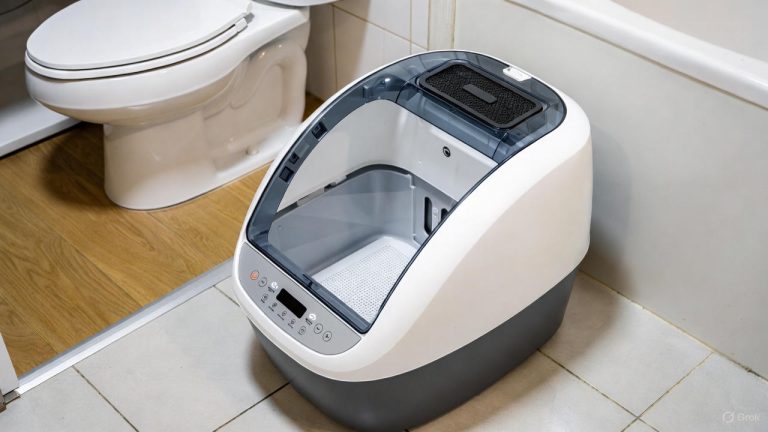
An automatic litter box is a high-tech solution designed to clean itself after your cat uses it. These machines come with various mechanisms—some use rotating drums, others use raking systems, and some use sifting technology. Basically, when your cat walks out of the box, sensors detect their movements and trigger the cleaning cycle. The system collects the clumped waste into a separate compartment, leaving clean litter ready for the next use.
Think of it as a washing machine for cat waste. The box automatically scoops and disposes of solid waste without any effort from you. Some models even break down odors and keep things fresh throughout the day.
The Big Advantages of Automatic Litter Boxes
Less Scooping Work for You
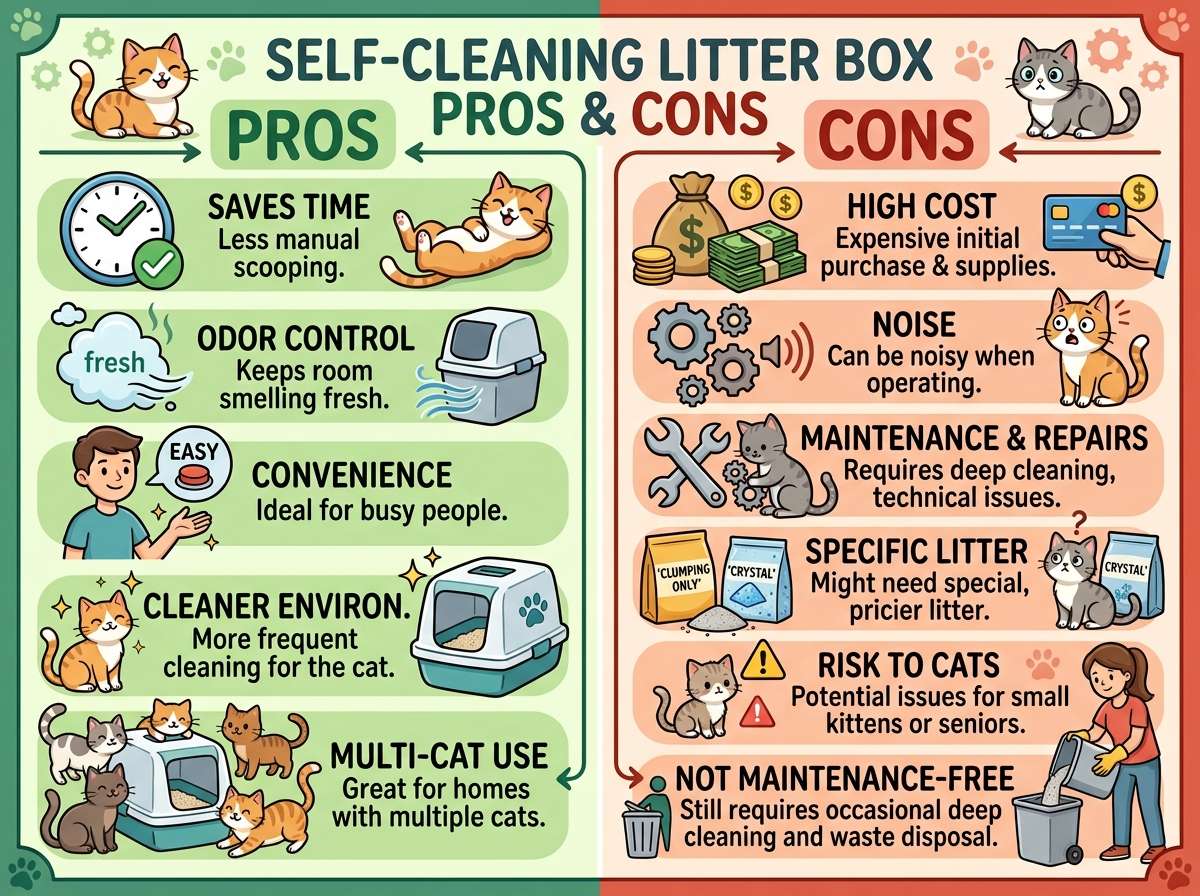
This is the most obvious benefit. You get to skip the daily scooping routine that so many cat owners dread. Instead of grabbing a scoop and dealing with clumps multiple times a day, you just empty a waste container once a week or so. For busy people or those with multiple cats, this saves serious time and energy.
Imagine coming home after a long day at work and not having to immediately deal with a smelly litter box. With an automatic system, you can relax first and handle litter box maintenance on your own schedule, not your cat’s bathroom schedule.
Keeps the Litter Fresher
Self-cleaning boxes remove waste immediately after use. This means your litter stays cleaner and fresher throughout the day. There’s no pile of waste sitting in the box for hours before you get around to scooping. Fresh litter means your cat is less likely to avoid the box and have accidents elsewhere in your home.
Cats are picky about cleanliness. They prefer using clean litter boxes. An automatic system keeps the box in a pristine state, which your cat will appreciate. This leads to better bathroom habits and fewer surprises on your carpet.
Reduces Bad Smells
Because waste gets removed quickly, odors don’t have time to build up. Your home stays fresher overall. Even if you live in a small apartment where the litter box is near living areas, the constant removal of waste keeps smells under control better than manual scooping ever could.
Some self-cleaning litter boxes even have built-in air filters or odor-control systems that go beyond just removing waste. These extra features make your whole home smell better.
Great for People with Health Issues
If you have breathing problems, allergies, or other health conditions that make scooping difficult, an automatic litter box is a game-changer. You reduce your exposure to litter dust and ammonia fumes that come from waste decomposition. This can make a real difference in your daily comfort and health.
Older cat owners or people with mobility issues find that automatic litter boxes remove a painful or difficult task from their daily routine. You can still own a cat without the physical strain of constant scooping.
Ideal for Multiple Cats
If you have two, three, or more cats, scooping becomes a never-ending job. Multiple cats mean multiple bathroom trips throughout the day. An automatic system handles the volume without you doing extra work. The box cleans itself between uses, so it can keep up with busy households.
Useful When You Travel
If you go away for a few days, an automatic litter box can handle the waste buildup much better than a traditional box. While you still shouldn’t leave a cat alone for too long, the automatic system means less urgency if you’re stuck at work late or go on a short trip.
The Real Downsides of Self-Cleaning Litter Boxes
High Upfront Cost
Let’s be honest—automatic litter boxes cost a lot of money. You’ll spend anywhere from $150 to over $500 depending on the brand and features. That’s a significant investment compared to a basic litter box that costs $20 to $50.
For budget-conscious cat owners, this price tag is a real barrier. You need to be sure you’ll stick with it for years to get your money’s worth. If you’re not convinced it will work for your cat, dropping this much cash feels risky.
Some Cats Refuse to Use Them
Not every cat loves an automatic litter box. Some cats find the sensors scary. Others dislike the noise the cleaning mechanism makes. A few cats are just stubborn and prefer their traditional litter boxes.
If your cat refuses to use an automatic box, you’ve wasted your money and still have a smelly regular litter box to scoop anyway. This is a real risk you take when buying one. Cats don’t always cooperate with technology, no matter how convenient it is for humans.
Maintenance and Repairs Can Be Expensive
These machines have moving parts. Moving parts break. When your automatic litter box stops working, repair costs can be steep. Replacement parts aren’t always cheap, and some models are harder to fix than others.
If your box breaks during warranty, you’re lucky. But once the warranty ends, you’re paying full price for repairs. Some people end up spending as much on repairs over a few years as they would on buying traditional litter boxes over the same time period.
Takes Up More Space
Automatic litter boxes are bulkier than regular ones. They need room for the waste container, the cleaning mechanism, and clearance so the system can operate. If you live in a small space or have limited room for a litter box, an automatic model might not fit your home.
Some apartments or homes just don’t have the floor space to accommodate these larger boxes. You need to measure your space carefully before buying.
Can Trap Your Cat Inside During Cleaning
Some automatic litter box designs trap your cat inside while the cleaning cycle runs. Imagine being stuck in a bathroom while it suddenly starts moving and making loud noises. That would scare anyone, cat or human.
This design flaw can stress your cat and make them avoid the box altogether. Always check that your chosen model lets your cat exit freely before the cycle begins.
Litter Gets Tracked Everywhere
Because automatic systems move around and agitate the litter, they tend to kick up more dust and scatter litter particles. You might end up with litter tracked throughout your home more than you would with a regular box.
Some people find they vacuum more often with an automatic box than they did when scooping manually. The convenience of not scooping might come at the cost of more vacuuming.
Not Suitable for Kittens or Very Old Cats
Kittens might be scared of the automatic cleaning cycle. Very old or ill cats might struggle with the height or design of automatic boxes. If you have a young kitten or an elderly cat with health problems, stick with a traditional litter box.
Water and Electricity Requirements
Some automatic litter boxes need to be plugged in, and a few require water for washing cycles. This limits where you can place the box in your home. If your litter box space doesn’t have nearby outlets, you might have limited options.
Dead batteries or power outages mean your automatic litter box stops working. You’ll need to have a backup traditional litter box anyway, which defeats some of the convenience purpose.
Different Types of Self-Cleaning Litter Box Systems
Rotating Drum Models
These boxes have a cylindrical chamber that rotates to separate clean litter from waste. When your cat leaves, the drum spins, pushing clumped waste through a sifter. Clean litter falls back into the box while waste drops into a collection area.
Brands like Litter Robot use this design. It’s one of the most popular automatic litter box styles. The rotating drum is durable and works well for most cats.
Raking Systems
Rake-style boxes use a motorized rake that moves across the litter surface after your cat exits. The rake moves slowly, scraping clumped waste toward a disposal chute. Clean litter stays in the box.
These systems are quieter than rotating drums and some cats find them less intimidating. The raking action is slow and methodical, mimicking manual scooping more closely.
Sifting Mechanisms
Sifting litter boxes move a perforated scoop or tray through the litter. Clumped waste sticks to the holes while fine litter falls through. The collected waste gets pushed into a drawer or bag.
This design closely mimics what you do when you scoop manually. Many cats respond well to sifting systems because the action feels familiar.
Hooded Versus Open Designs
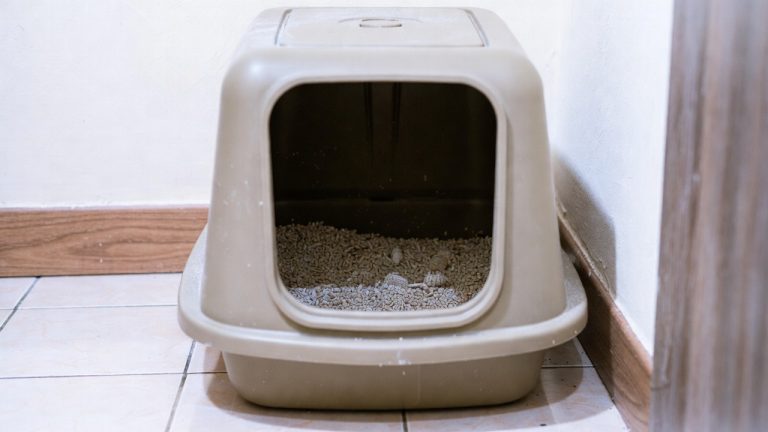
Some automatic boxes are fully enclosed with a hood or cover. Others are open or partially hooded. Enclosed designs contain litter dust and odors better, but some cats feel trapped. Open designs give cats more freedom but don’t contain messes as well.
How Much Does an Automatic Litter Box Really Cost?
The initial purchase price is just the beginning. Let’s break down the real costs of owning a self-cleaning litter box.
Purchase Price: $150 to $500+
Entry-level automatic boxes start around $150. Mid-range models cost between $250 and $400. Premium models with advanced features run $400 to $500 or more.
Budget about $250 to $350 for a quality automatic litter box if you’re buying one for the first time.
Litter Costs
Automatic litter boxes often require specific types of litter. The wrong litter clogs the system or damages the mechanism. You can’t use regular cheap litter like you do in traditional boxes.
Expect to spend $30 to $50 monthly on litter, compared to $10 to $20 for regular boxes. Over a year, that’s an extra $200 to $400 in litter costs.
Maintenance and Repairs
Budget $100 to $300 annually for potential maintenance and repairs once your warranty expires. Some years you might not need anything. Other years, replacing broken parts gets expensive fast.
Replacement Litter Box
If your automatic box breaks beyond repair, you’re looking at buying a new one. That’s another $150 to $500 out of pocket.
Total Ownership Costs Over 5 Years
- Initial purchase: $250 (average)
- Litter for 5 years: $1,500 (at $25/month)
- Maintenance and repairs: $500 (average)
- Total: About $2,250
Compare this to traditional litter boxes over 5 years:
- 3 replacement boxes: $100
- Litter for 5 years: $600 (at $10/month)
- Supplies (scoops, liners): $100
- Total: About $800
The convenience costs you about $1,450 more over five years.
Tips for Making an Automatic Litter Box Work
If you decide to get a self-cleaning litter box, here are some strategies to make it successful.
Start Slow
Don’t switch your cat cold turkey from a traditional box to an automatic one. Set up the automatic box next to the regular box for a few days. Let your cat explore it at their own pace. Gradually remove the regular box once your cat is comfortable.
Choose the Right Location
Place your automatic litter box in a quiet, low-traffic area away from your cat’s food and water bowls. Cats prefer privacy when using the bathroom. A hidden corner works better than a main hallway.
Use the Right Litter Type
Follow the manufacturer’s recommendations for litter type. Some boxes work best with specific litter brands. Using the wrong type causes mechanical problems and defeats the purpose of having an automatic system.
Keep It Plugged In
Make sure your automatic box stays plugged into a working outlet. Keep the waste container emptied regularly so it doesn’t overflow. Maintenance keeps the system running smoothly.
Have a Backup Plan
Keep a traditional litter box available as a backup for when your automatic box breaks or needs maintenance. Your cat needs a bathroom option even if the fancy technology stops working.
Monitor Your Cat’s Health
Watch your cat’s litter box habits for signs of health issues. Increased urination, diarrhea, or straining to urinate can indicate medical problems. With an automatic box, you’re scooping less often, so you might miss these warning signs. Check the waste collection area regularly.
Alternatives to Automatic Litter Boxes
If an automatic litter box doesn’t appeal to you, other options exist to make litter maintenance easier.
High-Quality Regular Litter Boxes
Invest in a large, high-quality traditional litter box. Bigger boxes keep litter contained better and need less frequent scooping. Some models have sifting liners that make scooping faster and easier.
Litter Box Furniture and Enclosures
Hide your litter box inside decorative furniture designed for this purpose. These enclosures look nice and contain odors and litter dust. They’re cheaper than automatic boxes and require no maintenance.
Clumping Litter Improvements
Use premium clumping litter that forms tight, easy-to-scoop clumps. Better litter makes manual scooping faster and less unpleasant. You might spend slightly more on litter but save time on scooping.
Enzymatic Odor Control Products
Add odor-fighting products to your regular litter box. Enzymatic cleaners break down odors at the source. These products cost much less than automatic boxes and work surprisingly well.
Litter Boxes with Hoods and Carbon Filters
Standard litter boxes with hoods and activated carbon filters contain odors much better than open boxes. They cost $40 to $100 and require no electricity or maintenance. Great middle ground option.
The Bottom Line: Is an Automatic Litter Box Right for You?
A self-cleaning litter box makes sense if you fit these criteria:
- You have the budget for the high upfront cost
- You have multiple cats creating excessive waste
- You have health issues that make scooping difficult
- Your cat is comfortable with automatic systems
- You have space and electrical access where you need it
- You’re willing to deal with potential repairs
An automatic litter box probably isn’t right if you:
- Have a tight budget
- Have only one cat
- Have a small living space
- Have a kitten or very old cat
- Don’t have reliable electrical access
- Have a cat that’s nervous or particular about their bathroom habits
Common Questions About Automatic Litter Boxes
Do self-cleaning litter boxes work for all cat sizes?
Most automatic boxes work fine for average cats. Some models have adjustable sensors for larger cats. Check the weight limits before buying if you have a particularly large or small cat.
Can you use any litter in an automatic box?
No. Most automatic boxes require specific litter types. Using the wrong litter damages the mechanism. Always follow the manufacturer’s litter recommendations.
How often do you need to empty the waste container?
This depends on how many cats you have and how often they use the box. Most people empty the container once a week. Multiple cats might require emptying every few days.
Are automatic litter boxes loud?
Yes, they’re noisier than regular boxes. The noise level varies by model and mechanism type. Some cats get used to the sound quickly. Others stay stressed by it.
What happens if the power goes out?
Most automatic boxes stop working when the power goes out. You’ll need a backup traditional litter box. Some models have manual override options so you can scoop if needed.
Can you leave a cat alone with an automatic litter box?
An automatic box is better than nothing if you’re gone for a day, but cats shouldn’t be left alone for extended periods. Always arrange for someone to check on your cat if you’re away for more than 24 hours.
Final Thoughts on Automatic Litter Boxes
Self-cleaning litter boxes are real technological solutions to a real problem. The convenience they offer is genuine. However, the high cost, potential cat resistance, and maintenance hassles make them wrong for many households.
The best litter box solution is whatever works for your specific situation. If you love the idea of automation and your budget allows, try one. If you’re skeptical or watching your spending, stick with a quality traditional box and good litter. Either way, your cat just needs a clean place to do their business.
Remember that no technology should stress out your cat or create health problems. Always prioritize your cat’s comfort and well-being over convenience. A stressed cat is never worth the fanciest automatic litter box on the market.
Whether you choose automatic or traditional, commit to regular cleaning and maintenance. A clean litter box—whether it cleans itself or you do the cleaning—leads to a happy cat and a happy home.
Hi, I’m Mary, the founder of PetGadgetPro.com. I’m a passionate pet lover with a special place in my heart for dogs and cats. I share practical advice and honest insights on pet gear to help pet parents make better choices. My dedicated research team studies products in depth, and our writers create reviews using trusted, authentic sources—so you can feel confident choosing the best for your pets.