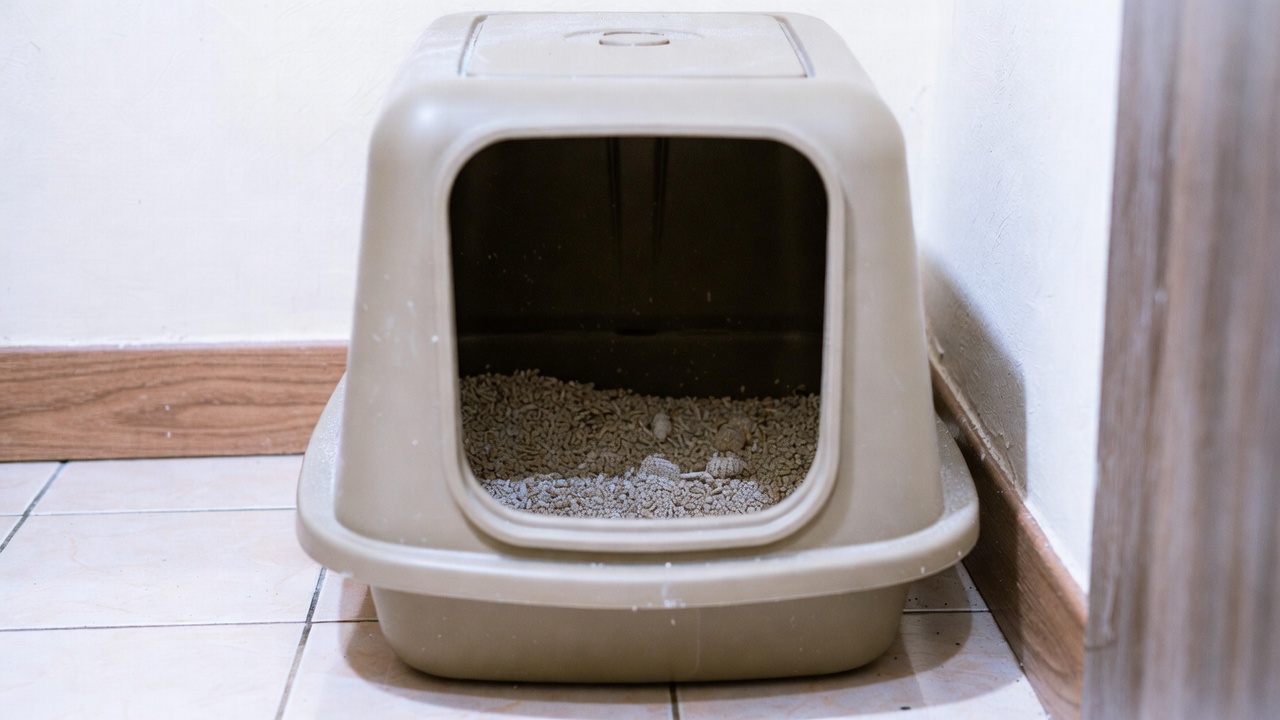
5 Best Kitty Litter Box In 2026
Finding the right litter box for your feline friend can transform your daily routine. A quality litter box keeps your home fresh, your cat happy, and cleaning duties manageable. This comprehensive guide explores five top-rated litter boxes that cater to different needs and preferences.
Why Your Litter Box Matters
Your cat deserves a clean, comfortable bathroom space. The right litter box controls odors, prevents messy spills, and makes maintenance easier. Modern designs now offer features like automatic cleaning, odor-blocking materials, and smart technology that monitors your pet’s health.
Cat owners face common challenges: tracking litter across floors, persistent smells, and time-consuming cleanup. The products we review here address these issues head-on. Each option brings unique benefits to help you create a better experience for both you and your cat.
Our Top Picks for Kitty Litter Boxes
1. Stainless Steel Litter Box with Lid, Front Entry Top Exit Design
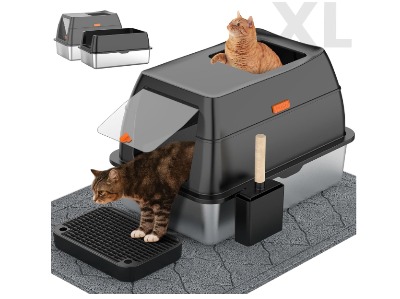
This innovative litter box combines durability with smart design. The stainless steel construction resists rust, scratches, and odor absorption better than plastic alternatives. The dual-entry system gives cats flexibility in how they access their bathroom space.
Product Description
The front entry and top exit configuration reduces litter tracking significantly. Cats enter through the front opening and can exit from either location, which helps shake loose litter from their paws before they leave. The extra large size accommodates big cats comfortably, giving them plenty of room to turn around and dig.
The enclosed design with lid keeps odors contained while providing privacy that many cats prefer. Stainless steel walls won’t absorb urine smells over time, unlike plastic boxes that eventually need replacement. The package includes a matching metal scoop and litter mat, providing everything needed to get started.
Assembly takes just minutes. The lid fits securely but removes easily for cleaning. The non-porous surface wipes clean with simple soap and water, and the material is dishwasher safe for thorough sanitization.
Pros
- Stainless steel never absorbs odors or stains
- Dual entry points reduce litter tracking
- Extra large capacity suits bigger cats
- Dishwasher safe for deep cleaning
- Rust-resistant and extremely durable
- Includes scoop and mat for complete setup
- Enclosed design controls smells effectively
Cons
- Higher price point than plastic options
- Heavier weight makes moving more difficult
- Top entry may not suit elderly or arthritic cats
Who Should Buy This
This litter box works best for owners seeking a long-term investment. If you’re tired of replacing plastic boxes every year or two, the stainless steel construction pays for itself over time. Cat owners who value cleanliness and odor control will appreciate the non-absorbent material. The extra large size makes this ideal for households with big cats or multiple smaller cats.
2. UPFAS Automatic Cat Litter Box Self Cleaning with APP Control
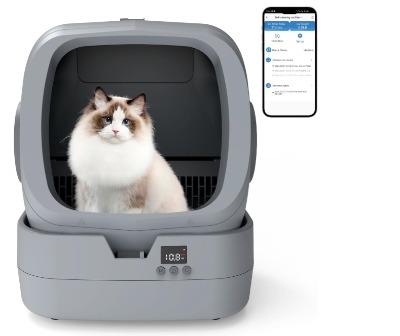
Technology meets pet care with this automated cleaning system. The UPFAS automatic litter box takes the daily scooping task off your hands while monitoring your cat’s weight and bathroom habits through a smartphone app.
Product Description
This self-cleaning litter box uses sensors to detect when your cat exits, then automatically rakes waste into a sealed compartment. The ultra-quiet motor operates at whisper-level volume that won’t startle nervous cats. Smart sensors prevent the cleaning cycle from starting if your cat returns too quickly, keeping them safe.
The companion app connects via WiFi, letting you monitor cleaning cycles from anywhere. You receive notifications when the waste drawer needs emptying. The weight monitoring feature tracks your cat’s weight over time, helping you spot potential health issues early.
The medium size design accommodates most adult cats and kittens. Anti-pinch sensors stop the cleaning rake immediately if they detect resistance, protecting curious paws. The waste drawer pulls out easily for quick disposal without touching dirty litter.
Pros
- Automatic cleaning saves daily scooping time
- App control and monitoring from anywhere
- Weight tracking helps monitor cat health
- Ultra-quiet operation won’t scare cats
- Safety sensors prevent pinching accidents
- Suitable for medium cats and kittens
- Sealed waste compartment controls odors
Cons
- Requires WiFi connection for full features
- Regular power supply needed
- Learning curve for app setup
- May not fit very large cats comfortably
Who Should Buy This
Tech-savvy cat owners who want to automate routine care will love this system. Busy professionals who work long hours benefit from the self-cleaning feature. The weight monitoring appeals to health-conscious pet parents who want to track their cat’s wellness. This box suits households with medium-sized cats or kittens but may feel cramped for Maine Coons and other large breeds.
3. Stainless Steel Litter Box XL Enclosed with High Sides
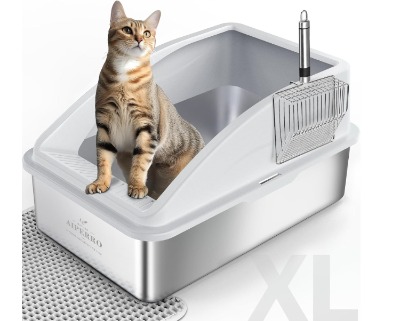
Built for big cats, this extra large enclosed litter box solves common problems like urine leakage and litter scatter. The high-sided design keeps everything contained while the stainless steel material ensures lasting performance.
Product Description
The XL dimensions provide spacious accommodations for large breed cats. High walls prevent urine spray from escaping and stop enthusiastic diggers from flinging litter outside. The enclosed lid adds an extra layer of odor control while giving cats the privacy they naturally seek.
Anti-urine leakage design features sealed edges and a raised lip around the entry. The non-stick bottom prevents clumping litter from cementing to the surface, making cleanup remarkably easy. A quick wipe removes all residue, and the smooth surface resists bacterial growth.
The package includes a coordinating litter mat that catches tracked particles and a metal scoop for daily maintenance. The mat’s textured surface encourages cats to wipe their paws before stepping onto clean floors.
Pros
- Extra large size perfect for big cats
- High sides prevent spray and scatter
- Non-stick bottom cleans effortlessly
- Anti-leakage design protects floors
- Stainless steel resists odors permanently
- Complete set with mat and scoop included
- Enclosed design maximizes privacy
Cons
- Premium price reflects quality construction
- Heavy construction less portable
- Large footprint requires adequate floor space
Who Should Buy This
Owners of large cat breeds like Maine Coons, Ragdolls, and Norwegian Forest Cats need this spacious option. If your cat consistently sprays over the edges of standard boxes, the high sides solve that frustration. Multi-cat households where space allows can use this as a primary box. Anyone tired of scrubbing stuck-on litter from plastic bottoms will appreciate the non-stick stainless steel surface.
4. WoofiGo Enclosed Stainless Steel Cat Litter Box XL
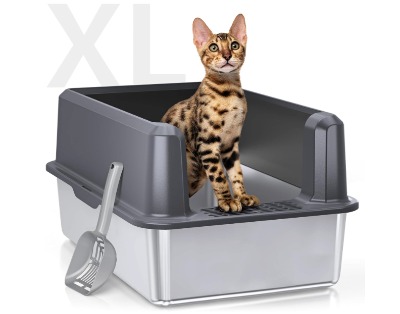
The WoofiGo brings professional-grade construction to home cat care. This metal litter pan emphasizes hygiene and ease of cleaning while providing generous space for larger felines.
Product Description
Premium stainless steel construction forms the foundation of this enclosed litter box. The material never absorbs odors, no matter how long you use it. Plastic boxes develop lingering smells over time, but this metal design stays fresh indefinitely with proper cleaning.
The extra large interior dimensions give big cats room to move comfortably. High sides contain litter and prevent urine leakage, even with cats who stand while urinating. The enclosed lid clicks securely into place, trapping odors inside until you remove it for cleaning.
The anti-urine leakage system features precision-fitted edges and a raised entry threshold. Litter stays inside where it belongs instead of scattering across your floors. The included metal scoop stores conveniently inside the box, always ready when needed.
Pros
- Medical-grade stainless steel construction
- Never absorbs or retains odors
- Extra large capacity for big cats
- High sided design prevents leakage
- Easy cleaning with simple wipe-down
- Durable metal scoop included
- Enclosed design for odor control
Cons
- Investment cost higher than plastic
- Substantial weight when filled
- Requires adequate floor space
Who Should Buy This
Cat owners who prioritize hygiene and cleanliness should consider this option. The odor-free stainless steel appeals to anyone sensitive to litter box smells. Large cat owners need the spacious interior for their pets’ comfort. If you want a litter box that lasts for years without degrading or absorbing smells, this investment makes sense.
5. Cumrige Self Cleaning Litter Box with Large Capacity
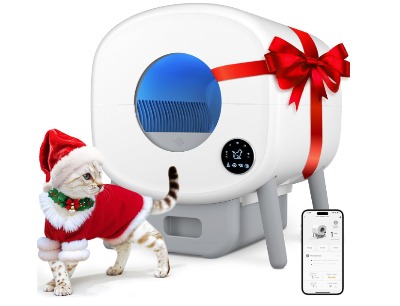
Smart automation combines with generous capacity in this automatic cleaning system. The Cumrige handles multiple cats efficiently while app control keeps you informed about your pets’ bathroom habits.
Product Description
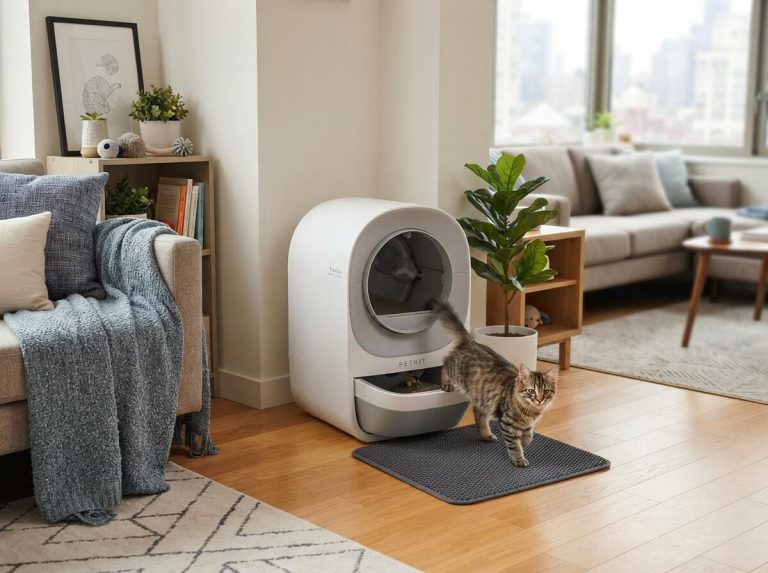
This large capacity automatic litter box accommodates multiple cats or provides extra space for single large cats. The self-cleaning mechanism activates after your cat exits, automatically separating waste from clean litter. The rotating globe design dumps clumps into a sealed drawer, keeping odors locked away.
App control via smartphone lets you schedule cleaning cycles, monitor usage, and receive alerts. The system tracks how often each cat uses the box, helping you notice health changes quickly. Safety protection features include multiple sensors that stop rotation if a cat jumps back inside.
The white and grey color scheme fits modern home decor. Two rolls of garbage bags come included, and the system uses standard bags for affordable ongoing operation. The waste drawer indicator lights up when full, prompting you to empty it.
Pros
- Large capacity serves multiple cats
- Automatic cleaning eliminates daily scooping
- App control provides remote monitoring
- Safety sensors protect curious cats
- Two garbage bag rolls included
- Usage tracking for health monitoring
- Modern design complements home decor
Cons
- Requires electrical outlet nearby
- Setup takes more time than traditional boxes
- Replacement bags needed regularly
- Not suitable for very small kittens
Who Should Buy This
Multi-cat households benefit most from the large capacity and automatic cleaning. Busy pet parents who travel frequently can monitor their cats’ bathroom habits remotely through the app. Health-conscious owners appreciate the tracking features that help identify medical issues early. This system works best for households with adult cats, as tiny kittens may struggle with the rotating mechanism.
How to Pick the Right Litter Box
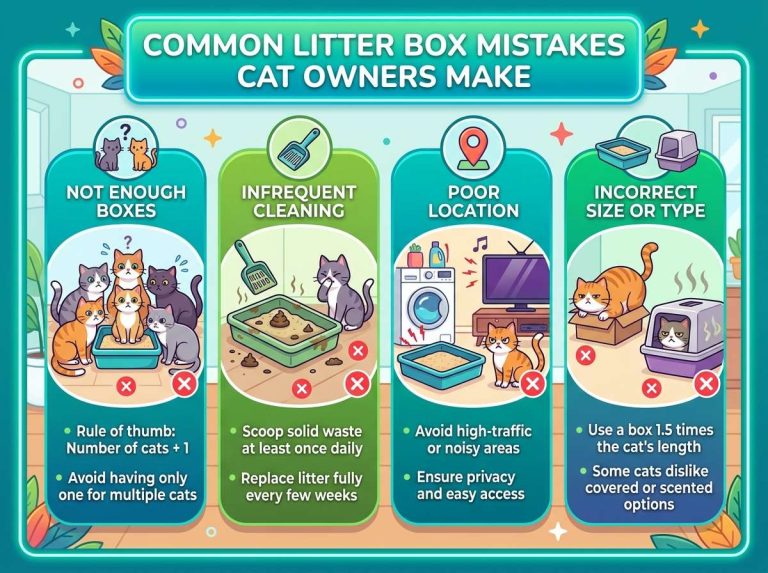
Your cat’s size plays a crucial role in litter box selection. Experts recommend boxes that measure at least one and a half times your cat’s length from nose to tail base. Large breeds need extra large options to turn around comfortably and dig without feeling cramped.
Consider Your Cat’s Mobility
Older cats with arthritis need low-entry designs they can step into easily. High-sided boxes and top-entry models challenge cats with joint pain. Young, healthy cats handle any entry style, but senior cats require thoughtful accommodation.
Think About Your Space
Measure your available floor space before committing to extra large models. Enclosed boxes need adequate room for the lid to swing open during cleaning. Automatic models often have larger footprints than manual alternatives.
Evaluate Your Cleaning Commitment
Manual litter boxes require daily scooping and weekly deep cleaning. Automatic systems reduce hands-on time but need regular maintenance like waste drawer emptying and sensor cleaning. Stainless steel models clean faster than plastic but cost more upfront.
Material Matters: Stainless Steel vs. Plastic
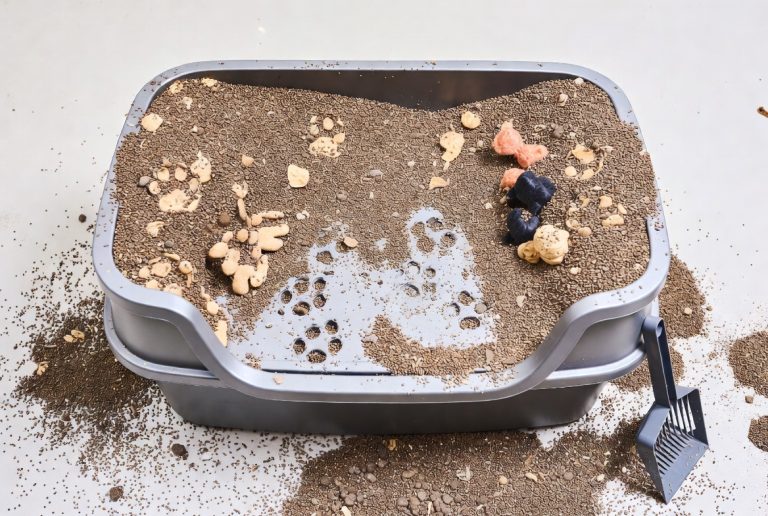
Plastic litter boxes dominate the market due to low cost. However, plastic develops scratches that harbor bacteria and absorb odor molecules over time. Even thorough cleaning cannot remove these embedded smells.
Stainless steel costs more initially but lasts indefinitely. The non-porous surface resists scratching and never absorbs odors. You can sanitize stainless steel in dishwashers or with strong cleaners without damaging the material. Over several years, the durability offsets the higher purchase price.
Automatic vs. Manual Cleaning Systems
Manual litter boxes give you complete control over cleaning schedules and techniques. You decide when to scoop, how often to change litter, and what products to use. These traditional boxes require daily attention but involve no technology to troubleshoot.
Automatic cleaning systems handle the unpleasant scooping task for you. Sensors detect when cats finish using the box, then activate cleaning cycles. These systems work well for busy schedules but need power sources and periodic maintenance. Some cats take time adjusting to the mechanical sounds and movements.
Odor Control Strategies
Enclosed litter boxes trap odors inside the unit, preventing them from spreading through your home. Lids create a barrier, though they concentrate smells for your cat. Some felines refuse covered boxes due to trapped odor, preferring open designs.
Stainless steel and other non-porous materials prevent odor absorption at the source. Regular scooping remains essential regardless of box type. Baking soda sprinkled under the litter layer helps neutralize smells naturally.
Quality clumping litter paired with a well-designed box creates the best odor control. Hard-clumping formulas seal waste quickly, reducing exposure to air. Deep litter beds allow better clumping than shallow layers.
Litter Tracking Solutions
Cats naturally carry litter on their paws when exiting the box. Top-entry designs force cats to jump out, shaking loose particles back into the box. Mats placed outside entry points catch remaining pieces before they reach your floors.
High-sided boxes reduce tracking by containing scattered litter during digging. Enclosed designs with entry tunnels give cats space to pause and shed clinging particles. Textured mats work better than smooth surfaces for removing stuck litter.
Health Monitoring Features
Smart litter boxes track weight and bathroom frequency through built-in sensors. Sudden weight changes can indicate health issues like hyperthyroidism or diabetes. Increased urination frequency might signal kidney problems or urinary tract infections.
Apps display trends over time, making subtle changes more noticeable. You can share this data with veterinarians during checkups. Early detection of health issues improves treatment outcomes and reduces veterinary costs.
Traditional boxes require manual observation to notice health changes. Paying attention to litter clump sizes and bathroom frequency provides similar insights without technology. Both approaches work, depending on your preference for manual vs. automated monitoring.
Multi-Cat Household Considerations
Experts recommend one litter box per cat plus one extra. Three cats need four boxes spread across different areas. Large capacity boxes can serve multiple cats but still benefit from backup locations.
Automatic cleaning systems handle multiple users effectively, keeping boxes fresh between cats. Manual boxes in multi-cat homes need scooping several times daily to prevent avoidance behaviors. Cats may refuse dirty boxes, leading to accidents outside the designated area.
Territorial issues sometimes arise around litter boxes. Providing multiple locations gives submissive cats alternatives if dominant cats guard certain boxes. Separate floors or rooms for litter box placement reduce conflict.
Setup and Maintenance Requirements
Manual litter boxes require minimal setup. Fill with three to four inches of litter, place in a quiet location, and show your cat the spot. Daily scooping and weekly washing maintain hygiene.
Automatic systems need assembly following manufacturer instructions. Connect to power sources, download companion apps, and run test cycles before introducing your cat. Regular maintenance includes cleaning sensors, replacing filters, and emptying waste compartments.
Stainless steel boxes clean quickly with hot water and mild detergent. Avoid abrasive scrubbers that might scratch the surface. Plastic boxes benefit from enzymatic cleaners that break down organic odors.
Location Tips for Litter Box Placement
Cats prefer quiet, low-traffic areas for bathroom privacy. Avoid placing boxes near loud appliances like washing machines or furnaces. Busy hallways and main living spaces make poor locations due to constant activity.
Easy access matters for both cats and humans. Cats need clear paths to reach their boxes quickly, while you need convenient access for daily maintenance. Basements work if your cat can navigate stairs easily.
Keep litter boxes away from food and water bowls. Cats instinctively separate eating areas from bathroom areas. Placing boxes too close to feeding stations may cause avoidance behaviors.
Breaking Down the Investment
Budget-friendly plastic litter boxes cost less than twenty dollars but need replacement every year or two. Stainless steel options range from seventy to one hundred fifty dollars but last for many years without degrading.
Automatic cleaning systems represent the highest initial investment, often exceeding two hundred dollars. Factor in ongoing costs like replacement filters, bags, and higher electricity usage. Time saved on daily scooping offsets these expenses for many owners.
Consider total cost over five years rather than just initial price. A sixty-dollar plastic box replaced three times costs more than a one-hundred-dollar stainless steel box kept for a decade. Quality construction provides better long-term value.
Environmental Impact Considerations
Plastic litter boxes eventually end up in landfills after degrading. Cheap materials crack and absorb odors, forcing replacement. Manufacturing new plastic boxes continually consumes petroleum resources.
Stainless steel boxes last indefinitely, reducing waste. The material can be recycled at end of life, though most owners never need to replace them. One durable purchase eliminates multiple plastic boxes over time.
Automatic cleaning systems use electricity, increasing your carbon footprint slightly. However, they often reduce litter waste by efficiently separating clean litter from clumps. This efficiency can offset energy usage through reduced litter purchases.
Common Problems and Solutions
Litter tracking across floors frustrates many cat owners. High-sided boxes, entry mats, and top-entry designs all help contain particles. Regular mat cleaning and vacuuming prevents buildup.
Persistent odors usually indicate insufficient cleaning or low-quality litter. Scoop daily, change litter weekly, and deep clean monthly. Stainless steel boxes eliminate material-based odor absorption.
Cat avoidance behaviors signal discomfort with the current setup. Cats may dislike enclosed spaces, rough entry points, or insufficient size. Observe your cat’s preferences and adjust accordingly.
Final Recommendations
The best litter box depends on your specific situation. Large cat owners need extra large dimensions with high sides. Multi-cat households benefit from automatic cleaning or multiple manual boxes. Budget-conscious shoppers can find quality manual options, while tech enthusiasts enjoy smart features.
The Stainless Steel Litter Box with Front Entry Top Exit offers excellent value for owners seeking durability and odor control. The dual-entry design reduces tracking while the stainless steel construction lasts for years.
The UPFAS Automatic Cat Litter Box suits busy professionals who want automation and health monitoring. App control and safety features justify the investment for tech-forward households.
The XL Enclosed Stainless Steel Litter Box handles big cats and multi-cat situations with high sides and generous capacity. The non-stick bottom simplifies cleaning routines.
The WoofiGo Enclosed Stainless Steel option provides professional-grade construction for hygiene-focused owners. The odor-resistant material and easy cleaning make daily maintenance quick.
The Cumrige Self Cleaning Litter Box works best for multi-cat households wanting automatic operation. Large capacity and app monitoring help manage multiple pets efficiently.
Making the Switch
Cats can be particular about litter box changes. Place the new box beside the old one initially, letting your cat explore at their own pace. Keep the old box available until your cat consistently uses the new option.
Gradual transitions work better than abrupt changes. If switching litter types along with a new box, mix old and new litter together first. Slowly adjust the ratio over a week or two.
Patience pays off during the adjustment period. Some cats adapt immediately while others need several days. Praise and treats near the new box create positive associations.
Your cat deserves a clean, comfortable bathroom space, and you deserve less time dealing with litter box maintenance. The right choice makes daily life better for everyone in your household. Consider your priorities, evaluate your options, and make a decision that serves both you and your feline companion well.
Hi, I’m Mary, the founder of PetGadgetPro.com. I’m a passionate pet lover with a special place in my heart for dogs and cats. I share practical advice and honest insights on pet gear to help pet parents make better choices. My dedicated research team studies products in depth, and our writers create reviews using trusted, authentic sources—so you can feel confident choosing the best for your pets.