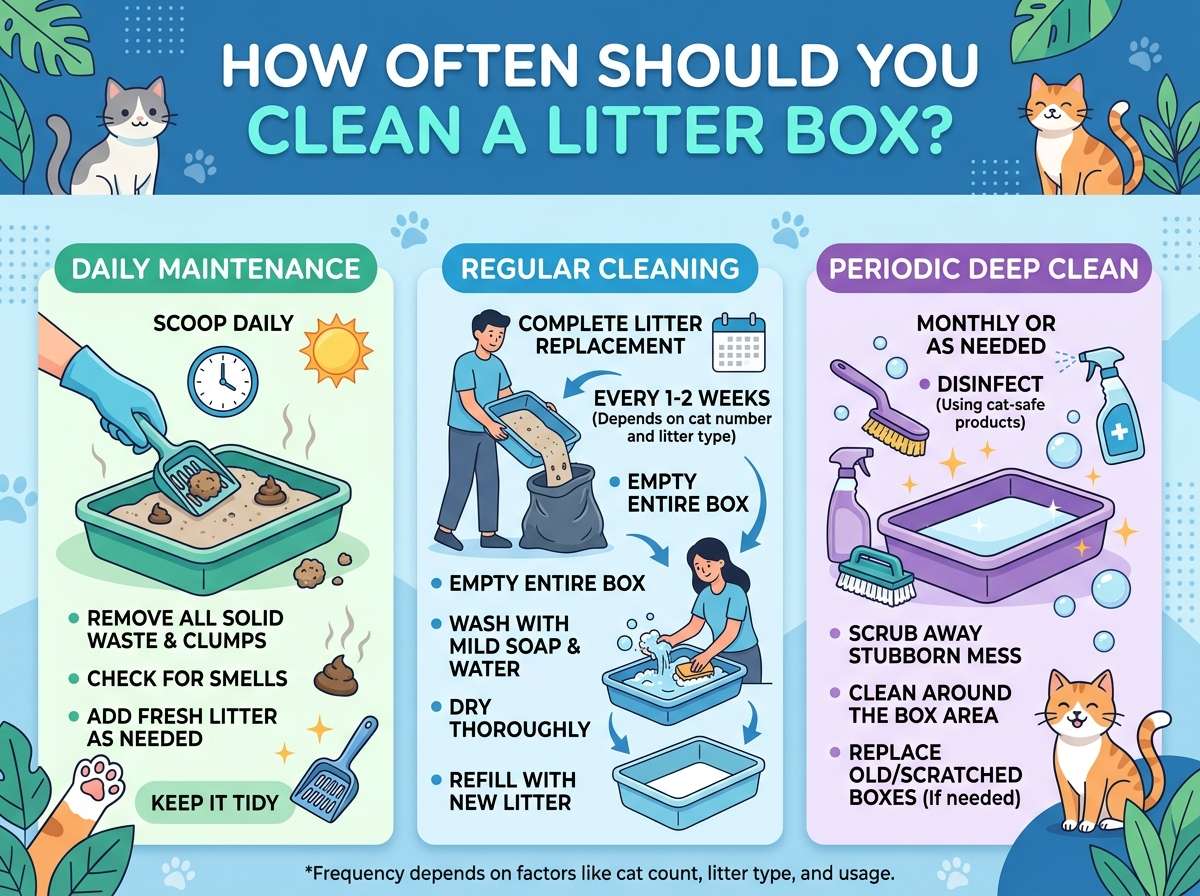
How Often Should You Clean a Litter Box?
If you own a cat, you’ve probably thought about litter box cleaning more than you’d like. It’s not the most glamorous part of pet ownership, but it’s super important. Your cat’s health depends on it. Your home’s cleanliness depends on it. Even your relationship with your cat can depend on it.
So let’s talk about this straight up. How often do you actually need to clean a litter box? The answer isn’t always the same for every cat owner. But I’ll help you figure out what works best for your situation.
The Basic Rule for Daily Litter Box Cleaning
Here’s the thing that most cat experts agree on: you should clean your litter box at least once every single day. This means scooping out the clumps and waste that your cat leaves behind.
Daily scooping is the foundation of good cat care. Think of it like brushing your teeth. You do it every day because it keeps things fresh and healthy. The same goes for your cat’s litter box.
When you scoop daily, you remove the waste before it starts to smell. You also remove bacteria and parasites before they build up. Your cat appreciates a clean box. Cats are clean animals by nature. They like having a fresh place to do their business.
Daily cleaning also helps you notice if something is wrong with your cat. Changes in your cat’s bathroom habits can signal health problems. If you scoop every day, you’ll spot these changes right away.
Why Daily Scooping Really Matters
Let me break down why this daily habit is so essential for your feline friend.
When your cat uses the litter box, bacteria start growing immediately. Urine contains ammonia. Ammonia creates that strong smell we all know. That smell gets worse every hour that passes without cleaning.
Your cat has a sensitive nose. It’s much better than your nose. So when the box gets smelly, your cat notices it before you do. Sometimes cats will actually avoid using a dirty box. This leads to accidents around your home. No one wants that.
A clean litter box also means a healthier cat. Bacteria and parasites in old waste can make your cat sick. They can cause urinary tract infections. They can cause digestive problems. Daily scooping removes these hazards.
Dust and litter particles also build up in an uncleaned box. These tiny particles can irritate your cat’s respiratory system. Kittens and senior cats are especially sensitive to this. Regular scooping keeps the air cleaner.
How to Do Daily Litter Box Scooping Right
Scooping seems simple, but there’s a right way to do it. Here’s what you need to know.
Use a good litter scoop. Get one with a handle you can grip firmly. The scoop should have small holes. These holes let the clean litter fall through while catching the clumps.
Do this: scoop through the entire box. Break up any clumps you find. Scoop out all the urine clumps and solid waste. Aim to remove everything that isn’t fresh, clean litter.
Throw the waste in a trash bag or disposable waste container. Then place the scoop back where you keep it. Some people hang their scoop on the side of the box.
If your box has lost a lot of litter, add fresh litter to fill it back up. Most boxes should stay about three to four inches deep.
Wash your hands after scooping. This is important for hygiene. Litter boxes contain bacteria that you don’t want spreading around your home.
Full Litter Box Cleaning: When and How Often
Daily scooping isn’t the whole story. You also need to do a deep clean of the entire litter box. This is different from scooping.
A full clean means removing all the litter and waste. Then you wash the box itself. Then you add fresh litter.
How often should you do a full clean? Most experts say once or twice per week. Some people with really clean cats might only need to do it once a week. But if you have multiple cats, you might need to do it more often.
Here’s why you need both daily scooping and weekly deep cleaning. Daily scooping removes waste. But the litter box itself gets dirty. The walls absorb urine. Bacteria grow on the surfaces. A deep clean takes care of this.
Step-by-Step Deep Cleaning Process
Let’s walk through how to deep clean a litter box properly.
First, gather your supplies. You’ll need:
- A trash bag for old litter
- Hot water
- A cleaning brush or cloth
- A mild soap or cat-safe cleaner
- Fresh litter
- Optional: paper towels
Empty the entire box into the trash bag. Throw away all the old litter. Don’t try to save any of it.
Take the box to a sink, bathtub, or outdoor area. Rinse it with hot water. Let the hot water run over all the surfaces. This removes loose litter particles.
Now scrub the inside surfaces with a brush or cloth. Use your cat-safe cleaner. Pay special attention to the corners and edges. These areas collect the most bacteria and odor.
Rinse the entire box again with hot water. Make sure you remove all the soap. Any soap left behind can irritate your cat’s paws.
Let the box dry completely. You can use a towel to dry it faster. Or just let it air dry.
Once it’s dry, add fresh litter. Most boxes need about four inches of litter. Not too shallow. Not too deep.
Place the clean box back in your cat’s litter area.
The Multiple Cat Factor
If you have more than one cat, litter box cleaning becomes more important and more frequent.
The general rule is simple: you need one box per cat, plus one extra. So if you have two cats, you should have three boxes. Three cats means four boxes.
Why? Because cats are territorial. They don’t like sharing boxes. When you don’t have enough boxes, urine builds up faster. The smell gets worse faster. Your cats might start using the bathroom outside the box.
With multiple cats, you need to scoop more often. Scooping once daily might not be enough. You might need to scoop two or three times per day. This depends on how many cats you have and how much waste they produce.
Your deep cleaning schedule should also be more aggressive with multiple cats. Instead of once or twice a week, try every few days. This keeps the boxes fresh and prevents litter box avoidance.
Signs Your Litter Box Needs More Frequent Cleaning
Some cats need cleaner boxes than others. Here’s how to tell if your cleaning schedule isn’t enough.
Does your cat avoid the box sometimes? If your cat pees outside the box, the box might be too dirty. Cats stop using boxes they think are unclean.
Does the area around the box smell bad? If the odor is strong even though you’re scooping daily, you might need to scoop more often or deep clean more frequently.
Is there a lot of dust and litter particles in your home? This suggests the box isn’t getting cleaned thoroughly enough.
Do you see your cat being fussy about the box? If your cat sniffs it and walks away, it might be too dirty.
Does the litter look clumpy and wet? Fresh litter should be dry and easy to scoop. Wet, clumpy litter means there’s too much urine sitting in the box.
If you notice any of these signs, increase your cleaning frequency. Your cat will thank you.
Different Types of Litter Boxes and Cleaning Time
The type of litter box you use affects how often you need to clean it.
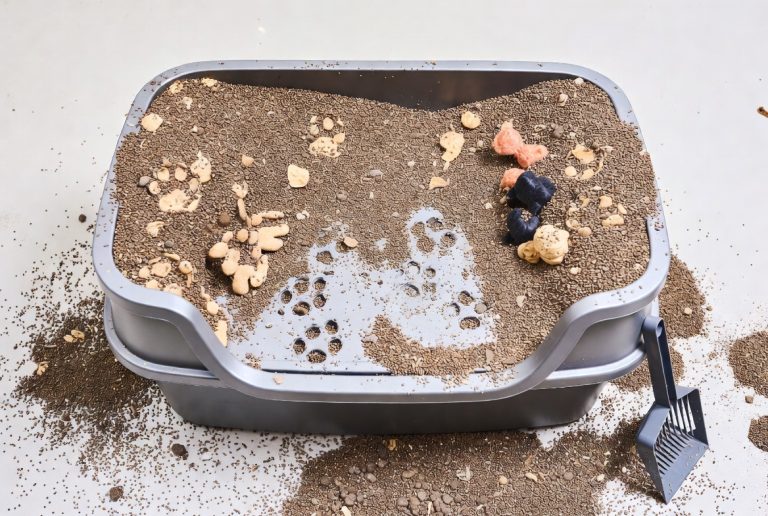
Traditional open boxes are the most common. They’re easy to scoop. They’re easy to deep clean. They need daily scooping and weekly deep cleaning.
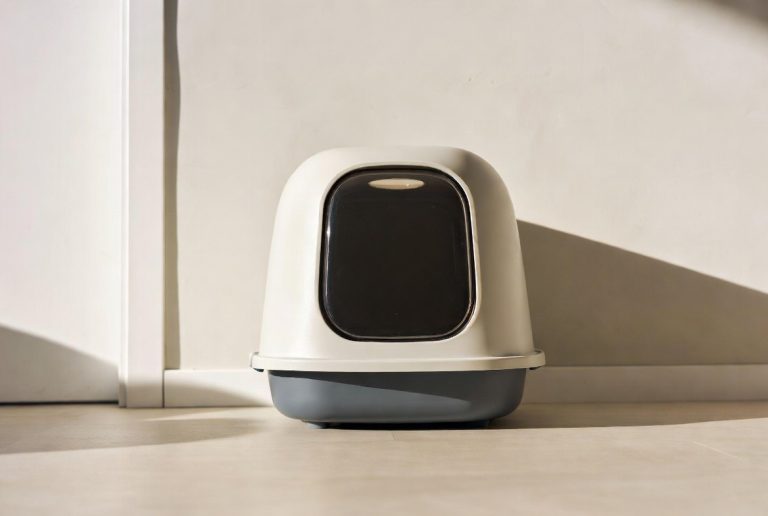
Covered boxes have a hood. They contain odors better. But they’re harder to clean because of the hood. You still need daily scooping. You might need deep cleaning twice a week because odors get trapped inside.
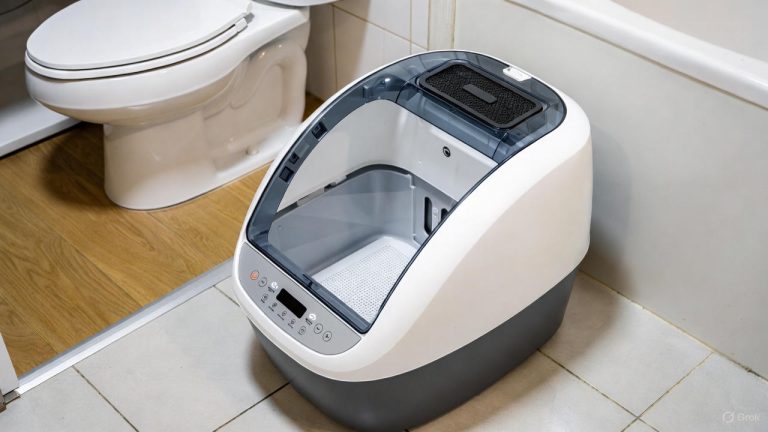
Automatic litter boxes scoop for you. They’re convenient. But they still need deep cleaning. Read the manufacturer’s instructions. Most automatic boxes need deep cleaning every two to three weeks.
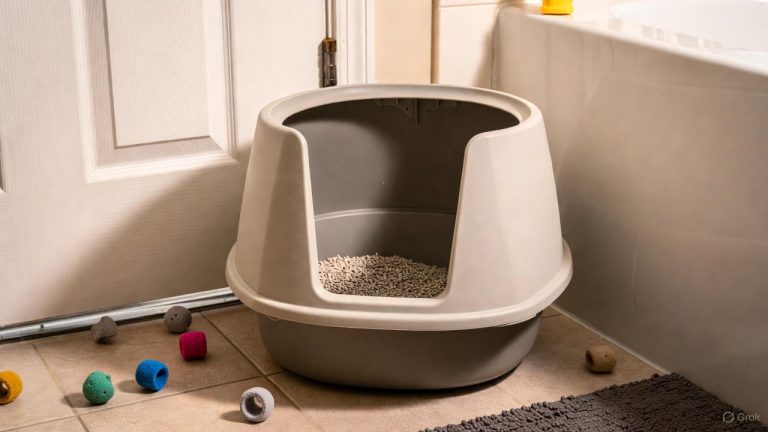
Top-entry boxes are harder to scoop because the opening is on top. But they contain litter scatter better. They still need daily scooping and weekly deep cleaning.
Litter box furniture looks nice in your home. But it can be tricky to clean. Make sure you can access all the corners. Deep cleaning takes longer with these boxes.
No matter which type you choose, daily scooping and regular deep cleaning are essential.
Choosing the Right Litter for Easier Cleaning
The type of litter you use makes a big difference in cleaning frequency.
Clumping litter is the most popular choice. It forms hard clumps around urine. This makes scooping easier and faster. You can remove clumps without removing all the litter.
Non-clumping litter doesn’t form clumps. You have to change all the litter more frequently. This means more work.
Crystal litter absorbs urine without clumping. It lasts longer before needing a full change. Some people find this easier than clumping litter.
Paper-based litter is eco-friendly. It’s dust-free and good for cats with respiratory issues. It absorbs moisture well.
Tofu or plant-based litter is becoming popular. It’s biodegradable and flushable.
For ease of cleaning, clumping litter is usually the best choice. It makes daily scooping quick. It makes deep cleaning less frequent.
Whatever litter you choose, make sure your cat likes it. If your cat doesn’t like the litter, they might avoid the box. Then cleaning frequency doesn’t matter because they’re not using it.
Odor Control and Cleaning Frequency
If odor is a problem, you might need to clean more often.
Odor control isn’t just about cleanliness. It’s also about air circulation and deodorizing products.
Scoop more frequently if odor is strong. Scooping twice daily instead of once can make a big difference.
Add baking soda to the bottom of the box under the litter. Baking soda absorbs odors naturally. Replace it every time you deep clean.
Use enzyme-based litter box cleaners. These break down urine and waste at a chemical level. Regular soap and water don’t do this.
Make sure your litter box is in a well-ventilated area. Good airflow helps odors dissipate.
Place an air purifier near the litter box. This helps capture odors before they spread.
Keep the area around the box clean too. Litter particles and dust escape the box. Sweep or vacuum around the box regularly.
Health Issues That Affect Litter Box Habits
Sometimes cats need cleaner boxes because of health issues.
Urinary tract infections make cats use the box more often. More bathroom visits mean more waste. You need to scoop more frequently.
Kidney disease causes increased urination. Again, more bathroom visits mean more cleaning.
Diabetes can cause more frequent bathroom visits.
Older cats sometimes have accidents near or in the box. They might not make it all the way into the box. Cleaning more often helps manage this.
If you notice your cat using the bathroom more than usual, see a vet. It could be a health problem. But while you’re figuring it out, clean the box more often to keep your cat comfortable.
Litter Box Placement and Cleaning
Where you place the litter box affects how often you should clean it.
Cats prefer litter boxes that are away from their food and water bowls. This is natural. They don’t want to eat and use the bathroom in the same area.
Place the box in a quiet, low-traffic area. Your cat wants privacy.
Make sure the area has good ventilation. This helps with odor control. It also helps the box dry faster after deep cleaning.
Don’t place the box in a hot area. Heat makes urine smell stronger.
If you have a basement, a laundry room, or a spare bathroom, these are great spots. They’re away from the main living area. Odors stay away from you and your guests.
The location doesn’t change how often you need to clean. But a well-placed box in a well-ventilated area might need slightly less frequent deep cleaning because odors disperse better.
Travel and Temporary Absence
What if you’re traveling or away from home?
If you’ll be gone for just one day, your regular cleaning schedule is fine. Scoop before you leave. The box should be okay for 24 hours with one cat.
If you’re gone for two or three days, ask a friend or pet sitter to scoop the box daily. This keeps things fresh.
If you’ll be gone longer, a pet sitter should scoop daily and deep clean if needed.
Automatic litter boxes can help when you travel. They scoop for you. But don’t rely on them to skip your own cleaning. Deep cleaning still needs to happen.
Never leave a cat alone for more than 48 hours. This is cruel and unsafe. Your cat needs food, water, and a clean box.
Environmental Considerations
Litter box cleaning produces waste. Let’s talk about being responsible.
If you use traditional litter, you create trash. Most cat litter ends up in landfills. This is an environmental cost.
Clumping litter is convenient but often not biodegradable. It creates more trash.
If you care about the environment, consider alternatives:
Biodegradable litter breaks down naturally. It can sometimes be composted.
Flushable litter can go down the toilet. But check local regulations first. Some water treatment facilities don’t like litter in the system.
Paper-based litter is renewable. It comes from waste paper products.
Tofu litter is plant-based and compostable.
Whatever litter you choose, dispose of it responsibly. Research local disposal options in your area.
Being environmentally conscious doesn’t mean you clean less. Your cat’s health comes first. But you can choose litter that’s better for the planet while still maintaining good cleaning habits.
Creating a Litter Box Cleaning Schedule
Let’s put this all together into an actual schedule you can follow.
Daily tasks:
- Scoop the litter box at least once per day
- Remove all visible clumps and waste
- Wash your hands after scooping
Weekly tasks:
- Do a deep clean once or twice per week
- Empty all litter
- Wash the entire box
- Add fresh litter
Monthly tasks:
- Replace or deep clean any supplies like the scoop
- Inspect the box for damage
- Consider refreshing baking soda or deodorizers
If you have multiple cats, increase the frequency. Scoop twice daily. Deep clean twice per week.
If your cat has health issues or you notice odor problems, increase frequency again.
Write this schedule down. Put it on your calendar. Set phone reminders if you need to. Building this habit makes cat ownership easier.
Common Litter Box Mistakes to Avoid
Don’t make these mistakes with your litter box cleaning.
Don’t skip daily scooping. This is the biggest mistake. It leads to smell, bacteria buildup, and cats avoiding the box.
Don’t use harsh chemicals to clean. Cats are sensitive. Use cat-safe cleaners or just hot water.
Don’t let the box get damaged or cracked. Cracks trap bacteria and smell. Replace damaged boxes.
Don’t ignore your cat’s preferences. If your cat hates the litter type, they won’t use the box. Try different litters.
Don’t place the box next to the food and water bowls. Cats don’t like this.
Don’t put the box in a hot area. Heat increases odor.
Don’t use scented litter if your cat doesn’t like it. Many cats hate artificial scents.
Don’t procrastinate on deep cleaning. Weekly deep cleaning is non-negotiable.
Avoid these mistakes and you’ll have a happy, healthy cat.
Budget-Friendly Cleaning Tips
You don’t need fancy products to keep a litter box clean.
Hot water and a brush work great for deep cleaning. You don’t need expensive chemical cleaners.
Baking soda is cheap and effective for odor control. It costs just a few dollars.
Use old rags or cloth instead of paper towels. They’re reusable and cheaper.
Buy litter in bulk when it’s on sale. Stock up to save money.
A simple plastic litter box is fine. You don’t need luxury boxes. They all need the same cleaning frequency.
Make your own enzyme cleaner by mixing vinegar and water. This works surprisingly well.
Generic clumping litter is just as good as name brands. It costs less.
Spending less on supplies doesn’t mean cleaning less. Spend money wisely on quality supplies but maintain your cleaning schedule.
The Bottom Line on Litter Box Cleaning Frequency
Here’s what you need to remember about litter box cleaning frequency:
Scoop daily. This is the baseline. Every cat owner should do this.
Deep clean once or twice weekly. This keeps the box healthy and fresh.
Adjust based on how many cats you have. More cats mean more frequent cleaning.
Adjust based on your cat’s health. Some health conditions mean more bathroom visits.
Watch for signs that your cat needs a cleaner box. Accidents outside the box are a big sign.
Choose litter and supplies that make cleaning easier for you.
Make a schedule and stick to it. Consistency matters.
Pay attention to odor and ventilation. These affect health and happiness.
Remember that a clean litter box is not optional. It’s essential to your cat’s health and your home’s cleanliness.
Final Thoughts
Keeping a litter box clean is a big responsibility. But it’s also one of the simplest ways to show your cat you care.
Your cat can’t ask you to clean their box. They can’t communicate that it’s too dirty. But they can show you through their behavior. When the box is clean, your cat is happy, healthy, and well-behaved.
When the box is dirty, your cat might pee on your carpet. They might develop health problems. They might become stressed.
So scoop daily. Deep clean weekly. Watch your cat’s behavior. Adjust as needed.
It doesn’t take much time. Just ten minutes a day of scooping and a little more time once a week for deep cleaning. That’s a small investment for a happy, healthy cat.
Your cat will appreciate it. Your home will smell better. Your cat’s health will improve.
If you’re new to cat ownership, make litter box cleaning your first habit to establish. Get it right from the start. It’s honestly the foundation of good cat care.
Start today. Scoop that box. Set a reminder for tomorrow. Deep clean this week. Your cat is counting on you.
Hi, I’m Mary, the founder of PetGadgetPro.com. I’m a passionate pet lover with a special place in my heart for dogs and cats. I share practical advice and honest insights on pet gear to help pet parents make better choices. My dedicated research team studies products in depth, and our writers create reviews using trusted, authentic sources—so you can feel confident choosing the best for your pets.