Litter Box Mistakes Cat Owners Make
Your cat uses the litter box multiple times every day. It’s one of the most important spots in your home for your feline friend. Yet many cat owners make common mistakes that turn their cats away from the box, leading to accidents around the house and a lot of frustration. The good news? Most of these problems are easy to fix once you know what they are.
Let me walk you through the biggest litter box errors so you can avoid them and keep your cat comfortable and content.
Not Enough Boxes for Multiple Cats
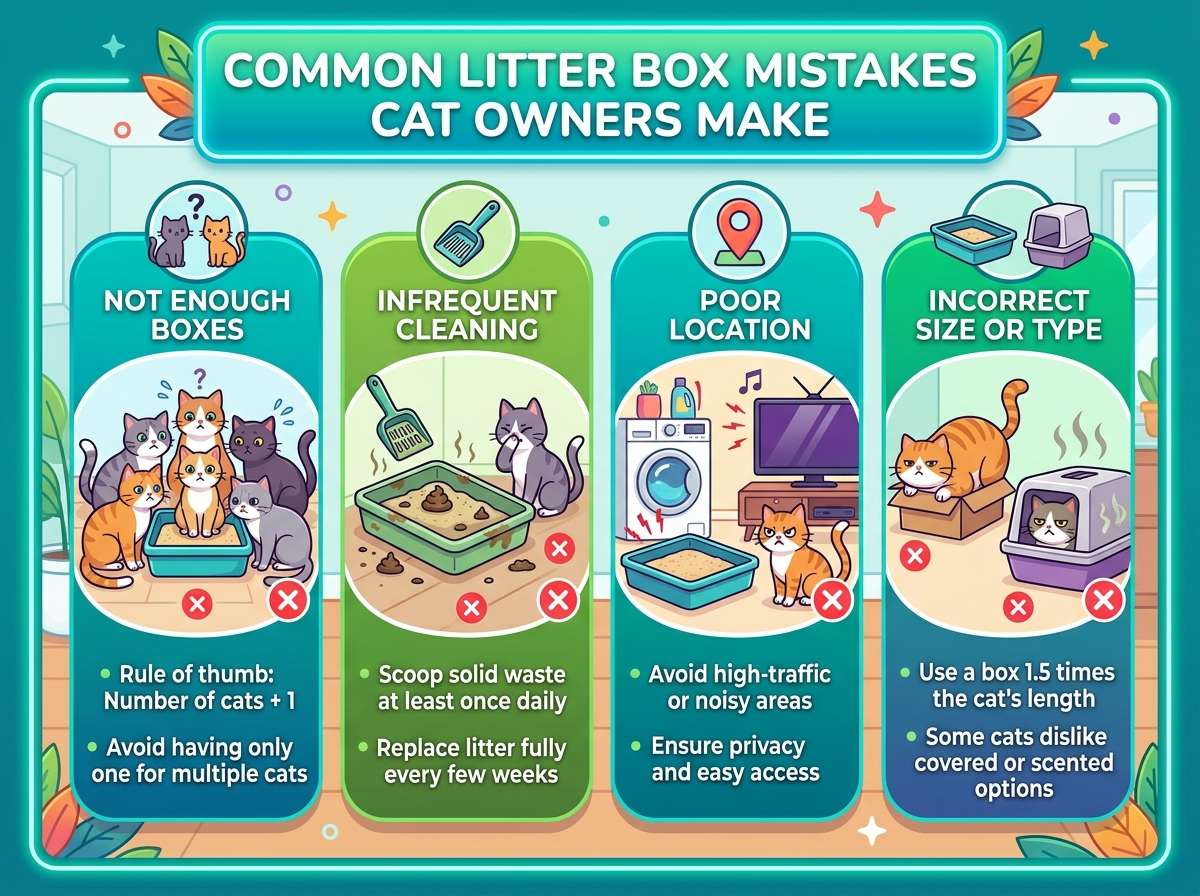
One of the biggest mistakes cat owners make is not providing enough litter boxes. The general rule is simple: you need one box per cat, plus one extra. So if you have two cats, get three boxes. If you have three cats, get four.
Many people think one large box will work for all their cats. This doesn’t work in reality. Cats are territorial animals, and they don’t like sharing their bathroom space. When there aren’t enough boxes, some cats get stressed and may stop using them altogether.
This stress leads to inappropriate elimination outside the box. Your cat might pee on your bed, couch, or clothing. They’re not doing this to be mean or to punish you. They’re simply trying to avoid a stressful situation at the litter box.
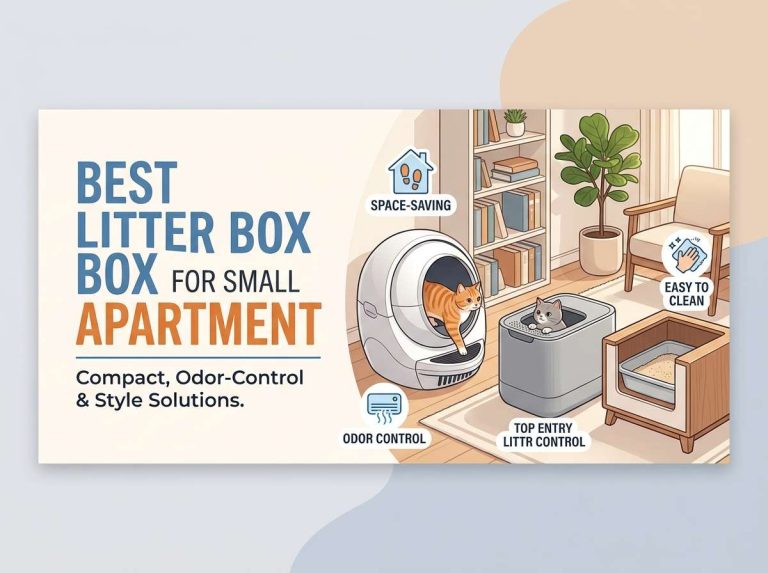
If you live in a smaller space and can’t fit multiple boxes in one room, spread them out. Put boxes in different areas of your home. Having boxes on both levels of a house is smart too. This gives each cat options and reduces tension in your household.
Choosing the Wrong Box Type
The litter box itself matters more than most people realize. Some owners buy tiny boxes because they think cats need small spaces. Actually, the opposite is true. Your cat needs room to move around, dig, and cover their waste comfortably.
A good rule of thumb is that the box should be 1.5 times the length of your cat’s body. If your cat can barely fit inside or has to crouch awkwardly, the box is too small. Cats will avoid boxes that make them feel trapped or uncomfortable.
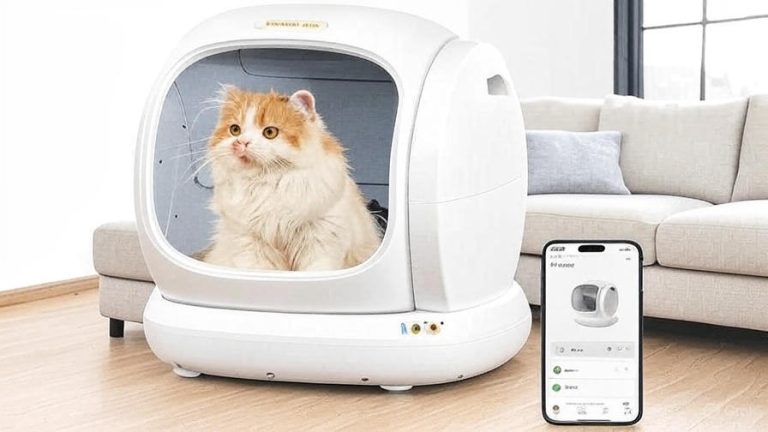
Many cats also dislike covered boxes. Sure, they look nicer in your living room, but your cat often hates them. Covered boxes trap odors inside, and they make your cat feel vulnerable. Your cat can’t see what’s happening around them while they’re in a covered box, which causes stress.
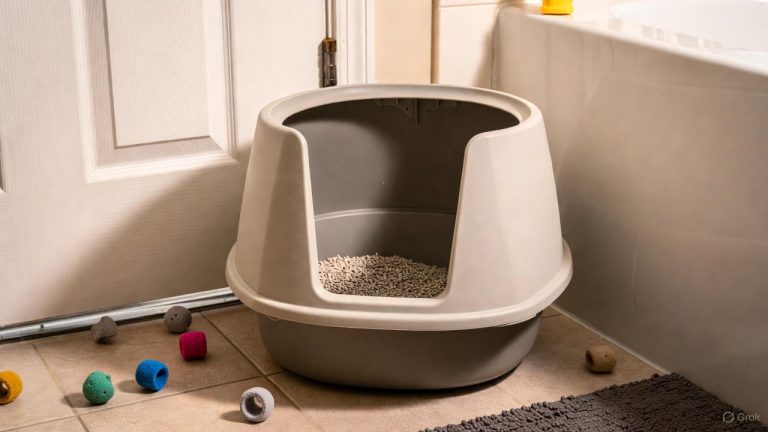
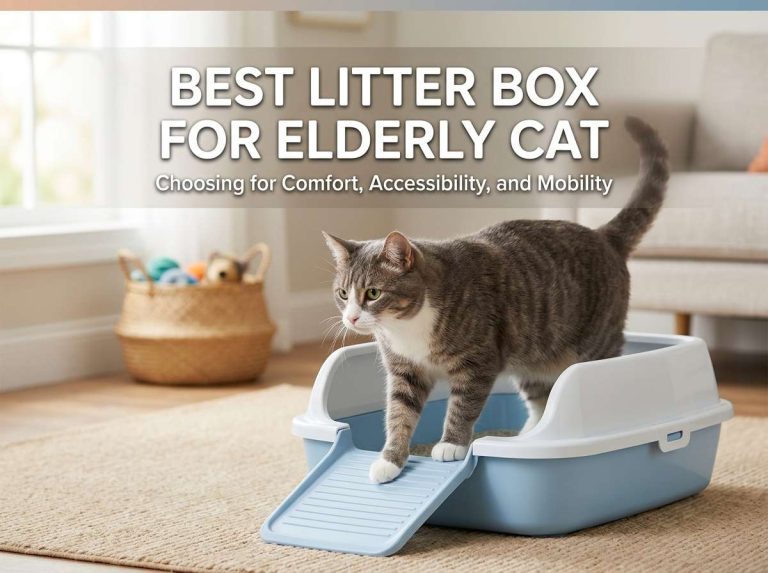
Some cats do better with high-sided boxes if they’re heavy diggers or have digestive issues. Others prefer low-entry boxes if they’re older or dealing with arthritis. Observe your cat’s behavior and choose accordingly.
Litter box size and style directly impact whether your cat will use it. An uncomfortable box is one of the main reasons cats stop using the toilet they should be using.
Skipping Regular Cleaning
This might be the most common mistake of all. Many cat owners clean the box once a week or even less often. This is not enough.
Cats are clean animals with strong instincts about bathroom habits. They don’t want to use a dirty box any more than you would. When the litter gets soiled and smells bad, your cat will look for somewhere else to go.
You should scoop the box at least once a day, and ideally twice a day if you have multiple cats. Scooping removes clumps and solid waste so your cat always has clean litter to use. This simple habit makes a huge difference in whether your cat uses the box consistently.
Besides daily scooping, do a full litter box refresh once a week. Throw out all the old litter and wash the box with mild soap and water. Let it dry completely before adding fresh litter. This removes odors that build up even after regular scooping.
A clean box keeps your cat happy and keeps your home from smelling like cat urine. It’s worth the effort.
Using the Wrong Type of Litter
Not all litters are created equal, and your cat definitely has preferences. Some cats hate certain textures or scents. This can cause them to avoid the box altogether.
Many cat owners use heavily scented litters because they think it will help with odor. The problem is that strong perfumes often repel cats. Their noses are way more sensitive than ours. What smells pleasant to you might smell overwhelming or even unpleasant to your cat.
Try unscented or lightly scented litter instead. Many cats prefer this option. Clay-based litters are traditional and work well for most cats. Some cats like crystal litters, which absorb moisture really well. Others prefer paper-based or pine litters.
The texture matters too. Most cats like fine-grained litter that feels like sand. Some cats hate clumping litter because of how it feels between their paws. Others won’t use non-clumping litter.
The best way to figure out what your cat likes is through trial and error. Try different brands and types. Watch how your cat reacts. Do they use the box eagerly or seem reluctant? Are they spending less time in the box than usual? These signs tell you whether your cat is happy with the current litter.
Also avoid suddenly switching litters without mixing them. If you need to change litter brands, do it gradually over a week or two. Mix increasing amounts of the new litter with the old litter until your cat adjusts.
Bad Litter Box Location
Where you put the box matters just as much as the box itself. Many owners tuck the box in a corner of the laundry room next to the washing machine or dryer. This seems practical, but it’s actually not ideal for your cat.
Cats want privacy when they use the toilet, but they also want escape routes. They don’t want to be trapped or surprised while doing their business. A box in a noisy laundry room near loud appliances stresses your cat out.
Place the box in a quiet, low-traffic area where your cat won’t be interrupted. Away from where the family gathers and away from the cat’s food and water bowls. Cats naturally don’t want to eat and drink right near where they go to the bathroom.
Make sure your cat can reach the box easily at all times. Don’t lock your cat in rooms without a box. Don’t put the box behind furniture where your cat has to squeeze through to reach it. Your cat should have easy, direct access to the box whenever they need it.
In multi-story homes, put at least one box on each floor. Your cat shouldn’t have to run downstairs every time they need to use the toilet. They might not make it in time, especially if they’re older.
If you have outdoor-loving cats, keep a box inside anyway. Never rely entirely on outdoor bathroom habits. Indoor boxes are essential for safety and litter box training success.
Not Addressing Medical Issues
Sometimes litter box avoidance signals a health problem, not a behavioral one. Cats with urinary tract infections, kidney disease, diabetes, or digestive issues may stop using their normal box.
If your cat suddenly stops using the litter box or starts going outside it, take them to the vet. Don’t assume it’s a behavioral problem. Medical issues are common causes of inappropriate elimination.
Your vet can rule out infections, blockages, or other health concerns. Once you know your cat is healthy, then you can focus on fixing any behavioral or environmental issues with the box itself.
Older cats might have difficulty getting in and out of boxes with high sides. They might develop arthritis that makes climbing or crouching painful. Provide low-entry boxes for senior cats.
Kittens are still learning proper litter box habits. They might have accidents while they’re figuring things out. This is normal and not a sign of anything wrong.
Using Litter Box Liners
Many people use plastic liners in their litter boxes to make cleaning easier. This seems smart, but cats often hate them. The plastic feels weird under their paws and moves around when they dig.
Most cats will either avoid the box or pull at the liner while using the box, which defeats the purpose of using one anyway. You end up with torn liners and a messy box.
Skip the liners. Just scoop the box daily and do a full refresh weekly. It takes a few extra minutes without the liner, but your cat will be much happier.
If you really want an easier cleanup option, use a litter box tray underneath to catch spills. Or double up on boxes so you’re always cycling one through the washing machine while the other is in use.
Placing the Box in High-Traffic Areas
Some owners put the litter box in the kitchen or bathroom where the whole family walks past constantly. This disrupts your cat and makes them feel exposed and vulnerable.
Your cat needs privacy and peace while using the box. High-traffic areas create stress, especially if children or other pets are walking by while your cat is mid-use.
Choose a quieter location in a room where foot traffic is light. A spare bedroom, office, or corner of a bedroom works well. The box should be tucked away enough that your cat feels safe and private.
If your home is small and you can’t find a truly quiet spot, at least create a visual barrier. A room divider, tall furniture, or even a cardboard box in front of the litter box can create a sense of privacy for your cat.
Ignoring Stress and Anxiety
Stress causes litter box problems more often than people realize. Moving to a new home, adding a new pet, loud noises, or changes in the household all stress your cat out.
When cats are stressed, they often stop using their litter box properly. They might pee outside the box or avoid it altogether. This is your cat’s way of telling you something is wrong.
Pay attention to your cat’s behavior. Are they hiding more than usual? Less playful? Avoiding the box? These are stress signals. Try to identify what’s causing the stress and fix it if you can.
Provide hiding spots where your cat feels safe. Keep their routine as consistent as possible. Give your cat extra attention and playtime to help them relax. Sometimes just spending more time with your stressed cat helps them feel better.
In some cases, your vet might recommend calming supplements or medications to help your cat through a stressful period. Don’t hesitate to ask about these options.
Using Wrong Cleaning Products
Never use ammonia or strong chemical cleaners on the litter box or areas where your cat had accidents. Ammonia smells like cat urine to your cat’s nose. Using an ammonia-based cleaner makes your cat think that spot is a toilet, encouraging them to go there again.
Instead, use enzymatic cleaners made specifically for pet urine and feces. These break down the actual compounds that cause odors, rather than just masking the smell. Enzymatic cleaners prevent your cat from returning to the same spot.
For the litter box itself, mild soap and water work great. Rinse thoroughly and dry completely before adding fresh litter.
When cleaning accidents in your home, always use enzyme-based cleaners. This removes the scent that tells your cat to use that spot as a toilet.
Not Trying Multiple Solutions
Some owners give up too quickly when their cat stops using the litter box. They try one change and expect immediate results. Real change takes time.
Your cat might need a few weeks to adjust to a new box, new litter, or a new location. Be patient and stick with the changes long enough to see results.
If one solution doesn’t work, try another. Maybe your cat won’t accept the new litter type, but they’ll love the new box location. Maybe the problem is the box size, not the cleanliness. Keep experimenting until you find what works for your specific cat.
Every cat is different. What works for your neighbor’s cat might not work for yours. Stay observant and willing to make adjustments based on your cat’s behavior.
Box Maintenance Issues
Over time, litter boxes get damaged. Plastic gets scratched and holds odors that won’t wash out. Boxes develop cracks where bacteria can hide. These old boxes are gross for your cat and hard to keep clean.
Replace your litter boxes every year or two, depending on condition. A fresh box is easier to keep clean and feels better to your cat.
Also check that the litter box drainage holes aren’t clogged. If urine pools in the bottom because the drainage isn’t working, your cat won’t want to use it. Make sure water drains properly.
The sides of the box should be sturdy and intact. Cats need to feel safe and secure in the box. Damaged boxes don’t provide that security.
Forgetting About Litter Box Depth
The litter needs to be deep enough for your cat to dig and bury their waste properly. Most cats prefer litter that’s about three to four inches deep.
Too little litter and your cat can’t bury their waste effectively. Too much litter and it becomes annoying to dig through. Find the right balance for your cat.
As you scoop daily, you’ll gradually use up some litter. Top it off regularly to maintain the right depth. Do a full refresh and refill during your weekly complete cleaning.
Rushing the Introduction Process
If you’re getting a new cat, don’t just throw them in the room with a litter box and hope for the best. Kittens and newly adopted adult cats need to learn where the box is and how to use it.
Show your new cat the box right away. Place them in it so they know where it is. After meals, playtime, and naps, place them in the box to encourage them to use it at those natural times.
Most cats naturally want to use a litter box, so you don’t have to teach them much. Just show them where it is and they’ll usually figure it out. Be patient as they adjust to their new home.
Not Having Boxes in Multi-Level Homes
In homes with multiple floors, you absolutely need litter boxes on each level. A cat shouldn’t have to run downstairs every time they need to use the toilet.
If your cat is having accidents upstairs, they might not be able to reach the box downstairs in time. Add a box on the upper level and the problem will likely solve itself.
The same goes for very large homes. If the bathroom is far away, your cat might have accidents along the way. Extra boxes in convenient locations prevent this problem.
Final Thoughts on Litter Box Success
Getting litter box issues right makes a huge difference in your life with your cat. A cat that uses the box consistently is happier and healthier. Your home smells better. Your relationship with your cat improves.
Start by evaluating your current setup. Do you have enough boxes? Is the box the right size and type? Is it clean? Is the location quiet and private? Are you using litter your cat likes?
Make one or two changes at a time and observe how your cat responds. Most litter box problems are fixable with small adjustments to your approach.
Your cat is counting on you to provide a comfortable, clean, private toilet area. When you get it right, you’ll see your cat use the box with confidence. That’s when you know you’ve nailed it. Your cat’s good litter box habits are a sign you’re doing a great job as a cat owner.
Take these mistakes seriously and apply the solutions that fit your situation. Your cat will thank you by using the box consistently and staying healthy and happy for many years to come.
Hi, I’m Mary, the founder of PetGadgetPro.com. I’m a passionate pet lover with a special place in my heart for dogs and cats. I share practical advice and honest insights on pet gear to help pet parents make better choices. My dedicated research team studies products in depth, and our writers create reviews using trusted, authentic sources—so you can feel confident choosing the best for your pets.