How Much Litter to Put in a Litter Box?
If you’ve just brought home a cat, you might be staring at your new litter box wondering, “How much cat litter goes in here?” Don’t worry—you’re not alone. Getting the litter depth right is one of those things that seems simple but actually makes a huge difference in your cat’s happiness and your home’s cleanliness.
Why Litter Depth Matters More Than You Think
Your cat didn’t come with an instruction manual about their bathroom preferences. But here’s the thing: cats are picky about their litter boxes, and the amount of litter you use directly affects how they feel about using it.
When you put too little litter in the box, your cat can’t dig properly. Cats love to dig—it’s a natural instinct. They want to cover their waste completely. If the litter is shallow, they get frustrated because their paws hit the bottom of the box too quickly. This frustration can lead to your cat avoiding the litter box altogether, which means accidents around your home.
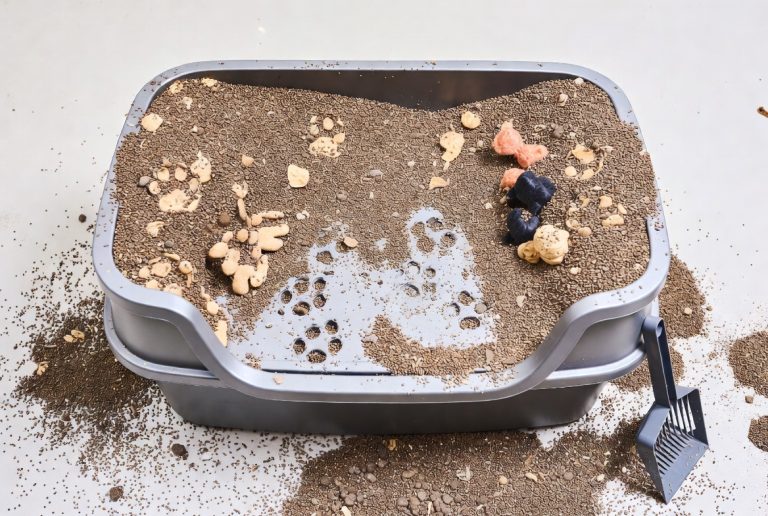
Too much litter, on the other hand, creates different problems. Your cat tracks it all over your house. The litter gets kicked out every time they jump in and out. You’ll spend more money replacing litter constantly. Plus, deeper litter takes longer to dry, which creates odor problems and increases the risk of mold or mildew.
The sweet spot for litter depth helps your cat feel comfortable while keeping cleanup easy for you. Finding this balance is what we’ll explore in this guide.
The Ideal Amount: Two to Three Inches
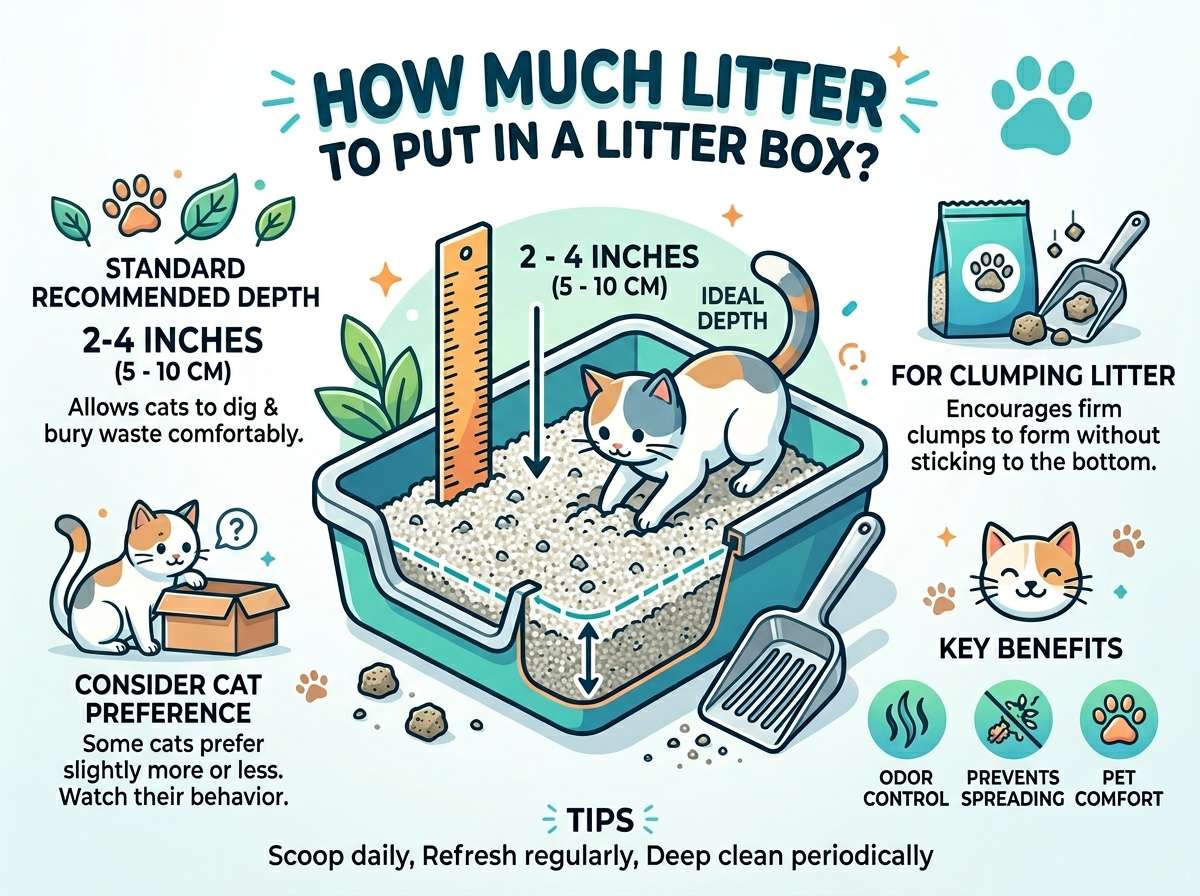
Most cat behavior experts and veterinarians recommend keeping litter depth between two and three inches. This measurement matters because it gives your cat enough material to dig and bury their waste while preventing excessive tracking and waste.
Two inches is the absolute minimum if you want your cat to be able to bury their mess. At this depth, your cat can perform their natural digging behavior without immediately hitting the bottom of the box. It’s enough for them to feel satisfied.
Three inches is the upper limit that still keeps things manageable for you. At this depth, you get good odor control, your cat can dig comfortably, and litter tracking is still reasonable.
Most cat owners find that two and a half inches is the perfect sweet spot. This gives you the benefits of both depths without the downsides of either extreme.
How to Measure Your Litter Box Fill
You don’t need fancy tools to measure litter depth. A simple ruler or measuring tape works perfectly. Here’s how to do it:
Pour your litter into a clean, empty litter box. Let it settle naturally for a minute. Then take your ruler and measure from the bottom of the box to the top surface of the litter. That number is your depth.
Most standard litter boxes are about six to eight inches tall, so filling them to two and a half inches means you’re using roughly one-third of the box’s height.
If you find this method too tedious, you can estimate by eye once you’ve done it a few times. Your hand is actually a decent measuring tool too—place your hand flat on top of the litter, and if your fingers reach about two to three inches below the rim, you’ve got the right amount.
Factors That Change How Much Litter You Need
The recommended two to three inches works for most situations, but some factors might change how much litter you actually use.
Number of Cats
If you have multiple cats sharing one box, you might need to increase the litter depth slightly. Multiple cats mean more urine and waste, which fills up the box faster and can create deeper clumps. A depth of three inches is better for multi-cat households than two inches.
The general rule is one litter box per cat, plus one extra. So if you have three cats, you should have four boxes. With this setup, you can stick with the standard two to three inches in each box.
Litter Type
Different litter formulations hold moisture differently. Clay-based litters absorb and clump well, so two and a half inches usually works great. Crystal litters don’t clump the same way, so you might need to go a bit deeper—closer to three inches—to handle multiple uses before scooping.
Paper-based and pine litters are lighter and more absorbent, meaning you sometimes get away with slightly less depth. Pine litter, for example, performs well at two inches because it’s so effective at odor control.
If you use a mixed approach—like placing a thin layer of one litter type under your main litter—you might adjust the total depth slightly.
Box Size
Larger boxes can sometimes handle a bit more litter depth without creating excessive tracking problems. A bigger surface area means litter doesn’t concentrate in one spot. However, don’t exceed three inches even in large boxes—you’ll run into cost and odor issues.
Smaller boxes benefit from staying toward the two-inch minimum. Smaller surface areas mean litter gets stirred up more easily, so shallower litter still gives your cat what they need.
Your Cat’s Preferences
Here’s something important: every cat is different. Some cats love digging and prefer deeper litter. Others are quick and efficient, using minimal litter before moving on.
Watch how your cat uses the box. If they dig extensively and seem satisfied at two and a half inches, stick with that. If they dig aggressively and seem frustrated, bump it up to three inches. If they’re quick and you’re finding litter all over the place, try dropping it to two inches.
Give your cat at least a few days to adjust to any change in litter depth. Cats notice these things, and they need time to get used to the new feel.
How to Actually Fill a Litter Box Properly
Now that you know how much litter to use, let’s talk about how to fill the box so it works best.
Start with an empty, clean litter box. Pour your litter into the box slowly and let it fall naturally. Don’t pack it down or compress it—this is important. Loose litter allows your cat to dig and bury waste easily. If you compress the litter, it becomes hard and doesn’t move the way your cat wants.
Spread the litter evenly across the bottom of the box. You want the same depth from corner to corner. Uneven depths make your cat uncomfortable because they can’t find their preferred spot.
If you’re using a layer-based approach—for example, putting crystal litter on the bottom and clay on top—still maintain your two to three-inch total depth. Measure to the top of the upper layer.
Make sure the litter comes up at least half an inch below the rim of the box. This gives your cat room to move around and dig without tossing litter everywhere.
Keeping Your Litter Box Fresh Between Scoops
Once you’ve got the right amount of litter in the box, maintaining it properly keeps things fresh and comfortable.
Scoop your litter box at least once daily. When you scoop out clumps, the litter level drops. As soon as you notice the level dropping noticeably, add a small amount of fresh litter to bring it back to your target depth.
Some people add fresh litter every time they scoop. Others add it once a day after the final scoop of the evening. Both approaches work—choose whatever fits your routine.
When you add fresh litter between complete changes, just add enough to bring the level back to two and a half inches. You don’t need to add a full box’s worth every time.
Complete Litter Box Changes: How Often and How Much
Beyond daily scooping, you need to do complete litter changes where you empty the entire box and refill it with fresh litter.
For most single-cat households, once a week is standard. For homes with multiple cats, every three to five days works better. If you notice odor building up, change the litter more frequently.
When you do a complete change, wash the box with warm water and mild soap. Let it dry completely before refilling. Then add your litter to the two to three-inch depth and you’re ready.
Complete changes prevent litter from becoming compacted and stale. They also eliminate bacteria buildup that daily scooping doesn’t address.
Common Mistakes People Make With Litter Depth
Understanding what not to do helps reinforce what you should do.
The Shallow Litter Mistake
Many new cat owners think less is more and use only one inch or less of litter. They think this reduces mess and cost. Instead, it frustrates their cat, leads to box avoidance, and ultimately costs more money in carpet cleaning and behavioral issues. If you’re tempted to go shallow, resist that urge.
The Overfilled Mistake
Some people think more litter equals better odor control. They fill boxes four inches deep or more. This backfires because cats kick out more litter, you track it everywhere, costs skyrocket, and the litter doesn’t dry properly, making odor worse.
The Inconsistent Approach
Cats like routine. Some owners change litter depth randomly depending on how often they scooped that week. Keep your depth consistent. Your cat’s comfort depends on predictability.
The Compacted Litter Mistake
People sometimes pack down litter to make it last longer or stay in the box better. This ruins the whole point of litter. Cats need loose, pliable material. Compacted litter prevents proper digging and leads to box avoidance.
The Dirty Box Mistake
Some owners add new litter on top of old waste without scooping. They think this extends the litter’s life. It doesn’t. Wet litter covered by dry litter stays wet and smelly underneath. Always scoop before adding fresh litter.
Different Litter Types: How They Change Your Approach
Each litter type has properties that might affect how much you use, even if you stick to the two to three-inch range.
Clay-Based Litter
Traditional clay clumping litters are the most common choice. They work excellently at the two and a half-inch depth. Their excellent clumping means you can scoop easily without removing unsoiled litter. Stick with the standard recommendations for clay litter.
Crystal Litter
Crystal silica gel litters don’t clump like clay. Instead, they absorb moisture and suppress odor chemically. For crystal litter, staying at three inches works better because you can’t remove individual clumps. The deeper bed means the litter lasts longer between complete changes.
Paper-Based Litter
Recycled paper litters are absorbent and lightweight. They work at two inches without problems. Some cats actually prefer paper because it’s softer on their paws.
Pine and Wood Litters
Pine and cedar litters are natural and biodegradable. They control odor through the wood’s natural properties. Two inches is usually sufficient because pine is so effective. However, some cats find pine or cedar scent off-putting, so offer it carefully if your cat has been using traditional litter.
Corn and Wheat Litters
Plant-based litters made from corn or wheat are flushable and biodegradable. They perform well at two to two and a half inches. These tend to be lighter, so they track slightly more easily than clay. You might prefer staying at two inches to minimize tracking.
Litter Box Size and Type Considerations
The size and style of your litter box affects how you should fill it.
Standard Litter Boxes
Basic uncovered boxes typically measure fourteen by ten inches and about six inches tall. Two to two and a half inches of litter works perfectly for these standard sizes.
Large or Extra-Large Boxes
Bigger boxes give your cat more space and make litter distribution easier. You can use the full three-inch depth in a large box without excessive tracking. Your cat can find a clean spot more easily in a larger surface area.
Covered or Hooded Boxes
Covered boxes contain litter better and reduce tracking. Because of this containment, you can use three inches safely without litter ending up all over your floor. Some cats prefer covered boxes because they feel more private.
Top-Entry Boxes
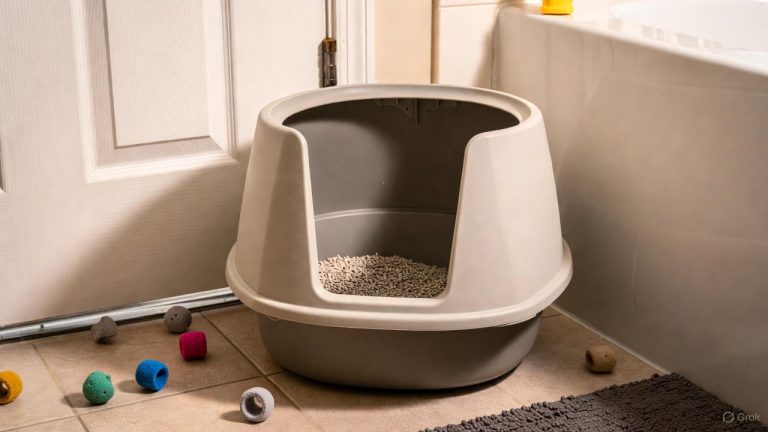
These boxes have an opening on the top instead of the side. The design prevents litter from being kicked out as easily. You can comfortably use three inches in a top-entry box because the unique entrance protects against tracking.
Corner Boxes
Corner triangular boxes fit snugly in room corners and take up less space. Depending on the specific model, they’re often smaller than standard boxes. Check your particular model’s dimensions and aim for two inches to account for the smaller size.
Signs Your Litter Depth Isn’t Right
Your cat will tell you if the litter amount is wrong, if you watch for the signs.
Your Cat Avoids the Box
If your cat suddenly stops using the box, the depth might be the problem. Cats don’t change their bathroom habits without reason. Too-shallow litter is a common culprit.
Excessive Litter Tracking
Finding litter all over your home means your cat is kicking it out. Either your litter is too deep, or your box isn’t tall enough for the amount you’re using. Try reducing depth slightly.
Your Cat Digs Frantically
If your cat digs and digs but seems unsatisfied, the litter is probably too shallow. They want deeper material to work with.
Wet Litter on the Bottom
If the bottom layer stays wet and doesn’t clump properly, your litter might be too deep. Moisture isn’t evaporating, and clumps aren’t forming. Try reducing depth to two inches.
Strong Odor Despite Scooping
Foul smells even with daily scooping might mean your litter isn’t deep enough to absorb all the urine. Try increasing to three inches.
The Cost-Benefit Analysis: More Litter vs. Your Wallet
Budget matters, so let’s talk about cost implications of different litter depths.
Two inches uses less litter per box per change, saving money on litter purchases. However, if your cat avoids a shallow box, you’ll spend money on expensive cleanup and possible litter box furniture. The savings aren’t worth unhappy cats.
Three inches costs more in litter per month, but it gives you reliable performance and a happy cat. The extra cost is usually minimal—maybe five to ten dollars more per month for a single cat.
Balancing these factors, two and a half inches is usually the most cost-effective option. You get good performance without wasting litter, and your cat stays happy.
Complete litter changes cost less with shallower boxes, but scoop daily with consistent depth to make even shallow litter last. Quality matters more than pure quantity here.
Solving Specific Litter Box Problems
Let’s address some specific situations you might face.
Your Cat Has Accidents Outside the Box
First, rule out medical issues with your vet. If your cat is healthy, try increasing litter depth to three inches. Many cats with accidents are actually protesting shallow litter. Give them more material to work with.
Your House Smells Like Cat
Deeper litter helps odor, but scoop more frequently too. Three inches of litter plus daily scooping is the solution. You might also need to change the litter completely more often—every three days instead of weekly.
Your Cat Kicks Litter Everywhere
Try reducing to two inches or consider a covered box. Some cats are natural kickers and need containment. If you have a covered box, you can go back to three inches.
You’re Spending Too Much on Litter
Switch to a different litter type that’s more cost-effective, or slightly reduce depth to two inches. Don’t go below two inches—that creates other problems. Consider bulk buying to get better prices.
Your Litter Box Area Looks Filthy
You might need more frequent scooping, not different litter depth. Daily scooping is essential. If you scoop daily and it still looks bad, the litter depth might be too deep, preventing proper drying between scoops.
Pro Tips for Litter Box Success
Here are some insider tricks that experienced cat owners use.
Use a Litter Box Liner
Some cat owners use plastic liners in their boxes. Liners make cleaning easier, but many cats dislike them because they’re slippery. Test before committing. If you use liners, you still need the same two to three-inch depth.
Try a Litter Scoop Specifically Designed for Your Litter Type
Different scoops work better for different litter types. Clay litters need solid scoops with proper mesh. Crystal litters work with almost any scoop. Getting the right tool makes scooping faster and easier.
Place a Mat Under Your Litter Box
Mats catch litter that escapes the box. They’re not a substitute for proper litter depth, but they reduce the amount of litter you find around your home.
Keep the Litter Box Away from Food and Water
Cats want their bathroom far from their eating area. Place the litter box in a different room if possible. This also keeps litter away from food preparation areas.
Use a Litter Box in Every Major Area of Your Home
Multi-level homes need litter boxes on multiple levels. Your cat shouldn’t have to travel far to reach a box. Each box gets the standard two to three-inch fill.
Notice Your Cat’s Digging Style
Some cats are delicate diggers; others are aggressive excavators. Watch your cat for a few days and adjust litter depth to match their style. Delicate diggers are fine with two inches. Aggressive diggers benefit from three inches.
When to Change Your Litter Depth
Situations change, and your litter depth approach might need to change with them.
If You Add Another Cat
Increase to three inches across all boxes. Multiple cats create more waste, and deeper litter helps manage this better.
If You Switch Litter Types
Some litter types require different depths. When switching, start with the recommended depth for that type and adjust based on your cat’s response.
If Your Cat Ages
Senior cats sometimes have difficulty digging. If your older cat seems to struggle, try shallower litter at two inches. However, if they seem fine, keep your current depth.
If Your Cat’s Health Changes
Cats with digestive issues, kidney problems, or urinary concerns might use the litter box more frequently. Deeper litter at three inches helps manage increased usage.
Final Thoughts: Getting It Right
The question “How much litter should I put in a litter box?” has a simple answer: two to three inches, with two and a half inches being the ideal target for most situations.
But the real answer is a bit more nuanced. The right amount depends on your cat’s preferences, your living situation, the type of litter you use, and your litter box setup. What works perfectly for one household might need tweaking for another.
Start with two and a half inches. Watch how your cat reacts. If they seem frustrated, go up to three. If they kick litter everywhere, try two. Most cats signal their happiness or displeasure pretty clearly if you’re paying attention.
Remember that consistency matters. Whatever depth you choose, keep it consistent. Your cat will adjust to it and feel comfortable.
The investment in getting litter depth right pays dividends in a happy cat, fewer accidents outside the box, better odor control, and a cleaner home overall. It’s one of the simplest adjustments you can make that delivers big results.
Your cat will thank you by actually using their litter box reliably, which is really what every cat owner wants. Happy cats, clean homes, and stress-free litter box management—that’s the goal, and proper litter depth gets you there.
Hi, I’m Mary, the founder of PetGadgetPro.com. I’m a passionate pet lover with a special place in my heart for dogs and cats. I share practical advice and honest insights on pet gear to help pet parents make better choices. My dedicated research team studies products in depth, and our writers create reviews using trusted, authentic sources—so you can feel confident choosing the best for your pets.