How to Train a Kitten to Use a Litter Box?
Bringing a new kitten home is a joyful time! Teaching your little furball how to use a litter box is one of the first big steps. It might seem like a lot, but it is often quite simple. With a few easy tips, your kitten will be a pro at potty training in no time. This guide will walk you through every step to help your kitten learn good habits.
Getting Started: Preparing for Litter Training
Your kitten needs a safe and quiet place to do their business. Think about where you will put the litter box before your new pet arrives. A calm spot helps them feel secure and private when they need to go. This makes them more likely to use the box.
Have all your litter box supplies ready before your kitten comes home. This means you will have a litter box, the right kind of litter, and a scoop. Being prepared makes the training process smooth and stress-free for both of you. You want everything in place for their first day.
A good location for the litter box is important. Find a spot that is easy for your kitten to get to, but also away from noisy areas. It should not be near their food or water bowls. A quiet corner or a bathroom is often a good idea for their potty area.
Picking the Best Litter Box and Litter Type
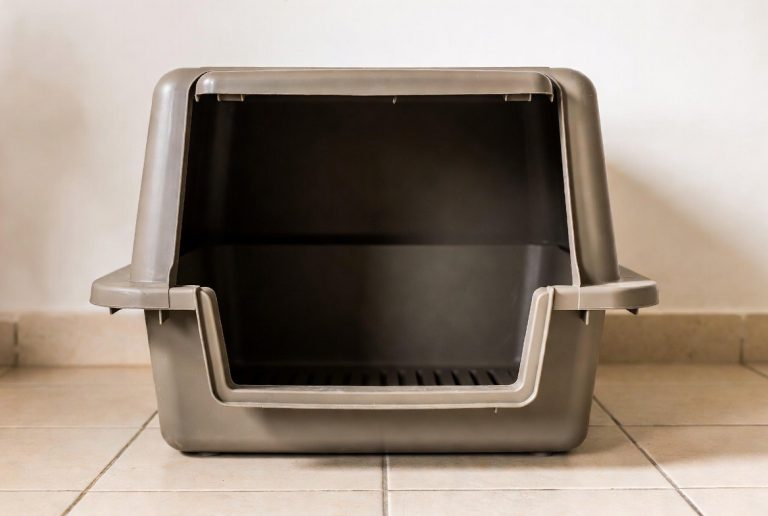
There are many kinds of litter boxes. For a kitten, start with a simple, open box. These are easy for little kittens to climb in and out of. Hooded boxes can be scary or hard to access for tiny paws, so save those for later.
The type of litter matters too. Most kittens prefer soft, unscented clumping litter. Strong smells can put them off. Avoid crystal or very dusty litters at first. A fine, sand-like texture feels natural on their paws and helps with kitten potty training.
Make sure the litter box is the right size for your kitten. It should be big enough for them to turn around comfortably inside. But it also needs low sides so they can step in easily without struggling. A small, shallow tray is perfect for a small kitten.
Introducing Your Kitten to Their New Potty Spot
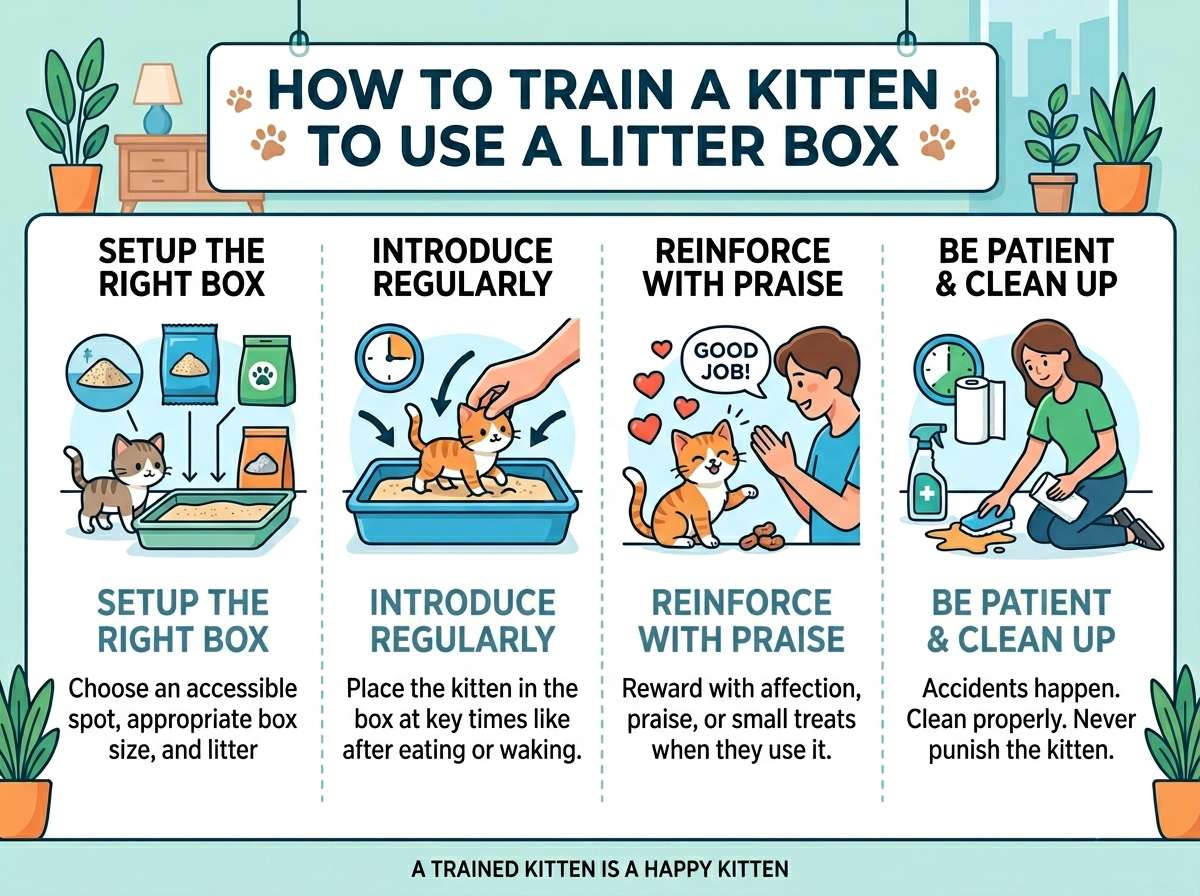
When your kitten first arrives home, gently show them their litter box. Place them inside the box and let them explore. They might sniff around or even dig a little. This helps them get used to the feel and smell of their new toilet.
Do not force them to stay in the box. Just let them get a good look and feel. Many kittens will instinctively know what to do. The goal is to make the litter box a familiar and welcoming place right from the start.
Show your kitten the litter box after they wake up from a nap and after they eat. These are common times when kittens need to relieve themselves. Gently put them in the box during these moments. This helps them connect the box with going potty.
Making the Litter Box a Positive Experience
When your kitten uses the litter box, give them quiet praise. A soft “good job!” or a gentle pat can make a big difference. This positive feedback helps them know they did something right. It builds confidence in their litter box habits.
Never scold or punish your kitten if they have an accident outside the box. This can make them scared of you or even scared of the litter box itself. A scared kitten might hide and go potty in secret spots. Stay calm and positive instead.
A good experience makes your kitten feel safe and happy with their potty area. They will be more likely to use it if they feel good about it. Keep interactions around the litter box light and encouraging. This makes litter box training easier for everyone.
Timing is Key: Placing Your Kitten in the Box
Watch your kitten for signs that they need to go potty. They might start sniffing around, digging on the floor, or squatting. These are clear clues that it is time to visit the litter box. Learning these signs helps a lot with litter training a kitten.
When you see these signs, gently pick up your kitten and place them in the litter box. Do not rush them. Let them take their time and do their business. This helps them connect the feeling of needing to go with the correct place to go.
Always put your kitten in the litter box after they wake up from a nap. Also, place them in the box after they finish eating a meal. These are the most common times for a kitten to need to go. Making this a routine helps them learn quickly.
Handling Accidents Gracefully and Effectively
Accidents will happen, especially at the beginning of kitten potty training. It is a normal part of learning. Do not get upset with your kitten. They are still learning the rules of their new home. Just clean up the mess calmly.
Clean any accidents very well. Use an enzymatic cleaner designed for pet odors. This removes the smell completely. If the smell stays, your kitten might think that spot is a good place to go again. A clean area helps prevent repeat accidents.
If you find a fresh accident, you can gently scoop up a bit of the soiled litter or paper towel. Place it in the litter box. This helps put their scent in the box. It gives them a stronger hint that the box is for potty use.
Consistency and Patience: The Road to Success
Keep doing the same steps every day. A consistent routine helps your kitten learn quickly and remember what to do. Always put them in the box after naps and meals. Always praise them when they use it. This builds strong litter box habits.
Every kitten learns at their own pace. Some pick up litter box training in just a day or two. Others might need a bit more time and gentle reminders. Be patient with your little pet. Do not get discouraged if it takes a while.
A calm and steady approach works best. Your kitten will eventually get it right with your help. Your patience shows them love and trust. This strengthens your bond and makes the training process much smoother for your new family member.
Maintaining a Clean and Inviting Litter Area
Kittens, and cats too, are very clean animals. They do not like to use a dirty litter box. Scoop the litter box at least once a day. If you have more than one cat, or a very active kitten, scooping twice a day is even better.
A dirty litter box can cause your kitten to look for other places to go potty. They might try to use your carpet or a potted plant. Keep the litter fresh and clean to encourage them to always use their box. This is key for good litter box habits.
Change all the litter completely and wash the box often. Use mild soap and warm water to clean the box. Rinse it very well. This keeps the litter area inviting and hygienic for your kitten. A clean box means a happy kitten.
Troubleshooting Common Litter Box Challenges
If your kitten suddenly stops using the litter box, try to find out why. Check if the box is dirty. Is it too small for them now? Did you change the type of litter? Even small changes can sometimes confuse a kitten.
Perhaps your kitten does not like the type of litter you are using. Try a different brand or texture. Some kittens are very particular about how the litter feels on their paws. A new litter type might solve the problem.
Sometimes, a kitten might stop using the box due to stress or illness. If you have tried everything and the problem continues, a visit to the vet is a good idea. They can rule out any health issues that might be causing the litter box problems.
Long-Term Habits: Keeping Your Kitten on Track
Always keep the litter box clean. This is the most important rule for a kitten that uses the box well. A clean box ensures your kitten will continue their good habits throughout their life. It makes them happy and keeps your home clean.
Keep the litter box in a quiet spot that is easy for your cat to get to. Do not move it around a lot once your kitten is used to its location. Consistency in placement helps them always know where to find their potty spot.
Your kitten will grow into a big cat. Their good litter box habits will stay if you keep up with proper care and cleaning. A well-trained cat is a joy to live with. Continue to provide a clean, accessible litter box for a lifetime of happy purrs.
Final Thoughts
Training your kitten to use a litter box is a simple and rewarding process. By following these easy steps, you can help your new friend learn quickly and feel comfortable in their home. Remember to be patient, stay positive, and keep their potty area clean. With a little effort, you will have a well-behaved and happy kitten that knows exactly where to go. Enjoy this special time with your new family member!
Hi, I’m Mary, the founder of PetGadgetPro.com. I’m a passionate pet lover with a special place in my heart for dogs and cats. I share practical advice and honest insights on pet gear to help pet parents make better choices. My dedicated research team studies products in depth, and our writers create reviews using trusted, authentic sources—so you can feel confident choosing the best for your pets.