How to Choose the Right Dog Collar?
Your dog’s collar is more than just a fashion statement. It’s a critical piece of gear that keeps your pup safe, helps with training, and makes sure they can always come home. But walk into a pet store, and you’ll see hundreds of options. Leather collars, nylon collars, harnesses, martingale collars, choke chains—the list goes on. So how do you know which one is right for your furry friend?
That’s exactly what we’re going to talk about in this guide. By the end of this article, you’ll know everything you need to make a smart decision about your dog’s collar.
Why Your Dog Needs the Right Collar
Let’s start with the basics. Your dog’s collar serves several important jobs. First, it holds an ID tag and a license tag. If your dog ever gets lost, that collar could be the difference between reunion and heartbreak. Second, the collar is where you attach a leash for walks and training. Third, some collars help with specific training needs or behavior management.
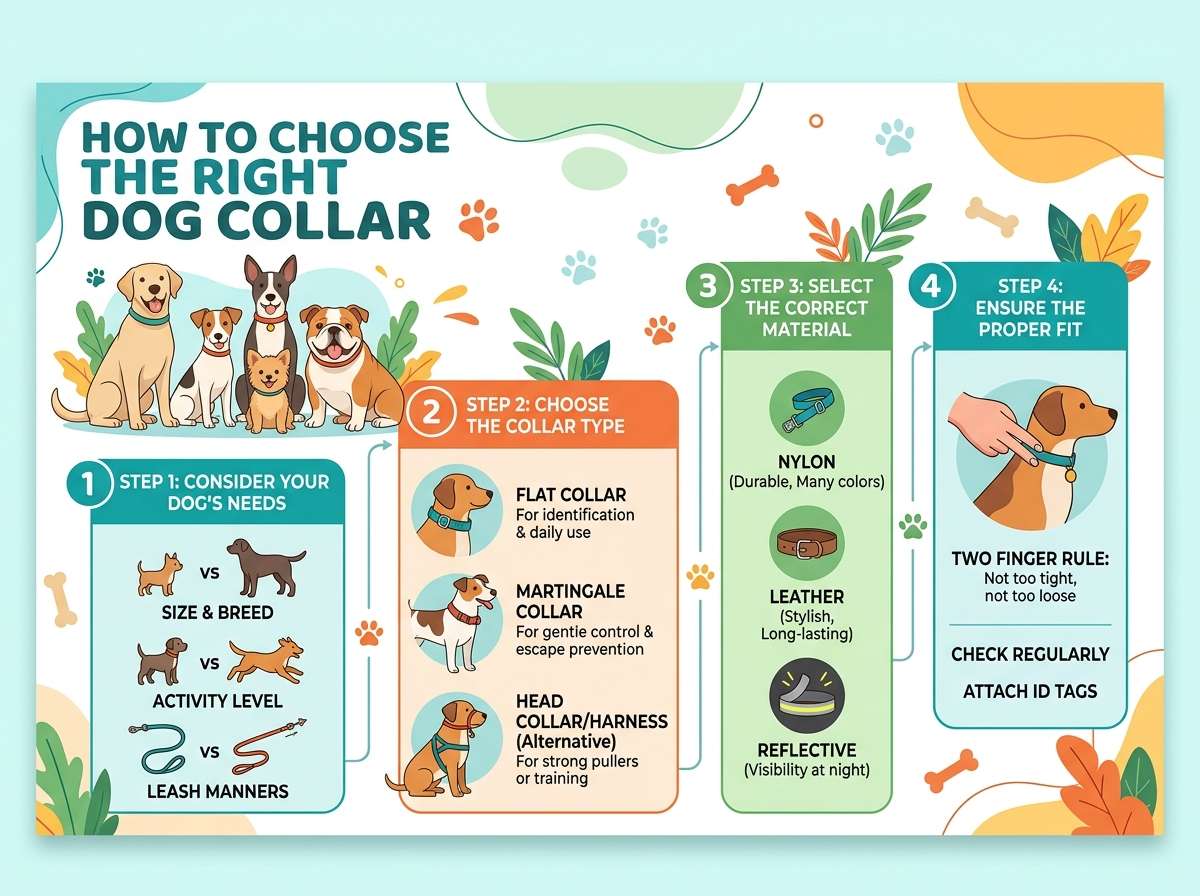
But here’s the thing—not every collar is right for every dog. A collar that works great for a 200-pound Great Dane might choke a tiny Chihuahua. A collar perfect for training a stubborn puppy might be too harsh for a sensitive rescue dog. Getting the right fit and type makes your walks safer, more enjoyable, and more effective.
Understanding Your Dog’s Unique Needs
Before you even look at collars, think about your dog. What size are they? How much do they weigh? Are they a puller, or do they walk nicely on a leash? Do they have any neck issues or health concerns? Are they a rescue dog who might be sensitive to certain collar types?
These questions matter because they help you narrow down what will actually work for your dog. A Husky who pulls constantly needs something different from a trained Golden Retriever who walks like a dream. An anxious rescue dog might need a gentler approach than a high-energy puppy.
Take a moment and really think about your dog’s personality, size, and behavior. This is your foundation for making the right choice.
Measure Your Dog’s Neck Properly
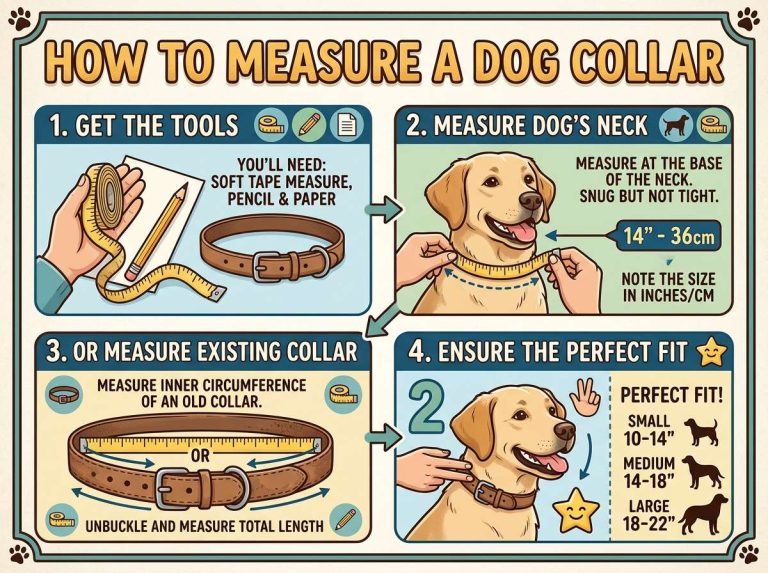
This step is so simple but so important. A collar that’s too tight will choke your dog. One that’s too loose will slip off. So you need to measure correctly.
Use a soft measuring tape or even a piece of string (then measure the string). Wrap it gently around your dog’s neck. You should be able to fit two fingers under the tape. Not one finger—that’s too tight. Not three or four—that’s too loose. Just two fingers. That’s your magic number.
Once you know the measurement, add about an inch to that number for comfort. This is the collar size you’re looking for. If your dog is still growing, remember that you might need to adjust size over time.
Standard Nylon and Leather Collars
Let’s talk about the classic options: nylon collars and leather collars. These are the basic dog collars you see everywhere.
Nylon collars are affordable, come in tons of colors and patterns, and are super easy to clean. You can throw them in the washing machine or just rinse them with a hose. They’re durable and work for most dogs. The downside? They can fray over time, and they don’t have the classic look of leather.
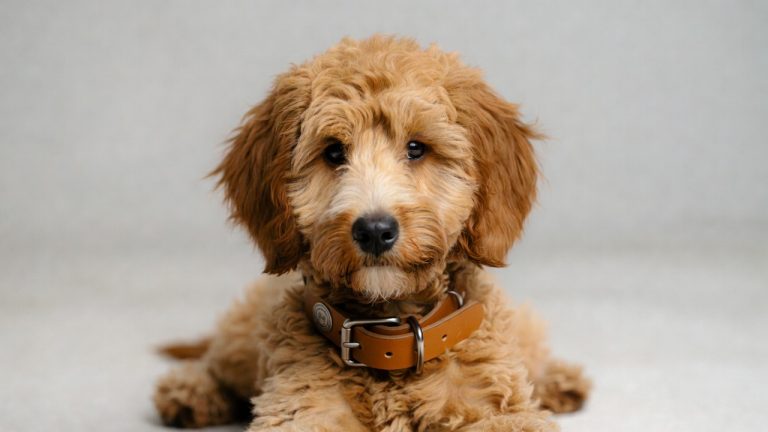
Leather collars are beautiful. They look professional, they feel nice, and they last a long time if you take care of them. They’re great for dogs with sensitive skin since leather is a natural material. The problems with leather? They cost more money, they need regular conditioning to stay soft, and they can get smelly if your dog spends a lot of time in water.
Neither of these options is “better”—they’re just different. Pick based on your lifestyle, your budget, and your dog’s needs. If your dog loves swimming, nylon might be the way to go. If you want something that looks fancy for special occasions, leather could be your choice.
Martingale Collars for Dogs Who Slip
Some dogs are escape artists. They have narrow heads and can slip right out of a regular collar. This is where martingale collars shine.
A martingale collar has a special design. When your dog pulls, the collar tightens just enough to prevent slipping, but it never truly chokes. Once the pulling stops, the collar loosens again. They’re great for dogs like Greyhounds, Whippets, and other sight hounds who have those slim necks.
The key thing to remember is that a martingale is a training tool. It’s not meant to be worn 24/7, and it shouldn’t be left on during unsupervised playtime. You’ll want to supervise your dog while wearing one, especially if they’re playing with other dogs who might grab or pull at their neck.
Martingale collars work wonderfully for pulling problems without the harshness of some other options. If you have a dog who slips regular collars, this is worth trying.
Harnesses: An Alternative to Collars
Here’s an important distinction: harnesses are not collars, but many dog owners use them instead of collars.
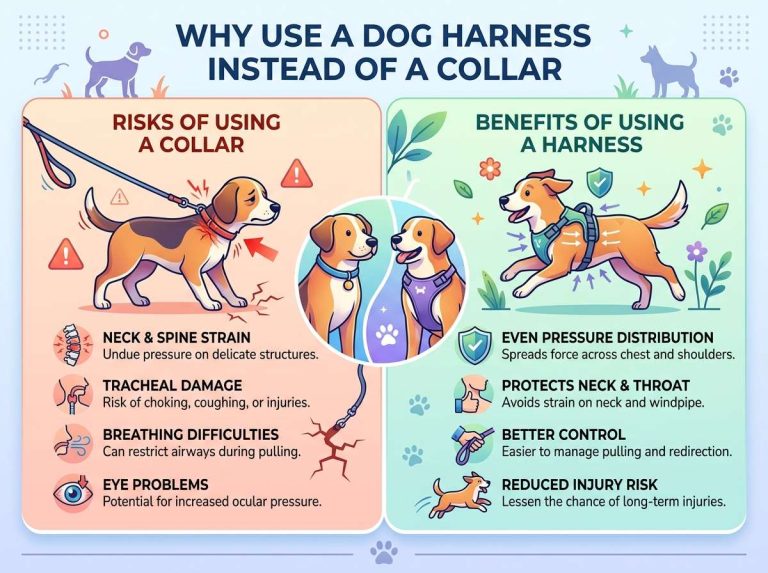
A harness goes around your dog’s body, usually wrapping around the chest and back. This design means the leash pull is distributed across their body instead of concentrated on their neck. For dogs with neck sensitivity, breathing problems, or tracheal collapse, a harness is often the safer choice.
Harnesses are also amazing for training and control. Dogs generally can’t slip out of a well-fitting harness. They give you better control when your dog pulls. Front-clip harnesses actually discourage pulling because they turn your dog toward you when they try to lunge forward.
The downsides of harnesses? They’re bulkier than collars, and they’re harder to put on. Some dogs need time to get used to the feeling. They also don’t hold ID tags as easily as a collar does.
Many dog owners end up using both—a lightweight collar for ID tags and a harness for walks and training. This approach gives you the best of both worlds.
Retractable Leashes and Adjustable Collars
Retractable leashes are those fancy extending leashes where the line comes out and retracts into a handle. Some people love them. Others won’t use them. Here’s the thing: retractable leashes don’t change what collar you need, but they do affect how much control you have.
With a retractable leash, your dog can be at the end of a 26-foot line. That means less control in emergency situations. If a car is coming or another dog runs up, you might not be able to get your dog back fast enough. Because of this, retractable leashes work best for dogs who have solid recall and are well-trained.
On the collar side, adjustable collars are a game-changer for growing puppies. Instead of buying a new collar every few months, you can adjust the one you have. This saves money and is better for the environment.
Specialty Collars for Specific Situations
The dog world has created specialty collars for all kinds of situations.
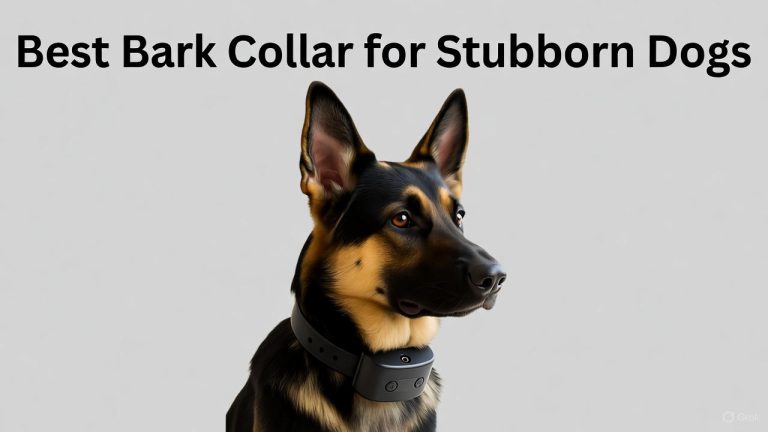
Shock collars (also called electric collars) use small electrical pulses to train dogs. These are controversial and banned in some places. Many trainers and veterinarians recommend against them because they can cause fear and anxiety. If you’re considering a shock collar, talk to a certified professional trainer first.
Prong collars have metal points that dig into your dog’s neck when pulled. They can be effective for training strong, stubborn dogs, but they’re also potentially harmful. They can cause injury and fear. Most modern trainers recommend positive reinforcement methods instead of prong collars.
Pinch collars work similarly to prong collars and have the same concerns.
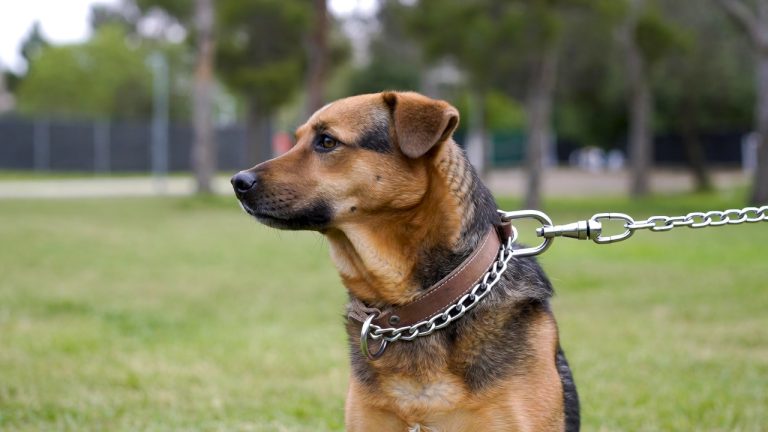
Choke chains are metal links that tighten around the neck. Again, they work by creating discomfort or pain. They can damage the trachea, cause neck injuries, and create fear. Most professionals recommend avoiding them.
Here’s the bottom line: tools that rely on pain or fear might work short-term, but they don’t build a trusting relationship with your dog. Positive training methods are usually more effective and always better for your dog’s mental and physical health.
Comfort and Padding Features
Your dog wears their collar all day, every day. Comfort matters more than you might think.
Padded collars are great because they reduce pressure on the neck and distribute weight more evenly. If your dog has sensitive skin or a sensitive neck, padding can make a huge difference. Some padded collars are made with neoprene, which is soft and comfortable.
For dogs who wear their collars during outdoor activities like hiking or swimming, water-resistant padding is a smart choice. It dries quickly and doesn’t stay wet against their skin.
If your dog has a history of neck issues, anxiety, or sensitivity, padding is worth the investment.
Reflective and Safety Features
Safety doesn’t stop at making sure your dog doesn’t slip. It also means making sure your dog can be seen.
Reflective collars shine when headlights hit them. This is huge if your dog wears their collar during walks at dawn, dusk, or night. Many dogs get hit by cars because drivers simply didn’t see them. Reflective materials can prevent tragedy.
Light-up collars are becoming more popular. Some are LED collars that glow continuously. Others have rechargeable lights built in. These make your dog visible from 100 feet away or more.
If you take your dog out in low-light conditions, reflective or light-up features could save their life.
Age-Appropriate Choices
Your dog’s age matters when picking a collar.
Puppies need collars that are smaller and lighter. Their necks are delicate, and heavy collars can cause discomfort. Adjustable collars are perfect for puppies because you can make them bigger as your pup grows. You should also avoid harsh training collars on puppies. Their necks are still developing, and harsh tools can cause permanent damage.
Adult dogs have more flexibility. You can use most collar types, though you still want to make sure it fits properly and isn’t too heavy.
Senior dogs sometimes benefit from padded collars because they might have arthritis or neck sensitivity. Keeping the pressure even and comfortable matters as they age.
Matching Your Collar to Your Training Style
Your training approach should influence your collar choice.
If you use positive reinforcement training (which most modern trainers recommend), you don’t need anything fancy. A simple, comfortable collar works great. Positive reinforcement means rewarding the behavior you want instead of punishing the behavior you don’t want. This approach builds confidence and trust.
If you’re working with a professional trainer, ask them what they recommend. They know your dog and can give specific advice.
Avoid training collars that rely on pain, pinch, or shock unless a certified professional recommends it and your veterinarian approves. Even then, know that there are usually better alternatives.
Style and Aesthetics Matter Too
Okay, let’s be real. Your dog’s collar is something you’ll see every single day. It’s okay to want it to look nice.
Modern dog collars come in every color, pattern, and material you can imagine. Neon colors, camouflage, stripes, solids, fabrics with designs—the options are endless. If you like a pretty collar that also works great, absolutely go for it.
Just remember that function comes first. A beautiful collar that doesn’t fit right or isn’t safe for your dog is not the right choice. But when you can find something that looks good AND works great? That’s a win.
Budget Considerations
Good collars range from around $10 to over $100. So what should you spend?
A basic nylon collar costs $10-25 and works fine for most dogs. If you want something nicer, expect to spend $30-60. Premium or specialized collars might run $70-150.
Here’s what matters: durability and fit. A cheap collar that breaks after three months isn’t really a good deal. A quality collar that lasts for years is actually the better value.
Also remember that if you have multiple dogs, you might want collars for different situations. Maybe a lightweight collar for everyday wear and a harness for training or hiking. This is totally fine and actually pretty common.
Making Your Final Decision
Okay, you’ve learned about all the options. How do you actually decide?
Start by listing what matters for your specific dog. Size? Check. Pulling behavior? Check. Sensitivity? Check. Will they swim a lot? Climate? Daily activities? Write it down.
Then figure out which collar types fit those needs. A strong, large dog who pulls might need a harness. A small dog with a sensitive neck might need a padded collar. An escape artist needs a martingale.
After you narrow it down to maybe three options, think about your budget. Can you afford the best option, or do you need something more affordable? Both choices are fine.
Finally, get the right size and give it a try. If it’s not working, don’t be afraid to switch. You might need to try a couple different options before you find your dog’s perfect collar.
Common Mistakes to Avoid
Let’s talk about what NOT to do.
Don’t buy a collar without measuring your dog first. You might guess wrong, and a poor fit creates real problems.
Don’t assume that all dogs need the same collar type. Your cousin’s dog might love their collar, but that doesn’t mean your dog will. Every dog is unique.
Don’t leave a collar on your dog unsupervised if they’re playing with other dogs. A playful dog might grab another dog’s collar, and that can be dangerous.
Don’t use a harsh training collar if you haven’t talked to a professional. These tools can backfire and create behavioral problems.
Don’t ignore comfort. Your dog wears this thing all the time. Make sure it actually feels good.
Caring for Your Dog’s Collar
Once you’ve picked the right collar, take care of it.
Nylon collars should be rinsed regularly, especially if your dog gets dirty or wet. You can wash them in a sink or tub. Let them air dry.
Leather collars need regular conditioning to stay soft and supple. Use a leather conditioner made for dog gear. This keeps the material from cracking.
Remove the collar regularly to check for irritation or hair loss. If you see redness or bald spots, that’s a sign something isn’t working right.
Inspect the collar regularly for damage. If the material is fraying, if there are cracks, or if it’s breaking, replace it. A broken collar could mean a lost dog.
Special Considerations for Different Breeds
Different breeds sometimes have different needs.
Flat-faced breeds like Bulldogs and Pugs can have breathing issues, so a harness is often better than a collar that puts pressure on the neck.
Large breeds like Great Danes and Mastiffs need strong, well-made collars that can handle their weight and strength.
Small breeds like Chihuahuas and Toy Poodles need lightweight collars that don’t create neck strain.
Sight hounds like Greyhounds and Whippets have those slender necks, so martingale collars often work better than regular ones.
Water dogs like Labs and Golden Retrievers might appreciate water-resistant options if they’ll be getting wet regularly.
Brachycephalic (flat-faced) breeds benefit from harnesses to reduce respiratory stress.
Combining Collars and Harnesses
Many dog owners actually use both. Here’s why: the collar holds the ID tags that keep your dog safe if lost, and the harness provides control and safety during walks and training.
This combination approach works really well. Your dog has constant identification, and you have excellent control and safety during activities.
Working With a Professional
If you’re feeling confused or overwhelmed, that’s completely normal. Consider talking to a professional.
Your veterinarian can help if your dog has health concerns like tracheal collapse or breathing issues. They can recommend collar types that won’t aggravate those conditions.
A certified professional dog trainer can help with training and behavioral issues. They can recommend tools and equipment that match your training style and your dog’s personality.
A good pet store employee might also have helpful suggestions based on what they see other dogs using successfully.
There’s no shame in asking for help. These professionals deal with thousands of dogs and can give you insights from real experience.
The Bottom Line
Choosing the right dog collar doesn’t have to be stressful. Focus on these key points:
Measure your dog’s neck carefully. Know their size, weight, and personality. Think about their specific needs and any health concerns. Decide between a collar and harness or use both. Prioritize fit, comfort, and safety. Pick a style that works for your lifestyle and budget. Don’t use harsh tools unless a professional recommends them and your vet approves.
Your dog depends on you to keep them safe, and the right collar is part of that safety. Take your time, do your research, and trust your instincts about what’s best for your pup.
Final Thoughts
Your dog is part of your family. They go on adventures with you, curl up on the couch, and give you unconditional love. They deserve gear that keeps them safe and comfortable.
The perfect collar is out there. It might take a little bit of looking, trying, and adjusting. But once you find it, you’ll know. Your dog will be more comfortable, walks will be easier, and you’ll have the peace of mind that comes from knowing your pup is wearing something safe, secure, and right for them.
Now get out there and find your furry friend the perfect collar!
Hi, I’m Mary, the founder of PetGadgetPro.com. I’m a passionate pet lover with a special place in my heart for dogs and cats. I share practical advice and honest insights on pet gear to help pet parents make better choices. My dedicated research team studies products in depth, and our writers create reviews using trusted, authentic sources—so you can feel confident choosing the best for your pets.