Leather vs Nylon Dog Collars
When you’re looking for a new collar for your dog, it’s easy to feel a bit overwhelmed. There are so many choices out there! Two of the most popular types you’ll see are leather and nylon. Both have their good points and some things that might not be so great. We’re going to walk through all the details so you can figure out which one is the best fit for your best buddy.
Think about what your dog does every day. Does he love to splash in puddles? Is she a champion napper? Do they pull a lot on the leash? All these little things can help you decide between a tough leather collar and a strong nylon one. It’s not just about how they look, but also how they feel and how long they’ll last.
We’ll dive into what makes each type special, from how they’re made to how you take care of them. By the end, you’ll have a really good idea of which collar will make both you and your dog happy.
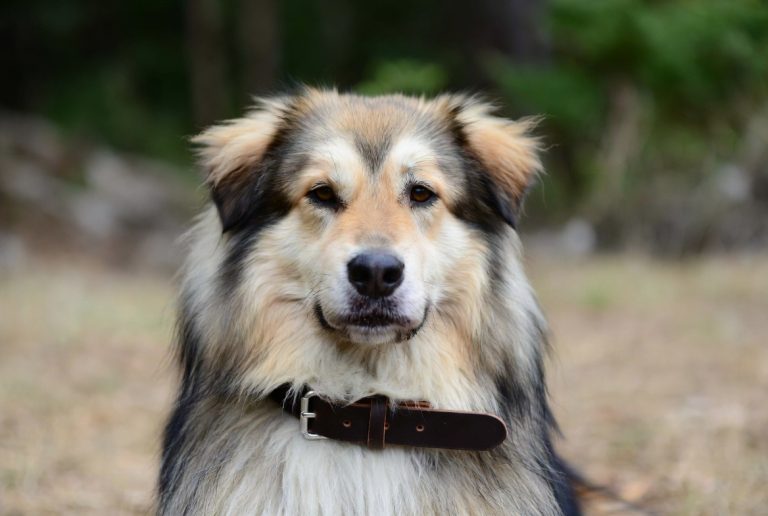
Getting to Know Leather Dog Collars
Leather has been around for ages for all sorts of things, and dog collars are no different. It’s a classic material that looks good and often feels good too. Let’s explore why many people love leather for their canine companions.
What Makes Leather Special?
Leather comes from animal hides, usually cowhide. It goes through a process called tanning to make it durable and stop it from breaking down. There are different kinds of leather, and each one has its own feel and look.
You often find full-grain leather, which is the strongest kind. It keeps all the natural grain of the hide. There’s also top-grain leather, which is a bit thinner as some layers are sanded off. Then there’s bonded leather, which is made from scraps glued together – it’s not as strong or long-lasting as the other two. For a dog collar, you usually want something tough, so full-grain or top-grain are often the best choices.
The natural look of leather is one of its big draws. It has a rich, warm appearance that improves with age. Over time, it gets a unique shine, called a patina, which makes it even more special. This makes each leather collar one-of-a-kind.
The Good Sides of Leather Collars
There are several strong reasons to pick a leather collar for your dog. For many dog owners, these benefits really stand out.
Comfort and Feel
Many people say leather collars are super comfortable for dogs. When they’re new, they might feel a little stiff. But give them some time! With wear, leather softens up and molds to your dog’s neck. It becomes like a custom fit, which can prevent rubbing and irritation – especially important for dogs with sensitive skin.
Because it’s a natural material, leather can feel breathable. This means it allows some air flow, which can be nice for your dog, especially in warmer weather. It doesn’t tend to trap heat the way some synthetic materials might.
Durability and Strength
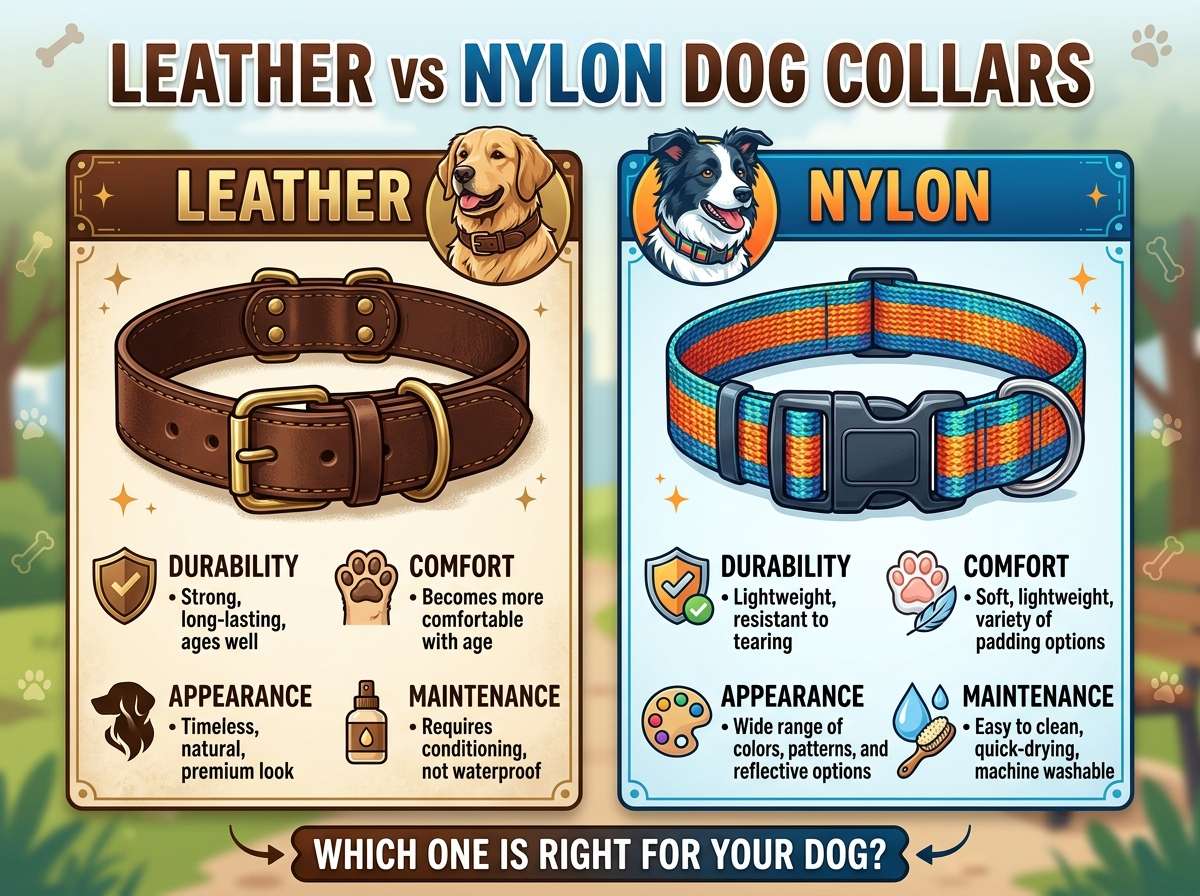
Good quality leather is incredibly strong. It can stand up to a lot of pulling and tugging, which is great if you have a dog that likes to lead the way on walks. A well-made leather collar can last for many, many years, sometimes even a dog’s entire life, if you take good care of it. This long lifespan means you won’t be buying new collars all the time.
Its toughness also makes it a reliable choice for holding ID tags and leashes securely. You can feel confident that the collar won’t snap under pressure during everyday use.
Classic Style
Let’s be honest, leather just looks good. It has a timeless, classic appeal that never goes out of fashion. Whether your dog is a big powerful breed or a small charming one, a leather collar often adds a touch of simple elegance.
You can find leather collars in different shades of brown, black, and sometimes even dyed colors. Some have fancy stitching or cool metal hardware, adding to their overall look. It’s a stylish choice that many prefer for its traditional charm.
Things to Consider About Leather Collars
While leather collars offer many benefits, there are a few things you should keep in mind before you buy one.
Care and Maintenance
Leather needs a little bit of love to stay in top shape. It’s not a “set it and forget it” kind of material. You’ll need to clean it every now and then with a damp cloth and maybe some mild soap. After cleaning, it’s really important to let it dry completely and then apply a leather conditioner. This conditioner keeps the leather soft and stops it from drying out, cracking, or becoming brittle.
If a leather collar gets really wet, like after a swim or a rainy walk, you need to dry it properly. Don’t put it in direct sunlight or use a hairdryer, as this can damage the leather. Just let it air dry away from heat sources. This bit of upkeep is essential for its longevity.
Cost
Generally, leather collars can cost a bit more upfront than nylon collars. This is because the raw material is often more expensive, and the process of making a good quality leather collar can be more involved. While it’s an investment, many owners feel the durability and classic look make it worth the extra money in the long run.
Water and Smell
Here’s where leather can have a little trouble. If a leather collar gets wet a lot and isn’t dried properly, it can start to weaken over time. It might even develop a smell, especially if moisture gets trapped. This can be a concern if your dog loves to swim, play in the rain, or spends a lot of time in wet environments. Bacteria and mold can grow if it stays damp for too long, leading to unpleasant odors.
Leather isn’t ideal for dogs that are constantly getting soaked. If your dog is a water lover, you might need to clean and condition the collar more often, or consider a different material for those wet adventures.
Getting to Know Nylon Dog Collars
Nylon collars are probably the most common type you’ll see out there. They are super popular for many good reasons. Let’s take a closer look at what makes nylon a go-to choice for so many dog owners.
What Makes Nylon Special?
Nylon is a synthetic fabric, meaning it’s man-made. It’s often woven into strong straps or webbing. Because it’s manufactured, it can come in an incredible variety of colors and patterns. It’s known for being tough and versatile.
The way nylon is made means it’s very consistent in its strength and texture. It doesn’t have the natural variations that leather does. This consistency makes it a reliable material for everyday dog gear.
The Good Sides of Nylon Collars
Nylon collars come with a whole list of advantages that make them a favorite for many pet parents.
Affordability and Availability
One of the biggest reasons people love nylon collars is their price. They are usually much less expensive than leather collars, making them a great option if you’re on a budget. Because they’re so affordable, you can even buy a few different ones without breaking the bank.
They are also incredibly easy to find. You can walk into almost any pet store, big or small, and find a huge selection of nylon collars. This widespread availability means you’ll always have options.
Easy to Clean
Nylon collars are super easy to keep clean. Most of the time, all you need is some warm water and a bit of dish soap. You can scrub off dirt and grime, rinse it thoroughly, and then just let it air dry. They dry pretty quickly, too, which is very convenient.
This easy maintenance means you don’t have to worry too much if your dog rolls in something messy or splashes through puddles. A quick wash often makes them look as good as new.
Water-Friendly
This is where nylon really shines for active dogs. Nylon is naturally water-resistant and doesn’t absorb water like leather does. This means it dries very quickly and won’t get heavy or feel soggy after a swim or a walk in the rain. So, if your dog is an avid swimmer, plays fetch in the lake, or just loves to get wet, a nylon collar is an excellent choice.
Since it doesn’t soak up water, it’s also much less likely to develop that damp, mildewy smell that can sometimes happen with wet leather if not dried correctly. This makes it a hygienic option for pups who are frequently around water.
Wide Range of Colors and Designs
If you like to show off your dog’s personality with their accessories, nylon collars are your best friend. They come in every color imaginable, from bright neons to subtle earth tones. You can find them with stripes, polka dots, paw prints, or even seasonal themes. This huge variety means you can easily find a collar that matches your dog’s unique style or even your own!
This extensive array of styles allows you to change collars with the seasons or simply have a few fun options for your dog.
Things to Consider About Nylon Collars
Even with all their benefits, nylon collars have a few points to consider.
Durability Over Time
While nylon is strong, it might not always last as long as a really good leather collar. Over many years of intense use, especially if your dog pulls a lot, the fabric can start to fray or weaken. The stitching might also wear out faster than the heavy-duty stitching on a leather collar.
Sunlight can also cause nylon to fade and become less vibrant over time. If your dog spends a lot of time outdoors in bright sun, the color of their nylon collar might dull.
Potential for Rubbing and Odor
Some dogs, especially those with short fur or very sensitive skin, can sometimes experience rubbing or irritation from nylon collars. While most dogs are perfectly fine, the texture of nylon isn’t as soft or breathable as broken-in leather.
Although nylon doesn’t absorb water in the same way as leather, it can still hold onto smells. If your dog gets very dirty, or regularly swims in less-than-fresh water, the collar can start to smell a bit “doggy” over time. While it’s easy to wash, very stubborn odors might require more effort to remove completely.
Less “Break-In” Period
Unlike leather that softens and molds to your dog’s neck, nylon collars don’t really change much over time. What you get on day one is pretty much what it will feel like on day 100. This isn’t necessarily a bad thing, but it does mean you won’t get that “custom fit” feel that leather eventually offers.
Making the Right Choice for Your Dog
Now that we’ve looked at the details of both leather and nylon collars, let’s think about how to apply this to your own dog and their unique lifestyle. There’s no single “best” collar for every dog; it really depends on a few key factors.
Consider Your Dog’s Lifestyle
Think about what your dog does every day.
For the Adventure Seeker: If your dog loves to swim, play in the mud, or run through wet fields, a nylon collar is likely the better choice. Its water-resistant nature and easy cleaning mean less fuss for you and a more comfortable experience for your dog. It can handle all sorts of outdoor adventures without showing much wear or developing bad smells.
For the Homebody or City Dweller: If your dog spends most of their time indoors, goes for calm walks in dry areas, and isn’t typically getting soaked or super dirty, a leather collar could be perfect. The classic look and long-lasting quality will shine in these conditions. It will develop a beautiful patina and become very comfortable over time.
For Dogs with Sensitive Skin: If your dog has very sensitive skin or issues with chafing, a well-broken-in leather collar often provides superior comfort because it softens and molds to the neck. Some nylon collars, especially those with rough edges, might cause irritation. Some very soft, padded nylon collars also exist, however, so research is key here.
Think About Maintenance
How much effort are you willing to put into cleaning and caring for a collar?
Low Maintenance: If you prefer something you can just wash quickly and not worry about conditioning or special drying, nylon is your friend. A quick scrub and air dry, and you’re done. This is ideal for busy owners who want simple care.
Some Care Required: If you don’t mind a little bit of upkeep for a product that might last longer and look more refined, then leather could be a great fit. Regular cleaning and conditioning will keep it looking great for many years. It becomes a small ritual of care.
Your Budget Matters Too
The cost is a real factor for most people.
Budget-Friendly: If you need a good quality collar that won’t cost much, nylon collars are definitely the way to go. You can get several for the price of one quality leather collar, giving you options for different looks or backups.
Investment Piece: If you’re looking for a durable item that can last a very long time and you appreciate the classic aesthetic, a quality leather collar is an investment that can pay off over the years. You’re paying for materials and craftsmanship that offer longevity and timeless style.
Style Preferences
How important is the look of the collar to you?
Classic and Timeless: If you love an elegant, traditional look that gets better with age, leather is probably what you’re leaning towards. It has an understated beauty that goes well with many dogs’ coats.
Fun and Colorful: If you want a variety of colors, patterns, and a more modern or playful style, nylon collars offer endless possibilities. You can match it to your dog’s specific harnesses, leashes, or even your own outfits.
Conclusion: Making Your Decision
Ultimately, the best collar for your dog isn’t about one being “better” than the other in every single way. It’s about which one fits your dog’s activities, your lifestyle, and your preferences best.
Maybe you decide to have both! A sturdy nylon collar for those muddy hikes and swimming trips, and a stylish leather collar for everyday wear and special outings. Many dog owners find that having different collars for different occasions works perfectly.
Take your time, think about everything we’ve talked about, and you’ll surely pick a collar that both you and your beloved companion will be happy with. The right collar helps make walks more enjoyable, keeps your dog safe, and adds to their overall comfort.
Do leather collars stretch over time?
Yes, good quality leather collars can stretch a bit over time, especially if they get wet often. It typically forms to your dog’s neck, becoming more comfortable. However, excessive stretching can happen with lower quality leather or if it’s constantly soaked.
Can I use a nylon collar for a strong puller?
Yes, good quality nylon collars are very strong and can withstand the force of a strong puller. Look for collars made from thick, heavy-duty nylon webbing with strong buckles and D-rings to ensure durability.
Is one type of collar more suitable for puppies?
Nylon collars are often a good choice for puppies because they are inexpensive, easy to clean, and puppies grow quickly. You might go through a few sizes as your puppy grows, so the lower cost of nylon is a benefit. Leather can be good too, but sometimes puppies chew and might damage expensive leather.
How do I know if a leather collar is good quality?
Good quality leather feels substantial and not flimsy. It usually has a rich, even color and a natural, pleasant scent. Look for full-grain or top-grain leather, and check the stitching – it should be neat and strong. The hardware (buckles, D-ring) should be solid metal, not thin or cheap-feeling.
Can my dog wear a collar in the water?
Nylon collars are great for water activities as they dry quickly and don’t get damaged by water. Leather collars can get wet, but need to be dried completely and conditioned afterwards to prevent damage and odor. If your dog swims regularly, a nylon collar is usually the more practical choice.
Do nylon collars fray easily?
Quality nylon collars are designed to resist fraying for a good amount of time. However, very sharp teeth, rough surfaces, or prolonged exposure to sun can cause some fraying over many years. Cheaper nylon might fray faster.
Are there eco-friendly options for dog collars?
Yes, some brands offer eco-friendly options for both materials. You can find nylon collars made from recycled materials, and some leather collars come from ethically sourced or vegetable-tanned leather which is less impactful on the environment than traditionally tanned leather.
How often should I replace my dog’s collar?
This depends heavily on the material and your dog’s activity level. A high-quality leather collar could last many years with proper care. A nylon collar might need replacing every few years, especially if your dog is very active, plays roughly, or spends a lot of time outdoors. Always check the collar regularly for any signs of wear like fraying, cracks, or loose hardware to ensure it’s still safe.
Hi, I’m Mary, the founder of PetGadgetPro.com. I’m a passionate pet lover with a special place in my heart for dogs and cats. I share practical advice and honest insights on pet gear to help pet parents make better choices. My dedicated research team studies products in depth, and our writers create reviews using trusted, authentic sources—so you can feel confident choosing the best for your pets.