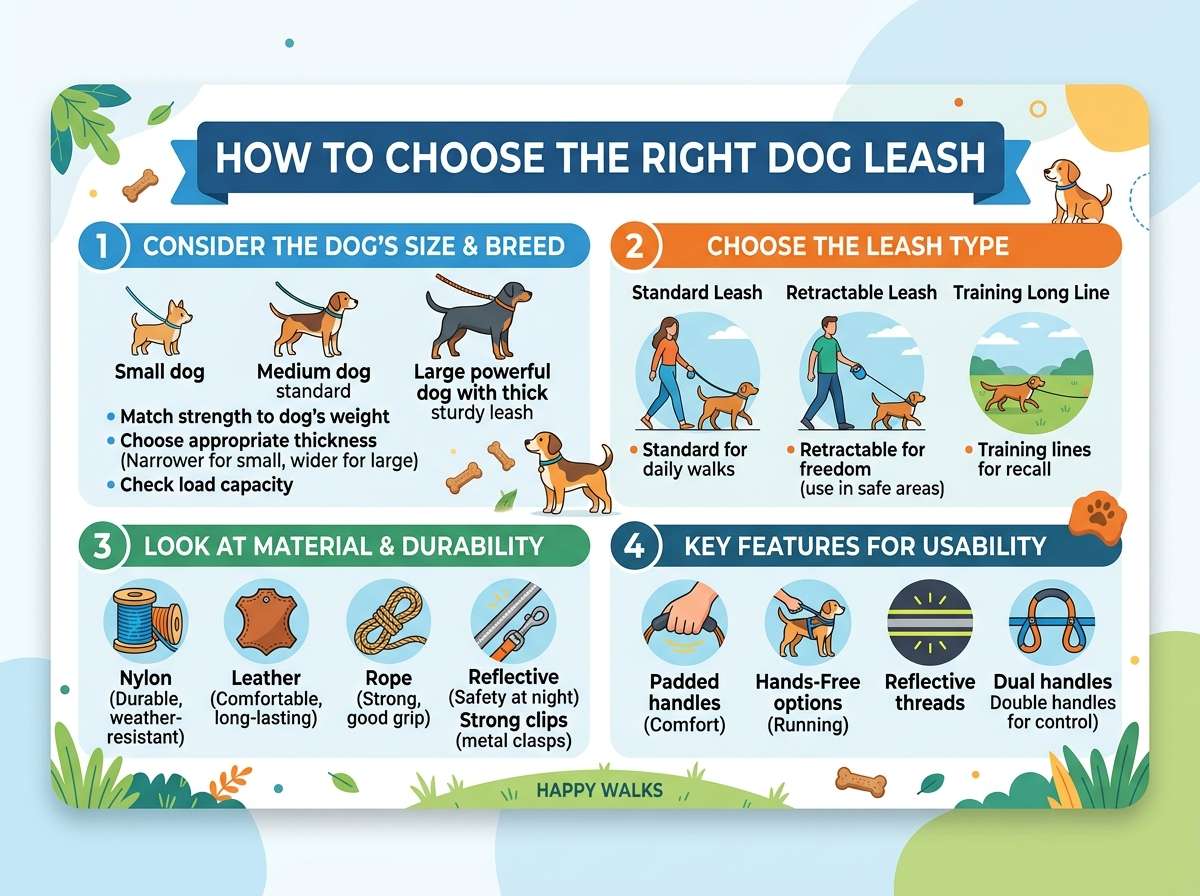
How to Get the Perfect Dog Leash?
Let’s face it: picking a dog leash sounds simple, but there’s way more to it than just grabbing whatever is on sale at the pet store. Your dog’s leash is one of the most important tools you’ll use every single day. It keeps your pup safe, gives you control during walks, and can even make training easier. But with so many options out there, how do you know which leash is right for your dog?
This guide walks you through everything you need to know about dog leashes. By the end, you’ll understand the different types, what to look for, and how to pick the one that works best for your furry buddy.
Why Your Dog Leash Really Matters
Before we jump into the different types, let’s talk about why this decision matters so much. A good leash does more than just connect you to your dog. It’s about safety, control, and comfort for both of you.
When you use the right leash, your dog is less likely to bolt into the street or chase after other animals. You’ll have better control during walks, and your dog will feel more confident because they know you’re in charge. A poor leash choice, on the other hand, can make walks frustrating, tiring, and even dangerous.
The right dog lead also affects your dog’s behavior. Some dogs pull like crazy on walks, and that has a lot to do with what type of leash they’re wearing. The wrong tool can make pulling worse, while the right one can actually help correct the behavior. Your comfort matters too. If you hate your walks because the leash is uncomfortable, you won’t take your dog out as often, and your pup needs that exercise and mental stimulation.
The Main Types of Dog Leashes
Let’s break down the most popular options you’ll find. Each one has its own benefits and drawbacks, so understanding them helps you make a smart choice.
Standard Fixed-Length Leashes
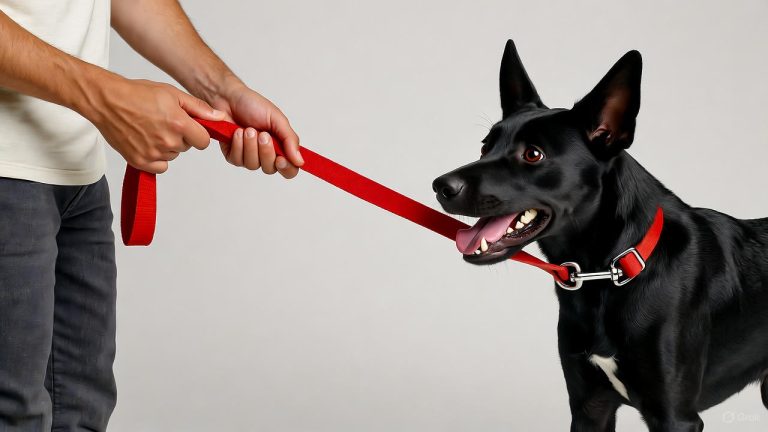
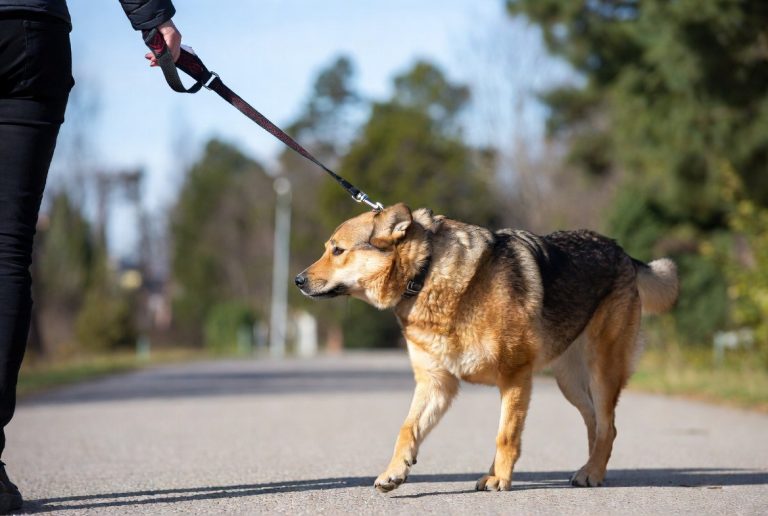
The classic leash is still one of the most popular choices, and for good reason. These leashes come in set lengths, usually between four and six feet. They’re straightforward, affordable, and work well for most dogs.
A standard leash gives you solid control because your dog stays close to you. You know exactly where they are at all times. This makes them great for dogs who pull, dogs who live in busy areas, or dogs who are still learning to walk properly. They’re also perfect for training because you can keep your pup right beside you while you work on commands.
The downside is that your dog doesn’t get much freedom to explore. If your dog loves to sniff and investigate, they might feel frustrated on a short fixed leash. Also, your arm can get tired if you’re holding the leash taut for a long walk.
Standard leashes come in different materials like nylon, leather, and rope. Nylon is cheap and easy to clean. Leather looks nice and gets softer over time, but it costs more and needs care. Rope leashes are sturdy and feel good in your hand, but they can be pricey and might be too thick for small dogs.
Retractable Leashes
Retractable leashes, sometimes called flexi leashes, let your dog move farther away from you because the leash extends and retracts. They’re exciting for dogs because they get more freedom to explore, sniff, and play while you maintain control through the button on the handle.
Sounds great, right? The problem is that retractable leashes can actually encourage bad behavior. Many dogs learn to pull because the leash gives them room to do it. When your dog pulls, the leash extends, which feels like a reward for that behavior. Over time, your dog might pull more, not less.
Retractable leashes also make it hard to keep control in emergency situations. If another dog runs toward you, or if you see a danger ahead, it takes longer to reel your pup back in. The thin cord can hurt your hands if your dog jerks hard. Dogs have also been injured when they ran off the end of the extended leash and were suddenly yanked back.
That said, retractable leashes aren’t all bad. They work well for calm dogs who don’t pull, for open spaces like parks where safety isn’t a concern, and for giving your pup a break during walks. Just know their limits and use them wisely.
Long Lines and Training Leashes
Long lines are exactly what they sound like: leashes that are much longer than standard ones, usually 15 to 30 feet. They give your dog tons of freedom while you keep control.
These are amazing for training because you can let your dog move away from you while still being able to call them back and enforce commands. They’re great for dogs who are learning recall or who need space to burn off energy. They’re also perfect for dogs with prey drive because you can let them explore safely.
The main drawback is that long lines are awkward to manage. You can’t carry them easily, they get tangled, and they’re not practical for city walks or crowded areas. They work best in open spaces like backyards or empty fields. You also need to be careful about your dog getting tangled around trees or other objects.
Hands-Free and Waist Leashes
These leashes attach around your waist or torso, leaving your hands free. They’re fantastic for runners, cyclists, or anyone who wants to keep their hands available while walking their dog.
Hands-free leashes give you freedom of movement, which is great if you jog or hike with your pup. They distribute pulling force across your body instead of just your arm, making walks more comfortable. Many people swear by them once they try them.
The trade-off is that you have less precise control. If your dog suddenly lunges, you can’t quickly tighten the leash in the same way you could with a handheld one. They also look a bit unusual if that matters to you, and they might not work well for very small dogs or very large, strong dogs.
Double Leashes and Coupler Leashes
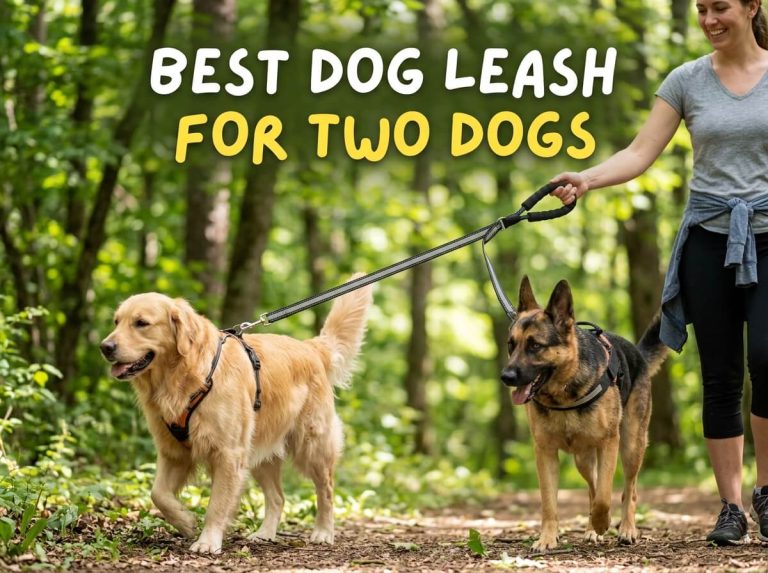
If you have two dogs, a coupler leash connects both dogs to a single leash at the midpoint. This keeps your dogs together and gives you one point of control instead of two.
Coupler leashes are convenient because you handle one leash instead of two. They’re great for dogs who get along well and walk at similar paces. They take up less space in your hands or bag.
The problem is that if one dog pulls in a different direction than the other, they can tangle each other. Also, if one dog is much stronger than the other, the stronger dog can control the weaker one too much. Many trainers recommend walking your dogs separately, especially during training, because you get better control and can work on each dog’s specific issues.
Chain and Metal Leashes
Some people use chain leashes because they’re durable and stand up to heavy chewing. Dogs can’t chew through metal, so if your pup destroys leashes, a chain might seem like the answer.
The reality is that chain leashes are heavy, cold, and they make a noise that many dogs don’t like. They can also hurt your hands if your dog pulls hard. Metal leashes are also more expensive than other options, and they’re not really better at preventing bad behavior—they’re just harder to destroy.
If your dog is a heavy chewer, a thick nylon or rope leash is usually a better choice. They’re still durable, much lighter, and more comfortable to hold.
What to Look For When Shopping
Now that you know the main types, let’s talk about the features that matter when you’re actually choosing a leash.
Length Matters
Think about where you walk your dog most often. If you live in an apartment and walk your pup on city streets, a four to six foot leash keeps them close and safe. If you have a backyard or visit parks often, you might appreciate the freedom of a longer leash or a retractable option.
There’s no one perfect length for all dogs. It depends on your dog, your environment, and what kind of walks you want to have. Some people have multiple leashes for different situations.
Material Quality
The material affects how the leash feels, how long it lasts, and how much it costs. Nylon is budget-friendly and practical, but it can fray and wear out. Leather is beautiful and gets better with age, but it’s more expensive and needs conditioning. Rope feels natural and is durable, but it might shed fibers.
Check the stitching and hardware. The attachment point where the leash meets the handle should be reinforced. Look at the clip or carabiner—is it sturdy and well-made? Cheap hardware can break when your dog pulls.
Handle Design
You’re going to be holding this leash a lot, so comfort matters. Some leashes have padded handles, which feel nicer in your hand. Some have loop handles that fit your wrist. Others have straight handles without much to grip.
If you have hand pain or arthritis, a padded or ergonomic handle is worth the extra cost. If you walk for long periods, comfort adds up. If you have a strong puller, you might want a leash with multiple grip points so you can adjust where you hold it based on how much control you need.
The Attachment Point
The clip or carabiner that attaches to your dog’s collar needs to be solid. Cheap clips break, and that’s a disaster. Look for quality hardware that’s appropriate for your dog’s size and strength. A tiny clip won’t hold a 70-pound dog, and an industrial-strength carabiner is overkill for a toy poodle.
Also think about the attachment point on your dog’s collar or harness. Some leashes clip to the d-ring on a collar, while others work better with a harness. Make sure the leash you choose will actually work with what your dog wears.
Weight and Comfort
The leash shouldn’t be so heavy that it tires out your arm. This is especially true if you have a small dog or if you walk for long distances. But it also shouldn’t be so light and flimsy that it feels cheap and breaks easily.
Heavy leashes like chain are exhausting to carry around. Lightweight leashes are great unless they’re also cheap and low-quality. Find the balance that works for you.
Visibility and Safety
If you walk your dog at dawn, dusk, or at night, visibility matters. Brightly colored leashes help drivers see you and your pup. Some leashes come with reflective strips. Some people even use leashes with lights built in.
Safety is about more than just being seen, though. A good leash keeps your dog from running into traffic or getting lost. Think about your neighborhood and adjust your leash choice based on how safe it is.
Leashes for Different Dog Types
Not all dogs need the same leash, so let’s talk about what works for different situations.
Small Dogs
Tiny dogs need lightweight leashes because heavy materials can actually hurt their necks or shoulders. Look for thin, flexible leashes made from soft materials. Small dogs also don’t usually pull as hard, so you don’t need industrial-strength hardware. Just make sure the clip isn’t so bulky that it’s uncomfortable for your pup to wear.
Retractable leashes can work well for small dogs in safe spaces because you won’t be fighting against as much pulling force. Hands-free leashes usually aren’t necessary unless you really want your hands free.
Large and Strong Dogs
Big, strong dogs need heavy-duty equipment. Look for thick materials, reinforced stitching, and quality hardware. Your leash needs to handle serious pulling force.
A standard six-foot leash gives you great control with a large dog. Retractable leashes often aren’t recommended for big dogs because the thin cord can snap or hurt your hands when they pull. A hands-free leash can be great because it distributes the pulling force across your body instead of just your arm.
Training large dogs often involves using a harness with the leash, which gives you better control than clipping to a collar. Make sure your leash works well with whatever harness you choose.
Puppies
Young dogs are learning, so a standard leash works great for training. It keeps them close so you can reward good behavior and correct mistakes. Puppies shouldn’t be on retractable leashes yet because they’re still learning, and those leashes can actually encourage pulling.
As your puppy grows, you might transition to other leash types. But in those early months, a basic four to six foot leash is your best friend.
Senior Dogs
Older dogs often walk slower and might have joint pain. They don’t usually pull as much, so you have more flexibility in leash choices. A lightweight leash feels better on their aging bodies. Some senior dogs appreciate the freedom of a slightly longer leash because they walk at their own pace.
Pay attention to your senior dog’s comfort. If they’re limping or seem sore, take shorter walks and use a comfortable leash that doesn’t add strain.
Dogs with Behavior Issues
If your dog pulls constantly, a standard six-foot leash gives you the most control while you work on training. Retractable leashes actually make this worse because they reward pulling. Consider using a harness designed to reduce pulling, paired with a standard leash.
If your dog is reactive or aggressive toward other dogs or people, keep them on a shorter leash in public. This gives you the control you need to manage the situation and protect others.
Harnesses and Collar Attachments
Your leash attaches to your dog’s collar or harness, and this affects how well the leash works. A harness that prevents pulling works even better when paired with the right leash.
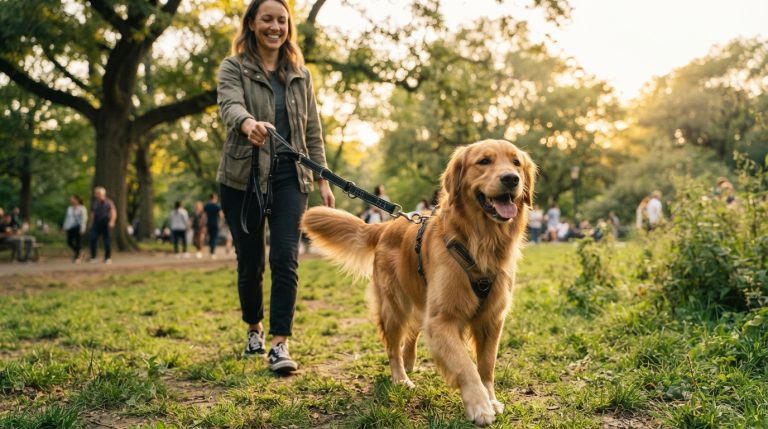
A front-clip harness is designed to reduce pulling because when your dog pulls, the leash pulls their chest toward you instead of letting them move forward. These are amazing for training and for dogs who pull constantly. Pair a front-clip harness with a standard leash for the best results.
A back-clip harness gives your dog more freedom to pull, so it’s not ideal if pulling is a problem. However, it’s more comfortable for many dogs because it doesn’t restrict the shoulder movement.
A simple collar works fine with most leashes, but a harness often gives you more control and comfort for both you and your dog.
Budget Considerations
You don’t need to spend a fortune on a leash, but the cheapest option isn’t always the best value. A leash that costs $15 but breaks after a month is more expensive than paying $35 for a leash that lasts years.
That said, you don’t need to spend $100 either. A solid mid-range leash between $25 and $50 usually gives you good quality and durability. Luxury brands charge extra for materials like genuine leather or fancy designs, which is fine if you want that, but it’s not necessary for a functional leash.
Budget more for large or strong dogs because they wear out leashes faster and need heavier-duty equipment. Budget less for small dogs or calm dogs who don’t pull much.
Taking Care of Your Leash
A well-maintained leash lasts longer and works better. If you have a nylon leash, wash it occasionally with soap and water. If it gets really dirty, you can even throw it in the washing machine on a gentle cycle, but remove the clip first.
Leather leashes need conditioning to stay soft and flexible. Use leather conditioner monthly or as needed. Store leather away from direct heat and sunlight.
Check the clip and stitching regularly for signs of wear. If stitches are coming loose or the clip is getting bent, it’s time to replace the leash. A broken leash is dangerous because your dog could get loose.
Rinse your leash after walking in salty ocean water or muddy conditions. Salt and dirt break down materials over time. Let it dry completely before storing it.
Common Leash Mistakes to Avoid
Learning from other people’s mistakes helps you make better choices. Here are some common problems.
Buying too long or too short. A leash that’s too short frustrates your dog and prevents you from having natural walks. A leash that’s too long gives you very little control. Match the length to your lifestyle and where you walk most often.
Ignoring your dog’s strength and size. A leash that works for a poodle won’t work for a German Shepherd. Consider your dog’s actual strength, not just their weight.
Using a retractable leash for training. This is the biggest mistake people make. Retractable leashes teach dogs that pulling gets them what they want. If you’re training your dog to walk nicely, use a standard leash.
Choosing style over function. That cute designer leash might look amazing, but if it’s uncomfortable to hold or the hardware is cheap, it’s not a good purchase. Function comes first.
Not replacing a worn leash. A leash that’s fraying, has loose stitches, or has a wonky clip is a safety risk. Replace it before something bad happens.
Using the same leash for all situations. Many dog owners benefit from having two or three different leashes for different situations. A training leash, a hiking leash, and a casual walk leash can all be useful.
Special Situations
Some situations call for specific leash considerations.
City walking. In crowded areas, a standard four to six foot leash keeps your dog close and prevents accidents. Avoid retractable leashes because you need quick control if another dog approaches or a vehicle is near.
Hiking and outdoor adventures. A hands-free leash or a longer line works great for hiking because your dog gets to explore while you keep your hands free. Make sure the leash is long enough to give your pup room but short enough that they can’t wander into danger.
Beach trips. Salt water and sand are hard on leashes. Bring an extra leash in case one gets damaged, and rinse any leash you use in fresh water after being in the ocean.
Dog parks. Technically, your dog should be off leash at the dog park, but having a leash nearby in your hand or bag is smart. Some parks have rules about keeping a leash visible or accessible, and you’ll need it to leave if there’s a problem.
Making Your Final Decision
By now, you’ve got a lot of information. How do you actually decide?
Start by thinking about your dog. How big are they? How much do they pull? How old are they? What kind of walks do you take most often? Are you training, exercising, or just hanging out?
Next, think about yourself. What feels comfortable to hold? How much are you willing to spend? What matters to you—appearance, durability, functionality, or a mix?
Then pick the type that seems like the best fit. Don’t overthink it. You can always try one style, see how it goes, and switch if it’s not working.
Finally, focus on quality and comfort rather than fancy features. A simple, well-made leash that feels good in your hand and keeps your dog safe is infinitely better than an expensive leash with lots of gadgets that doesn’t work for your situation.
Conclusion
Getting the right dog leash is one of those simple decisions that actually makes a huge difference in your daily life with your pup. The best leash for your dog matches your lifestyle, fits your dog’s size and temperament, and feels good when you use it.
You don’t need to overthink it, but you should think about what matters most to you and your furry friend. A quality leash lasts years and makes every walk better for both of you.
Take what you’ve learned here, consider your specific situation, and make a choice. Your dog is going to be so happy during those walks, and so will you. Now get out there and enjoy the time with your best friend!
Hi, I’m Mary, the founder of PetGadgetPro.com. I’m a passionate pet lover with a special place in my heart for dogs and cats. I share practical advice and honest insights on pet gear to help pet parents make better choices. My dedicated research team studies products in depth, and our writers create reviews using trusted, authentic sources—so you can feel confident choosing the best for your pets.