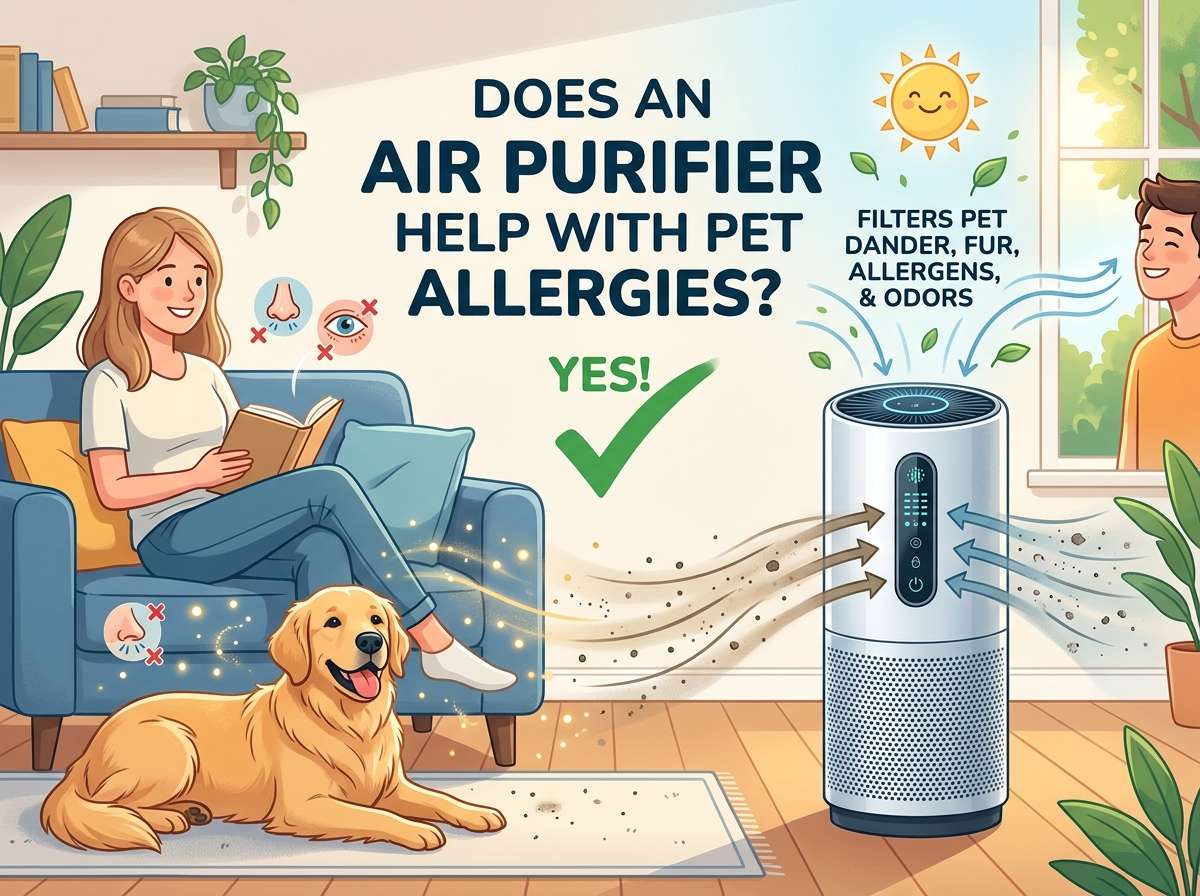
Does an Air Purifier Help With Pet Allergies?
If you’re a pet lover who suffers from allergies, you’ve probably asked yourself this question at least a hundred times. You want to keep your furry friend, but your sneezing, watery eyes, and itchy throat make you wonder if it’s even possible. The good news? An air purifier can be a real game-changer for many people with pet allergies. Let me walk you through everything you need to know about how these devices work and whether they might help you too.
What Causes Pet Allergies Anyway?
Before we talk about solutions, let’s understand the problem. Most people think pet allergies come from fur alone. That’s actually a common mistake. Your allergies aren’t really triggered by the pet’s hair. Instead, they come from proteins found in your pet’s skin cells, saliva, and urine.
When pets shed, they leave behind tiny particles called dander. These dander particles float around in the air and land on your furniture, clothes, and inside your lungs. Your immune system treats these particles as invaders and goes into defense mode. That’s when you start sneezing, coughing, and scratching your eyes.
Dogs produce a protein called Can f 1, while cats produce Fel d 1. These are the main culprits behind pet allergies. The tricky part is that these proteins are super sticky and lightweight. They stick to everything, from your curtains to your bedsheets. They can stay floating in the air for hours after your pet moves through a room.
Even if you think you have a hypoallergenic pet, don’t relax just yet. No pet is truly hypoallergenic. All pets shed dander, and that means all pets can trigger allergies in sensitive people. Some breeds produce less dander than others, but none of them produce zero allergens.
How Do Air Purifiers Actually Work?
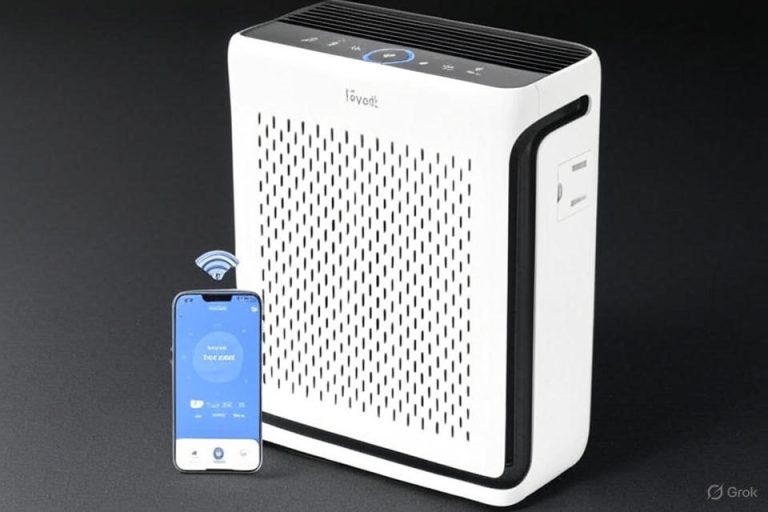
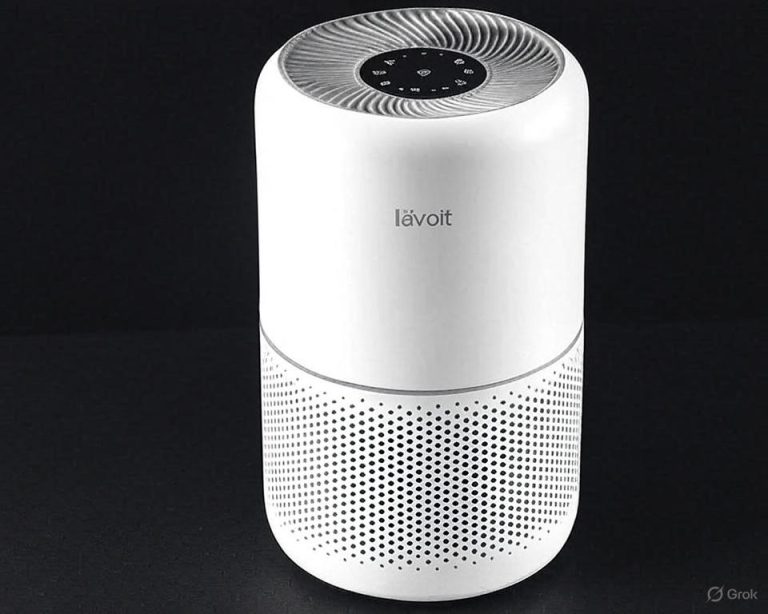
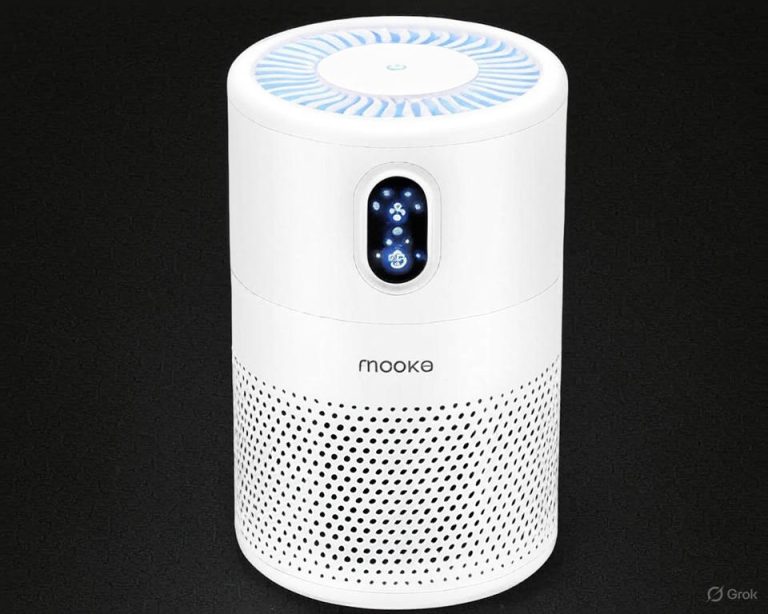
An air purifier is basically a fan that pulls air through special filters. The filters trap dust, dander, and other particles so they don’t get sucked back into the air. Think of it like a net that catches all the bad stuff floating around.
Most air purifiers use a system called HEPA filtration. HEPA stands for High-Efficiency Particulate Air. These filters can catch particles as tiny as 0.3 microns. To give you an idea of how small that is, a human hair is about 100 microns wide. HEPA filters can catch things 300 times smaller than a human hair.
Here’s how the process works. The air purifier draws in air from around the room. That air passes through a series of filters. The first filter is usually a pre-filter that catches larger particles like pet hair and dust. Next, the air moves through the HEPA filter that traps the super tiny stuff, including pet dander and allergens. Some purifiers also have activated carbon filters that remove odors.
The cleaned air then gets pushed back out into the room. If you run a quality air purifier for several hours a day, it will cycle through much of your room’s air multiple times. Over time, this reduces the number of allergens floating around.
Can Air Purifiers Really Help With Pet Allergies?
The short answer is yes, air purifiers can help. Studies show that HEPA filters are effective at removing pet allergens from the air. The longer answer is that they work best as part of a bigger plan.
Air purifiers are not a magic cure. They won’t eliminate all your pet allergy symptoms on their own. But they can reduce the amount of allergens in your home, which means fewer symptoms for you. Many people report that their sneezing decreases, their eyes stop itching as much, and they breathe easier once they start using an air purifier.
The level of help you get depends on several factors. How bad are your allergies? How big is your room? What kind of air purifier do you have? How often do you run it? All these things matter.
If you have mild pet allergies, an air purifier might be enough to solve most of your problems. If you have severe allergies, an air purifier should be just one part of your solution. You’ll want to combine it with other strategies like keeping your pet out of your bedroom, washing your hands after petting your animal, and cleaning your home regularly.
The Science Behind Pet Allergen Removal
Let’s talk about the actual science for a moment. Pet allergens are proteins found in dander, saliva, and urine. These proteins are naturally sticky. They attach themselves to dust particles and float through the air. They also settle on surfaces all around your home.
When a HEPA filter catches these particles, it holds onto them. The allergens can’t escape back into the air. The more times the air in your room cycles through the filter, the more allergens get removed. This process takes time. You won’t notice a difference in one hour. But after running a purifier for several days or weeks, you’ll likely feel better.
Research shows that HEPA filtration can reduce airborne pet allergens by up to 80 percent or more. That’s significant. An 80 percent reduction means you’re breathing air that’s much cleaner than before. Your immune system gets less exposure to the allergens that bother you.
It’s important to know that air purifiers only clean the air. They don’t clean surfaces. Allergens that have already landed on your couch, bed, or carpets stay there until you clean them. That’s why air purifiers work best when combined with regular cleaning habits.
What Type of Air Purifier Works Best for Pet Allergies?
Not all air purifiers are created equal. Some are way better at handling pet allergens than others.
The best air purifiers for pet allergies have a HEPA filter. This is non-negotiable. If a purifier doesn’t have a true HEPA filter, it won’t be effective enough at removing pet dander. Some cheap purifiers use “HEPA-like” filters, which sound similar but don’t actually meet the official HEPA standard. Avoid these.
Look for purifiers with high CADR ratings. CADR stands for Clean Air Delivery Rate. This number tells you how much air the purifier cleans per minute. For pet allergies, you want a CADR rating of at least 150 for dust. Higher is better.
Size matters too. You need a purifier that’s right for your room. Manufacturers usually tell you the square footage each model can handle. If your bedroom is 200 square feet, buy a purifier rated for at least 200 square feet. Getting something rated for 300 or 400 square feet is even better because it can handle the space more efficiently.
Activated carbon filters are a nice bonus. These filters trap odors from your pet, like litter box smell or wet dog smell. They won’t directly help with allergies, but they make your home smell fresher, which is a nice perk.
Some advanced purifiers use UV light or ionization. These features are okay, but they’re not essential. A solid HEPA filter does most of the work. Don’t pay extra for fancy technology that doesn’t add much value for pet allergies specifically.
Placement Matters More Than You Think
Where you put your air purifier is almost as important as which one you buy. A great purifier in the wrong spot won’t help you much.
If your pet allergy hits you hardest in your bedroom, put the purifier there. Your bedroom is where you sleep and breathe in lots of air. Keep your purifier running 24/7 or at least all night long. This is the room that matters most for your health.
Keep the purifier away from walls and furniture. Air needs to flow freely around the device. If you shove it in a corner, the air can’t circulate properly. Place it somewhere in the middle of the room if you can. If that’s not possible, at least keep it a few feet away from walls and large objects.
Don’t put the purifier directly next to your pet’s bed or litter box. Some people think this will trap allergens at the source. Actually, it just means the allergens get filtered out right there instead of spreading throughout the room. You want the purifier to clean the whole room, not just one spot.
Keep the intake vents clear. The purifier needs to suck in air from all around it. If you block these vents with curtains or furniture, the device can’t work properly. Make sure air can flow freely into the purifier from multiple directions.
How Often Should You Run Your Air Purifier?
This is a common question, and the answer depends on your situation.
If you have mild allergies, running the purifier for 8 to 10 hours a day might be enough. Many people run their purifiers during the day when they’re home and awake. This helps reduce allergens while you’re most likely to notice symptoms.
If you have moderate to severe allergies, run your purifier non-stop. Leave it on 24 hours a day, 7 days a week. Yes, this costs a bit in electricity, but it’s way cheaper than dealing with constant allergy symptoms. Most modern purifiers are energy-efficient anyway.
Your bedroom deserves special attention. You spend about one-third of your life sleeping. If you can keep your bedroom allergen-free, you’ll get significant relief. Run a purifier in your bedroom all night long, minimum. If possible, keep your pet out of your bedroom too. This combination of a clean air purifier and a pet-free bedroom is powerful.
When you first buy an air purifier, run it on high speed for the first few days. This helps remove the buildup of allergens that have been floating around. After that, you can drop it down to a medium setting for regular use. Run it on high again if you notice your symptoms getting worse.
Don’t Forget About Filter Replacement
Here’s something many people overlook. Your air purifier’s filters need to be replaced regularly. A clogged filter doesn’t work well. Dirty filters reduce the device’s ability to clean the air.
How often should you replace your filters? It depends on how much pet hair and dander your home has. If you have multiple pets, replace your HEPA filter every 3 to 6 months. If you have one pet, every 6 to 12 months should work. Check your purifier’s manual for specific recommendations.
Some purifiers have a filter replacement indicator. This light comes on when the filter is getting full. Listen to what it tells you. Changing the filter at the right time keeps your purifier running at peak performance.
Don’t try to clean your HEPA filter to extend its life. These filters are delicate and can be damaged easily. Once they’re full, they need to be replaced. Some washable filters exist, but they’re not as effective as replaceable HEPA filters.
Keep spare filters on hand. When your filter starts to fail, you want a replacement ready to go. Don’t wait until your current filter is completely clogged. The lag time between a dying filter and a fresh one means more allergens in your air.
Other Steps to Take Alongside Your Air Purifier
An air purifier is powerful, but it works best with help. These other strategies will boost your results.
Clean your home regularly. Vacuum your carpets at least once a week. Use a vacuum with a HEPA filter if possible. When you vacuum without a HEPA filter, you suck up the big particles but release some tiny ones back into the air. Wet cleaning is even better. Mopping gets rid of allergens that settled on hard floors.
Wash your bedding in hot water once a week. Hot water kills allergens and removes them from your sheets and pillowcases. Don’t skip this step. Your bed is where you spend many hours with your face close to the fabric.
Keep your pet out of your bedroom. This is one of the most effective single action you can take. Your bedroom should be a pet-free zone. I know this is hard if you love sleeping with your pet, but your health is worth it. Your pet can sleep in other areas of the house where allergen exposure matters less.
Wash your hands after petting your pet. This prevents you from touching your face with allergen-covered hands. Wash your face and shower after extended playtime with your animal. These steps remove allergens from your skin.
Use air purifiers in multiple rooms. If you spend lots of time in your living room and bedroom, put purifiers in both places. Your home office deserves one too if you work from home.
Groom your pet outdoors. Bathing your pet regularly reduces the amount of dander they shed. Do this outside so the dander doesn’t end up floating around inside your home.
Consider an air purifier for your car too. If you drive your pet places, allergens get trapped in your car. A small purifier for your vehicle can help.
What About Other Allergy Relief Options?
Air purifiers are great, but they’re not your only option for dealing with pet allergies.
Talk to your doctor or an allergist. These specialists can test you to confirm what you’re allergic to. They can recommend antihistamine medications or nasal sprays that help manage your symptoms. Some people use allergy shots to build up tolerance over time.
HEPA-rated vacuum cleaners are worth the investment. These vacuums trap allergens and don’t release them back into the air. They work especially well on carpets where lots of allergens accumulate.
Air purifier bags for your pet can help. These bags sit under or around your pet’s bed and help trap some allergens before they spread throughout your home.
Some people use air purifier supplements. Wait, that’s not a thing. But some people use ionizers as additions to regular air purifiers. Ionizers give particles a charge so they fall to the ground instead of floating. They’re not necessary, but they can be helpful add-ons.
HVAC filters for your home’s central air system also matter. Upgrade to higher-quality filters if your system allows it. These filters clean all the air moving through your home.
Common Mistakes People Make
People often make mistakes when trying to use air purifiers to manage pet allergies. Let me tell you about the most common ones so you can avoid them.
First mistake: buying a purifier that’s too small for the room. You need adequate airflow to make a real difference. A tiny purifier in a large room won’t help much.
Second mistake: not replacing filters regularly. A clogged filter is basically useless. Don’t let this happen.
Third mistake: running the purifier only occasionally. You need consistent air cleaning to see results. Run it often, preferably all the time.
Fourth mistake: expecting the purifier to solve everything on its own. It’s a tool, not a cure. Combine it with other strategies.
Fifth mistake: placing the purifier against a wall or in a corner. The device needs air to flow freely around it. Give it space.
Sixth mistake: thinking one purifier can clean your entire home. Big homes need multiple purifiers in different rooms. One device in the living room won’t help your bedroom much.
Seventh mistake: buying the cheapest purifier you can find. Cheap purifiers often have weak filters and low CADR ratings. Spend a bit more on a quality device.
Real-Life Results: What People Experience
Many pet owners with allergies have found relief through air purifiers. Here’s what happens in real life.
Some people notice improvements within a few days. Their sneezing decreases, and their eyes feel less itchy. This is especially true if they also keep their pet out of the bedroom and clean regularly.
Others take longer to notice changes. It might take a week or two of running the purifier before the allergen levels drop enough to feel different. Patience pays off.
People who combine air purifiers with other strategies see the best results. Someone who runs a purifier, keeps pets out of the bedroom, vacuums weekly, and uses allergy medication often becomes almost symptom-free. They can enjoy their pets without constant suffering.
Not everyone sees dramatic improvements. Some people with severe allergies find that even with an air purifier, they still have some symptoms. But most say their symptoms are manageable, which is a huge win.
The key is finding what works for you. Your results might be different from your friend’s results. Allergies are personal, and everyone’s immune system responds differently.
Cost Considerations
Let’s talk about money because that matters to most people.
A quality HEPA air purifier costs anywhere from $200 to $600 for a room-sized unit. This is a one-time cost. You’re making an investment in your health and your ability to live comfortably with your pet.
Replacement filters cost $30 to $100 depending on the brand and model. You’ll replace filters every 6 to 12 months. So you’re looking at $40 to $100 per year in filter costs.
Electricity costs depend on your local rates and how often you run the purifier. Running a purifier 24/7 might add $5 to $20 per month to your electric bill.
Compare these costs to allergy medications. Some people spend $50 to $100 per month on antihistamines, decongestants, and nasal sprays. Others pay for regular doctor visits and allergy shots. Over a year, an air purifier often costs less than constant allergy treatment.
Think of it as an investment in your quality of life. You love your pet and don’t want to give them up. An air purifier lets you keep your furry friend while reducing your allergy symptoms. That’s worth the expense for many people.
Signs Your Air Purifier Isn’t Working Well Enough
Sometimes air purifiers help a lot, but sometimes they help a little. How do you know if yours is doing its job?
If your symptoms haven’t improved after running the purifier for two weeks, something might be wrong. Check these things. Is the filter clogged? Is the purifier the right size for your room? Are you running it often enough? Is your bedroom pet-free?
If the purifier’s filter was due for replacement months ago, your symptoms will get worse. A dirty filter is almost like not having a purifier at all.
If you still see pet hair floating in the sunlight coming through your windows, your purifier isn’t working well enough. You might need a larger unit or a second purifier.
If you feel worse after getting the purifier, something is wrong. Maybe the filter isn’t installed correctly. Maybe the purifier itself is dirty. Clean the outside of the unit and make sure the filters are installed properly.
Making Your Final Decision
Should you buy an air purifier for your pet allergies? Here’s how to decide.
If you have mild allergies and only one pet, an air purifier might solve most of your problems. Go for it.
If you have moderate allergies, an air purifier will definitely help. Combine it with keeping your pet out of the bedroom, and you’ll see real improvement.
If you have severe allergies, an air purifier should be part of your solution. Use it along with medication, allergy shots, and careful cleaning. Together, these strategies can make a huge difference.
If you love your pet more than anything and refuse to give them up, an air purifier is your best friend. It’s the tool that lets you have your pet and manage your allergies at the same time.
The bottom line is simple. Air purifiers help with pet allergies for most people. They’re not perfect, but they’re effective. When combined with other strategies, they work really well. If you’re looking for a way to reduce pet allergen exposure while keeping your beloved animal in your home, an air purifier is definitely worth trying.
Wrapping It Up
Pet allergies don’t mean you have to say goodbye to your furry friend. Technology has given us tools to manage these allergies while enjoying pet ownership. Air purifiers, with their HEPA filters and effective allergen removal, offer real relief for many people.
Start by choosing the right purifier for your room size. Run it consistently, keep your filters fresh, and combine the purifier with other allergy management strategies. Your bedroom should be a sanctuary free from both your pet and allergens.
Give yourself time to adjust. Two weeks of consistent purifier use will show you whether this solution works for you. If it does, you’ve found a way to keep your pet without suffering from allergies. If you need more help, talk to your doctor about additional options.
Your pet brings joy and companionship to your life. You deserve to enjoy that relationship without constant sneezing, itchy eyes, and throat irritation. An air purifier can make that possible. Take the step, invest in your health, and breathe easier around the pet you love.
Hi, I’m Mary, the founder of PetGadgetPro.com. I’m a passionate pet lover with a special place in my heart for dogs and cats. I share practical advice and honest insights on pet gear to help pet parents make better choices. My dedicated research team studies products in depth, and our writers create reviews using trusted, authentic sources—so you can feel confident choosing the best for your pets.