How to Remove Pet Odor from Home?
If you love your pets but hate the smell they leave behind, you’re not alone. Pet odor is one of the biggest challenges pet owners face. The good news? You can absolutely get rid of it with the right approach.
This guide walks you through everything you need to know about eliminating pet smell and keeping your home fresh. Whether you have dogs, cats, or other pets, these strategies work.
Why Pet Odor Happens in Your Home
Before you tackle the smell, it helps to know where it comes from. Pet odor doesn’t just appear out of nowhere. It builds up from multiple sources in your home.
Your pet’s body naturally produces oils that create smell. When they rub against furniture, walk across floors, or sit on carpets, these oils transfer to surfaces. Over time, the smell gets stronger.
Accidents are another major source of pet odor. Even if your pet is housetrained, accidents happen. Urine sinks deep into carpet fibers, padding, and even wood subfloors. This is why pet smell can be so stubborn to remove.
Wet pet smell is real too. When your dog gets wet or takes a bath, that wet dog odor fills your house. This smell comes from natural bacteria on their skin. The moisture activates these bacteria, creating that distinctive musty odor.
Your pet’s bedding holds onto smells. Bacteria grow in moist areas where your pet sleeps. Without regular cleaning, their bed becomes a smell factory.
Poor air circulation makes everything worse. Stale air traps pet odors and keeps them floating around your home. Rooms that don’t get much air movement hold onto smells longer.
Start with the Basics: Regular Pet Hygiene
The easiest way to prevent pet odor is to stop it before it starts. Regular pet hygiene is your first line of defense.
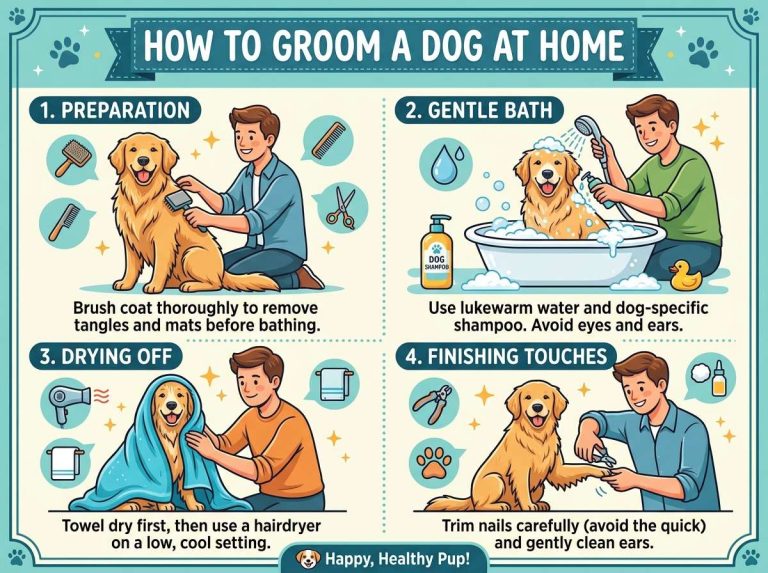
Bathe your pet on a regular schedule. How often depends on your pet’s breed and how active they are. Some pets need baths every few weeks, while others do fine with less frequent baths. Ask your vet what works best for your pet.
Use a good pet shampoo. Regular human shampoo doesn’t work well for pets because their skin has a different pH level. Pet shampoos are made to be gentle on their skin while cleaning away bacteria that cause odor.
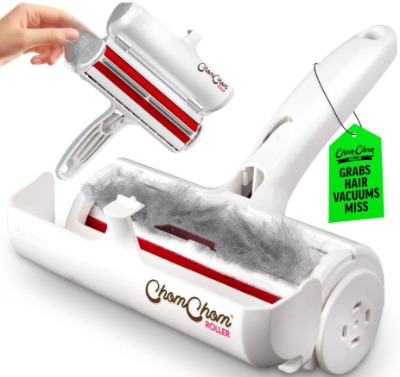
Brush your pet regularly. Brushing removes dead skin cells and loose fur that trap bacteria and smell. It also helps distribute natural oils that keep their coat healthy.
Trim your pet’s nails. Long nails can trap dirt and bacteria, especially on paws that touch dirty ground. Keep them trimmed to reduce odor sources.
Clean your pet’s ears. Ear infections are a common source of pet odor. Regular ear cleaning prevents infections and keeps them smelling fresh.
Wash your pet’s paws when they come inside. Your pet walks through dirt, pee spots, and other dirty stuff outside. Washing paws removes these odor sources before they spread around your home.
Dental care matters too. Poor teeth and gums create bad breath, which adds to home odor. Brush your pet’s teeth a few times a week or ask your vet about dental treats.
Attack Carpets and Rugs: Your Biggest Odor Problem
Carpets are the biggest culprits when it comes to pet odor. They trap smell deep in the fibers and padding, making them really hard to clean.
Find and Treat Accident Spots
The first step is finding where accidents happened. Use a blacklight flashlight to spot dried urine. Turn off the lights and use the blacklight to scan your carpets. Urine shows up as bright spots under blacklight.
Once you find the spots, you need to get the urine out. This takes real effort because urine soaks deep into carpet and padding.
Enzyme cleaners are your best friend here. These cleaners have special enzymes that break down urine at the molecular level. Unlike regular cleaners that just mask the smell, enzyme cleaners actually destroy it.
Here’s how to use an enzyme cleaner:
First, soak the area with the enzyme cleaner. Spray it generously on the spot and make sure it soaks through the carpet to the padding below. Don’t be stingy.
Let it sit for several hours or overnight. The longer it sits, the more time the enzymes have to work. Most enzyme cleaners recommend waiting at least six hours.
Then blot it up with clean cloths. Don’t rub because that pushes the liquid deeper. Blot straight down to pull the moisture up and out.
If the smell is really strong, repeat the process. You might need to treat the same spot two or three times to completely remove old urine smell.
Deep Clean Your Carpets
Even areas without obvious accidents can hold pet smell. Give your carpets a professional deep clean or rent a carpet cleaner.
Rent a machine from your local grocery store or hardware store. These steam cleaners force hot water deep into carpet fibers and suck out dirt, dead skin cells, and bacteria that cause odor.
Use a carpet cleaning solution made for pet odor. Fill the machine with this special solution instead of plain water. Pet-specific solutions contain enzymes or other ingredients that break down pet-related smells.
Follow the machine’s directions carefully. Different machines work a bit differently, but the basic process is the same: spray the solution, then suck it back out.
Do this on every carpeted area in your home, even rooms where your pet doesn’t usually go. Smells travel through your house, and odor particles settle on all surfaces.
Let carpets dry completely before anyone walks on them. Open windows, run fans, and use air conditioning to speed up drying. Mold and mildew love wet carpets, which creates even worse smells.
If carpets still smell bad after cleaning, you might need professional help. Professional carpet cleaners have stronger machines and solutions than you can rent.
Consider Removing Heavily Affected Carpets
Sometimes pet odor is so deep that no amount of cleaning helps. If a carpet has had multiple accidents or the smell never fully goes away, it might be time to replace it.
This is especially true for old carpets that have absorbed years of pet smell. The padding underneath becomes saturated with urine, and no surface cleaning will fix that.
Before replacing, consider alternative flooring that’s easier to clean and doesn’t trap odors. Tile, laminate, and vinyl floors are much better for pet owners. They’re easy to wipe down and don’t absorb liquids.
If you stay with carpet, use pet-resistant versions made to be more stain and odor resistant.
Clean Your Pet’s Bedding and Furniture
Your pet’s bed is a breeding ground for bacteria and odor. It needs regular, thorough cleaning.
Wash your pet’s bed weekly in hot water. Remove any covers and wash them separately. Use a strong detergent and hot water to kill bacteria.
If the bed has a foam insert or stuffing, check if it’s machine washable. If not, spray the bed with enzyme cleaner and let it dry completely in the sun. Sunlight naturally kills bacteria and removes odors.
For beds that can’t be washed, replace them often. A new bed every few months keeps odor from building up.
Don’t let your pet sleep on your own bed or furniture without protection. Use washable blankets and throws that you can wash weekly. This keeps your furniture from absorbing pet odor.
If your furniture already smells, sprinkle baking soda all over it. Let it sit for a few hours or overnight. The baking soda absorbs odors. Vacuum it up completely.
You can also use enzyme cleaner on furniture. Spray it on the smelly areas, let it sit, then blot it up. Make sure the furniture dries completely.
For stubborn furniture smell, consider using a fabric odor eliminator spray. These are made to remove pet odors from soft surfaces. Spray them on, let them dry, and the smell disappears.
If furniture is beyond saving, replacing it might be your best option.
Refresh Your Home’s Air
Smelly air makes everything smell bad. You need to get fresh air moving through your home.
Open your windows daily, even in winter. Fresh outside air is the most natural and effective odor remover. Even just 15 minutes of open windows helps a lot.
Use ceiling fans and portable fans to move air around. Stagnant air trapped in corners holds onto smells. Fans help circulate the air and spread fresh air throughout your home.
Change your air filters regularly. Dirty filters can’t clean your air, and they might even spread pet hair and odor particles around. Check filters monthly and replace them when they look dirty.
Consider upgrading to a better air filter. HEPA filters and filters designed for pet owners work better than basic filters. They trap more particles and help remove smell-causing bacteria.
Air purifiers are another good option. These devices pull air through filters that trap particles and odors. Look for purifiers with activated carbon filters, which are especially good at removing odors.
If you have allergies or asthma problems from pets, an air purifier helps with that too.
Use Odor-Absorbing Products
Some products are specifically made to absorb pet odor from the air and surfaces.
Baking soda is cheap and effective. Sprinkle it on carpets, furniture, and pet beds. Let it sit for several hours, then vacuum. It absorbs odors naturally.
Make a baking soda spray by mixing one part baking soda with two parts water. Spray it on carpets and furniture, let it dry, then vacuum. You can add a few drops of essential oil like lavender if you want it to smell nice.
Activated charcoal works similarly to baking soda. Put bowls of activated charcoal in rooms where smells are strongest. It pulls odors out of the air over time.
Commercial odor eliminators work well too. Look for products made specifically for pet odor. Many use enzymes, probiotics, or essential oils to eliminate smells rather than just masking them.
Avoid products that just mask odors like air fresheners. These cover the smell temporarily but don’t actually remove it. Once the fragrance fades, the pet odor comes back.
Some products are designed for pet litter boxes or cages. These help control odors right where they start.
Don’t Forget About Your Litter Box or Pet Cage
If you have cats or other cage animals, their living space needs regular cleaning.
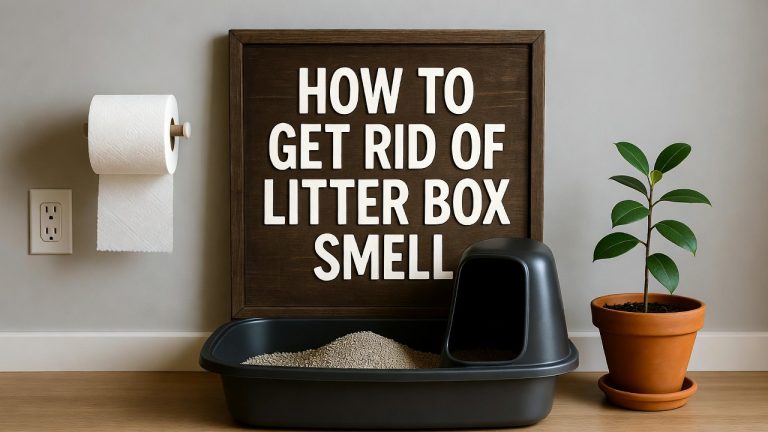
Scoop litter boxes daily. Urine and feces are major odor sources, and scooping removes them before smell builds up.
Change litter completely at least weekly. Even with daily scooping, some urine soaks into the litter. Fresh litter keeps things cleaner and fresher.
Use quality litter designed to control odors. Some litters are made with special ingredients like clay or activated charcoal that absorb urine smell better than basic litters.
Wash the litter box itself monthly with hot water and mild soap. Bacteria build up on the box itself, creating smell.
Place baking soda in the bottom of the litter box before adding fresh litter. This absorbs odors from below.
For other pet cages, remove droppings and soiled bedding daily. Change bedding completely twice weekly. Wash the cage weekly with hot water and mild soap.
Use bedding materials that don’t trap smells. Some beddings hold odors more than others. Aspen shavings are better than cedar, for example.
Target Specific Problem Areas
Some areas of your home might smell worse than others. Give these spots extra attention.
Entryways and Mudrooms
These areas see lots of traffic from dirty paws. Use a washable mat at all entry doors. When your pet comes in, wipe their paws on the mat or use a paper towel.
Keep these spaces extra clean. Vacuum and sweep them daily if you have pets.
Bathrooms
If your pet spends time in the bathroom, this area needs special care. Moisture in bathrooms makes smells stronger.
Keep the bathroom well ventilated. Run the exhaust fan during and after showers to remove moisture.
Clean any accidents immediately. Bathroom floors are often hard to get completely dry, which helps bacteria grow.
Basements and Laundry Rooms
These areas often have moisture and poor air circulation, making them smell worse.
Use a dehumidifier to control moisture. This removes moisture from the air and makes it harder for bacteria to survive.
Make sure your dryer is vented to the outside, not into the house. This removes moisture and heat that trap odors.
Make Your Home Smell Fresh and Clean
After you remove the odor, you want your home to smell fresh.
Open windows on nice days. Nothing beats fresh outside air.
Simmer a pot of water with lemon slices, cinnamon, or other fresh scents. This adds a pleasant smell without chemicals.
Clean your floors with a mixture of water and white vinegar. The vinegar smell disappears as it dries, but it leaves a fresh scent.
Use scented candles made from natural ingredients. Avoid overly strong artificial scents that clash with lingering pet odors.
Houseplants actually help clean your air. They remove odors and refresh the space. Plants like spider plants and peace lilies are easy to care for.
Stop Pet Odor Before It Starts
Now that you know how to remove pet odor, prevent it from coming back.
Create a Pet Odor Prevention Plan
Stay on top of pet hygiene. Bathe your pet regularly, brush them often, and keep them clean.
Clean your pet’s bedding weekly without fail. Don’t skip this because it’s the most important prevention step.
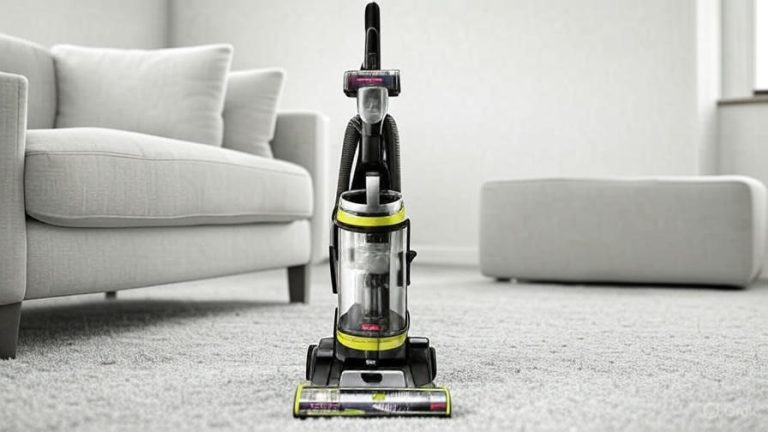
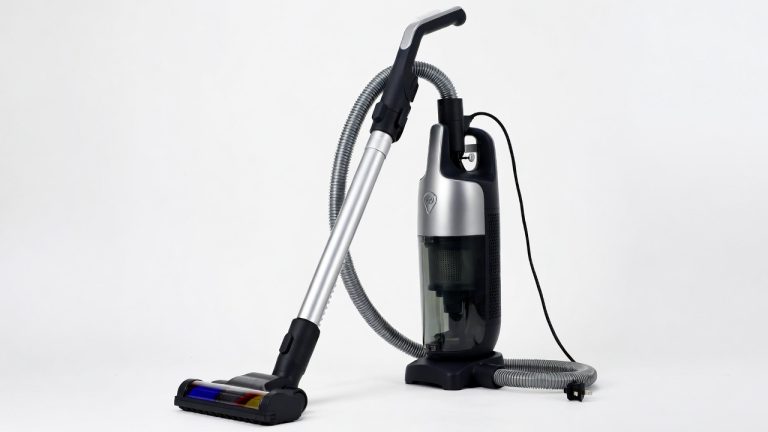
Vacuum your home multiple times a week. More frequent vacuuming removes pet hair, dead skin cells, and bacteria before they break down and create smell.
Treat accidents immediately. The longer urine sits, the deeper it soaks and the harder it is to remove. Keep enzyme cleaner handy so you can treat accidents right away.
Air out your home daily. Open windows, run fans, and keep air moving.
Use Preventative Treatments
Some products prevent odor buildup before it starts.
Enzyme-based floor cleaners prevent odors when used regularly. Use them weekly on all pet areas.
Sprays that prevent pet accidents work for some pets. These use smells or tastes to discourage pets from going in the same spot twice.
Consider Your Pet’s Behavior
Sometimes pet odor happens because your pet isn’t house trained or has health issues.
If accidents are frequent, talk to your vet. Excessive accidents can mean urinary tract infections or other health problems.
Take your pet outside frequently. More bathroom breaks mean fewer accidents inside.
Use puppy pads or litter boxes to give your pet a proper place to go.
When to Call a Professional
Sometimes you need expert help.
Call a professional carpet cleaner if your home still smells after your own cleaning efforts. They have industrial-strength equipment and solutions.
Talk to your vet if your pet suddenly has more accidents or behavior changes. There might be a health issue.
If mold or mildew grows in your home because of moisture and pet accidents, call a professional. Mold is a health hazard.
Some pest control companies can help if you suspect the odor is coming from an animal living in your walls or crawl space.
Final Thoughts on Pet Odor Removal
Pet odor is frustrating, but it’s absolutely fixable. You don’t have to live with a smelly home just because you have pets.
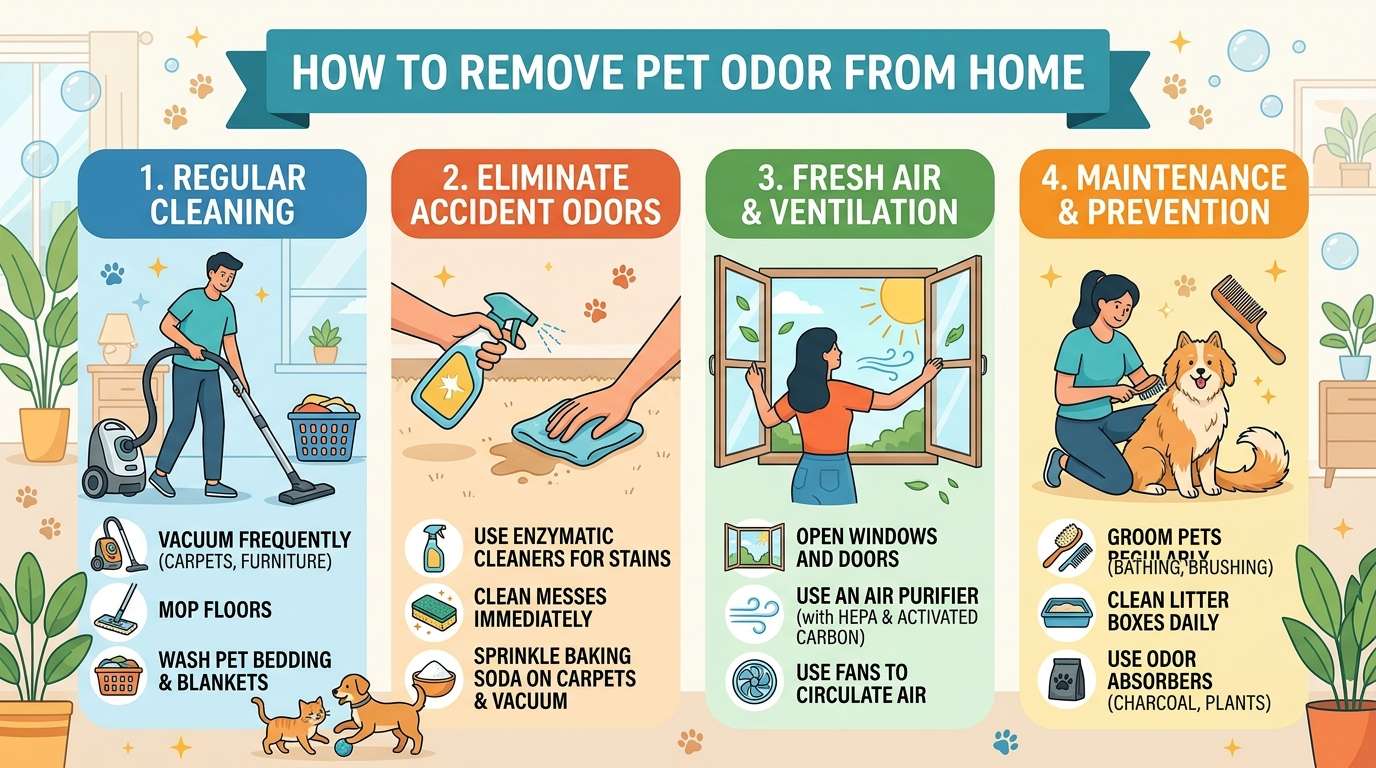
Start with the basics: keep your pet clean, clean their bedding weekly, and treat accidents immediately with enzyme cleaners.
Deep clean your carpets and furniture. Replace carpeting if necessary.
Keep your air fresh with open windows and fans.
Use products like baking soda and activated charcoal to absorb remaining smells.
Stay consistent with your cleaning routine so odors don’t build back up.
With these strategies, your home can smell fresh and clean while you enjoy all the love your pet brings. The effort is worth it when you can have both: happy pets and a home that smells great.
Start today. Even one of these steps makes a difference. Before long, your home will smell like it again, not like a pet odor problem. Your friends will notice, and you’ll feel more comfortable having people over. Best of all, you’ll enjoy your pet’s company without worrying about lingering smells.
Your clean, fresh-smelling home and your happy pet are both possible. You’ve got this.
Hi, I’m Mary, the founder of PetGadgetPro.com. I’m a passionate pet lover with a special place in my heart for dogs and cats. I share practical advice and honest insights on pet gear to help pet parents make better choices. My dedicated research team studies products in depth, and our writers create reviews using trusted, authentic sources—so you can feel confident choosing the best for your pets.