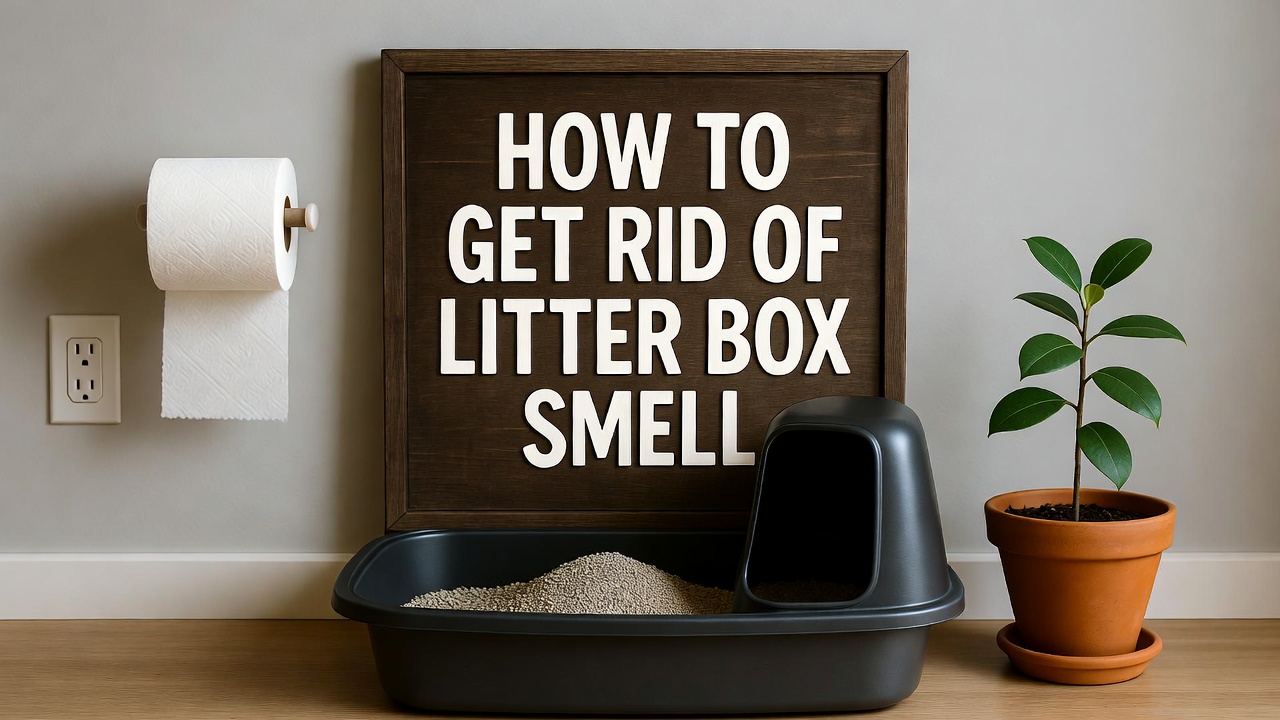
How to Get Rid of Litter Box Smell?
You love your cat. You really do. But that litter box smell? It’s enough to make you question your life choices.
The good news is you don’t have to live with a house that smells like a pet store gone wrong. Getting rid of litter box odor is totally doable, and you don’t need expensive gadgets or a degree in chemistry to make it happen.
Let’s dive into everything you need to know about keeping your home fresh and odor-free.
Why Does the Litter Box Smell So Bad?
Before we tackle the solutions, let’s talk about why litter boxes smell in the first place.
Cat urine contains urea and ammonia. When bacteria break down these compounds, they release that sharp, eye-watering smell you know all too well. Cat poop also has its own set of odor-causing bacteria and compounds.
The smell gets worse when:
- Waste sits in the box for too long
- The litter doesn’t absorb moisture well
- The box itself is old and has absorbed odors
- Your cat has health issues
- You’re not using enough litter
Now that you know the enemy, you can fight back effectively.
Scoop Every Single Day
This is the golden rule. Nothing beats daily scooping when it comes to odor control.
Set a reminder on your phone if you need to. Make it part of your morning routine or something you do right when you get home from work.
When you scoop daily, you remove the source of the smell before it has time to get really bad. Urine clumps and solid waste are gone before they can stink up your entire house.
Keep a small trash can with a lid near the litter box. Line it with plastic bags. Scoop the waste, drop it in the bag, and tie it up. Take out this trash every few days.
Some people scoop twice a day, especially if they have multiple cats. The more you scoop, the less smell you’ll deal with.
Deep Clean the Box Weekly
Scooping handles daily maintenance, but you also need to do a full clean regularly.
Once a week, dump all the litter out. Wash the box with warm water and mild dish soap. Avoid harsh chemicals or strong-smelling cleaners because cats hate those smells and might stop using the box.
Scrub the sides and bottom with a sponge or brush. Get into all the corners. Rinse thoroughly and dry completely before adding fresh litter.
This deep clean prevents odor from building up in the plastic itself. Over time, plastic absorbs smells. Regular washing keeps that from happening.
Use the Right Amount of Litter
Too little litter means urine pools at the bottom and doesn’t get absorbed properly. This creates serious smell issues.
You want about 3 to 4 inches of litter in the box. This gives enough depth for urine to clump properly and for your cat to bury their waste.
When you skimp on litter to save money, you end up with a smellier house. It’s not worth it. Use enough litter to do the job right.
Pick a Quality Litter
Not all litters are created equal. Some control odor way better than others.
Clumping litter makes scooping easier and traps odor in solid clumps. Clay-based clumping litters are popular and effective.
Many litters now come with activated charcoal, baking soda, or other odor-fighting ingredients. These can really help with smell control.
Natural litters made from corn, wheat, walnut shells, or paper also work well. Some people prefer these because they’re more eco-friendly. Try different types to see what works best for you and your cat.
Avoid cheap, non-clumping litter if odor is your main concern. It just doesn’t control smell as well.
Unscented litter is often better than scented. Cats have sensitive noses, and strong perfumes might make them avoid the box. Plus, mixing litter smell with cat waste smell just creates a weird combo that isn’t pleasant.
Add Baking Soda
This kitchen staple is a odor-fighting superstar.
Sprinkle a thin layer of baking soda on the bottom of the clean litter box before adding litter. Then sprinkle a bit more on top of the litter.
Baking soda neutralizes acidic odors naturally. It’s safe for cats and super cheap.
You can also mix baking soda right into the litter as you add it to the box. Just don’t go overboard. A light dusting is all you need.
Replace the Box Itself
Plastic litter boxes don’t last forever. Even with regular washing, they absorb odors over time.
The plastic gets scratched from scooping. These tiny scratches trap bacteria and smell. No amount of scrubbing will get them out.
Replace your litter box every year or so. If you notice lingering smells even after a deep clean, it’s time for a new box.
Stainless steel litter boxes are an option if you want something more durable. They don’t absorb odors like plastic does. They’re pricier upfront but last much longer.
Use an Activated Charcoal Filter
Many covered litter boxes have spots for activated charcoal filters. These filters absorb odors from the air.
Replace the filter according to the package directions. Usually, that’s every month or two.
You can also place activated charcoal near the litter box in an open container. It will naturally absorb smells from the surrounding area.
Get a Bigger Box
Small litter boxes fill up fast and get smelly quicker.
Your cat needs room to move around, dig, and bury their waste properly. A box that’s too small means waste piles up in a concentrated area.
The general rule is the box should be 1.5 times the length of your cat from nose to the base of the tail. Bigger is usually better.
Large boxes give waste more space to spread out. This helps with odor control because everything isn’t crammed together in one corner.
Consider a Covered Box (But Know the Downsides)
Covered litter boxes can help contain smell. The hood traps odors inside instead of letting them float into your living room.
But there’s a catch. Some cats don’t like covered boxes. They can feel trapped or confined. The enclosed space can also concentrate smells, making it unpleasant for your cat.
If odor escapes into the room bothers you, try a covered box. Just watch your cat’s behavior. If they start avoiding the box, switch back to an open one.
Set Up Multiple Boxes
The rule is one litter box per cat, plus one extra.
So if you have two cats, you should have three boxes. This might seem like overkill, but it really helps with smell.
Multiple boxes mean waste is spread out. Each box gets less use, so it stays cleaner longer. This makes a huge difference in odor control.
Place boxes in different areas of your home if possible. Don’t put them all in the same spot.
Improve Air Flow
Good ventilation helps smells dissipate instead of hanging around.
Place the litter box in a well-ventilated area. Avoid tiny closets or bathrooms with no windows.
Open windows when possible. Use fans to keep air moving. This doesn’t eliminate odor, but it prevents it from building up and becoming overwhelming.
Just make sure the area isn’t too drafty or cold. Cats like some privacy and comfort when doing their business.
Use an Air Purifier
An air purifier with a HEPA filter can capture airborne particles and odors.
Place one near the litter box area. Run it continuously for best results.
Air purifiers won’t solve all your smell problems, but they’re a helpful addition to your odor-fighting toolkit.
Look for models specifically designed to handle pet odors. These often have activated charcoal filters in addition to HEPA filters.
Try Litter Deodorizers
Pet stores sell powder deodorizers made specifically for litter boxes.
Sprinkle these on top of the litter according to the package directions. They help neutralize odors between cleanings.
Make sure any product you use is safe for cats. Read labels carefully. Avoid anything with strong fragrances or harsh chemicals.
Clean Up Accidents Immediately
Sometimes cats have accidents outside the box. This can happen for various reasons, from health issues to stress.
When this happens, clean it up right away. The longer urine or feces sits, the worse it smells and the harder it is to clean.
Use an enzyme cleaner designed for pet messes. Regular cleaners don’t break down the proteins in cat urine. Enzyme cleaners do, which eliminates the smell instead of just masking it.
Blot up as much as possible with paper towels first. Then apply the enzyme cleaner and let it sit for the recommended time. This usually takes 10 to 15 minutes.
Watch Your Cat’s Diet
What goes in affects what comes out. Your cat’s diet can impact how bad their waste smells.
High-quality cat food with good protein sources and fewer fillers often results in less smelly poop. Cheap foods with lots of grains and by-products can make waste smell worse.
Talk to your vet about food options if smell is a major issue. Sometimes switching to a better quality food makes a noticeable difference.
Make sure your cat drinks enough water too. Concentrated urine smells stronger. Keep fresh water available at all times.
Check for Health Problems
Sometimes extra-smelly litter boxes signal health issues.
If your cat’s waste suddenly smells much worse than usual, schedule a vet visit. Urinary tract infections, digestive problems, and other health conditions can cause unusually foul-smelling waste.
Diabetes can make urine smell sweet. Kidney problems can change urine odor too. Diarrhea or soft stools that smell terrible might indicate digestive issues or parasites.
Don’t ignore sudden changes in litter box smell. It might be an important health clue.
Older cats sometimes develop kidney disease. This changes how their urine smells. If your senior cat’s litter box suddenly smells different, get them checked out.
Cats with urinary crystals or stones might strain to pee. Their urine can smell unusually strong or even bloody. This is a medical emergency that needs immediate attention.
Intestinal parasites like giardia can cause extremely foul-smelling diarrhea. Regular deworming and fecal tests help prevent this.
Your nose knows when something’s off. Trust your instincts and call the vet when things seem wrong.
Keep the Area Clean
The litter box itself isn’t the only thing that needs cleaning. The floor and walls around it can harbor smells too.
Sweep or vacuum around the litter box regularly. Cats track litter on their paws, spreading it around. This litter can have urine on it, causing odor.
Wipe down walls near the box with a damp cloth. Sometimes cats spray or urine splashes out of the box.
Use a mat under and in front of the litter box to catch tracked litter. Wash this mat weekly or shake it out daily.
Try Different Box Styles
If you’re struggling with smell despite your best efforts, experiment with different litter box designs.
High-sided boxes prevent litter scatter and contain smell better. Top-entry boxes are another option. Cats enter through a hole in the lid, which really contains odors.
Self-cleaning litter boxes automatically scoop waste into a sealed compartment. These keep the litter cleaner throughout the day. They’re expensive but can be worth it for serious odor problems.
Some boxes have built-in carbon filters or special ventilation systems. These high-tech options might help if basic solutions aren’t cutting it.
Use Litter Box Liners
Plastic liners make cleaning easier. They also help protect the box from absorbing odors.
Place the liner in the box, add litter on top, and you’re set. When it’s time to clean, just lift out the liner with all the dirty litter inside.
Some cats don’t like liners and will shred them while digging. If this happens with your cat, skip the liners.
Create a Litter Box Station
Designate a specific area as the litter box zone. Set it up for easy maintenance.
Keep all your supplies nearby. Store extra litter, the scoop, trash bags, and cleaning supplies in this area.
Having everything in one place makes it easier to stay on top of cleaning. You won’t have excuses like “I can’t find the scoop” or “I’m out of trash bags.”
This setup also helps contain the smell to one area instead of having litter box funk spread throughout your home.
A dedicated station makes the whole process smoother. You can grab the scoop, do your business, and be done in two minutes flat.
Consider a small storage cabinet or shelving unit near the box. Keep your cleaning caddy stocked and ready to go.
Some people even set up a small trash can with a foot pedal right next to the box. This makes disposing of waste even faster and easier.
The Power of Routine
Building a solid routine is the secret weapon against litter box smell. Your brain loves habits, so use that to your advantage.
Pick a specific time each day for scooping. Morning coffee time works great for some people. Others prefer right before bed. Find what fits your schedule.
After a few weeks, it becomes automatic. You won’t even think about it. Your body will just do it.
The same goes for weekly deep cleaning. Pick a day. Saturday morning. Sunday afternoon. Whatever works. Put it on your calendar if you need to.
Routines remove the mental energy of deciding when to clean. You just do it. This consistency is what keeps smells away for good.
Enlist Help
If you live with other people, share the litter box duties.
Kids can help too. Even young children can scoop under supervision. It teaches responsibility and helps them understand pet care.
Take turns with your partner. One person handles mornings, the other evenings. Or alternate days. Whatever feels fair.
When everyone pitches in, no one person gets overwhelmed. The box stays cleaner because someone always has fresh eyes on it.
Smart Litter Storage
How you store your extra litter matters for odor control too.
Keep litter in an airtight container. This prevents it from absorbing moisture and odors from the air before you even use it.
Large plastic storage bins with tight-fitting lids work perfectly. They also make pouring litter into the box much easier than wrestling with heavy bags.
Store your litter supply near the litter box area. The closer it is, the more likely you are to add fresh litter when needed.
Label your container if you try different brands. This helps you remember which type you liked best.
The Sniff Test
Get in the habit of doing a quick sniff test when you walk into the room with the litter box.
If you smell something, investigate right away. Maybe you missed a clump. Maybe the litter needs refreshing. Maybe something spilled.
Catching problems early prevents them from turning into major stink situations.
Your nose will also tell you when it’s time to replace all the litter or deep clean the box, even if it’s not your scheduled day.
Trust your senses. They’re usually right.
Be Consistent
The key to odor control is consistency. You can’t skip scooping for three days and expect no smell.
Make litter box maintenance a habit. Do it at the same time every day. It only takes a few minutes but makes a massive difference.
Set up a cleaning schedule and stick to it. Daily scooping, weekly deep cleaning, monthly filter changes. Write it down if that helps you remember.
Don’t Give Up
Living with cats doesn’t mean living with smell. Yes, litter boxes can stink. But with the right approach, you can keep odors under control.
It might take some trial and error to find the perfect system for your home. What works for someone else might not work for you. That’s okay.
Try different litters, boxes, and cleaning routines until you find your sweet spot. Pay attention to what makes the biggest difference for you.
Quick Recap
Let’s review the main points:
Scoop daily without fail. This is the most important thing you can do.
Deep clean the box every week with soap and water.
Use 3 to 4 inches of quality clumping litter.
Add baking soda to the box for extra odor control.
Replace the litter box itself once a year.
Make sure you have enough boxes for your cats.
Keep the area around the box clean.
Watch for health issues that might cause unusual smells.
Good ventilation and air purifiers help too.
Stay consistent with your cleaning routine.
Final Thoughts
You and your cat both deserve a fresh-smelling home. The methods in this guide work, but they require commitment from you.
The good news is once you establish a routine, it becomes second nature. You’ll spend just a few minutes a day maintaining the litter box, and in return, you get a home that doesn’t smell like a zoo.
Your guests won’t wrinkle their noses when they walk in. You won’t feel embarrassed about the smell. Your cat will be happier with a clean bathroom.
Start with daily scooping and weekly cleaning. Add other strategies as needed based on your specific situation. Before you know it, litter box smell will be a problem of the past.
Your cat is counting on you. You’ve got this.
Hi, I’m Mary, the founder of PetGadgetPro.com. I’m a passionate pet lover with a special place in my heart for dogs and cats. I share practical advice and honest insights on pet gear to help pet parents make better choices. My dedicated research team studies products in depth, and our writers create reviews using trusted, authentic sources—so you can feel confident choosing the best for your pets.