How to Care for a Tortoise?
So you got a tortoise. Or maybe you’re thinking about getting one. Either way, you’re in the right place.
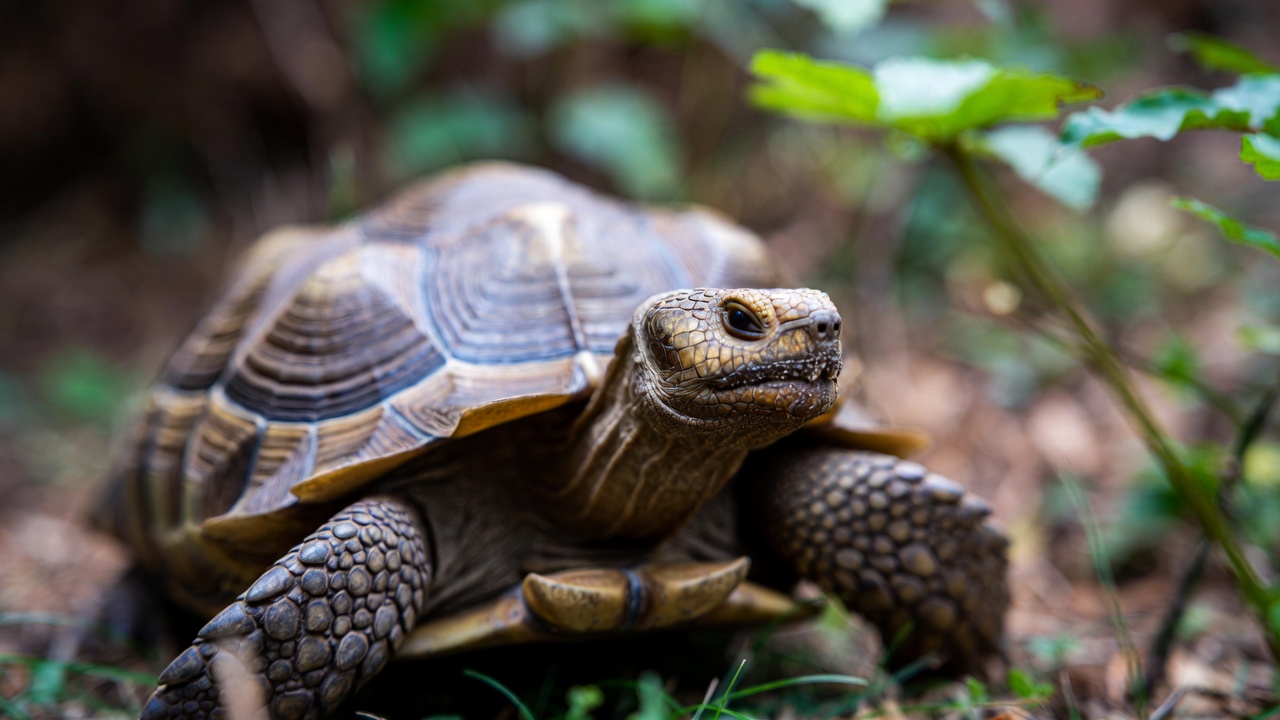
Tortoises are amazing pets. They’re calm, quiet, and can live for a very long time. Some tortoises outlive their owners! But they do need proper care to stay healthy and happy.
This guide covers everything you need to know. From setting up their home to feeding them the right food. We’ll keep it simple and straight to the point.
Let’s get into it.
What Kind of Tortoise Do You Have?
Before anything else, you need to know your tortoise’s species. Different species have different needs. A Russian tortoise lives in a dry, cool climate. A sulcata tortoise (also called an African spurred tortoise) needs lots of heat and space. A Hermann’s tortoise sits somewhere in between.
Get this part right and everything else becomes easier.
Common pet tortoise species include:
- Russian tortoise – small, hardy, great for beginners
- Hermann’s tortoise – friendly, medium-sized, easy to manage
- Sulcata tortoise – large, needs lots of space and heat
- Greek tortoise (spur-thighed tortoise) – similar to Hermann’s, popular pet
- Red-footed tortoise – likes humidity, more tropical needs
Once you know the species, you can fine-tune everything else. The care tips in this guide apply to most common pet tortoises, but always double-check for your specific type.
Setting Up the Perfect Tortoise Habitat
Your tortoise needs a safe, comfortable space to live. This is called a tortoise enclosure or tortoise table. Getting this right is one of the most important parts of tortoise care.
Indoor vs. Outdoor Enclosures
Tortoises can live indoors or outdoors depending on your climate.
Outdoor enclosures are great if you live somewhere warm. Tortoises love natural sunlight. Fresh air and real grass make them very happy. Just make sure the enclosure is escape-proof. Tortoises are better diggers and climbers than you might think.
Indoor enclosures work well in cooler climates or during winter months. A tortoise table (a large, open-top wooden box) is better than a glass tank. Glass tanks trap moisture and don’t allow good airflow. Tortoises need dry, fresh air to stay healthy.
How Big Should the Enclosure Be?
Bigger is always better. A small enclosure stresses your tortoise out.
For a small species like a Russian tortoise, start with at least 4 feet by 2 feet of floor space. For larger species like sulcatas, you’ll need much more room — think outdoor pens or large garden areas.
Tortoises are active animals. They love to roam, explore, and dig. Give them room to do that.
Substrate (Bedding) for Tortoises
Substrate is what lines the bottom of the enclosure. It matters a lot.
Good substrate options include:
- Topsoil – natural, great for digging, cheap
- Coconut coir – holds moisture well, soft on feet
- Playsand mixed with topsoil – a popular combo
- Orchid bark – works well for tropical species
Avoid gravel, sand alone, or wood chips. These can cause gut impaction if swallowed. Tortoises do accidentally eat substrate sometimes.
The substrate should be deep enough for your tortoise to dig into. Around 4 to 6 inches is a good depth.
Temperature and Lighting: Getting It Just Right
Tortoises are cold-blooded reptiles. They can’t regulate their own body temperature. So you have to do it for them.
The Basking Spot
Every tortoise enclosure needs a basking spot. This is a warm area where your tortoise goes to heat up. The temperature in the basking spot should be around 95°F to 105°F (35°C to 40°C) for most species.
Use a heat lamp or basking bulb for this. Position it over one end of the enclosure so the tortoise can choose between warm and cool areas.
The Cool Side
The other end of the enclosure should be cooler. Around 70°F to 80°F (21°C to 27°C) works for most species. This lets your tortoise thermoregulate — moving between warm and cool to keep their body at the right temperature.
UVB Lighting — This One Is Critical
UVB light is not optional. It’s essential.
Tortoises need UVB rays to produce vitamin D3. Without vitamin D3, they can’t absorb calcium. Without calcium, their shell and bones weaken. This condition is called metabolic bone disease (MBD), and it’s serious.
If your tortoise gets natural sunlight every day, that covers UVB needs. But for indoor tortoises, you need a UVB lamp.
Buy a good quality UVB bulb — look for one with a UVB output of 10% to 12% for desert species. Replace it every 6 to 12 months even if it still looks bright. UVB output fades before the light burns out.
Day and Night Cycle
Tortoises need a natural day-night rhythm. Keep lights on for about 12 to 14 hours a day. Turn them off at night. This mirrors natural sunlight patterns and keeps your tortoise’s body clock in good shape.
What Do Tortoises Eat?
Feeding a tortoise sounds simple. But there are some key rules to follow.
The Main Diet: Leafy Greens and Weeds
Most tortoises are herbivores. They eat plants, not meat.
The best foods for tortoises include:
- Dandelion leaves and flowers – a favourite for most species
- Plantain (broadleaf plantain) – nutritious and easy to find
- Clover – great in small amounts
- Kale, collard greens, mustard greens – good leafy greens
- Grape leaves – a nice treat
- Hibiscus flowers and leaves – tortoises love these
Variety is key. Don’t feed the same thing every day. Mix it up so your tortoise gets a range of nutrients.
Foods to Avoid
Some foods are harmful to tortoises. Keep these away:
Spinach – high in oxalates, blocks calcium absorption
Iceberg lettuce – has almost no nutritional value
Fruit – too much sugar, can upset the digestive system (a small amount is okay for some species)
Meat, dairy, dog food – tortoises are herbivores, these can cause kidney damage
Avocado, rhubarb – toxic to tortoises
Stick to safe, natural plant-based foods. When in doubt, research before feeding.
Calcium Supplementation
Calcium is vital. Sprinkle a calcium powder (without vitamin D3, since UVB handles that) over your tortoise’s food 3 to 5 times a week.
You can also leave a cuttlebone in the enclosure. Tortoises gnaw on it when they need calcium. It works well and is very affordable.
How Often Should You Feed a Tortoise?
Feed adult tortoises once a day. Some keepers do every other day. Young tortoises need daily feeding to support their growth.
Offer a portion roughly the size of their shell. Don’t overfeed — obesity is a real problem in pet tortoises.
Hydration and Bathing
Tortoises need water. But they don’t drink from bowls the way dogs do.
Soaking Your Tortoise
Soak your tortoise in shallow, lukewarm water 2 to 3 times a week. The water should be warm, not hot, and shallow enough that your tortoise can hold its head above water easily.
Soaking helps tortoises:
- Stay hydrated
- Stimulate them to poop (yes, really)
- Keep their skin healthy
- Soften any dried debris on their shell or skin
Soak for about 20 to 30 minutes. Keep an eye on them the whole time.
Water Dish in the Enclosure
You can keep a shallow water dish in the enclosure too. Make sure it’s easy for your tortoise to climb into and out of. If it’s too deep, your tortoise could drown. Tortoises are not good swimmers.
Change the water daily to keep it clean.
Tortoise Shell Health
The shell is one of the most important parts of a tortoise’s body. It’s not just armour — it’s made of living bone connected to the spine and ribs.
Signs of a Healthy Shell
A healthy shell is:
- Smooth and hard
- Symmetrical in shape
- Free of cracks, soft spots, or unusual bumps
Pyramiding
Pyramiding is when the scutes (the sections of the shell) grow upward in a pyramid shape. It’s common in captive tortoises.
Mild pyramiding isn’t life-threatening, but excessive pyramiding can signal poor diet, incorrect humidity, or growth issues. Improving husbandry (care conditions) early helps prevent it.
Shell Rot
Shell rot is a bacterial or fungal infection. It causes the shell to look discoloured, soft, or pitted. It has a foul smell.
If you notice this, take your tortoise to a reptile vet immediately. Shell rot can be treated but it needs proper care.
Tortoise Behaviour and Mental Health
Yes, tortoises have mental health needs too.
They Need Enrichment
Tortoises explore. They like to roam, dig, and interact with their environment. An empty enclosure with nothing to explore is boring and stressful.
Add these to keep your tortoise engaged:
- Rocks to climb over
- Logs to push around
- Hiding spots and burrows
- Plants (safe, edible ones are best)
- Varied terrain — flat and uneven ground
A bored tortoise often paces along the walls of its enclosure. This is called glass surfing or wall surfing. It means they want more space or stimulation.
Hibernation (Brumation)
Many tortoise species hibernate in the wild. In captivity, this is called brumation.
Species like Russian tortoises and Hermann’s tortoises naturally want to hibernate during cooler months. If you keep them in warm indoor conditions year-round, they may still slow down during winter.
Brumation should only be done with a healthy tortoise. A sick or underweight tortoise should not be allowed to hibernate — it can be dangerous.
If you’re new to tortoise care, talk to an experienced keeper or reptile vet before attempting brumation. Get it right and it’s perfectly safe. Get it wrong and it can be fatal.
Handling Your Tortoise
Tortoises are not cuddly pets. They don’t enjoy being held the way cats or dogs do.
That said, regular gentle handling helps your tortoise get used to you. It reduces stress when you need to check their health or soak them.
Keep handling sessions short. Always support their body fully — never let them dangle in mid-air. Always wash your hands before and after handling. Tortoises can carry salmonella.
Tortoise Health: What to Watch For
A healthy tortoise is active, alert, and eats well. Watch for these warning signs that something is wrong.
Common Health Problems
Respiratory infection – symptoms include wheezing, bubbling mucus from the nose, laboured breathing, and lethargy. This needs vet attention fast.
Metabolic bone disease (MBD) – caused by calcium or UVB deficiency. Signs include soft shell, deformed limbs, and weakness. Prevented by proper diet and UVB exposure.
Parasites – both internal (worms) and external (mites) parasites affect tortoises. A vet can test and treat these.
Eye problems – swollen or closed eyes can signal vitamin A deficiency or infection.
Prolapse – when internal tissue protrudes from the cloaca (rear opening). This is an emergency. Get to a vet immediately.
Runny nose syndrome (RNS) – a common condition in some species caused by bacteria or viruses. Contagious between tortoises. Requires vet treatment.
Finding a Reptile Vet
Not all vets treat reptiles. Find a reptile-specialist vet before you need one. Emergency searches for exotic vets are stressful and time-consuming.
Take your tortoise for a check-up when you first get them. Schedule annual wellness checks after that. Catching problems early saves lives.
Keeping Multiple Tortoises
Can you keep more than one tortoise together?
Sometimes yes. Sometimes no.
Male tortoises are territorial. Two males in the same space will often fight. This can cause serious injury — biting, shell damage, and stress.
A male and female together can work, but the male may harass the female constantly. This stresses the female out and can harm her health.
Two females usually do okay together, especially in a large space.
If you keep multiple tortoises, watch for bullying. Make sure every tortoise gets enough food and has access to basking spots without competition.
Outdoor Tortoise Enclosures: Extra Tips
If you have outdoor space, an outdoor pen is a fantastic option. Natural sunlight is the best UVB source. Fresh air, natural plants, and room to roam — tortoises thrive outdoors.
Here’s what to keep in mind:
Security – use solid walls that go underground at least 12 inches. Tortoises dig and escape. Predators like foxes, raccoons, and birds of prey are real threats.
Shade – provide shaded areas so your tortoise can cool down. Overheating is dangerous.
Rain shelter – some shelter from heavy rain is a good idea. Most tortoises don’t like being soaked in cold rain.
Temperature checks – don’t leave your tortoise outside if the temperature drops below 50°F (10°C). Bring them in on cold days.
Check daily – always check on outdoor tortoises every single day.
Tortoise Lifespan and Long-Term Commitment
Here’s the thing nobody talks about enough before getting a tortoise.
They live for a very long time.
Many common pet tortoises live for 50 to 100 years. Some species live even longer. Getting a tortoise is a lifelong commitment. In many cases, you’ll need to arrange care for them in your will.
This isn’t meant to scare you. It’s meant to help you go in with open eyes. Tortoises are rewarding, fascinating pets. But they’re not a short-term pet. They need consistent, quality care for their entire life.
Quick Tortoise Care Checklist
Here’s a handy summary to come back to:
- ✅ Know your tortoise’s species
- ✅ Set up a large enough enclosure with proper substrate
- ✅ Provide a basking spot (95°F–105°F) and a cool side
- ✅ Use a quality UVB lamp indoors
- ✅ Feed a varied diet of leafy greens and safe weeds
- ✅ Dust food with calcium supplement regularly
- ✅ Soak your tortoise 2–3 times a week
- ✅ Provide enrichment in the enclosure
- ✅ Find a reptile vet and schedule annual check-ups
- ✅ Watch for signs of illness
- ✅ Plan for the long term — tortoises live for decades
Final Thoughts
Caring for a tortoise takes effort. But it’s absolutely worth it.
These ancient reptiles have been around for millions of years. They’re built to survive. But in captivity, they depend on you for everything — warmth, food, hydration, health care, and safety.
Get the basics right and your tortoise will reward you with decades of fascinating behaviour. You’ll watch them grow, develop their own personality, and become a true part of your family.
Start slow. Learn as you go. Ask questions in tortoise keeper communities. Connect with a good reptile vet.
You’ve got this — and your tortoise is lucky to have someone who cares enough to learn.