
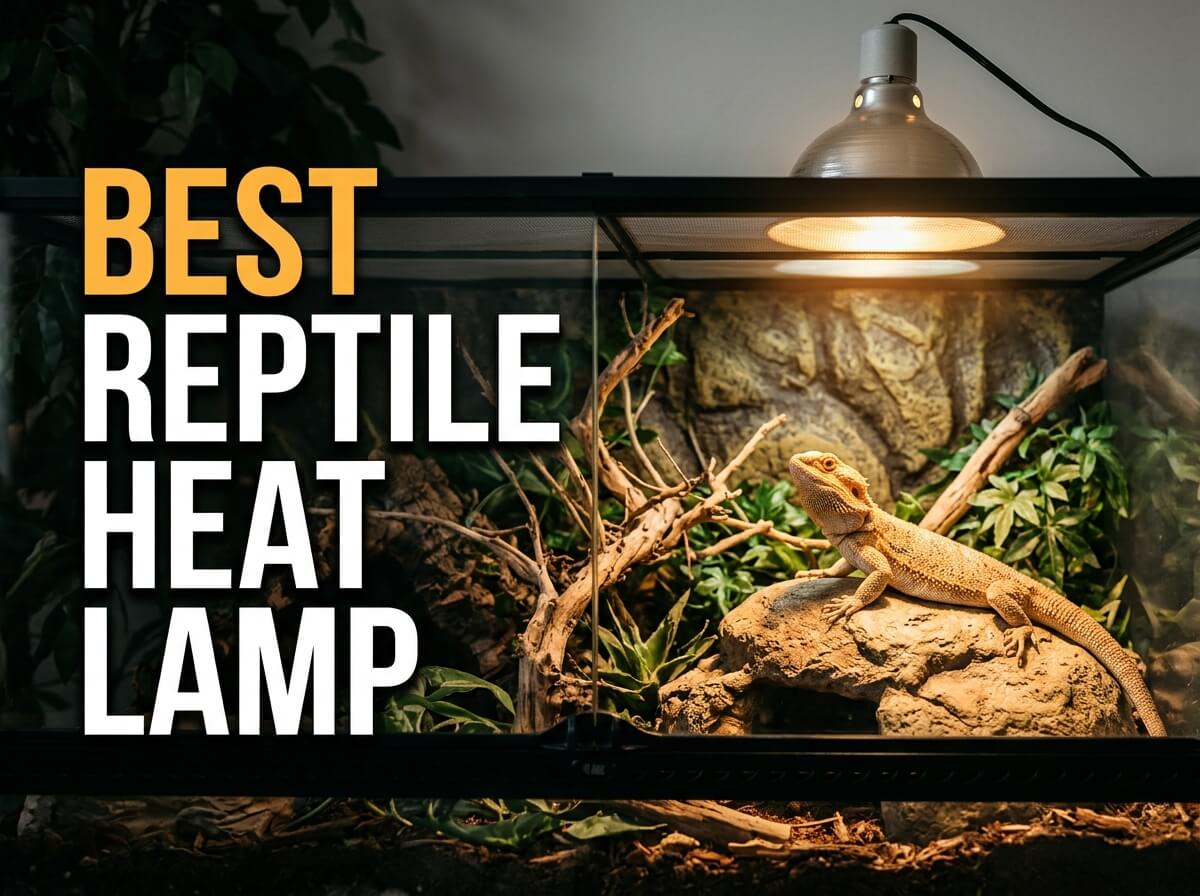
5 Best Reptile Heat Lamp In 2026
If you keep a bearded dragon, a turtle, a lizard, or any other reptile that needs warmth, you already know a heat source is not optional. Reptiles cannot make their own body heat the way mammals do, so they rely on their surroundings to warm up, digest food, and stay healthy. A good reptile heat lamp sits at the center of that setup. It gives your pet a warm spot to bask, and it helps keep the enclosure at the right temperature.
The problem is that the market is full of lamps, bulbs, clamps, and fixtures, and many of them look nearly identical online. Some give you light and heat together, some only give heat, and some combine UVA and UVB output in a single unit. This roundup walks through five popular options so you can see how they differ, what they do well, and where they fall short.
We looked at each product based on its listing details, its stated specifications, and general reptile husbandry guidance. We did not invent test results or claim long-term data we do not have. Instead, we focused on what each product is designed to do, who it suits, and what you should double-check before you plug it in.
Quick Look at the Five Products
Here is a short overview so you can scan the field before we go deeper.
| Product | Type | Light Output | Best For |
|---|---|---|---|
| REPTITRIP Dual Light Fixture | Ceiling or stand fixture with two switches | Depends on bulbs you add | Setups that need separate heat and light control |
| Simulated Sunlight Heat Bulbs, 2-Pack 100W | Basking bulbs | Visible light with heat | Basking spots in open or larger enclosures |
| TFNN Double-Head Clamp Lamp | Clamp lamp with two heads and timer | UVA and UVB with heat | All-in-one setups with a built-in timer |
| Day and Night Heat Bulbs, 2-Pack 100W | Basking bulbs with UVA | Daylight-style light with heat | Day basking with a simple bulb swap |
| LUCKY HERP 150W Ceramic Heat Emitter, 2-Pack | Ceramic heat emitter | No visible light | Night heat without disturbing sleep cycles |
Keep this table in mind as you read. The right pick depends far more on your enclosure size, your animal, and your daily routine than on any single feature.
What a Reptile Heat Lamp Actually Does
Before we compare products, it helps to know what these lamps are supposed to do. A reptile heat source usually creates a temperature gradient inside the enclosure. One end gets warm, often called the basking spot, and the other end stays cooler. Your pet moves between the two to control its body temperature. This movement is normal and healthy.
Heat lamps and bulbs come in a few main types. Basking bulbs produce both light and heat, and many people use them for daytime warmth. Ceramic heat emitters produce heat only, with no visible glow, so they work well at night. UVA and UVB lights are a separate category. UVB helps many reptiles process calcium, while UVA supports natural behavior and activity. Not every product on this list provides UVB, so read each listing closely.
One detail beginners often miss is that a lamp’s wattage does not tell you the surface temperature. Distance, enclosure size, ventilation, and the material of the enclosure all change the result. A 100W bulb placed too close to a small tank can cook your pet, while the same bulb in a large open enclosure might barely warm the basking spot. Always measure the temperature with a reliable thermometer, ideally an infrared surface thermometer and a probe thermometer, before you trust the setup.
Product Reviews
1. REPTITRIP Reptile Heat Lamp Fixture, Dual Light Fixture with Two Switches
Product Description
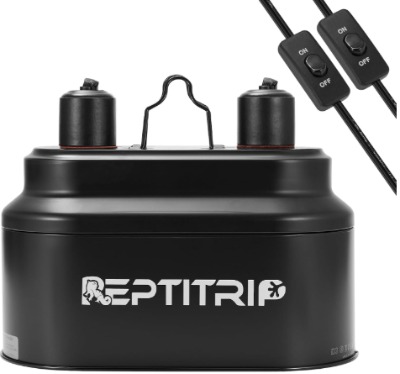
This is a fixture rather than a bulb. It is built to hold heat or light bulbs and gives you two separate switches, so you can run one light or both at the same time. The main appeal is control. Many keepers want heat during the day and a different setting in the evening, and two switches make that easier to manage without swapping parts.
Best Use Cases
This fixture suits people who want a flexible setup. It works well if you plan to run a basking bulb on one switch and a secondary heat source on the other. It also fits keepers who like to change their setup as their pet grows, because you can swap bulbs without replacing the whole fixture.
Key Features Explained Simply
The two switches are the standout feature. Each one controls a separate socket, so you can turn on exactly what you need. The fixture is meant to be mounted above the enclosure, which keeps the heat source out of reach and reduces the chance of your pet touching a hot surface.
Real-Life Usage Insight
In practice, a fixture like this is most useful when you already know what you want. If you are brand new, you will still need to buy the right bulbs and test the temperature. The fixture itself does not create heat or light. It holds and powers whatever you put in it. That makes it a smart base for a custom setup, but it is not a complete solution on its own.
Pros
- Two switches give you separate control over heat and light.
- Makes it easy to change bulbs without replacing the whole unit.
- Helpful for setups that need different day and night settings.
Cons
- It does not include the heat or light source, so you must buy bulbs separately.
- Beginners may need extra research to match the fixture with the right bulbs.
- Mounting and wiring require some care, especially in a crowded room.
Ease of Use
Setup is manageable for most people with basic tools. Mount it securely, check that the cord is out of your pet’s reach, and make sure the bulbs you add match the fixture’s stated limits. Keep the area around the fixture clear of bedding and decorations that could catch fire if they get too hot.
Value for Money
The value depends on what you add to it. If you already have bulbs and want a reliable fixture with separate switches, this is a sensible buy. If you need a complete starter kit, you may spend more in the end once you add bulbs, thermometers, and a timer.
2. Reptile Heat Lamp, Simulate Natural Sunlight Heat Light Bulbs, 2-Pack 100W
Product Description
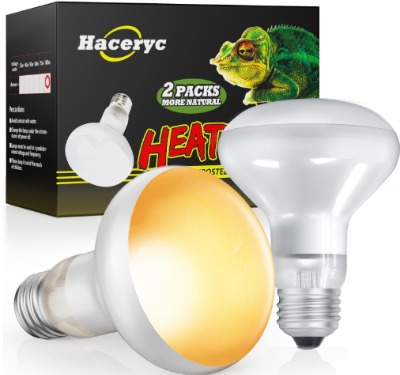
This is a two-pack of basking bulbs rated at 100W each. The listing describes them as simulating natural sunlight, which means they produce visible light along with heat. They are designed for reptiles and other animals that enjoy a warm, bright spot to rest in during the day.
Best Use Cases
These bulbs fit larger enclosures where the basking spot needs real heat. They suit bearded dragons in roomy tanks, and they can also work for other basking species that need a strong warm zone. Two bulbs in a pack also make it easy to keep a spare on hand.
Key Features Explained Simply
The main feature is the combination of heat and light. Your pet sees a bright spot, and the warmth comes with it. The 100W rating means these bulbs run hot, so they need a safe mounting distance and enough room in the enclosure to create a cooler zone.
Real-Life Usage Insight
A 100W bulb is powerful, and that is both its strength and its risk. In a small enclosure, it can overheat the whole space within a short time. Many keepers use these bulbs in larger setups or pair them with a thermostat. Always check the surface temperature at the basking spot and make sure your pet can move away from the heat.
Pros
- Gives both light and heat in one bulb.
- The two-pack means you always have a spare.
- Strong heat output suits larger enclosures.
Cons
- The 100W rating can be too hot for small tanks.
- Bulbs run hot, so you need a safe fixture and distance.
- Does not replace a dedicated UVB source, so you may need extra lighting.
Ease of Use
Installation is simple. Screw the bulb into a compatible fixture, mount it at a safe distance, and turn it on. The hard part is the temperature setup, not the bulb itself. Plan to use a thermometer and possibly a dimmer or thermostat to keep things steady.
Value for Money
For a two-pack of basking bulbs, the price is reasonable. You get a spare and a clear heat output. Just remember that you may need extra gear, such as a thermostat or a good fixture, to use these bulbs safely.
3. TFNN Reptile Heat Lamp, Double-Head Heat Lamp with Clamp, UVA UVB Reptile Light with Intelligent Cycle Timer, 2 Bulbs 25W and 50W
Product Description
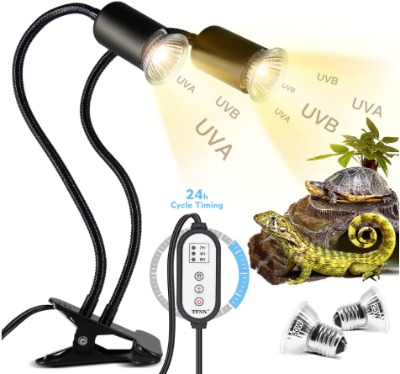
This is a clamp lamp with two heads, and it comes with two bulbs: one rated at 25W and one at 50W. The listing says it provides UVA and UVB light along with heat. It also includes an intelligent cycle timer, which helps you set daytime and nighttime schedules without manual switching. The clamp lets you attach it to the edge of a tank or a stand.
Best Use Cases
This lamp suits smaller to medium enclosures and keepers who want an all-in-one setup. It works well for bearded dragons, some lizards, and turtles that need both heat and UV. The timer is especially helpful if you travel, work long hours, or simply want a consistent routine for your pet.
Key Features Explained Simply
The double head is handy because you can point each light toward a different part of the enclosure. The 25W and 50W bulbs give you two heat levels, so you can match the output to your enclosure size. The timer takes the guesswork out of when lights turn on and off, which supports a steady day and night rhythm.
Real-Life Usage Insight
The clamp design is convenient, but it needs a secure hold. Make sure the clamp grips a stable surface and that the lamp cannot tip or slide. Also check that the cord is not dangling into the enclosure. The timer is a real help, though you should still confirm the temperature with a thermometer, because the timer controls when the lamp runs, not how hot it gets.
Pros
- Includes UVA and UVB along with heat in one lamp.
- The built-in timer makes daily routines easier.
- Two bulb wattages help you adjust heat output.
- Double-head design lets you aim light at more than one spot.
Cons
- Clamp lamps need a secure mounting surface.
- Hot bulbs near a clamp need careful placement to avoid damage to the tank.
- UVB output drops over time, so you will need to plan for replacement.
Ease of Use
This is one of the easier options for beginners. Clamp the lamp, insert the bulbs, plug it into the timer, and set your schedule. The main job is positioning. Test the basking spot and adjust the angle until you get the right warmth without hot spots that stress your pet.
Value for Money
The value is strong for an all-in-one kit. You get heat, UV, a timer, and two bulbs in one package. For many keepers, that saves money compared to buying each piece separately. The main trade-off is that the clamp and timer may not suit every enclosure design.
You can check the brand’s full product range on the TFNN brand page.
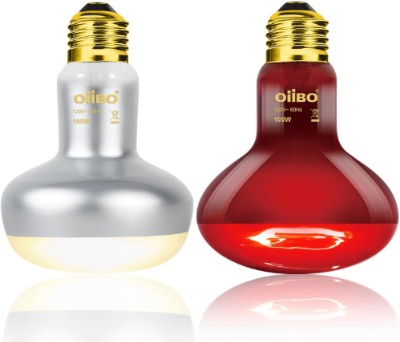
4. Reptile Heat Lamp Bulb, 2-Pack 100W Day and Night Reptile Heat Lamp, UVA Daylight Heat Basking Bulb, Infrared Heat Light Bulb for Reptiles, Bearded Dragon, Lizard, Turtles
Product Description
This is another two-pack of 100W bulbs, marketed as day and night bulbs with UVA daylight output and infrared heat. The idea is simple: you get a bright daytime bulb that also gives off warmth. The listing targets bearded dragons, lizards, and turtles, which are common pets that rely on basking.
Best Use Cases
These bulbs work best as a daytime basking source in a larger enclosure. They can suit a keeper who wants a simple bulb swap without a complicated fixture. They also fit a setup where you already have a suitable fixture and want a spare pack on hand.
Key Features Explained Simply
The bulbs offer daylight-style light, UVA output, and infrared heat. Infrared heat is felt as warmth, which is why basking bulbs are popular with reptiles that like to soak up sun-like rays. The “day and night” label can be confusing, though. Most bulbs with visible light should not be used as a night heat source, because light can disturb your pet’s sleep. A ceramic heat emitter is usually the better pick for nighttime warmth.
Real-Life Usage Insight
In real use, these bulbs behave like other 100W basking bulbs. They can create a strong hot spot, so distance and enclosure size matter a great deal. Watch your pet closely during the first few days. If it pants, stays flattened on the hot surface, or refuses to move away from the light, the setup may be too hot.
Pros
- Provides daylight-style light and heat together.
- Two-pack gives you a spare bulb.
- Simple to install in a compatible fixture.
Cons
- The 100W output can be too strong for small enclosures.
- The “day and night” label does not mean they are ideal for nighttime use.
- Works best with a thermostat or careful placement.
Ease of Use
Setup is straightforward. Screw in the bulb, mount the fixture safely, and check the temperature. The bulb itself is easy to use, but the success of your setup depends on the thermometer readings and how well you monitor your pet during the first week.
Value for Money
These are fairly priced for a two-pack of basking bulbs. The value is good as long as you already own a suitable fixture and understand the heat requirements. If you need to buy a fixture and thermostat as well, your total cost rises quickly.
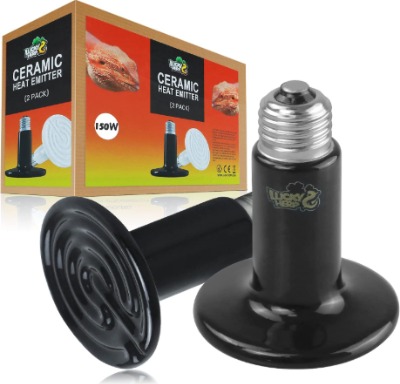
5. LUCKY HERP 150W Ceramic Heat Emitter, Reptile Heat Bulbs, Ceramic Heat Lamp for Reptiles, Amphibian, Chicken, Dog, Cat, 2-Pack
Product Description
This is a two-pack of ceramic heat emitters rated at 150W each. Unlike the basking bulbs above, these produce heat without visible light. The listing mentions a range of animals, including reptiles, amphibians, chickens, dogs, and cats, which shows how widely ceramic heat sources are used in animal care.
Best Use Cases
Ceramic heat emitters are ideal for night heating. They keep the enclosure warm after the lights go off, so your pet does not get too cold while sleeping. They also suit setups where you want heat without disturbing a day and night cycle. Keepers who use a separate light source for daytime often pair these emitters with a UVB tube.
Key Features Explained Simply
The main feature is heat without light. This matters because many reptiles need darkness to rest. Ceramic emitters also tend to last a long time compared to standard incandescent bulbs, though lifespan depends on use, fixture quality, and how often the unit cycles on and off. The 150W rating is strong, so it works best in larger enclosures or with a thermostat.
Real-Life Usage Insight
These emitters can run hot on the surface, so they need a fixture made for them. Never use a standard light socket designed only for visible bulbs unless the packaging says it is safe. Keep the emitter away from anything that could melt or burn, and use a thermostat if you want steady temperatures at night. Many keepers find that a ceramic emitter gives a more stable night temperature than a light bulb would.
Pros
- Provides heat without light, so it suits night use.
- Strong output for larger enclosures.
- Works with a range of animals, which makes it a flexible option.
- Two-pack means you can keep a spare.
Cons
- Needs a ceramic-rated fixture and safe mounting.
- Does not provide light, so you need a separate daytime source.
- Strong heat output can overheat small enclosures without controls.
Ease of Use
Installation requires more care than a standard bulb. Check that your fixture is rated for ceramic emitters and that the wiring is secure. Once it is set up, the emitter is simple to run. The main task is testing the temperature and making sure the enclosure does not get too warm at night.
Value for Money
The price is fair for a two-pack of ceramic emitters, especially if you need a nighttime heat source. The real value comes when you pair it with a proper fixture and thermostat. Without those, you may end up spending more to make it safe.
Comparison Insights
When you put these five products side by side, a few patterns stand out. Two of them are basking bulbs with visible light, two are designed for heat and light in different ways, and one is a dedicated night heat source. Your decision should start with what your pet needs during the day and during the night.
The 100W basking bulbs in products two and four are similar in purpose. They provide strong daytime heat and light, and both come as two-packs. The main difference is marketing language. Product two emphasizes simulated sunlight, while product four highlights day and night use and UVA output. In practice, you should judge them by heat output, bulb quality, and how well they fit your fixture rather than by the label alone.
The TFNN clamp lamp in product three stands apart because it bundles UVA, UVB, heat, and a timer in one kit. This makes it the most complete option for beginners who want everything in one place. The trade-off is flexibility. If you already have a fixture you like, the clamp lamp may not fit your setup, and its lighting needs a good mounting surface.
The REPTITRIP fixture in product one is a different kind of product. It does not provide heat or light by itself. Instead, it gives you a stable, controllable base for your bulbs. This makes it a strong choice for keepers who already know what they need, but it is less suitable for someone who wants a single purchase that works straight out of the box.
The LUCKY HERP ceramic emitters in product five are the only true night heat option on this list. If your pet needs warmth after the lights go off, these emitters fill that gap. They pair well with a daytime light source, so many keepers use them together rather than choosing one or the other.
In short, if you want daytime warmth with light, look at products two, three, or four. If you need night heat without light, look at product five. If you want a flexible base for a custom setup, look at product one.
Buying Guide: What to Check Before You Buy
A good buying decision comes down to a few practical checks. Start with your enclosure size. Small tanks need lower wattage and careful placement, while large enclosures can handle stronger bulbs. Measure your tank before you shop so you can compare the listing dimensions against your setup.
Next, think about the type of light your pet needs. Basking bulbs give light and heat during the day. UVB provides the ultraviolet output many reptiles need for healthy calcium use. Ceramic emitters give heat only. Many people combine a basking bulb, a UVB source, and a ceramic emitter, but an all-in-one lamp can simplify things if you are just starting out.
Check the fixture rating. This is a big safety point. A bulb or emitter must match the socket and mounting system you use. Read the packaging and the listing for wattage limits. Never push a bulb beyond what the fixture is rated to handle.
Look at controls. A timer helps you keep a steady day and night schedule. A thermostat helps you maintain a set temperature, which is especially useful with ceramic emitters and strong basking bulbs. Even if you choose a product without these controls, plan to add them if your setup needs them.
Finally, budget for the extras. Many beginners forget about thermometers, a hygrometer, a dimmer, and replacement bulbs. A low price on the main product can look attractive until you add the other essentials. Factor those costs in from the start so you do not get surprised later.
Who Should Buy These Products
Beginners with a bearded dragon or small lizard will likely find the TFNN clamp lamp the easiest starting point. It bundles heat, UV, and a timer, so you do not need to piece together a complicated setup. Just make sure the clamp is secure and the temperatures are checked.
Keepers with a larger enclosure may get more out of the 100W basking bulbs in products two and four. These suit roomy setups where the basking spot needs real heat. Pair them with a reliable thermometer and, ideally, a thermostat.
Experienced keepers who like custom setups will appreciate the REPTITRIP fixture. It gives you control over each light source and lets you change bulbs as your needs change. It is less friendly for complete beginners, but it rewards people who know what they want.
Anyone who needs night warmth should look at the LUCKY HERP ceramic emitters. They are the right fit when your pet needs heat after dark without bright light. They work best with a proper fixture and a thermostat.
Multi-pet households may want a mix of products. For example, you could use a basking bulb for daytime and a ceramic emitter for night, which would cover the needs of more than one species or enclosure.
Common Mistakes to Avoid
The first mistake is choosing wattage based only on the size of the pet. The enclosure size matters more. A small tank with a strong bulb can overheat quickly, while a big tank with a weak bulb may never reach a proper basking temperature.
The second mistake is skipping the thermometer. Many people trust the label or the feel of the lamp, but they never measure the real temperature. Use an infrared surface thermometer for the basking spot and a probe thermometer for the cool side. Check both regularly.
The third mistake is using a daytime bulb for nighttime heat. Visible light can disrupt sleep, and many reptiles rest better in darkness. Use a ceramic heat emitter or another heat-only source for night.
The fourth mistake is forgetting about UVB replacement. UVB tubes lose their useful output over time, even if they still look bright. Follow the maker’s replacement schedule, and mark the date on the fixture or your calendar so you do not forget.
The fifth mistake is ignoring fixture safety. Hot bulbs can melt plastic, scorch bedding, or crack glass. Keep cords out of reach, mount lamps securely, and avoid placing flammable materials near any heat source.
The sixth mistake is assuming one product covers everything. Most reptiles need a combination of heat, light, and UV. Expect to build a setup rather than rely on a single lamp.
Final Verdict
If you want one clear recommendation for a beginner, the TFNN double-head clamp lamp is the most complete package on this list. It gives you heat, UVA and UVB, a timer, and two bulbs in one kit. It is easy to set up, and it covers the basics without requiring you to learn a lot of new equipment first.
For larger enclosures that need strong daytime heat, the two 100W basking bulb packs are worth a close look. Product two suits keepers who want simulated sunlight, while product four suits those who want a day-style bulb with UVA. Both need proper fixtures, careful placement, and temperature monitoring.
The REPTITRIP fixture is a good pick for keepers who already have their bulbs and want flexible control with two switches. It is a base rather than a full solution, so plan to buy the right bulbs and accessories.
The LUCKY HERP ceramic heat emitters fill a specific need. They are the best option here for nighttime heat without light, especially when used with a thermostat and a suitable fixture. Pair them with a daytime light source for a complete setup.
No single product fits every pet, enclosure, or budget. Start with your animal’s needs, measure your enclosure, check fixture ratings, and monitor temperatures closely. A careful setup will do more for your pet’s comfort than any product name on the box.
Frequently Asked Questions
Is a 100W reptile heat lamp too strong for a small tank?
It can be. A 100W bulb can overheat a small enclosure quickly. Check the basking spot temperature with a thermometer, and use a thermostat or a lower-wattage bulb if the space runs too hot.
Do reptiles need UVB light?
Many reptiles, especially diurnal species like bearded dragons, benefit from UVB because it helps them process calcium. Research the specific needs of your pet species, since requirements vary.
Can I use a ceramic heat emitter during the day?
You can, but many keepers prefer a basking bulb for daytime because it gives light as well as heat. Ceramic emitters are most useful for night heat.
Do I need a thermostat?
A thermostat is not always required, but it is a strong safety tool, especially with ceramic emitters and high-wattage bulbs. It helps keep temperatures steady and reduces the risk of overheating.
How do I know if the temperature is right?
Check the basking spot and the cool side with separate thermometers. Compare your readings with the care guidelines for your specific species. If your pet stays pressed against a surface or pants constantly, adjust the setup.