
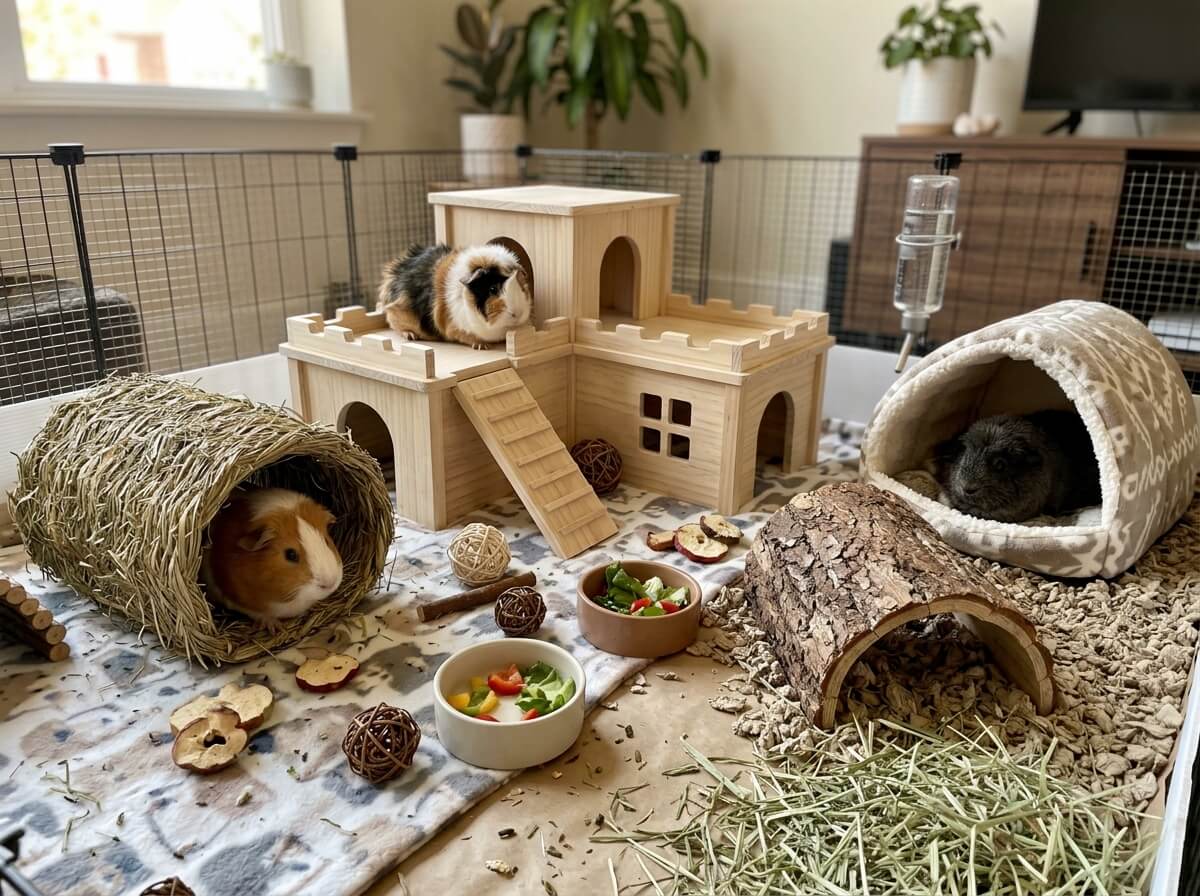
5 Best Guinea Pig Hideout In 2026
A guinea pig hideout might look like a small, simple box, but it does a lot of work. Guinea pigs are prey animals by nature, so they feel safer when they have a place to hide, rest, and feel protected. A good hideout gives them that spot. It also gives them something to chew on, a place to nap, and a bit of cover when the house gets noisy. A poor one can cause problems like splinters, mold, cramped sleeping space, or a pig that gets stuck or can’t climb in and out easily.
In this roundup, we look at five popular guinea pig hideouts and beds. These include two small wooden houses, a larger wooden castle with stairs, and two washable fabric-and-frame options. We’ll go through each product’s description, best use cases, key features, real-life usage, pros and cons, performance, ease of use, and value for money. Everything here is based on the product listing details and general guinea pig care knowledge, so you’ll know what to expect before you spend money. Where a detail isn’t clear from the listing, we’ll say so and tell you what to check.
Let’s start with the basics, so you know what to look for before reading the individual reviews.
What Makes a Good Guinea Pig Hideout
Before you compare products, it helps to know what a healthy hideout looks like. Most guinea pig owners run into the same handful of issues, and they’re easy to avoid once you know them.
Size Matters More Than Looks
The hideout should be big enough for your guinea pig to enter, turn around, and lie down comfortably. A common rule is that the entrance and inner space should let your pig move without squeezing. Many guinea pigs also like to sit with their head near the entrance so they can watch the room. If the hideout is too tight, your pig may avoid it altogether, or it may get stuck if it panics.
For the whole enclosure, a common minimum guideline for two guinea pigs is about 7.5 square feet of floor space. That’s a bigger number than many starter cages provide, so the hideout should fit inside a cage or pen that gives your pigs room to run and graze. A hideout shouldn’t take up most of the floor space.
Chew Safety Is Non-Negotiable
Guinea pigs chew constantly. Their teeth never stop growing, so they need to gnaw on safe materials. This is a good thing, because chewing wears their teeth down. But it also means the hideout must be made from materials that are safe to chew.
Untreated, unpainted wood is usually the best choice. Many keepers prefer kiln-dried pine or other woods that are plain and free of paint, varnish, or chemical treatments. Cedar and some other softwoods contain aromatic oils that some keepers avoid because they may irritate a guinea pig’s respiratory system, so it’s worth checking the material before you buy. Paint, glue, and stains can be harmful if your pig chews them off, so look for simple, natural finishes.
Fabric Beds Need Careful Cleaning
Washable fleece and fabric beds are popular because they’re soft, cozy, and easy to clean. They’re also a bit more demanding. Fabric holds moisture if it isn’t dried fully, and damp fleece can grow mold or bacteria. Guinea pigs also sometimes nibble on fabric, so you need to watch for swallowing loose threads or small pieces. Choose fabric that is secure and well-stitched, and dry it completely before putting it back in the cage.
Easy Access and Easy Cleaning
A hideout that’s hard to reach into or out of can cause stress, especially for older pigs or pigs with mobility issues. Check how the hideout opens, whether the roof lifts off, and whether the floor is solid or made of mesh. Solid floors are easier to keep dry and comfortable. Mesh floors can hurt sensitive feet over time.
Durability and Weight
Guinea pigs can push, flip, and drag things around the cage. A lightweight hideout may tip over or slide when your pig moves in or out. A sturdy hideout stays where you place it. Heavier wood is usually more stable, but it’s harder to move when you clean the cage.
With these basics in mind, let’s look at the five products.
Quick Comparison at a Glance
Here’s a short summary to help you scan the options before reading the full reviews.
| Product | Material | Style | Washable | Best For |
|---|---|---|---|---|
| UPINS 2 Pack Guinea Pig Bed, Guinea Pig Hideout | Fabric and frame | Soft bed/hideout | Yes | Cozy resting and easy cleaning |
| Bifeaw Natural Wooden Chew-Proof Guinea Pig Hideout | Natural wood | Simple wooden house | No | Chewing and natural feel |
| XiaZ Guinea Pig Hideout, Large Wooden Castle with Stair | Wood | Multi-level castle | No | Roomy setups with play space |
| 2 PCS Guinea Pig House and Bed, Washable | Fabric with frame | Small house | Yes | Budget multi-pet setups |
| UPINS 2 Pack Washable Small Animal House Bed | Fabric and frame | Soft house bed | Yes | Easy cleaning and extra bedding |
Now let’s dig into each one.
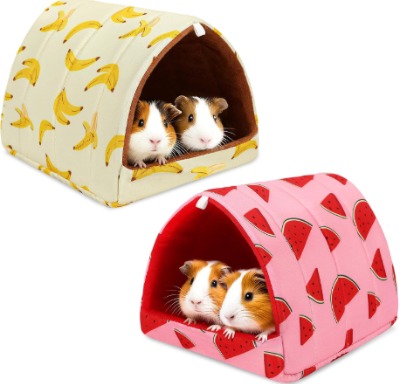
1. UPINS 2 Pack Guinea Pig Bed, Guinea Pig Hideout
Product Description
This set comes with two soft guinea pig beds that double as hideouts. Each bed has a fabric covering over a supportive base, with an opening that lets your pig crawl inside. The design is simple and cozy. It’s meant to give your pig a place to curl up, feel secure, and sleep without worrying about being out in the open.
The listing describes the beds as suitable for guinea pigs and other small animals, which is common for this type of product. Because two beds come in one pack, you can place one in each area of a larger cage or keep a spare on hand while the other is drying.
Best Use Cases
This pack works well for owners who want a soft, comfortable spot for resting and sleeping. It’s also a good fit for people who like to switch out bedding often, since two beds let you rotate them. If you have a pair of guinea pigs, you can put one bed in each corner so they don’t need to share one spot. Some owners also place a bed in a play pen or travel carrier for short trips, as long as it fits.
Key Features Explained
The main feature is the soft fabric covering. Fabric feels warm and gentle, which many guinea pigs enjoy. The base gives the bed some structure so it doesn’t collapse under your pig’s weight. The opening is designed for easy entry, which matters for pigs who are shy or in a hurry.
Because the beds are meant to be washed, they’re easier to keep clean than solid wood. You can remove the cover, shake out loose hay, and wash it. That convenience can make a big difference over time, especially if your pig tends to be messy.
Real-Life Usage Insight
Soft beds like this are often a favorite spot for guinea pigs who like to nap for long stretches. Many pigs will push bedding into the bed or drag hay inside, which can make it look messy quickly. Plan to check the bed each day and remove wet or soiled bedding.
One common issue with fabric beds is that they get damp from urine or from a pig that drinks or sleeps near the water bottle. A dry bed is much healthier than a damp one. If you see staining or a smell, wash the bed and dry it completely before putting it back.
Pros and Cons
On the plus side, these beds are soft, washable, and easy to replace if one wears out. Two beds in one pack give you flexibility, and the price is usually reasonable for a basic set.
On the downside, fabric can wear out faster than wood, especially if your pig likes to chew. Loose threads can be a risk if your pig swallows them, so check the stitching often. Some pigs also prefer harder surfaces and may ignore a soft bed in favor of a wooden one. The bed may not be large enough for bigger guinea pigs or for pigs that like to stretch out fully, so check the dimensions in the listing against your pig’s size.
Performance
For resting and sleeping, this type of bed performs well when it stays clean and dry. Guinea pigs generally like the feeling of being enclosed, and a soft hideout can help them relax. The main performance issue is durability. Fabric holds up well to gentle use but can show wear faster when a pig chews or scratches at it.
Ease of Use
Setting up this bed is quick. Place it in the cage, add some bedding around it, and let your pig explore. Most guinea pigs will check it out within a day or two, though some take longer. Cleaning is easy if the cover removes. If it’s sewn in, you’ll need to spot-clean more often.
Value for Money
For a two-pack of soft hideouts, the value is solid. You get two spots for your pigs, and you can wash them as needed. The main trade-off is that fabric will need replacing more often than solid wood, so count that into your long-term cost.
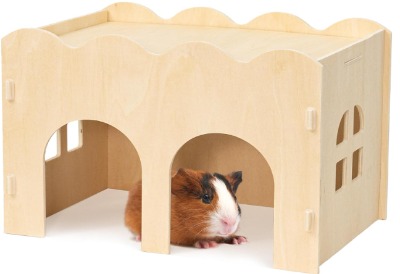
2. Bifeaw Natural Wooden Chew-Proof Guinea Pig Hideout
Product Description
This is a simple wooden hideout made from natural wood. It’s built as a small house with a single entrance and a solid roof. The look is plain and natural, which fits well into most cage setups. There are no bright colors or heavy decorations, just a basic wooden shelter for your pig to hide in.
The listing calls this product “chew-proof.” We’ll talk more about that claim in the performance section, but the short version is that no wooden item is truly chew-proof when it’s in a cage with a guinea pig.
Best Use Cases
This hideout is a good choice for owners who want a natural, chewable hideout that gives their pig something to gnaw on. It works well for pigs who like to chew wood and who are comfortable in enclosed spaces. It’s also a good fit for owners who prefer natural materials over fabric or plastic.
Key Features Explained
The main feature is the natural wood construction. Wood gives your pig something safe to chew, which helps keep teeth healthy. Wood also feels sturdy and stays in place better than many lightweight fabric options.
The solid roof provides a feeling of enclosure, which many guinea pigs find comforting. The simple design makes it easy to place in different areas of the cage and easy to keep clean. You can wipe it down, and you can replace pieces when they wear out.
Real-Life Usage Insight
Guinea pigs tend to chew wooden hideouts, especially the edges and entrance. Over time, you may see small splinters or teeth marks. This is normal wear, but check the house regularly for sharp edges or pieces that could cause injury. If your pig has a strong chewing habit, the hideout will wear down faster, and you may need to replace it sooner.
Many owners find that wooden hideouts also absorb some odor and moisture over time. That’s why it’s a good idea to replace the bedding around the hideout regularly and to check the wood for dampness.
Pros and Cons
On the plus side, the wood is natural and gives your pig something to chew. It’s sturdy and feels solid, and it doesn’t require washing like fabric does. The design is simple and easy to place in the cage.
On the other hand, wood can splinter, soak up urine, and develop odors if it isn’t cleaned well. It can’t be washed in a machine or soaked, so cleaning means scrubbing the surface and letting it dry thoroughly. The “chew-proof” label can also set expectations too high. Your pig will still chew it, so you should plan for wear and repairs.
Performance
This hideout performs well as a chewing outlet and a sturdy shelter. Guinea pigs often enjoy wooden houses because they feel secure and can spend time gnawing. The weakest point is hygiene. Wood needs regular attention to stay fresh, and it can take time to dry after cleaning. If you’re not able to clean it often, the wood may start to smell or stain.
Ease of Use
Setup is very easy. Place the house in the cage, add bedding, and let your pig find it. The main effort comes from cleaning. You’ll need to wipe, dry, and inspect the house often. Keep a spare on hand if you want to swap it out while the first one dries.
Value for Money
For a natural wooden hideout, the value depends on how long it lasts. If your pig chews a lot, you may need to replace it sooner. If your pig is a moderate chewer, a wooden house can last a good while with regular care. Compared to fabric, wood usually costs more up front but can last longer if it’s well maintained.
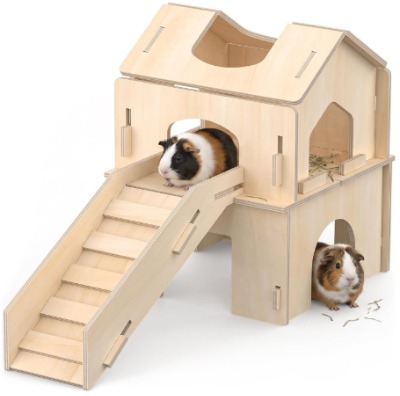
3. XiaZ Guinea Pig Hideout, Large Wooden Guinea Pig Castle with Stair, Detachable Double-Decker Small Animal House
Product Description
This is the largest product in the roundup. It’s a wooden castle with a stair, designed as a double-decker house. The top level can be detached, which means you can use it as one big house or as two separate parts. The stair links the levels, giving your pig a way to climb up and explore.
The listing says it works for dwarf rabbits, hamsters, and chinchillas as well as guinea pigs. That means the size is generous, which can be a positive for guinea pigs who need space to move.
Best Use Cases
This castle suits owners who have a large cage or pen and want to give their guinea pigs a multi-level environment. It’s a good choice if you want to add height and interest to the enclosure. Owners with a pair of guinea pigs may find it especially useful, since two pigs can use different levels at different times. It also works for owners who want a playful, enriching setup for their pets.
Key Features Explained
The biggest feature is the double-decker design. Having two levels gives your guinea pigs more space and more places to explore. The stair connects the two floors, so your pigs can move between them. The detachable top is handy because you can remove it for cleaning or to create a single hideout if your cage is shorter.
The wooden build gives the castle a natural look and a safe material for chewing. Because the house is large, it can hold more bedding and more accessories.
Real-Life Usage Insight
Multi-level houses can be a lot of fun for guinea pigs, but they need careful planning. Guinea pigs are not great climbers, and steep stairs can be hard for them to use safely. Older pigs, pigs with arthritis, or pigs with weak legs may struggle with stairs. Watch how your pig moves on the stair. If it slips, hesitates, or avoids the stair, consider adding a ramp with better grip or removing the upper level.
Also think about the height inside the cage. If the castle is too tall, it may limit the space above it or make it hard for you to reach in. Make sure there’s enough room for your pig to use the upper level without banging its head or getting stuck.
Pros and Cons
On the positive side, this castle offers plenty of space and multiple levels. The detachable design gives you flexibility, and the wooden build is natural and sturdy. It can be a good way to enrich a large enclosure.
On the negative side, the stair and upper level can be difficult for some guinea pigs to use. The castle takes up a lot of room, so it’s not a good fit for small cages. Wood also needs regular cleaning, and the multiple levels can make cleaning more time-consuming. Check the stair carefully for splinters and loose parts.
Performance
For a large enclosure, this castle performs well as a combined hideout and play structure. Guinea pigs often enjoy exploring new levels, and the castle gives them plenty of places to hide and rest. The performance depends a lot on how your pig handles stairs. Some pigs will adapt quickly, while others may need time or help.
Ease of Use
Setup takes a bit longer than with a simple house because there are more parts to assemble. Once it’s set up, the castle is easy to use. Pigs can move between levels, and you can detach the top for cleaning. Make sure all parts are firmly connected before adding your pigs, so nothing shifts or falls during use.
Value for Money
Because this product is larger and has more features, it often costs more than a simple hideout. The value depends on your cage size and your pig’s needs. If you have a large enclosure and want to add enrichment, it can be a worthwhile investment. If your space is small or your pig struggles with stairs, a simpler house may give you better value.
4. 2 PCS Guinea Pig Hideout, Guinea Pig House and Bed, Washable Hamster House Small Animal Cage Accessories
Product Description
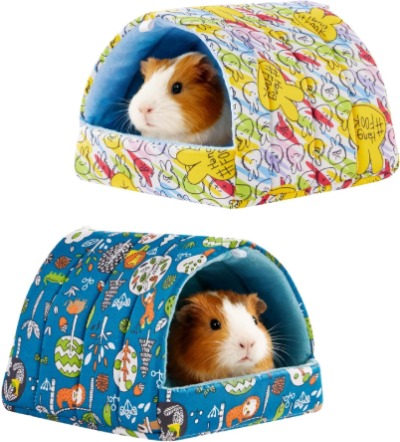
This is a pair of small, washable houses designed for guinea pigs and a range of other small animals. The listing names mice, chinchillas, hamsters, hedgehogs, ferrets, bearded dragons, and rats, which makes it a broad, multi-purpose product. Each house is a compact fabric shelter with a simple opening. Because there are two pieces, you can use one in the cage and keep a spare for cleaning.
Best Use Cases
This product works well for budget-minded owners who want a basic, washable hideout. It’s also useful for owners with multiple small pets who need extra shelters. If you already have a cage with several accessories, two simple houses can fill extra spaces without much cost. It’s a practical choice for everyday use.
Key Features Explained
The main feature is that the houses are washable. Fabric shelters are easy to keep clean, and you can wash them when they get dirty. The compact size makes them easy to place in tight spaces. The two-piece set gives you a backup, which is helpful if one gets soiled or damp.
The multi-species design is a double-edged feature. It means the product is versatile, but it also means the size is not always tailored to guinea pigs. Smaller pets like hamsters may fit easily, but larger guinea pigs may find the opening or interior tight.
Real-Life Usage Insight
Because this type of house is small, guinea pigs may find it cozy at first, but they may outgrow it or feel squeezed inside. If your pig is a sturdy, mature adult, check the fit carefully before buying. Watch your pig when it first uses the house. If it gets stuck, struggles to turn around, or avoids the house entirely, it may be too small.
Fabric houses also need regular drying. If you wash them and let them air dry, make sure they’re fully dry before your pig uses them again. Damp fabric can cause problems quickly.
Pros and Cons
On the plus side, this set is affordable, washable, and easy to clean. Having two houses gives you extra flexibility. It’s a useful starter option for owners who want something simple.
On the minus side, the size may not suit every guinea pig, especially larger adults. The product is designed for many species, so it may not be fully tailored to guinea pig needs. Fabric can also wear out or tear if your pig chews it. Check the seams and corners regularly.
Performance
For small pets and basic shelter needs, this product performs reasonably well. It gives your pig a place to hide and rest, and the fabric is soft enough for comfort. Performance is limited by size and durability. It’s not the strongest option for a pig that likes to chew or push things around.
Ease of Use
This product is very easy to use. Place the house in the cage, add bedding, and you’re done. Cleaning is simple if the fabric comes off or can be washed as a whole. Keep an eye on how your pig uses the house, since fit is the main concern.
Value for Money
This is one of the more budget-friendly options in the roundup. For the price, you get two washable houses, which can be a good deal if the size works for your pig. If the fit is off or the fabric wears out quickly, the value drops. Always measure your pig and check the listing dimensions before ordering.
5. UPINS 2 Pack Guinea Pig Hideout, Washable Small Animal House Bed
Product Description
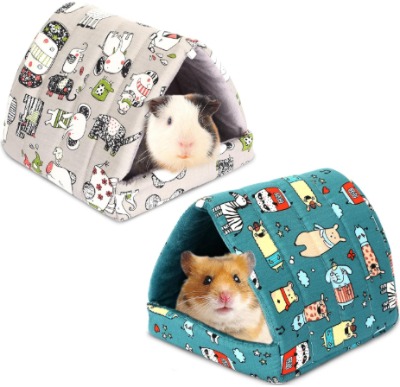
This is another two-pack from UPINS, designed as a washable small animal house and bed. Like the first UPINS product, it uses a fabric covering over a simple frame. It’s meant to give guinea pigs a soft, enclosed space for resting and sleeping. The listing presents it as a house bed, so it’s built to serve both purposes.
Because this product and Product 1 come from the same brand and both are two-packs, you’ll notice some overlap in features. Check the exact dimensions, materials, and care instructions in each listing before buying, since small differences can affect fit and comfort.
Best Use Cases
This product fits owners who want soft, washable shelters for everyday use. It’s a good choice for pigs who like to nest, sleep, or hide in a cozy spot. Two beds let you rotate them while one is being cleaned, which keeps the cage fresh. It also works well as an extra bed in a cage with multiple hideouts.
Key Features Explained
The fabric covering provides softness and warmth, which many guinea pigs enjoy. The frame adds structure so the house holds its shape. The washable design makes cleaning simple. The two-pack format gives you a spare and makes it easier to keep the cage fresh.
Real-Life Usage Insight
Soft house beds are popular, but they need regular attention. Guinea pigs often bring hay and bedding inside, and urine can soak into the fabric. Check the house daily and remove any soiled bedding. If your pig likes to sleep in the house all day, it may need washing more often.
Also watch for chewing. Some guinea pigs will chew the edges or corners of fabric beds. Look for loose threads, and replace the bed if you see significant damage.
Pros and Cons
On the plus side, this pack is soft, washable, and gives you two beds for rotation. It’s a comfortable option for pigs who like to rest in enclosed spaces. The price is typically reasonable for a two-pack.
On the minus side, fabric can wear out, especially with chewing. The structure may not hold up as well as solid wood under heavy use. Check whether the size works for your pig, since guinea pigs vary a lot in build and size. Some pigs may ignore the bed if they prefer harder surfaces.
Performance
This product performs well for resting and sleeping when it’s kept clean and dry. It gives guinea pigs a sense of enclosure and comfort. Durability is the main limitation. Fabric is best for gentle use, and it may need replacing sooner if your pig is a heavy chewer.
Ease of Use
Setup is quick and simple. Place the house in the cage, add some bedding, and let your pig explore. Cleaning is easy if the cover is removable or can be washed. Dry the bed fully before putting it back in the cage, since damp fabric can grow mold.
Value for Money
For a two-pack of washable house beds, the value is good. You get two spots for your pigs, and you can rotate them to keep things fresh. The main cost over time is replacement, since fabric wears out faster than wood. Factor that into your budget.
Comparison Insights
Now that you’ve seen each product, it helps to step back and compare them side by side. Each one suits a different kind of owner and a different kind of cage.
Soft Fabric Versus Solid Wood
The biggest difference in this roundup is the material split. The UPINS two-packs and the washable 2 PCS house are soft and easy to wash. The Bifeaw and XiaZ products are wooden and give your pig something to chew.
Fabric is more comfortable to the touch and easier to clean. Wood is sturdier and gives your pig a chewing outlet. Many owners combine both. For example, you might use a wooden house for daily shelter and a soft bed for napping.
Size and Fit
Size is the most important factor for safety and comfort. The XiaZ castle is the largest and suits roomy enclosures. The Bifeaw house and the UPINS beds are medium-sized and fit most standard cages. The 2 PCS house is the smallest and may be too tight for larger guinea pigs.
Always measure your pig, check the listing dimensions, and compare them with your cage size before buying.
Cleaning and Maintenance
Washable fabric products make cleaning easier, but they need careful drying. Wooden products need scrubbing and thorough drying too, but they don’t absorb water in the same way. Wood can develop odors over time if it stays damp, so regular attention matters.
Durability and Chewing
Wood holds up better under chewing than fabric, though no wood is fully chew-proof. Fabric may tear or fray, which can create a swallowing risk if your pig chews off loose threads. If your pig chews a lot, wood is the safer long-term choice. If your pig is a gentle chewer, fabric may be fine.
Value Across the Lineup
The 2 PCS house is the most budget-friendly, but its size may limit it. The UPINS two-packs offer good value for soft, washable beds. The Bifeaw wooden house sits in the middle, offering a natural chewing outlet at a fair price. The XiaZ castle costs more but offers the most space and features.
Buying Guide: How to Pick the Right Hideout
With the individual reviews and comparisons in mind, here are some practical steps to help you narrow down your options.
Measure Your Pig First
Before you look at any product, measure your guinea pig. Note its length from nose to base of tail, and think about how much room it needs to turn around. Compare that to the listing dimensions. A little extra room is better than a tight fit.
Check Your Cage Size
Measure the floor space and height of your cage or pen. A large castle won’t fit in a small cage, and a tiny house won’t give a big cage much purpose. Aim for a hideout that leaves enough open floor space for running and eating.
Decide Between Soft and Solid
Think about your pig’s habits. If it’s a calm napper, a soft bed may be perfect. If it’s a chewer, a wooden house may last longer. Some owners choose one of each to meet different needs.
Look at the Material Carefully
Choose plain, untreated wood if you go with a wooden hideout. Avoid painted, varnished, or chemically treated wood. For fabric, check that the stitching is strong and the fabric is safe to wash.
Consider the Entrance
Look for an entrance that’s easy for your pig to use. A low opening is good for older pigs or pigs with mobility issues. A wide opening makes it easy for your pig to enter quickly. Avoid entrances with sharp edges or gaps.
Think About Stairs and Levels
If you’re considering a multi-level castle, watch your pig’s movement before you commit. If it has trouble with stairs or ramps, a single-level house is safer. You can always add a shelf later if your pig enjoys climbing.
Plan for Cleaning
Think about how often you’ll clean the hideout. Fabric can be washed, but it needs drying time. Wood needs scrubbing and airing out. Having a spare hideout makes it easier to keep the cage clean without leaving your pig without a shelter.
Who Should Buy These Products
Every guinea pig owner has different needs, so here’s a quick guide to who might benefit most from each option.
The UPINS two-packs (both versions) suit owners who want soft, washable beds for napping and resting. They’re a good fit for owners who like to rotate bedding and keep things tidy. They work well for calm pigs who enjoy cozy spaces.
The Bifeaw wooden house suits owners who want a natural hideout that gives their pig something to chew. It’s a good match for pigs who enjoy gnawing and owners who prefer natural materials. It works best in a cage where the owner can clean and dry the wood regularly.
The XiaZ castle suits owners with large cages or pens who want to add a multi-level play structure. It’s a good fit for active pigs who enjoy exploring, as long as they can handle stairs. It’s not the best choice for small cages or pigs with mobility problems.
The 2 PCS washable house suits budget-conscious owners who need a simple, washable hideout and whose pigs fit comfortably inside. It’s also a good spare or extra shelter for multi-pet setups. It’s not ideal for larger guinea pigs.
Common Mistakes to Avoid
Even with a good product, a few common errors can cause problems. Here’s what to watch for.
Buying Too Small
Many owners buy a hideout that looks cute but is too small. A cramped house can cause stress and may trap your pig. Always measure first and leave room to spare.
Ignoring Chew Safety
Some owners assume any wooden item is safe. Painted, glued, or treated wood can be harmful. Always check the material and remove anything that looks damaged or dangerous.
Trusting “Chew-Proof” Claims
No wooden hideout is truly chew-proof. Guinea pigs will chew wood. Check the house regularly for splinters and replace it when it becomes unsafe.
Putting Damp Fabric Back in the Cage
Washing a fabric bed is a good habit, but putting it back before it’s dry is a mistake. Damp fabric can grow mold and cause health problems. Give it plenty of drying time.
Forgetting About Stairs
A multi-level castle looks fun, but stairs can be hard for guinea pigs to use. Watch your pig closely and be ready to change the setup if it struggles.
Overcrowding the Cage
Adding too many hideouts can make the cage feel crowded. Guinea pigs need open space for running and eating too. Balance the number of shelters with the room available.
Skipping Regular Checks
Hideouts wear out over time. Check for loose parts, sharp edges, stains, and odors every week. Replace anything that looks unsafe.
Final Verdict
There’s no single perfect guinea pig hideout for everyone. The best choice depends on your cage size, your pig’s size and habits, and how much time you want to spend on cleaning.
If you want a soft, cozy spot that’s easy to wash, the UPINS two-packs are a solid choice. They offer comfort, convenience, and good value, especially if you like to rotate bedding. Check the dimensions in each listing to see which version fits your pig best.
If your pig loves to chew and you want a natural, sturdy option, the Bifeaw wooden house is a practical pick. Just plan for regular cleaning and expect some wear. Don’t rely on the “chew-proof” label. Inspect it often.
If you have a large enclosure and an active pig that handles stairs well, the XiaZ castle can add a lot of enrichment. It’s the most ambitious option in this roundup, so make sure your space and your pig’s abilities match it.
If you’re on a tight budget and your pig fits comfortably, the 2 PCS washable house is an affordable choice that works as a basic shelter or a spare. Measure carefully before buying, because the size may not suit larger guinea pigs.
Whatever you pick, watch how your pig uses it. A good hideout is one your guinea pig actually enters, relaxes in, and feels safe inside. Check it often, keep it clean and dry, and replace it when it shows signs of damage. Your pig will tell you quickly whether it’s working, and that’s the best test of any hideout.