
How to Leash Train a Cat?
So you want to take your cat outside on a leash? That’s awesome! Walking your cat can be a great way to give them exercise, mental stimulation, and a taste of the great outdoors while keeping them safe.
You might think leash training is just for dogs. But cats can learn to walk on a leash too. It takes patience, the right approach, and plenty of treats. Let’s dive into everything you need to know about getting your kitty comfortable with harness walks.
Why Leash Train Your Cat?
Before we get into the how-to part, let’s talk about why this is worth doing.
Indoor cats can get bored. They stare out windows, longing for adventure. A leash gives them that adventure safely. Your cat gets to smell new scents, feel grass under their paws, and explore without the dangers of free roaming.
Outdoor cats face serious risks. Cars, predators, diseases, and getting lost are all real dangers. A harness and leash let your cat enjoy outside time while you keep them safe.
Leash training also helps with vet visits and travel. A cat who’s comfortable in a harness is easier to handle during stressful situations.
Some cats have tons of energy. They zoom around at 3 AM and knock things over. Regular walks can burn off that excess energy. A tired cat is a happy cat who sleeps through the night.
Can All Cats Be Leash Trained?
Here’s the truth: not every cat will love walking on a leash. But most can learn to tolerate it or even enjoy it.
Young cats and kittens often adapt faster. Their brains are like sponges, soaking up new experiences. But don’t give up on older cats. Plenty of adult cats have learned to walk on leashes.
Your cat’s personality matters a lot. Confident, curious cats usually take to leash training better than shy or fearful ones. But even nervous cats can learn if you go slow enough.
Some breeds seem to enjoy it more than others. Bengal cats, Maine Coons, and Siamese cats often love outdoor adventures. But every cat is different.
The key is reading your cat’s signals. If they seem terrified after weeks of slow training, it might not be for them. That’s okay. Not every cat needs to go outside.
Getting the Right Gear
You can’t just clip a leash to your cat’s collar. That’s dangerous and won’t work well. Cats can slip out of collars easily, and the pressure on their neck isn’t safe.
You need a proper harness made for cats. These fit around the body, not the neck. The pressure distributes evenly when your cat pulls.
Look for a harness that’s escape-proof. Cats are sneaky and flexible. They can squeeze out of poorly fitted harnesses. Get one with both neck and chest adjustments.
The material should be soft and comfortable. Your cat will wear this for a while, so scratchy materials are a no-go. Mesh or padded nylon works great.
Start with an H-style or vest-style harness. These are the most secure options. Avoid figure-eight harnesses at first since cats can escape from these more easily.
For the leash, get a lightweight one that’s 4 to 6 feet long. Avoid retractable leashes at first. They’re harder to control, and the clicking sound might scare your cat.
A bungee leash can be helpful. These absorb shock if your cat suddenly pulls. This makes walks more comfortable for both of you.
Don’t forget treats! Get small, soft treats your cat goes crazy for. You’ll use lots of these during training.
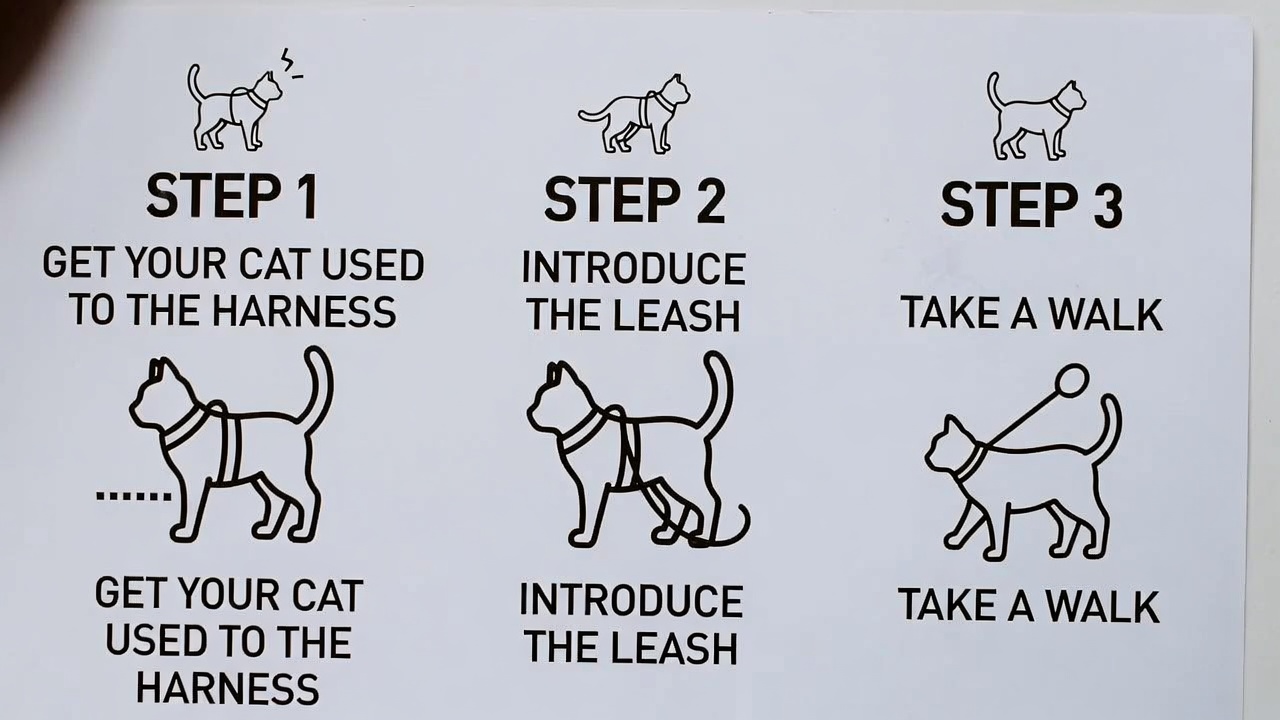
Introducing the Harness Indoors
Never rush this process. Cats hate being forced into things. Go slow, and let your cat set the pace.
Start by leaving the harness near your cat’s favorite spots. Let them sniff it and investigate. Don’t try to put it on yet.
After a few days, place treats on and around the harness. Your cat should start seeing the harness as something good.
Now try draping the harness over your cat’s back for just a second. Give them a treat immediately. Do this several times until your cat doesn’t flinch.
Next, loosely fasten the harness around your cat. Don’t tighten it yet. Just let them feel it while you feed them treats. Keep this super short at first, maybe 10 seconds.
If your cat freaks out, you went too fast. Go back a step. There’s no rush here.
Once your cat tolerates the loose harness, try fastening it properly. Make sure it’s snug but not tight. You should fit two fingers under the straps.
Let your cat wear the harness for a few minutes while doing something fun. Play with their favorite toy or feed them a meal. You want them to forget they’re wearing it.
Some cats walk funny or freeze when they first wear a harness. This is normal. They’ll adjust. Keep sessions short and positive.
Repeat this daily, slowly increasing how long they wear it. Work up to 10 or 15 minutes at a time.
Adding the Leash
Once your cat is comfortable in the harness, it’s time to attach the leash.
Clip the leash on and let it drag behind your cat indoors. Supervise closely so they don’t get tangled or scared.
Let your cat walk around freely with the leash trailing. This helps them get used to the weight and feeling.
After a few sessions, pick up the leash. Don’t pull or guide yet. Just hold it loosely and follow your cat around.
Your cat is in charge right now. They lead, you follow. This builds their confidence.
Try gently encouraging your cat to follow you using treats. Take a step, show the treat, and reward them when they come toward you.
Never pull or drag your cat. This will make them hate the leash. If they plant their paws and refuse to move, wait patiently or lure them with a treat.
Practice walking around your home for several days. Living room, bedroom, kitchen – make it a fun adventure indoors first.
Preparing for the Great Outdoors
Before going outside, you need to think about safety.
Make sure your cat is up to date on all vaccinations. Outdoor time means exposure to diseases, even on a leash.
Your cat should also be on flea, tick, and heartworm prevention. These parasites are common outside.
Check that your cat has proper identification. A collar with ID tags and a microchip are essential. If something goes wrong and they escape, you want them to find their way home.
Scout your outdoor location ahead of time. Look for quiet areas away from busy roads, aggressive dogs, and loud noises.
Early morning or evening works best for first walks. Fewer people and animals around means less stress.
Check the weather too. Extreme heat or cold isn’t safe for cats. Their paws are sensitive.
Bring treats, water, and a small carrier if possible. The carrier gives your cat a safe retreat if they get scared.
The First Outdoor Adventure
This is the big day! But keep your expectations low. The first trip outside might last 30 seconds, and that’s fine.
Start right outside your door. Your yard or patio is perfect. Somewhere familiar with your scent nearby.
Carry your cat outside in their harness. Don’t expect them to walk out the door yet. Place them gently on the ground.
Your cat might freeze. They might try to run back inside. They could start eating grass immediately. Every cat reacts differently.
Let them explore at their own pace. If they want to sit and sniff one spot for five minutes, let them. This isn’t a walk yet – it’s an outdoor sniffing session.
Stay calm and quiet. Your cat feeds off your energy. If you’re anxious, they’ll sense it.
Keep this first session very short. Five minutes maximum. End on a good note before your cat gets overwhelmed.
Carry them back inside. Give them treats and praise. You want them to remember outdoor time as positive.
Building Up to Real Walks
Now you’ll gradually extend outdoor time and explore new areas.
For the next few trips, stay in your yard or the same familiar spot. Let your cat build confidence.
Once they seem relaxed, try walking a few steps. Use treats to encourage forward movement.
Cats don’t walk like dogs. They stop constantly to sniff and observe. They might climb on things or hide under bushes. This is normal cat behavior.
Let your cat take the lead most of the time. You’re not really walking them – you’re supervising their outdoor exploration.
Slowly venture farther from home. Maybe down the driveway or to the sidewalk.
Watch for signs of stress. Flattened ears, puffed tail, trying to escape, or excessive meowing means your cat is overwhelmed. Head back inside.
Some cats walk confidently right away. Others take weeks to feel brave. Don’t compare your cat to others.
Try different environments. Some cats love grass but hate pavement. Others prefer sidewalks. Figure out what your cat enjoys.
Handling Common Challenges
Leash training rarely goes perfectly. Here are solutions to common problems.
Your cat refuses to walk and just lies down: This happens a lot. Don’t drag them. Wait patiently and use treats to encourage movement. If they won’t budge, carry them to a new spot and try again.
Your cat tries to slip out of the harness: You need a better fit or a different harness style. Check the tightness. Remember the two-finger rule.
Your cat gets startled by noises or movements: This is normal. Let them hide behind you or under something. Speak softly and offer treats. Don’t force them to confront scary things.
Your cat wants to climb trees: This can be okay in controlled situations. But make sure you can get them down safely. Some cats become professional escape artists using trees.
Your cat eats grass or plants: Most cats do this. Just make sure the plants aren’t toxic. Know which common outdoor plants are dangerous to cats.
Another animal approaches: Keep your cat close and put yourself between them and the other animal. Be ready to pick up your cat quickly. Dogs are the biggest concern.
Your cat becomes overstimulated: Too much excitement can make cats aggressive or panicky. Keep sessions short to prevent this. Learn your cat’s limits.
Making Walks a Routine
Consistency helps cats feel secure. Try to walk at the same time each day if possible.
Most cats do well with one or two short walks daily. Some athletic cats want more. Senior cats might prefer less frequent, slower outings.
Before each walk, have a little routine. Put the harness on in the same spot. Use the same phrases. Cats love predictability.
Always check the harness fit before heading out. Cats can lose or gain weight, and straps can loosen over time.
Keep walks short enough that your cat wants more. It’s better to end while they’re still having fun than to push until they’re exhausted or stressed.
Some days your cat might not want to go out. That’s fine. Don’t force it. Cats have moods too.
Safety Tips You Can’t Ignore
Safety is the most important part of leash training. Here’s what you absolutely need to know.
Never tie your cat’s leash to anything and walk away. Cats can panic and hurt themselves trying to escape.
Keep a firm grip on the leash at all times. Cats can bolt unexpectedly. Even well-trained cats have moments of fear.
Avoid areas with lots of dogs. Even friendly dogs can scare cats. And some dogs have high prey drives.
Don’t walk near busy roads. Cats can be unpredictable, and cars are deadly.
Learn about toxic plants in your area. Cats might nibble on things that can make them sick.
Watch for signs of heat exhaustion. Cats can overheat quickly. Heavy panting, drooling, and weakness are warning signs.
In cold weather, keep walks very short. Cat paws and ears are vulnerable to frostbite.
If your cat escapes the harness, don’t chase them. Sit down and call them calmly. Chasing triggers their prey instinct to run.
Reading Your Cat’s Body Language
Your cat communicates through body language. Learning to read it makes walks safer and more enjoyable.
A relaxed cat has a normal posture with ears forward. Their tail might be up or moving gently. This cat is comfortable.
Curious cats have alert ears and wide eyes. They might move slowly and sniff everything. This is good – they’re engaged but not stressed.
Scared cats flatten their ears and crouch low. Their pupils dilate. They might try to back up or hide. Time to head home.
An overstimulated cat has a twitching tail and tense body. They might make quick movements. End the walk before this escalates.
A confident, happy cat might chirp or trill. Some cats purr while walking. These are great signs.
Aggressive cats have pinned-back ears, puffed tails, and might hiss. This means they feel threatened. Remove them from the situation immediately.
Indoor Benefits for Outdoor Training
You can make leash training easier by preparing indoors.
Play with your cat regularly. Interactive toys build confidence and burn energy. A well-exercised cat is easier to train.
Set up window perches. Cats who watch the outside world regularly often adapt to being outside faster.
Get your cat used to different sounds. Play recordings of birds, cars, and other outdoor noises at low volumes while they eat or play.
Practice handling your cat. Get them comfortable with being picked up quickly. This helps in emergencies outside.
Use positive reinforcement for everything. Training works best when your cat associates new experiences with good things.
When to Call It Quits
Sometimes leash training just isn’t right for a particular cat.
If your cat shows extreme fear after weeks of slow, positive training, it might not be worth the stress.
Some cats are perfectly happy being indoor-only. They don’t need outdoor time to be fulfilled.
If your cat becomes aggressive during harness training, stop. Don’t push it.
Health issues can also make leash training inappropriate. Senior cats with arthritis or cats with heart problems might not handle walks well.
You know your cat best. Trust your instincts. If this seems to make them miserable rather than happy, it’s okay to stop.
Advanced Leash Skills
Once your cat masters basic walking, you can try more advanced activities.
Some cats learn to walk in busier areas. Start very gradually with low-traffic times and places.
You might teach your cat to walk beside you more consistently. Use treats to reward them for staying close.
Certain adventurous cats enjoy hiking on trails. Always research if the trail allows cats and what hazards might exist.
A few cats even learn to enjoy car rides to different walking locations. But this requires separate training for car comfort.
You could teach simple commands like “let’s go” or “wait.” Cats can learn cues, though not as reliably as dogs.
Some cats like to explore pet-friendly outdoor cafes or stores. Check the rules first, and make sure your cat is comfortable with crowds.
The Long-Term Journey
Leash training is a marathon, not a sprint. Some cats learn in weeks. Others take months. Both are normal.
Your relationship with your cat will grow through this process. You’ll learn to communicate better and understand each other’s signals.
The exercise and mental stimulation will improve your cat’s overall health. You might notice better behavior at home too.
Your cat will have richer experiences and a more interesting life. That’s what this is all about.
Don’t get discouraged by setbacks. Training isn’t always linear. You might have great walks one week and then your cat refuses the harness the next. That’s life with cats.
Celebrate small victories. The first time your cat walks three steps. When they stop freezing at the door. These moments matter.
Connect with other cat owners who walk their cats. Online communities can offer support, tips, and encouragement.
Final Thoughts
Walking your cat on a leash is definitely possible. It takes time, patience, and respect for your cat’s individual personality.
Some cats will never love it, and that’s okay. But many cats can learn to enjoy safe outdoor adventures with you.
The key is going at your cat’s pace. Never force it. Use lots of positive reinforcement. Make every step of the process rewarding.
Start with the right gear. Introduce the harness slowly indoors. Build up to outdoor time gradually. Stay safe and watch for signs of stress.
Remember that your cat won’t walk like a dog. They’ll stop, sniff, observe, and maybe sit down for long periods. That’s perfect. Let them be cats.
With consistency and patience, you and your feline friend can share the joy of exploring the outside world together. Those shared adventures will strengthen your bond and give your cat a richer, more stimulating life.
So grab that harness, stock up on treats, and start the journey. Your cat might just surprise you with how much they love their leash adventures. Happy walking!

Hi, I’m Mary, the founder of PetGadgetPro.com. I’m a passionate pet lover with a special place in my heart for dogs and cats. I share practical advice and honest insights on pet gear to help pet parents make better choices. My dedicated research team studies products in depth, and our writers create reviews using trusted, authentic sources—so you can feel confident choosing the best for your pets.