How To Measure a Dog Collar?
Getting a new collar for your furry friend might seem simple, but it’s actually a really important job. A collar isn’t just a pretty accessory; it’s a safety tool. It holds their ID tags, helps you guide them on walks, and keeps them safe if they ever get lost. A collar that doesn’t fit right can be uncomfortable, rub their skin, or even let them slip out and run away. We want to avoid all that, right? So, let’s learn the easy way to find the perfect fit for your beloved pup.
Think about it like this: you wouldn’t wear shoes that are too tight or too loose, would you? Your dog feels the same way about their collar. A good-fitting collar means a happy, safe, and secure dog. It’s truly worth a few minutes of your time to get it right.
Why a Good Collar Fit Matters So Much
A collar that doesn’t fit just right can cause a whole bunch of problems. It’s not just about looking good; it’s about your dog’s well-being and safety every single day. Let’s dig into why getting the size right is super important.
Comfort for Your Dog
Imagine having something tight around your neck all day long. Not fun, right? If a collar is too small, it can press on your dog’s windpipe, making it hard for them to breathe, especially when they pull on the leash. It can also chafe their skin, leading to sore spots, hair loss, or even infections. This is especially true for dogs with sensitive skin or short fur. A collar should sit comfortably without digging in or causing any pain.
Then there’s the opposite problem: a collar that’s too big. This might seem less harmful, but it’s still no good. A loose collar can rub and chafe just like a tight one, but it also has other risks. It can get caught on things, like branches or furniture, which is really dangerous. Your dog could get stuck and panic, hurting themselves in the process. We certainly don’t want that happening to our best pals.
Safety and Security
This is perhaps the biggest reason of all. A collar that fits well is a life-saver. For starters, it’s where your dog wears their important identification tags. These tags have your contact info, so if your dog ever gets lost, whoever finds them can call you right away. If the collar is too loose, your dog could easily shake it off, losing their tags and making it much harder for them to find their way back home. This is a very stressful situation for everyone involved.
When you’re out for a walk, a collar is also what you attach the leash to. If the collar is too big, your dog can easily back out of it, especially if they get scared or excited. This could lead to them running into traffic, getting into a fight with another dog, or just getting lost. A secure collar lets you keep control of your dog, guiding them gently and keeping them safe from harm. A well-fitted collar means peace of mind for you when you’re out and about.
Proper Leash Training
Using a leash and collar is a big part of training your dog. It teaches them to walk nicely by your side and respond to your commands. If the collar is uncomfortable, your dog might resist wearing it or pull on the leash even more. This makes training much harder and less enjoyable for both of you. A collar that fits well and is comfortable helps your dog associate walks and commands with positive experiences, making the training process smoother and more effective. It’s all about building good habits together.
Getting Ready: What You’ll Need
Before you dive into measuring, it’s good to gather a few simple things. This makes the whole process quick and stress-free for both you and your dog. You probably have most of these lying around your house already.
A Soft Measuring Tape
This is really the star of the show. A flexible, soft tape measure, like the kind used for sewing or crafts, is perfect. It bends easily around your dog’s neck without poking or being stiff. If you don’t have one, no worries! A string, ribbon, or even a shoelace will work too. Just make sure it’s flexible enough.
A Pen or Marker
You’ll need this to mark where the string or ribbon overlaps if you’re not using a tape measure.
A Ruler or Stiff Tape Measure (If Using String)
If you’re using a string or ribbon, you’ll need a ruler or a metal tape measure to accurately find the length after you’ve marked it.
Some Treats (Optional, But Highly Recommended!)
Dogs are often more cooperative when there’s a tasty reward involved. Having some yummy treats on hand can help make this a positive experience for your dog. It’s a great way to show them they’re doing a good job and keep them calm.
A Calm Environment
Try to pick a time when your dog is relaxed and not too excited or restless. A quiet corner of your home, away from distractions, is ideal. If your dog is moving around a lot, it’ll be tough to get an accurate measurement. Being calm helps them stay still for those few seconds you need.
The Simple Steps to Measure Your Dog’s Neck
Now for the main event! Follow these steps carefully, and you’ll have your dog’s collar size figured out in no time. Remember to be gentle and patient throughout the process.
Step 1: Get Your Dog Comfortable
First things first, make sure your dog is relaxed. Pat them, talk to them softly, or give them a treat. If they’re squirming or seem anxious, take a break and try again later. You want them to stand or sit calmly so you can get an accurate reading. A happy dog makes for an easy measuring session!
Step 2: Find the Right Spot on Their Neck
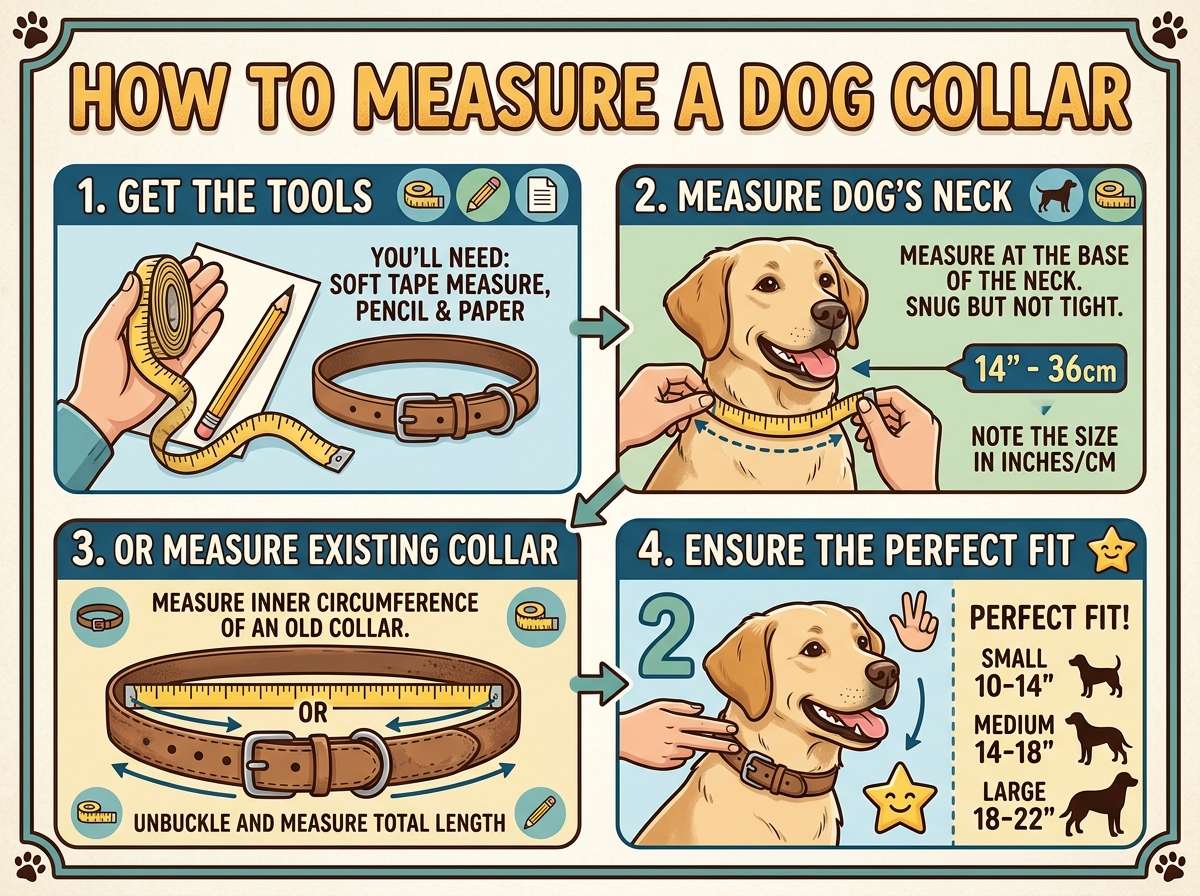
This is super important. The collar shouldn’t be too high up, near their ears, or too low, near their shoulders. You want to measure where a collar would naturally sit. This is usually the broadest part of their neck, just below where their head meets their neck and above their shoulders. Think of it as the middle of their neck. It should be a spot where the collar won’t press against their throat when they breathe or move.
Step 3: Wrap the Tape (or String) Around Their Neck
Gently wrap your soft measuring tape around your dog’s neck at the spot you just found. Make sure it’s snug but not tight. You don’t want to choke them, but you also don’t want it so loose that it sags. The tape should lie flat against their fur, without any twists or kinks. If you’re using a string, do the same thing and then mark the spot where the string overlaps with your pen or marker.
Step 4: Use the “Two-Finger Rule”
This is the golden rule for collar fitting! Once you have the tape or string wrapped around their neck, you should be able to comfortably slip two fingers between the tape measure and your dog’s neck. Not one finger, not three – two fingers. This ensures there’s enough room for them to breathe, swallow, and move comfortably, but not so much room that they can slip out of the collar. If you can fit more than two fingers, it’s too loose. If you can barely get one finger in, it’s too tight. Adjust the tape until you get that perfect two-finger fit.
Step 5: Read the Measurement
With the two-finger rule applied, carefully read the number on your soft tape measure. Make a note of this number. This is your dog’s neck measurement. If you used a string, lay it flat on a table and measure the marked length with your ruler or stiff tape measure. Write this number down right away, so you don’t forget it.
Step 6: Double-Check Your Work
It’s always a good idea to measure twice, buy once! Repeat the whole process one more time to make sure you get the same measurement. Sometimes dogs shift, or you might hold the tape differently. Getting a consistent number gives you confidence that you have the right size.
Thinking About Collar Types
Once you have that perfect neck measurement, you’ll find there are many kinds of collars. Each has a different purpose and sometimes, slightly different fitting preferences. Let’s look at some common ones.
Standard Flat Collars
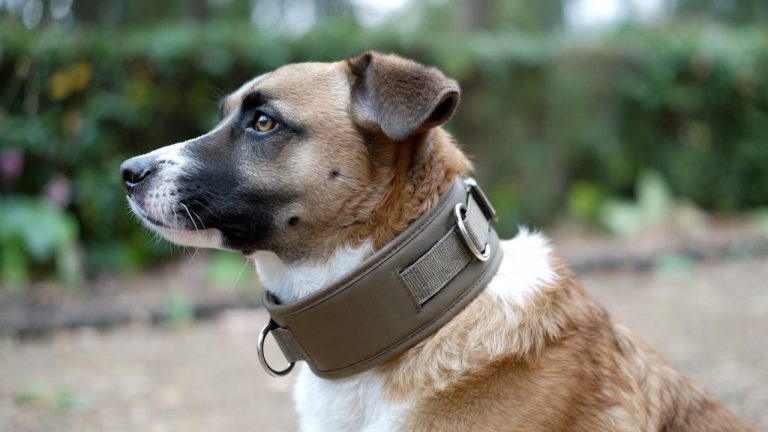
These are the most common and versatile collars. They come in many materials like nylon, leather, or canvas. They usually have a buckle or a quick-release clasp. Your two-finger rule measurement is perfect for this type. This collar is great for everyday wear and holding ID tags. When you’re looking at sizes, compare your measurement to the collar’s length. Always aim for a collar where your dog’s neck measurement falls roughly in the middle of the collar’s adjustable range. This gives you room to make it tighter or looser if needed, like if their fur gets thicker or thinner with the seasons, or if they gain or lose a little weight.
Martingale Collars
These collars are a bit special. They have a main loop that goes around the dog’s neck and a smaller control loop that tightens if the dog pulls. They are often used for sighthounds (like greyhounds or whippets) because their necks are wider than their heads, making it easy to slip out of standard collars. They’re also popular for training.
When measuring for a Martingale, you need two measurements: the widest part of their head (just under their ears) and the largest part of their neck (where a regular collar sits). The collar should be big enough to slip over the widest part of their head but tighten enough on their neck so they can’t back out. The “two-finger rule” still applies to the main loop when it’s not tightened, but importantly, when the control loop is engaged, it should never fully choke your dog. It should still allow for those two fingers when tightened. The smallest part of the Martingale collar (when fully tightened) should be a few inches smaller than the widest part of their head, but still big enough for the two-finger rule on the actual neck.
Harnesses
While not collars, harnesses are becoming very popular and serve a similar purpose for walks. Many people use them instead of or in addition to collars, especially for dogs who pull A LOT, or breeds with delicate throats. If you’re looking at a harness, you’ll need a different set of measurements. Typically, you’ll measure:
- Neck Girth: Around the base of their neck, just like for a collar.
- Chest Girth: Around the widest part of their chest, just behind their front legs.
- Back Length: From the base of their neck to the base of their tail (sometimes needed for certain vest-style harnesses).
Always check the specific sizing chart for the harness you are interested in, as these can vary quite a bit.
Head Halters (Haltis)
These are another type of training tool, often used to help control dogs who pull very hard. They fit around your dog’s nose and behind their head. For these, you’ll typically need measurements of their snout circumference and sometimes the neck girth as well. Like harnesses, always check the brand’s specific sizing chart. These are meant to guide, not to pull, and should fit snugly but comfortably without rubbing sensitive areas.
Things to Consider When Buying
You’ve got your measurement, and you know about different collar types. Now, here are a few more tips to help you make a good buying decision.
Material Matters
Collars come in all sorts of materials, and each has its pros and cons.
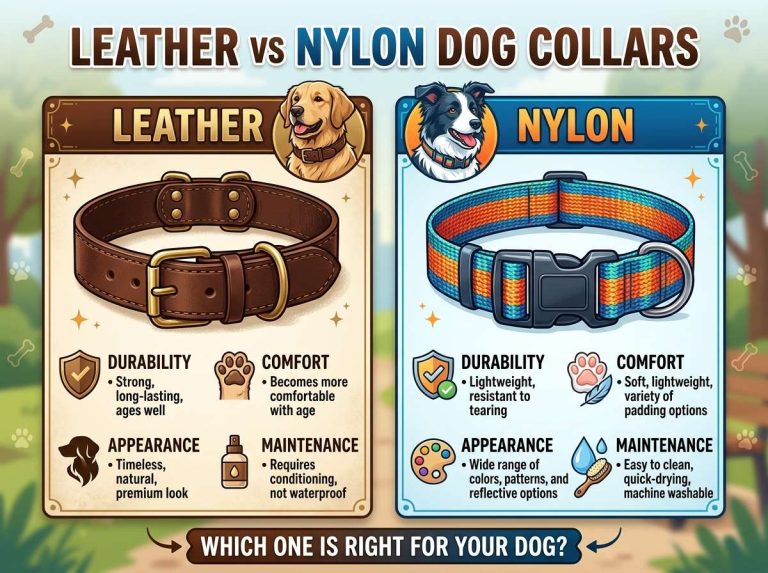
- Nylon: Very common, affordable, durable, and easy to clean. Great for everyday wear and pups who like to get dirty.
- Leather: Classic look, very durable, often gets softer and more comfortable over time. Can be a bit more expensive and needs some care to keep it nice.
- Reflective Material: Super important for safety if you walk your dog in low light or at night. These collars are often nylon with reflective strips woven in.
- Waterproof/Odor-Proof Materials: Great for dogs who love swimming or rolling in smelly things. These are usually made from coated webbing that resists water and smells.
- Breakaway Collars: These are special collars designed to unclip if they get caught on something. They are wonderful for unsupervised dogs or multi-dog households to prevent accidental choking hazards, but they aren’t meant for leash walking, as the dog could ‘break away’ when you don’t want them to.
Think about your dog’s lifestyle and fur type when picking a material. A short-haired dog might not need a super thick, padded collar, while a long-haired dog might benefit from a flatter, lighter option to prevent matting.
Growth Spurts for Puppies
If you have a puppy, remember they grow super fast! That perfect measurement today might be too small next week. When buying a collar for a puppy, look for one that has a good range of adjustability or plan to buy a few sizes as they grow. You might start with a smaller, lighter collar and move up to a more robust one as they get bigger and stronger. Always re-measure puppies every few weeks to prevent discomfort.
Width of the Collar
Collars aren’t just about length; width is important too.
- For Small Dogs or Puppies: A narrower collar (like half an inch to three-quarters of an inch wide) is usually best. A wide collar can be too heavy or bulky for their small necks.
- For Medium to Large Dogs: A wider collar (like one inch to one and a half inches) distributes pressure more evenly across their neck, which is more comfortable for stronger dogs or those who pull a bit on the leash. It also gives you a better grip if you need to quickly grab their collar.
Just make sure the width isn’t so wide that it rubs their chin or ears, or is uncomfortable for them to move their head.
Special Features
Some collars come with extra features that might appeal to you.
- ID Tags & Engraving: Some collars come with built-in areas for engraving your dog’s name and your number directly onto the buckle, or a quiet slide-on tag. This is a nice, silent alternative to jingling tags.
- Reflectivity: As mentioned, reflective strips or stitching can greatly improve visibility at night.
- LED Lights: Some collars have small LED lights built right in, making your dog incredibly visible in the dark. These often need batteries.
- Handle: Some tactical or specialized collars have a grab handle near the buckle, which can be useful for quick control in busy areas.
Common Mistakes to Avoid
Even with all this great info, it’s easy to make a few slip-ups. Being aware of these can save you some hassle.
Measuring Too Loosely or Too Tightly
This is the most common mistake. Too loose, and your dog can slip out. Too tight, and it’s uncomfortable and potentially dangerous. Always stick to that two-finger rule! It’s your best friend here. Don’t eyeball it; use the tape measure.
Not Accounting for Fur Thickness
If your dog has really thick fur, especially if it changes with the seasons, you need to consider this. Measure with the fur as it normally is. If they are getting a haircut soon, measure after the haircut. If they’re growing their winter coat, make sure the collar won’t become too tight as the fur thickens. Sometimes, it’s good to have a tiny bit of extra room if their fur is very plush, but still within the two-finger rule.
Not Re-Measuring Often Enough
Dogs can change size over time. Puppies grow, older dogs might gain or lose weight, or their fur might change. Make it a habit to re-measure your dog’s neck at least twice a year, or if you notice any changes in their body shape. Just like you might adjust your belt, your dog’s collar might need adjusting too.
Forgetting About ID Tags
Even if your dog is microchipped, an ID tag on their collar is still essential. It’s the fastest way for someone to contact you immediately if your dog gets lost. If the collar doesn’t fit, those tags are useless! So, make sure your dog is always wearing a properly fitted collar with up-to-date ID.
Not Considering Activity Level
Think about what your dog does all day. A very active dog who runs through bushes and gets muddy might need a durable, easy-to-clean nylon collar. A calm indoor dog might be fine with a nice leather collar. A dog who swims a lot needs something waterproof. The right collar matches their lifestyle.
When to Seek Professional Help
Most of the time, you can confidently measure and fit a collar yourself. But sometimes, a little extra help is good.
- If your dog is very anxious or aggressive: Some dogs don’t like being touched, especially around the neck. If your dog gets very stressed or snappy when you try to measure, a professional groomer or vet can help. They are used to handling dogs of all temperaments and can do it safely.
- For unusual breed needs: If you have a dog with a very unique neck shape (like some bulldog breeds with thick necks or sighthounds with very thin necks), you might want advice on specific collar types or fitting techniques.
- If you’re unsure about training collars: Martingales, head halters, or other training tools might need specific guidance from a professional dog trainer to ensure they are used correctly and fit perfectly for training purposes. Misusing these can be harmful.
Can I use a regular tape measure instead of a soft one?
A metal tape measure is stiff and can’t bend around your dog’s neck correctly. It won’t give you an accurate measurement and might poke your dog. It’s much better to use a soft, flexible tape, or a piece of string and then measure the string.
How do I know if the collar is really too tight?
If you can’t slip two fingers comfortably under the collar, it’s too tight. Also, look for signs like coughing, gagging, rubbing at the neck, or bald spots/redness on their skin. These are all signs the collar is causing discomfort.
What if my dog is between sizes?
If your dog’s neck measurement falls between two collar sizes, it’s usually best to go with the larger size. This way, you can adjust it down to fit perfectly. It’s better to have a little room to tighten than to buy a collar that might be too small from the start.
Should I measure my dog while they are standing or sitting?
It’s easiest to measure your dog when they are standing still. This keeps their neck in a natural position and allows you to get an accurate reading. If they prefer to sit calmly, that’s okay too, as long as their neck isn’t craning or tucked in.
My dog has long fur. Does that change how I measure?
Measure right at the skin level, not over the puffed-up fur. Part the fur gently and try to get the tape measure as close to their actual neck as possible. Then, apply the two-finger rule. You might need to allow a tiny bit of extra room for the fur to lie naturally, but still aim for two fingers clearance.
Happy, Safe and Stylish Dog
There you have it! Measuring your dog for a collar is not a tricky task, it just takes a bit of care and attention. By following these simple steps, using the two-finger rule, and thinking about your dog’s unique needs, you’ll be able to find a collar that is comfortable, safe, and makes your best friend look great. A perfectly fitted collar means peace of mind for you and a happy, healthy life for your beloved companion. Go grab that measuring tape and get started!
Hi, I’m Mary, the founder of PetGadgetPro.com. I’m a passionate pet lover with a special place in my heart for dogs and cats. I share practical advice and honest insights on pet gear to help pet parents make better choices. My dedicated research team studies products in depth, and our writers create reviews using trusted, authentic sources—so you can feel confident choosing the best for your pets.