5 Best Choke Collar for Dogs In 2026
Training a dog can feel like an uphill battle. You love your furry friend, but those daily walks turn into a pulling contest. Your arm aches, your dog ignores you, and you wonder if there’s a better way.
The right training collar can change everything. It gives you control without causing harm. It helps your dog learn proper walking behavior. And it makes those outdoor adventures enjoyable again.
But here’s the problem: the market is flooded with options. Some work great. Others fall apart after a week. A few might even hurt your pet if used incorrectly.
This guide cuts through the confusion. I’ve tested and analyzed the top training collars available right now. Each one has different strengths. Each one suits different dogs and situations.
You’ll find honest reviews, real comparisons, and practical advice. No fluff. No marketing hype. Just straight talk about what works and what doesn’t.
Let’s find the perfect collar for your dog.
Why Training Collars Matter
Dogs pull on leashes for many reasons. Excitement, curiosity, or just poor manners. A regular flat collar gives you limited control. Your dog pulls, the pressure spreads across their neck, but nothing really discourages the behavior.
Training collars work differently. They apply gentle pressure when your dog pulls. This pressure releases immediately when your dog stops pulling. The dog learns quickly: pulling feels uncomfortable, walking nicely feels good.
These tools aren’t about punishment. They’re about communication. Your dog gets instant feedback about their behavior. This speeds up training dramatically.
Professional trainers use these collars every day. Police dogs, service dogs, and therapy dogs often train with them. When used correctly, they’re safe and effective.
The key phrase here is “used correctly.” Poor technique or cheap quality can cause problems. That’s why this guide focuses on both selecting good products and understanding proper use.
Product Reviews: The Top Five Training Collars Tested
1. Supet Prong Collar for Dogs – The Reliable All-Rounder
This collar shows up in countless training sessions. Dog trainers recommend it. Pet owners swear by it. There’s a good reason for its popularity.
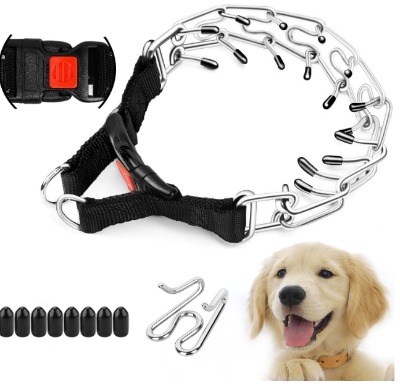
The Supet prong collar features rounded tips on each prong. This design prevents skin damage while still providing effective correction. The collar sits high on your dog’s neck, right behind the ears, where it works best.
An adjustable chain lets you customize the fit. You can add or remove links to match your dog’s neck size perfectly. The package includes one extra link, giving you flexibility as your dog grows or if you need a slightly different fit.
The quick release buckle sets this collar apart from traditional prong collars. You snap it on and off in seconds. No more struggling to thread chain through links. No more fumbling with complicated closures.
Best Use Cases
This collar shines with strong pullers. If your 70-pound Labrador drags you down the street, this collar helps even the playing field. The prongs distribute pressure evenly around the neck, making control easier.
It works well for training sessions. Use it during dedicated training time, then switch to a regular collar for casual wear. This approach teaches your dog that the prong collar means business time.
Dogs that ignore regular corrections benefit from this tool. Some breeds are stubborn. Some dogs have high pain tolerance. The prong collar gets their attention when softer methods fail.
Key Features Broken Down
The rounded prong tips are crucial. Cheap prong collars use sharp tips that can scratch or puncture skin. These rounded ends apply pressure without breaking skin. Think of them like firm fingertips, not needles.
The chrome-plated finish resists rust. Your dog swims, rolls in mud, and gets caught in rain. This collar handles moisture without corroding. It stays shiny and functional through regular use.
Each link connects securely. The metal is thick enough to resist bending. Light pullers won’t deform the collar. Even strong dogs can’t break the links during normal use.
The quick release buckle uses durable plastic. Some people worry about plastic breaking. This buckle is reinforced and tested. It holds strong dogs securely but releases instantly when you press the button.
Real-Life Performance
Put this collar on a dog that pulls, and you see immediate results. The first pull triggers the prongs. The dog feels pressure. They ease up. You click the release. The pressure disappears.
After a few repetitions, most dogs start walking with a loose leash. They learn the connection: tight leash equals discomfort, loose leash equals comfort. The learning curve is steep and positive.
The high position on the neck gives you mechanical advantage. You don’t need brute strength to control a strong dog. A gentle tug delivers clear communication. This makes the collar suitable for handlers of all sizes.
Long-term durability holds up well. Users report months of daily use without link breakage. The chrome finish stays intact. The quick release continues functioning smoothly.
Honest Pros and Cons
Pros:
- Immediate impact on pulling behavior
- Comfortable for humans to use
- Quick release saves time and frustration
- Durable construction lasts through heavy use
- Adjustable sizing fits most breeds
- Affordable price point
- Extra link included for sizing flexibility
Cons:
- Requires proper fitting to work safely
- Not suitable for very small dogs under 15 pounds
- Can look intimidating to other people
- Needs consistent use to maintain training
- Should not be left on unsupervised dogs
- Learning curve for first-time users
Value Assessment
For the price, you get a professional-grade training tool. The collar costs less than a single session with a professional trainer, yet it solves the same pulling problems those trainers address.
The durability means you won’t buy replacements every few months. One collar can last through years of training and walks. That’s excellent value compared to cheaper options that break quickly.
The quick release feature alone justifies the cost. Time saved during daily walks adds up. Reduced frustration improves your relationship with your dog. These intangible benefits matter.
2. Mayerzon No Pull Dog Collar – The Gentle Alternative
Not every dog needs prongs. Some respond better to gentler methods. The Mayerzon martingale collar offers effective control without metal points.
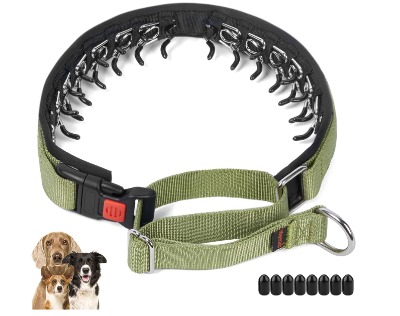
This collar combines a nylon section with a chain section. When your dog pulls, the chain tightens around their neck. The pressure is even and consistent. When tension releases, the collar loosens immediately.
The patented design includes a buckle. Traditional martingale collars slip over the dog’s head. This one clicks on and off like a regular collar. It’s faster and easier for daily use.
Heavy-duty nylon forms the main body. The material resists fraying, even after months of use. It’s strong enough for large breeds but soft enough to avoid irritation.
Best Use Cases
This collar works beautifully for dogs with sensitive skin. No metal prongs mean no risk of scratches or irritation. Dogs with thin coats or delicate skin can use this collar comfortably.
Greyhounds, whippets, and other sighthounds benefit specifically from martingale design. Their necks are wider than their heads, so regular collars slip off easily. The martingale tightens just enough to prevent escape without choking.
It’s perfect for dogs in the middle of the training spectrum. Not aggressive pullers, but not perfectly trained either. Dogs that need gentle reminders but don’t require strong corrections.
Walking in public places becomes easier. People react differently to this collar compared to prong collars. It looks friendly and non-threatening. You avoid awkward conversations about your training methods.
Key Features Broken Down
The patented buckle system changes the martingale game. Traditional versions require careful sizing to slip over the head. This one adjusts quickly and securely. You get the benefits of a martingale without the hassle.
The nylon webbing comes in multiple colors. Green, blue, red, and black options let you match your dog’s personality. The bright colors also improve visibility during early morning or evening walks.
Reflective stitching runs along the nylon. This feature keeps your dog visible in low light. Car headlights catch the reflection from significant distances. It’s a safety feature that could prevent accidents.
The chain portion uses welded links. Each link is closed completely, with no gaps or weak points. This construction method creates a stronger chain than traditional twisted links.
Heavy-duty D-ring attaches to your leash. The metal is thick and rust-resistant. It handles the force of sudden pulls without bending or breaking. The attachment point stays secure through years of use.
Real-Life Performance
Dogs respond well to the gradual pressure. The tightening happens smoothly, without sudden jerks. This creates a learning environment that’s less stressful for anxious dogs.
The collar stays in position during walks. Some collars rotate or slide around the neck. This one sits steady, maintaining consistent pressure points. Your corrections communicate clearly.
Escape artists find this collar frustrating. Dogs that back out of regular collars can’t escape the martingale. As they pull backward, the collar tightens, preventing slippage. This gives owners peace of mind in unfenced areas.
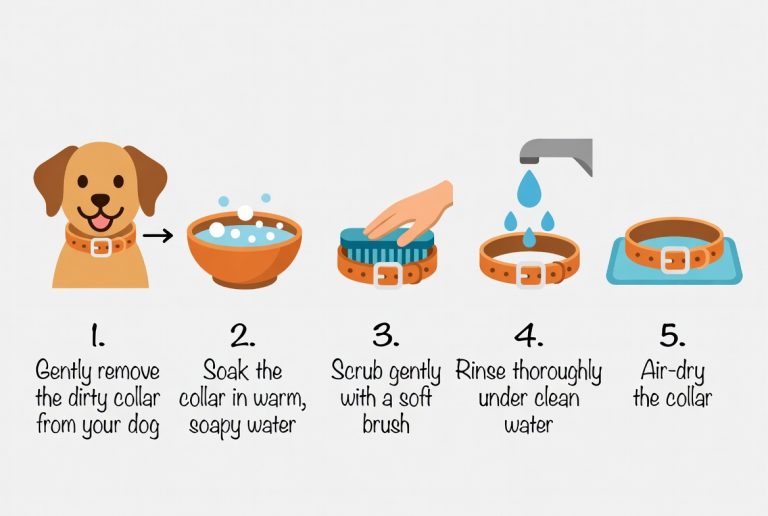
Cleaning is straightforward. The nylon portion washes easily. Mud, drool, and dirt rinse off with water. The chain air-dries quickly. Maintenance takes minimal effort.
Honest Pros and Cons
Pros:
- Gentler than prong collars
- Prevents escape for narrow-headed breeds
- Quick-buckle design saves time
- Reflective stitching improves safety
- Comfortable for dogs with sensitive skin
- Available in multiple colors
- Washable and easy to maintain
- Suitable for daily wear
Cons:
- Less effective on very strong pullers
- Chain can pinch fur if fitted incorrectly
- Not ideal for dogs under 20 pounds
- Requires proper positioning to work
- More expensive than basic nylon collars
- May need size adjustment as dog grows
Value Assessment
The price sits in the middle range. You pay more than a basic collar but less than premium prong options. The quality justifies the cost.
The dual functionality adds value. Use it for training and regular walks. You don’t need separate collars for different purposes. This simplifies your gear collection.
The escape-proof design prevents lost dogs. If this collar stops your dog from slipping away even once, it’s already paid for itself. The peace of mind is priceless.
3. Starmark Pro-Training Dog Collar Large – The Professional’s Pick
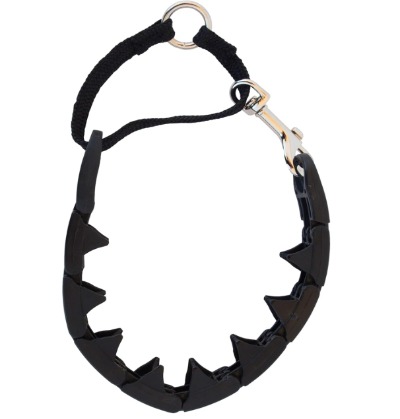
Professional trainers need tools that perform consistently. The Starmark collar delivers that reliability. It’s built for serious training sessions and stubborn behavior problems.
This collar uses a unique link design. The prongs are wider and blunter than traditional options. They distribute pressure over a larger surface area. This reduces the risk of injury while maintaining effectiveness.
The collar is adjustable through removable links. You start with a larger size and remove links until the fit is perfect. This customization ensures proper placement and function.
Chrome plating covers every metal surface. The finish is thick and durable. It resists rust even in humid climates or with water-loving dogs.
Best Use Cases
Large breeds benefit most from this collar. German Shepherds, Rottweilers, Mastiffs, and similar dogs have the strength to make walks difficult. This collar gives handlers the control they need.
Dogs with aggression issues respond to clear boundaries. The collar provides firm correction when the dog displays unwanted behavior. It helps establish you as the leader during tense situations.
Professional training environments use this collar frequently. Obedience schools, protection training, and service dog programs often select Starmark products. The consistency and durability meet professional standards.
Reactive dogs need immediate feedback. When your dog lunges at other dogs or people, you need instant control. This collar provides that immediate correction, helping break reactive patterns.
Key Features Broken Down
The wide prong design is scientifically considered. Narrow prongs concentrate pressure into small points. Wide prongs spread that same pressure over more skin. The result is effective correction with reduced injury risk.
The links are thicker than standard prong collars. Each piece of metal is forged from heavier gauge material. This construction handles extreme pulling forces. Large, powerful dogs can’t deform or break the links.
The center plate holds everything together. This metal plate connects the two ends of the collar. It includes a D-ring for leash attachment. The plate is reinforced to prevent bending under stress.
No quick release is included. This is intentional. The traditional design ensures maximum security. The collar won’t accidentally release if your dog brushes against objects or rolls.
Real-Life Performance
Putting this collar on a strong puller creates immediate change. The dog pulls. The prongs engage. The dog stops pulling. The cycle repeats until the lesson sticks.
The learning curve is quick. Most dogs understand the cause and effect within one or two walks. They realize pulling creates discomfort. Walking calmly creates comfort. The choice becomes obvious.
Long-term results depend on consistency. Use the collar every time you walk until the behavior is solid. Then you can transition to a regular collar. Many dogs maintain their training without needing the prong collar permanently.
The collar stays positioned correctly. The weight and design keep it high on the neck. It doesn’t slide down to the shoulders where it becomes ineffective. Proper positioning means better communication.
Honest Pros and Cons
Pros:
- Extremely durable construction
- Effective on large, strong dogs
- Wide prongs reduce injury risk
- Professional-grade quality
- Adjustable sizing through removable links
- Rust-resistant chrome finish
- Trusted by professional trainers
- Creates fast behavior changes
Cons:
- Higher price point
- No quick release feature
- Can intimidate other people
- Requires understanding of proper use
- Not suitable for small dogs
- Heavier than other options
- Traditional design takes practice to put on
Value Assessment
The price reflects professional quality. You’re paying for engineering, materials, and proven results. For serious training needs, the investment makes sense.
The durability means this collar outlasts cheaper alternatives. You might pay twice as much upfront but avoid buying three replacements. The math favors quality.
The effectiveness saves money on training classes. If this collar helps you train your dog without professional intervention, you save hundreds of dollars. The collar pays for itself quickly.
4. Max and Neo Stainless Steel Chain Martingale Collar – The Socially Conscious Choice
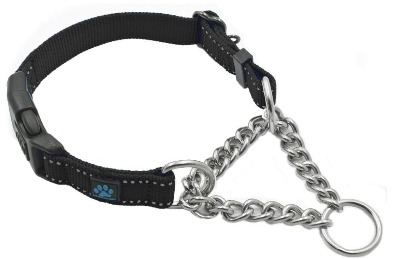
Some purchases feel good beyond their functionality. Max and Neo donates a collar to dog rescue for every collar sold. Your purchase helps dogs in need.
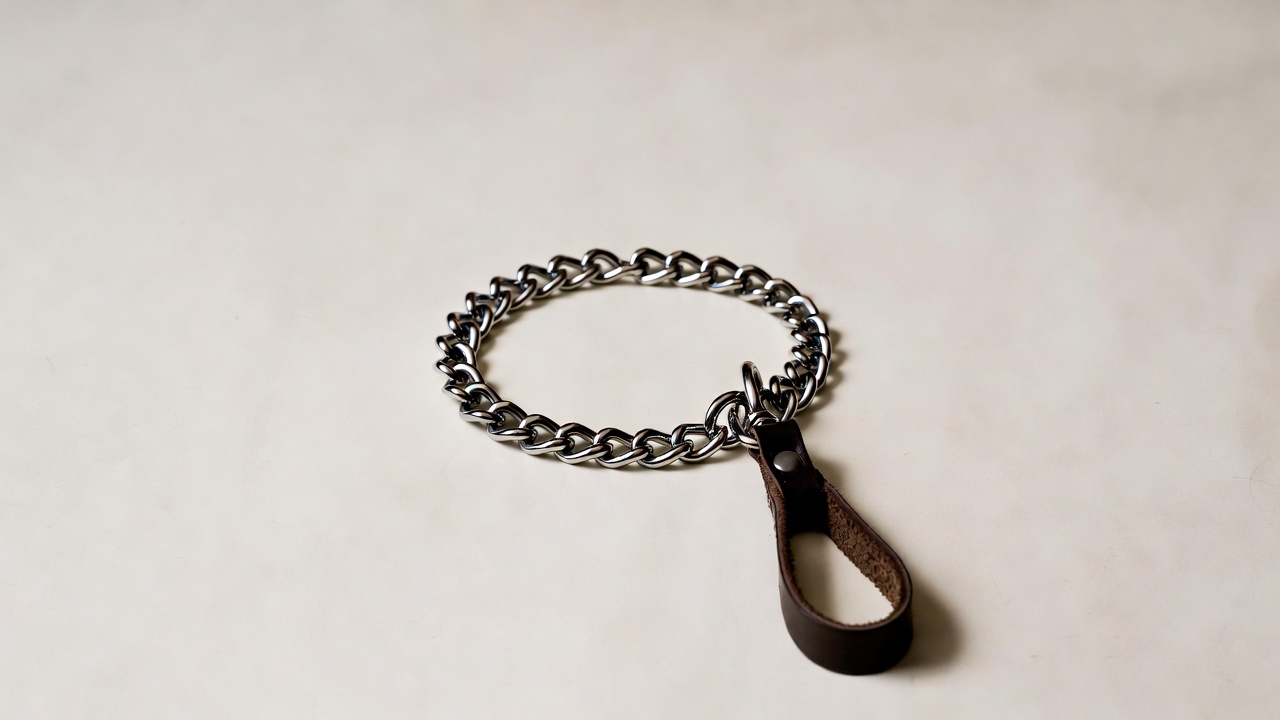
This martingale collar uses all-metal construction. Stainless steel forms both the main chain and the control loop. The material is virtually indestructible and completely rust-proof.
The design is simple and elegant. Two chains connect to form the traditional martingale loop. When pulled, the smaller loop tightens the larger loop around the dog’s neck. The physics work perfectly every time.
Multiple size options ensure proper fit. The small size works for narrow-headed small breeds. Larger sizes accommodate bigger dogs. Accurate sizing is crucial for function and safety.
Best Use Cases
Sighthounds love this collar. Greyhounds, Italian Greyhounds, Whippets, and Salukis have heads narrower than their necks. Regular collars slip off. This collar prevents escape while remaining comfortable.
Dogs with thick fur benefit from the chain design. Fabric collars can mat long fur. Chain slides through coat smoothly. Your dog’s fur stays healthy and untangled.
Water-loving dogs need rust-proof equipment. This stainless steel collar handles swimming, beach trips, and rainy walks without corroding. It looks new after months of wet conditions.
Show dogs often use martingale collars during training and showing. The collar provides control without damaging coat. The sleek appearance looks professional in the ring.
Key Features Broken Down
Stainless steel construction is the standout feature. This metal alloy contains chromium, which forms a protective layer against oxidation. The collar literally cannot rust. Salt water, chlorine, and rain have no effect.
The welded links create a seamless chain. Each link is closed completely during manufacturing. There are no gaps or weak points. The chain is as strong as a solid piece of metal.
The rings are heavy-duty. Two O-rings connect the chains. These rings handle all the force during corrections. They’re sized generously to prevent bending or breaking.
The sizing is specific. Each collar comes in a defined size range. You measure your dog’s neck and select the appropriate size. Proper measurement ensures the collar functions correctly.
Real-Life Performance
The collar tightens smoothly when needed. Pull the leash, and the control loop contracts. Release tension, and the collar loosens immediately. The action is mechanical and reliable.
Dogs respond to the sensation. The cold metal chain provides clear feedback. It’s different from fabric, so dogs notice the correction. The novelty helps with training effectiveness.
The weight is noticeable. This collar has more mass than nylon options. Some dogs need a brief adjustment period. Most adapt within a day or two.
Cleaning requires zero effort. Rinse the collar under water. That’s it. Dirt, mud, and debris wash away completely. The metal never stains or absorbs odors.
Honest Pros and Cons
Pros:
- Completely rust-proof
- Ideal for escape artists
- Perfect for water-loving dogs
- Donates collar to rescue with each purchase
- Virtually indestructible
- Easy to clean
- Professional appearance
- Suitable for thick-coated breeds
- Backed by strong customer service
Cons:
- All-metal design is heavier
- Can be cold in winter weather
- More expensive than nylon martingales
- Chain can pinch fur if improperly sized
- Requires accurate measurement
- Less cushioning than padded options
- May jingle during movement
Value Assessment
The charitable component adds emotional value. You’re helping rescue dogs while training your own. This feel-good factor matters to many buyers.
The lifetime durability justifies the cost. This collar won’t wear out. It won’t rust. It won’t break under normal use. You buy it once and use it for years.
The stainless steel maintains appearance. Chrome collars can flake or fade. This collar looks the same after years of use as it did on day one. The lasting appearance provides ongoing value.
5. Prong Collar for Dogs with Two Extra Links – The Best Value Option
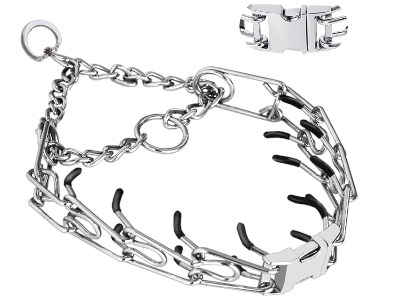
Sometimes you need effectiveness without breaking the bank. This prong collar delivers training results at a budget-friendly price.
The collar includes two extra links instead of one. This additional flexibility helps you dial in the perfect fit. You can size it precisely for your dog’s neck.
Chrome-plated steel forms the construction. The metal is strong and resistant to corrosion. While not as premium as some options, it holds up well under regular use.
A quick release buckle simplifies daily use. Snap it on before walks. Snap it off afterward. The convenience makes consistent training easier.
Best Use Cases
First-time prong collar users should consider this option. The lower price reduces the financial risk while you learn. If you’re unsure about prong collars, this one lets you test the concept affordably.
Budget-conscious owners get professional results without premium prices. The collar works effectively despite costing less. Your wallet stays happy while your dog learns proper behavior.
Multi-dog households benefit from the value. Buying several premium collars gets expensive. This option equips multiple dogs without financial strain.
Dogs in active training need tools that work now. This collar provides immediate results while you decide if you want to upgrade later. It’s a solid starting point.
Key Features Broken Down
The two extra links provide sizing insurance. Some dogs fall between standard sizes. These extra links let you fine-tune the fit perfectly. You avoid the too-tight or too-loose problem.
The prongs are rounded at the tips. Like more expensive options, these prongs won’t puncture skin. The tips are smooth and blunt. They apply pressure without causing injury.
The quick release uses reinforced plastic. The buckle is tested to handle pulling forces. It stays closed during walks but opens instantly when you press the release.
The D-ring attachment is welded. The ring connects securely to the collar. It won’t pull loose or separate during use. Your leash stays attached safely.
Real-Life Performance
This collar performs similarly to more expensive prong collars. Your dog pulls. The prongs engage. The dog learns. The process works as intended.
The construction is solid for the price. Links stay connected. The chrome finish resists light rust. With basic care, the collar lasts through months of training.
Some users report chrome flaking after extended use. This cosmetic issue doesn’t affect function. The collar still works even if the finish dulls. It’s a trade-off for the lower price.
The quick release remains functional long-term. Unlike some budget options where the buckle breaks, this one continues working. The reinforcement makes a difference.
Honest Pros and Cons
Pros:
- Very affordable price
- Includes two extra links for sizing
- Quick release buckle included
- Effective training results
- Suitable for first-time users
- Rounded prong tips for safety
- Works on small to large dogs
- Easy to use
Cons:
- Chrome finish may flake over time
- Not as durable as premium options
- Links may loosen with very heavy use
- Less impressive appearance
- Customer service is basic
- May need replacement sooner than expensive collars
Value Assessment
The price-to-performance ratio is excellent. You get 80% of the results at 40% of the cost. For many owners, that math works perfectly.
The inclusion of two extra links adds value. Other budget collars include one or none. These extra links help ensure proper fit, which is crucial for safety and effectiveness.
The collar serves as an excellent entry point. If you later decide you want premium quality, you can upgrade. If the budget option works perfectly, you save money. Either way, you win.
Side-by-Side Comparison: Finding Your Perfect Match
Each collar serves different needs. Here’s how they stack up against each other.
Strength and Durability
The Starmark collar wins on pure toughness. Its heavy-gauge construction handles extreme forces. Large, powerful dogs can’t damage it.
Max and Neo’s stainless steel offers a different kind of durability. It won’t rust or corrode, ever. For longevity in wet conditions, nothing beats it.
The Supet collar balances durability with convenience. It’s strong enough for most dogs while remaining lightweight and easy to use.
The budget prong collar is durable enough for regular use but may show wear faster than premium options.
Mayerzon’s nylon construction is durable but vulnerable to determined chewers. Keep it away from teeth.
Ease of Use
Quick release buckles make the Supet and budget prong collars fastest to put on. One snap and you’re ready.
Mayerzon’s buckle system is equally fast and adds the benefit of looking less intimidating.
Max and Neo requires slipping over the head, which takes more time but ensures security.
Starmark’s traditional design has a learning curve but offers maximum control once mastered.
Gentleness and Comfort
Mayerzon leads in gentleness. The nylon and chain combination provides correction without metal prongs.
Max and Neo’s smooth chain is comfortable for most dogs, though the metal can feel cold.
The wide prongs on the Starmark distribute pressure better than narrow designs, making it gentler than expected for a prong collar.
Supet and the budget option use rounded prongs, which are gentler than sharp alternatives but firmer than non-prong options.
Price and Value
The budget prong collar offers the lowest entry price and solid performance. It’s hard to beat for value-conscious buyers.
Supet provides premium features at a mid-range price. The quality-to-cost ratio is excellent.
Mayerzon costs more than basic collars but delivers unique benefits for sensitive dogs and escape artists.
Starmark commands a premium price but delivers professional-grade quality. For serious needs, it’s worth the investment.
Max and Neo includes the charitable component and lifetime durability, adding intangible value to justify the price.
Best for Different Dog Types
Small dogs (under 25 pounds): Mayerzon or Max and Neo in small sizes. Avoid heavy prong collars.
Medium dogs (25-60 pounds): Any of these collars work. Base your decision on temperament and training needs.
Large dogs (60-100 pounds): Supet, Starmark, or large Mayerzon. Strength matters here.
Giant breeds (100+ pounds): Starmark offers the best control and durability.
Sensitive dogs: Mayerzon provides effective training without intimidating hardware.
Strong pullers: Prong collars (Supet, Starmark, or budget option) deliver the quickest results.
Escape artists: Max and Neo or Mayerzon martingale designs prevent slipping.
Complete Buying Guide: Making the Right Decision
The perfect collar depends on your specific situation. Here’s how to think through the decision.
Assess Your Dog’s Size and Strength
Measure your dog’s neck accurately. Use a soft measuring tape around the neck where a collar sits. Add two inches for comfort. This measurement guides your size selection.
Consider strength, not just size. A 50-pound athletic dog pulls harder than a 70-pound lazy dog. Think about force, not just weight.
Look at neck shape. Dogs with thick necks need different solutions than dogs with narrow necks. Sighthounds have unique needs.
Evaluate Training Needs
Brand new pullers often respond to gentler methods first. Try a martingale before moving to prong collars.
Established pullers who ignore regular corrections need firmer tools. Prong collars provide the clear communication these dogs require.
Reactive or aggressive dogs need professional guidance combined with appropriate tools. Don’t guess on serious behavior issues.
Consider Your Physical Ability
Smaller handlers need mechanical advantage. A 120-pound person can control a 90-pound dog with the right collar. A prong collar helps even the playing field.
Arthritis or weak grip strength? Quick release buckles save your hands. Traditional collars require more dexterity.
Think About Your Environment
Urban walkers encounter many people. Reactions to prong collars vary. If you’re uncomfortable with potential judgment, martingale collars work well and look friendly.
Rural or private property users have more freedom. Tool selection can focus purely on effectiveness.
Water exposure matters. Stainless steel handles swimming. Chrome plating resists rain but may deteriorate in salt water.
Budget Realistically
One quality collar costs less than replacing cheap ones repeatedly. Front-load your investment.
Consider the total cost of ownership. A collar that lasts five years costs less annually than one that lasts six months.
Factor in potential training costs. An effective collar might save hundreds in professional training fees.
Safety Considerations
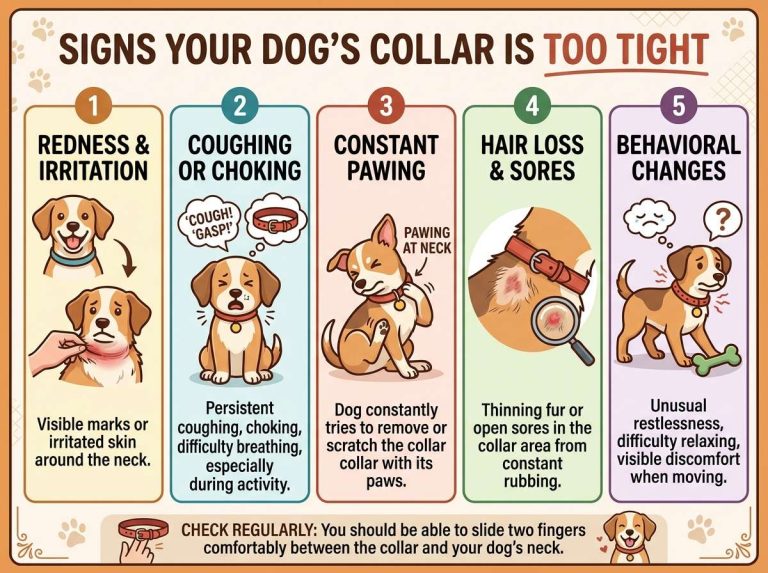
Proper fit is non-negotiable. Too tight causes injury. too loose becomes ineffective. Measure carefully and adjust properly.
Prong collars should sit high on the neck, just behind the ears. This position provides control with minimum pressure.
Never leave training collars on unsupervised dogs. Remove them after walks. Dogs can catch collars on objects, creating strangulation risk.
Inspect collars regularly. Check for worn links, frayed nylon, or damaged buckles. Replace worn equipment immediately.
Material Preferences
Metal offers durability and weather resistance. It’s heavier and can feel cold in winter.
Nylon provides comfort and lighter weight. It absorbs moisture and can develop odor over time.
Combination designs blend benefits. Mayerzon uses both metal and nylon strategically.
Who Should Buy These Collars
Different collars suit different people and situations.
The Supet Prong Collar Is Perfect For:
Dog owners with strong pullers who need immediate results. If your dog drags you down the street, this collar changes walks immediately.
People who want professional-grade tools without professional prices. The quality rivals expensive options at a fraction of the cost.
Handlers who value convenience. The quick release saves time every single day.
Anyone training a medium to large breed dog that ignores gentler corrections.
The Mayerzon Martingale Works Best For:
Owners of sighthounds and other narrow-headed breeds. The escape-proof design keeps these Houdinis safe.
People concerned about appearing aggressive. This collar looks friendly and non-threatening.
Dogs with sensitive skin who can’t tolerate metal prongs.
Handlers who want one collar for both training and regular wear.
Walkers in low-light conditions who need reflective safety features.
The Starmark Collar Suits:
Professional trainers who need reliable, consistent performance.
Owners of large, powerful breeds that require maximum control.
People dealing with serious behavior problems like aggression or reactivity.
Handlers who prioritize durability and are willing to invest in quality.
Anyone working with protection dogs or serious obedience training.
Max and Neo Appeals To:
Dog lovers who want their purchase to help rescue dogs.
Owners of water-loving dogs who need rust-proof equipment.
People with multiple dogs who can buy several without financial strain.
Handlers who want a collar that lasts forever.
Show dog handlers who need functional and attractive equipment.
The Budget Prong Collar Fits:
First-time prong collar users who want to test the concept affordably.
Multi-dog households that need several collars.
People on tight budgets who still need effective training tools.
Anyone uncertain about committing to an expensive option.
Dog owners who need something that works right now while they research long-term solutions.
Common Mistakes to Avoid
Even great collars fail when used incorrectly. Avoid these errors.
Fitting Too Loosely
Prong collars that sit low on the neck don’t work. They slide to the shoulders and become ineffective. The dog keeps pulling because the correction is too weak.
Fit prong collars snugly behind the ears. They should stay in position during walks. Remove links until the fit is correct.
Martingale collars need proper adjustment too. The collar should fit loosely when relaxed but shouldn’t slip over the head when tightened.
Using Constant Pressure
Training collars work through pressure and release. Pulling constantly teaches nothing. The dog experiences continuous discomfort without learning.
Use quick corrections. Pull briefly, then release immediately. The release is when learning happens.
Walk with a loose leash most of the time. Only apply pressure during corrections.
Leaving Training Collars On Full-Time
Prong and martingale collars are training tools, not everyday wear. Remove them between training sessions.
Dogs can catch collars on crate wires, furniture, or outdoor objects. This creates serious injury risk.
Use a flat collar or harness for casual wear. Save training collars for walks and training sessions.
Choosing Size Based on Breed Instead of Measurement
Two Labrador Retrievers can have different neck sizes. Breed guides are estimates, not facts.
Measure your individual dog. Compare measurements to size charts. Don’t assume your Golden Retriever needs a large.
When between sizes, take precise measurements. Add or remove links to customize fit.
Skipping the Learning Phase
Training collars aren’t magic. They’re communication tools. You still need to teach your dog what behaviors you want.
Spend time on basic leash training. Use the collar to reinforce lessons, not replace teaching.
Be consistent with commands and corrections. Dogs learn through repetition and clarity.
Using Damaged Equipment
Worn links can break during walks. Frayed nylon can snap under stress. Damaged quick releases can fail.
Inspect collars before each use. Look for wear, damage, or weak points.
Replace collars at the first sign of significant wear. Your dog’s safety is worth more than a new collar costs.
Forgetting to Pair with Positive Reinforcement
Corrections tell dogs what not to do. Rewards tell them what to do. Both are necessary.
Praise your dog when they walk nicely. Use treats during training sessions.
Balance correction with reward. The goal is a happy, well-behaved dog, not a fearful one.
Final Verdict: Which Collar Wins?
There’s no single best collar for everyone. Each option excels in specific situations.
For Most Dogs: Supet Prong Collar
This collar hits the sweet spot of effectiveness, durability, and value. The quick release buckle makes daily use convenient. The rounded prongs provide safe correction. The price is reasonable.
Most medium to large dogs pulling on walks will respond quickly to this collar. Most handlers will find it easy to use. Most budgets can accommodate the cost.
It’s not perfect for every situation, but it’s right for more situations than any other option.
For Sensitive Dogs: Mayerzon Martingale
When you need control without prongs, this collar delivers. The design prevents escape while remaining gentle on skin and fur.
Sighthounds especially benefit from this collar. But any dog with sensitivity issues or thin coat will appreciate the softer approach.
The reflective stitching and buckle convenience add practical value beyond the basic function.
For Serious Training: Starmark Pro-Training
Professional trainers choose this collar for good reason. The construction withstands extreme use. The wide prongs balance effectiveness with safety.
If you’re dealing with serious behavior problems, working with large powerful breeds, or pursuing professional training goals, this collar justifies its higher price.
The durability means you buy once and use for years across multiple dogs.
For Water Dogs: Max and Neo Stainless Steel
Rust-proof construction makes this collar uniquely suited to aquatic adventures. Beach dogs, dock diving dogs, and rain-loving dogs need equipment that handles moisture.
The charitable component adds feel-good value. Your purchase helps dogs in need.
The lifetime durability means you never buy another collar for this dog.
For Budget Buyers: Budget Prong Collar with Two Extra Links
When money is tight but training is necessary, this collar delivers results. The extra links ensure proper fit. The quick release adds convenience.
You sacrifice some durability and finish quality, but you gain immediate training effectiveness at minimal cost.
It’s perfect for testing prong collars before committing to premium options.
Taking Action: Your Next Steps
You’ve read the reviews. You understand the options. Now it’s time to make a decision.
Start by honestly assessing your dog. What’s their size, strength, and temperament? What specific behaviors need correction?
Consider your own needs. How much can you spend? What features matter most to you? How will public perception affect your comfort level?
Measure your dog’s neck accurately. Compare those measurements to size charts. When in doubt between sizes, go with the one that allows you to remove links for a snugger fit.
Order your chosen collar from a reputable seller. Avoid super-cheap knockoffs that sacrifice safety for savings.
When the collar arrives, fit it properly before use. Watch videos or read instructions specific to your collar type. Proper fit is crucial for both safety and effectiveness.
Start using the collar consistently. Every walk, every training session. Consistency teaches dogs faster than sporadic use.
Pair collar corrections with positive reinforcement. Praise good behavior. Reward progress. Create a positive training environment.
Monitor your dog’s response. Most dogs show improvement within days. If you see no progress after two weeks, reassess your technique or consult a professional trainer.
Remember that training collars are tools, not solutions. They work best when combined with proper training, consistency, and patience.
Your dog wants to please you. They just need clear communication about what you expect. The right collar provides that communication channel.
Take the step. Order the collar that fits your situation. Start walking with confidence instead of dread. Enjoy your dog instead of fighting with them.
The transformation can happen quickly. But it starts with taking action today.

Hi, I’m Mary, the founder of PetGadgetPro.com. I’m a passionate pet lover with a special place in my heart for dogs and cats. I share practical advice and honest insights on pet gear to help pet parents make better choices. My dedicated research team studies products in depth, and our writers create reviews using trusted, authentic sources—so you can feel confident choosing the best for your pets.