How To Groom Long Haired Cat
Long-haired cats are beautiful, but their coats need regular attention. Grooming is one of the most useful skills a new owner can build. This guide covers the basics in plain words, from tools to brushing, bathing, and caring for the face and paws.
You will also learn how to spot mats and skin problems early, and when to ask a veterinarian or professional groomer for help.
Key Takeaways
- Long-haired cats need brushing several times a week to prevent tangles and mats.
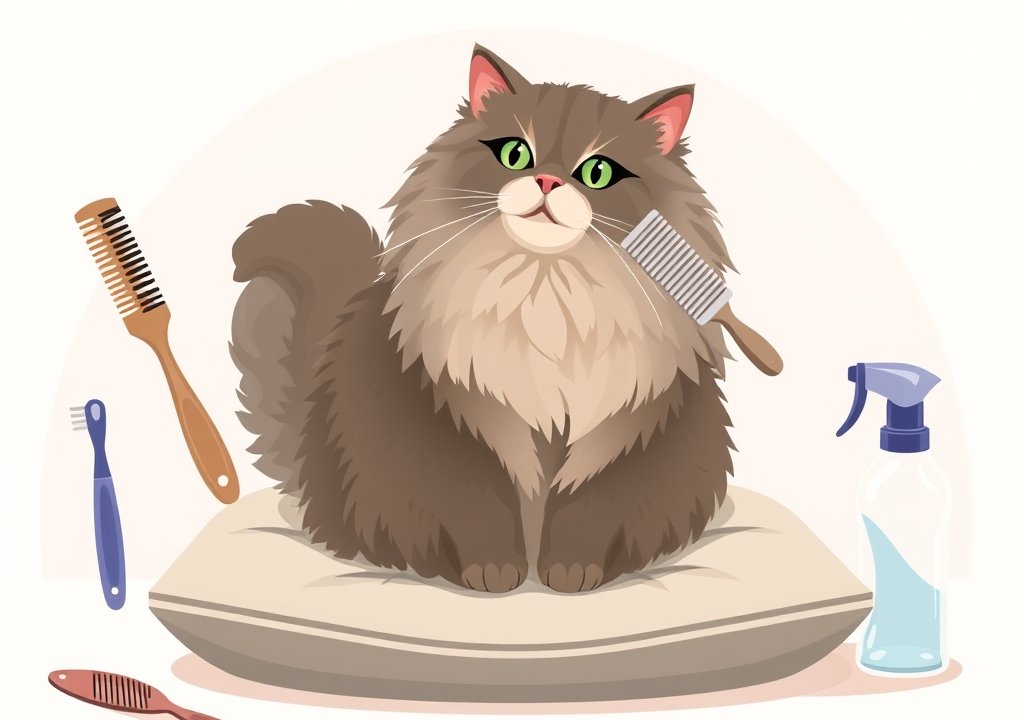
- A wide-tooth comb, a slicker brush, and a mat splitter cover most grooming needs.
- Brush in short sessions, work in sections, and stop if your cat becomes stressed.
- Bathing is needed less often than many people think, and cat-safe products matter.
- Check the eyes, ears, nails, and skin during each session to catch problems early.
Why Long-Haired Cats Need Regular Grooming
How Fur Mats and Tangles Form
Long fur grows in many directions. Loose hairs catch on the coat and twist together, and over time these knots tighten into mats close to the skin.
Mats often form behind the ears, under the legs, on the belly, and near the base of the tail. Friction, oils, and dirt make the problem worse.
What Happens If Grooming Is Skipped
Mats pull on the skin and can cause soreness or irritation. They also trap moisture, which can lead to redness or infection.
Dense mats can hide fleas, ticks, or small wounds. Small problems become harder and more painful to fix over time.
Benefits for Cat Health and Bonding
Brushing removes loose hair, which means fewer hairballs from self-grooming. A clean, smooth coat is also easier to maintain.
Grooming also builds trust. Calm, gentle sessions teach your cat that handling is safe, and many cats come to enjoy the attention.
Basic Tools for Cat Grooming
Wide-Tooth Comb and Metal Comb
A wide-tooth comb glides through long fur with less risk of snagging. A fine-tooth metal comb reaches the undercoat and finds knots near the skin.
Start with the wide-tooth comb. Switch to the metal comb once the coat feels mostly smooth.
Slicker Brush and Bristle Brush
A slicker brush has fine wire pins that remove loose undercoat and tangles. Use a light touch, since pressing hard can scratch the skin.
A bristle brush smooths the top coat and spreads natural oils, often as a finishing step.
Mat Splitter and Dematting Tools
A mat splitter has blades that cut through a mat from the inside, dividing it into smaller sections that can be combed out. Read the instructions and use it with care.
Dematting tools with rounded ends are often safer for beginners, as they lower the risk of cutting the skin.
Cat Nail Clippers and Ear Cleaning Supplies
Cat nail clippers are made for small, curved claws. Human clippers can crush or split them, so choose a pair made for cats. Ear cleaning supplies usually include a vet-approved solution and soft cotton pads. Never insert cotton swabs deep into the ear canal.
Step-by-Step Guide to Brushing a Long-Haired Cat
Preparing a Calm Grooming Space
Choose a quiet spot with good light, such as a table or the floor with a soft towel. Keep all tools within reach before you begin.
Brush when your cat is relaxed, such as after a meal or a nap. Avoid times when your cat is restless or playful.
Brushing Direction and Working in Sections
Divide the coat into small sections with your fingers. Brush one section at a time, starting at the tip of the fur and working toward the skin. This reduces pulling and keeps tangles from spreading.
Brush in the direction the fur grows. Stop and move on if the cat shows discomfort.
Brushing the Belly, Legs, and Tail
The belly and the backs of the legs often tangle quickly. Lift the leg gently, brush the hair underneath, and support the body so the cat feels stable.
The tail needs slow, light strokes. Hold the base firmly and brush from the tip inward.
Handling Tangles Gently Without Pulling
Hold the hair close to the skin with your fingers before combing. This protects the skin from tugging. Work the tangle loose one small piece at a time.
If a knot will not budge, stop and try another section. Forcing it can hurt your cat and make the problem worse.
Dealing With Mats and Tangles Safely
When to Use Your Fingers Versus a Tool
Fingers work well for small, loose tangles. Use a comb or brush for larger knots that resist finger work. A tool is needed once a tangle feels firm or dense.
Using a Mat Splitter Step by Step
Hold the mat firmly between your fingers to protect the skin. Slide the splitter gently into the mat, away from the skin. Cut in short, careful strokes, then comb the separated pieces out.
When to Ask a Veterinarian or Professional Groomer
Ask a professional for help if mats are large, tight against the skin, or cause pain. Seek veterinary advice if you see redness, sores, swelling, or a bad smell. A groomer can also handle severe matting safely.
Shaving Matted Fur: Pros, Cons, and Safety Tips
Shaving removes severe mats quickly and can be the kindest option for heavily matted coats. The downside is that the coat takes time to regrow. Clippers can also nick the skin, so a professional is often the safer choice.
Bathing a Long-Haired Cat
How Often Cats Really Need a Bath
Most healthy cats clean themselves well and need few baths. A bath is usually needed only when the coat is dirty, greasy, or soiled. Your veterinarian can advise on your cat’s specific needs.
Picking a Cat-Safe Shampoo
Use a shampoo made specifically for cats. Human shampoos can irritate the skin and upset the natural oils in the coat. Rinse all product out completely.
Drying a Long-Haired Cat Thoroughly
Wrap your cat in a towel and press out the water. A low-heat dryer on a gentle setting can help. Dry the coat fully to prevent chills and new tangles.
Tips for Reducing Stress During Baths
Use only a few inches of lukewarm water. Speak calmly and keep the bath short. Reward your cat with a treat afterward.
Caring for Eyes, Ears, Teeth, and Nails
Wiping Tear Stains Around the Eyes
Long-haired cats, especially those with flat faces, often develop tear stains. Gently wipe around each eye with a soft, damp cloth, using a separate cloth for each eye. Ask a veterinarian to check discharge that is thick, colored, or constant.
Checking and Cleaning Ears
Look inside the ears once a week. A healthy ear is clean and pale pink, with little or no odor. Wipe only the visible part of the ear with a cotton pad and a vet-approved cleaner. Never push cotton swabs into the ear canal.
Trimming Claws Safely
Trim only the thin, clear tip of each claw. Avoid the pink area inside, which contains blood vessels and nerves. If you are unsure, ask a groomer or vet to show you the method.
Dental Care Basics
Regular tooth brushing with a cat-safe toothpaste helps reduce plaque. Never use human toothpaste, since it can upset a cat’s stomach. Ask your veterinarian about dental checkups, since many dental problems start out of sight.
Grooming Routines for Different Coat Types
Silky Versus Woolly Long Coats
Silky coats are smooth and tangle less, usually needing a light touch and a bristle brush. Woolly coats curl more easily and often need frequent combing with a metal comb.
Persian and Maine Coon Coat Needs
Persians have dense, fine coats that mat easily, so daily or near-daily brushing is often recommended. Maine Coons have a heavy, water-resistant coat that sheds a lot, so regular brushing with an undercoat tool helps manage shedding.
Adjusting Routines for Kittens and Senior Cats
Kittens benefit from short, frequent sessions that build comfort with handling. Senior cats may have arthritis or stiffness, so use a low, supported position and shorter sessions. Check the skin more often in older cats, since they may groom less on their own.
Common Grooming Mistakes Beginners Make
Brushing Too Hard or Too Quickly
Pressing hard can scratch the skin and cause discomfort. Rushing often leaves tangles behind. Slow, steady strokes keep your cat calmer.
Using the Wrong Brush for the Coat
A stiff brush on a fine coat can break hairs, while a soft brush may not reach mats. Match the tool to the coat length and texture.
Ignoring the Undercoat and Hidden Mats
Many tangles form close to the skin, where they are hard to see. Part the top coat and check the undercoat regularly.
Skipping Breaks and Rewards
Long sessions can overwhelm a cat. Take short breaks and offer praise or a treat to end on a positive note.
Building a Stress-Free Grooming Habit
Short Sessions and Positive Rewards
Begin with just a few minutes of brushing. Stop before your cat becomes restless, and extend the session gradually.
Introducing Grooming Early in Kittenhood
Kittens handled gently from an early age often accept grooming more easily. Touch the paws, ears, and belly briefly during play.
Reading Your Cat’s Body Language
Flattened ears, a twitching tail, or a tense body signal discomfort. Hissing, growling, or trying to leave are clear signs to stop. Respecting these signals builds trust.
Frequently Asked Questions
How often should I brush a long-haired cat?
Most long-haired cats benefit from brushing several times a week. Cats with very dense coats, such as Persians, may need daily attention. Ask your veterinarian for advice tailored to your cat.
Can I use a regular human hairbrush on my cat?
A human hairbrush is not ideal for most cats. Its bristles may be too stiff or too slippery for a dense coat. A brush made for cats is usually a safer choice.
Is it safe to cut mats out with scissors?
Cutting mats with scissors is risky, even for experienced owners. The skin is easy to nick, especially where a mat sits close to the body. A professional groomer or veterinarian is the safer choice for large mats.
Do long-haired cats need professional grooming?
Many long-haired cats benefit from periodic professional grooming, especially when mats are severe. Regular home brushing still makes a big difference between visits.
What should I do if my cat hates being groomed?
Keep sessions short and calm, and offer treats throughout. Stop if your cat shows clear signs of fear or anger. If the problem continues, ask your veterinarian or a cat behavior specialist for guidance.
Conclusion
Grooming a long-haired cat takes patience, the right tools, and a calm routine. Brush regularly, work in sections, and handle mats gently. Check the eyes, ears, claws, and skin during each session. With steady practice, grooming becomes a simple habit that keeps your cat comfortable and healthy.

Hi, I’m Mary, the founder of PetGadgetPro.com. I’m a passionate pet lover with a special place in my heart for dogs and cats. I share practical advice and honest insights on pet gear to help pet parents make better choices. My dedicated research team studies products in depth, and our writers create reviews using trusted, authentic sources—so you can feel confident choosing the best for your pets.