How To Groom A German Shepherd With Shed Release
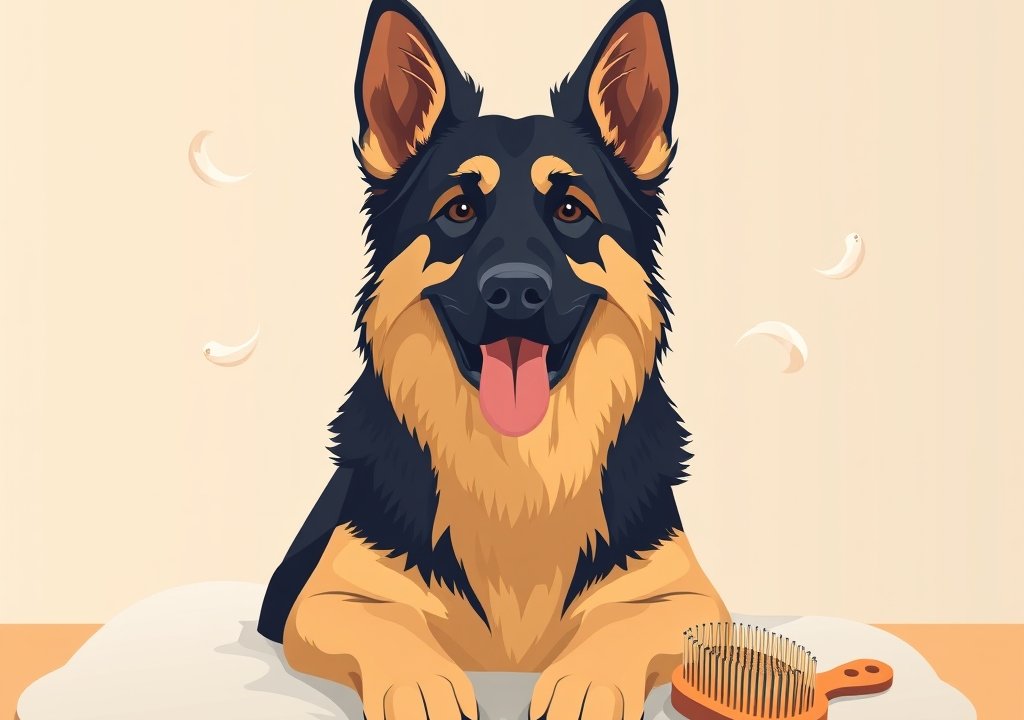
Learning how to groom a German Shepherd with shed release takes patience, the right tools and a steady routine. This breed has a thick double coat that sheds heavily at certain times of year. Good grooming does not stop shedding, but it removes loose hair before it reaches your sofa and carpet.
This guide explains why German Shepherds shed, which tools help most and how to brush and care for the coat. It also covers common mistakes and when shedding may signal a health issue.
Key Takeaways
- German Shepherds have a double coat, so they shed a lot, especially during seasonal coat blow.
- An undercoat rake and a slicker brush are the core tools for shed release grooming.
- Brush against the grain to lift loose undercoat, working in sections from head to tail.
- Never shave the double coat, because it protects the skin from heat, cold and sunburn.
- Diet, regular brushing and a clean home help control shedding between grooming sessions.
Why German Shepherds Shed and What Shed Release Means
The Double Coat Explained
A German Shepherd has two layers of fur. The outer coat is longer and coarser, while the undercoat is soft, dense and close to the skin.
This coat keeps the dog warm in cold weather and cool in warm weather. Because the undercoat is so thick, it holds a lot of loose hair.
Seasonal Coat Blow and Why It Happens
Many German Shepherds go through a heavy shed a few times a year, often called coat blow. The dog releases old undercoat to make room for new growth.
Changes in daylight and temperature often trigger this process. Indoor heating and air conditioning can also affect how much a dog sheds.
What Shed Release Grooming Actually Does
Shed release grooming means brushing out loose undercoat before it falls out on its own. Done well, it can reduce the amount of hair left around your home.
It does not stop shedding. The breed will always shed some hair, and regular grooming simply makes it easier to manage.
Essential Tools for German Shepherd Shed Release
Undercoat Rake and Slicker Brush
An undercoat rake has wide-set metal teeth that reach deep into the double coat. It is the main tool for pulling out loose undercoat. Many beginners find it the most useful item for this breed.
A slicker brush has many fine, short wire bristles on a flat pad. Use it after the rake to smooth the outer coat and remove tangles.
Deshedding Tools and When to Use Them
Deshedding tools have a blade or fine teeth designed to remove loose hair. They are often used during heavy coat blow. They can irritate skin if used too hard.
Use a deshedding tool gently and in short strokes. Stop if the dog seems uncomfortable or the skin looks red. Many owners use these tools only during peak shedding periods.
Grooming Gloves, Combs and Other Helpful Extras
A rubber grooming glove can pick up loose hair while you pet your dog. It is a gentle option for dogs that dislike brushing. A metal comb with wide and fine teeth helps check for knots.
Keep a few towels, a non-slip mat and some treats nearby. Treats help the dog connect grooming with something pleasant.
Step-by-Step Guide to Grooming a German Shepherd
Preparing Your Dog and Your Grooming Space
Choose a quiet spot with good light. Place a non-slip mat on the floor so your dog stays steady. Keep a towel and treats within reach.
If your dog is new to brushing, start with a short session. Praise your dog often as you work.
Brushing Against the Grain for Loose Undercoat
Brushing against the grain means working opposite to the way the hair lies. This lifts the loose undercoat up and away from the skin. Use the undercoat rake with short, gentle strokes.
Work in small sections. Part the outer coat with your hand, then rake the layer beneath it. Clean the rake often.
Working Through the Back, Sides, Chest and Tail
Begin at the shoulders and move down the back toward the hips. Then work along the sides, the chest and the legs. Give the thick tail extra attention, since loose hair often collects there.
Take care around the belly and under the legs, where the skin is thinner. Use lighter pressure there. Gently work any mats apart with your fingers.
Finishing Touches After Brushing
Once you have raked the undercoat, switch to the slicker brush. Brush the outer coat in the direction of the hair to smooth it and remove remaining loose hair.
Finish with a comb to check for missed knots. Offer a treat and some praise. Then gather up the loose hair from the floor and towel.
Bathing and Drying During Shed Season
How Often to Bathe a German Shepherd
Most German Shepherds do not need frequent baths. Bathing too often can dry out the skin and coat, so many owners bathe only when the dog is dirty or smells.
During heavy shedding, a bath can help loosen hair. Always brush thoroughly first, since wet tangles are harder to remove.
Picking a Shampoo That Suits a Double Coat
Pick a gentle dog shampoo made for sensitive skin or double coats. Avoid human shampoos, which can upset the skin’s natural balance. Rinse fully, because leftover product can cause itching.
Some owners also use a conditioner to reduce tangles. Follow the label directions and rinse it out well.
Blow Drying Safely to Remove Loose Hair
Towel dry first to remove as much water as possible. A pet dryer on a low or cool setting can then lift loose hair. Keep the nozzle moving and never hold it too close to the skin.
Stop if your dog seems frightened or overheated. Brush the dry coat again to catch any remaining undercoat.
Common Mistakes Beginners Make When Grooming
Shaving or Clipping the Double Coat
Many beginners think shaving will stop shedding. In reality, the undercoat can grow back patchy or change texture. The coat also protects the skin from sunburn and heat.
Brush regularly instead and let the coat do its job. If you feel unsure, ask a professional groomer for advice.
Over-Brushing and Skin Irritation
Brushing too hard can scratch the skin and cause redness. Use short, light strokes and stop when the skin looks sore.
Watch your dog’s reaction closely. Signs of discomfort include turning away, licking or pulling back.
Skipping Grooming During Heavy Shedding
Some owners stop brushing when shedding peaks, but this is when brushing helps most. Loose hair left in the coat can form mats and trap dirt.
Keep a steady routine during coat blow. Short daily sessions often work better than one long session each week.
Managing Shedding at Home Between Grooming Sessions
<h3 Diet, Hydration and Coat Health
A balanced diet supports healthy skin and coat. Ask your vet which food suits your dog’s age and activity level. Fresh water should always be available.
Some owners ask their vet about fatty acid supplements. Your vet can advise if these are appropriate for your dog.
Vacuuming, Lint Rollers and Keeping Hair Under Control
A vacuum with a pet attachment picks up hair from carpets and upholstery. Vacuum often during heavy shedding. Lint rollers work well on clothing and cushions.
Wash bedding regularly in warm water. This keeps loose hair from building up in one spot.
When Excess Shedding May Signal a Health Issue
Some shedding is normal, but sudden hair loss, bald patches or red, flaky skin can signal a problem. Parasites, allergies and hormonal changes are possible causes. A vet can check and recommend treatment.
Frequently Asked Questions
How long does a German Shepherd shed release last?
Heavy coat blow often lasts several weeks. The length varies from dog to dog and depends on season and home conditions. Regular brushing helps shorten how much hair ends up around the house.
Can I use a human brush on a German Shepherd?
A human brush rarely reaches the dense undercoat. It may also pull on the coat and irritate the skin. An undercoat rake and slicker brush are better suited to this breed.
Is it safe to bathe a German Shepherd during shedding?
Yes, a gentle bath can help loosen hair when used with thorough brushing. Bathe no more often than needed to avoid drying the skin. Always rinse fully and dry the coat well.
Should I shave my German Shepherd to reduce shedding?
Shaving is not recommended for this breed. The double coat protects the skin from heat, cold and sunburn. Regular brushing is the safer way to manage shedding.
When should I see a vet about heavy shedding?
See a vet if shedding comes with bald patches, redness, scabs, strong odor or changes in appetite and energy. These signs may point to a skin condition or illness. Early checks help your dog stay comfortable.
Conclusion
Grooming a German Shepherd with shed release works best with the right tools and a steady routine. The undercoat rake and slicker brush do most of the work. Brushing against the grain, bathing sensibly and keeping the home clean all reduce loose hair. Avoid shaving, and call a vet if shedding looks unusual.
Hi, I’m Mary, the founder of PetGadgetPro.com. I’m a passionate pet lover with a special place in my heart for dogs and cats. I share practical advice and honest insights on pet gear to help pet parents make better choices. My dedicated research team studies products in depth, and our writers create reviews using trusted, authentic sources—so you can feel confident choosing the best for your pets.