How To Groom An Australian Shepherd Dog
Grooming an Australian Shepherd is easier than many new owners expect. This breed has a thick double coat, so the work is mostly regular brushing, occasional bathing, and keeping the nails, ears and teeth healthy. With a simple routine, grooming becomes a calm part of daily life.
This guide covers the basics in plain words. It explains why grooming matters, which tools to buy, and how to brush and bathe.
Key Takeaways
- Australian Shepherds have a double coat that needs brushing down to the skin, not just on top.
- A slicker brush, undercoat rake and metal comb cover most basic needs.
- Brushing once or twice a week helps prevent mats, while bathing is needed only now and then.
- Nail trimming, ear cleaning and tooth brushing protect long-term health.
- Starting early and using treats keeps grooming calm and positive.
Why Grooming Matters for Australian Shepherds
Grooming does more than keep a dog looking neat. It keeps the skin healthy, spreads natural oils through the coat, and helps owners spot lumps, sores or pests early.
A dense coat traps dirt and moisture, so skipping grooming can lead to tangles and irritation. Good habits make these problems rare.
What Makes an Australian Shepherd Coat Different
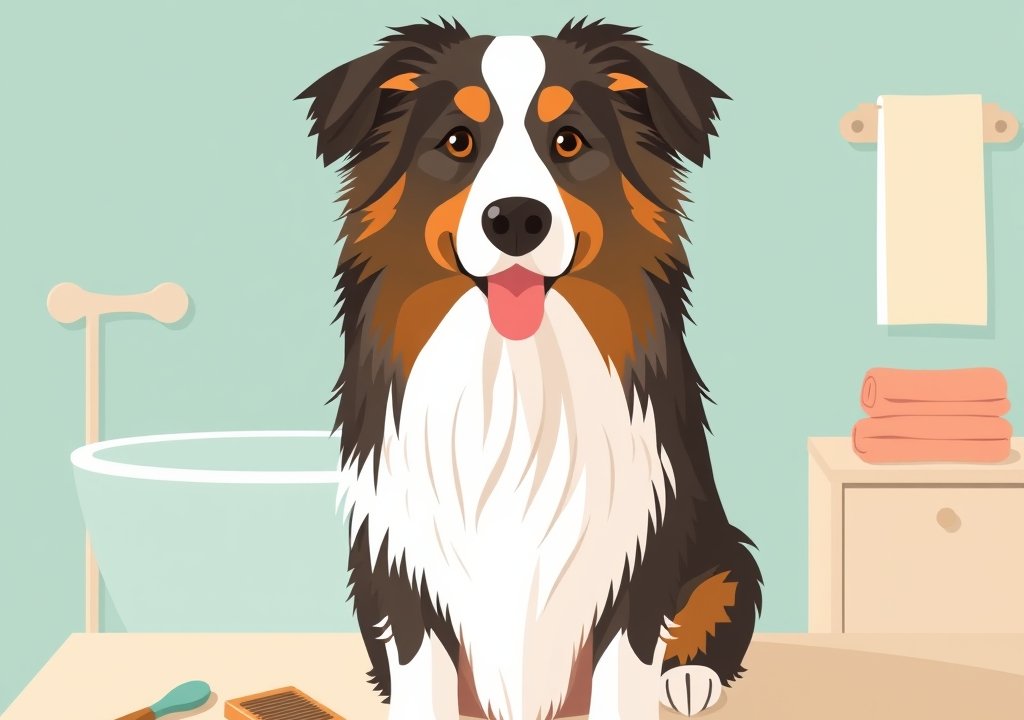
The breed has a soft, dense undercoat beneath a longer, coarser outer coat. The outer coat sheds dirt and water, while the undercoat keeps the dog warm.
Brushing only the top layer leaves the undercoat tangled, so brushing down to the skin is the key habit.
Benefits of Regular Brushing and Bathing
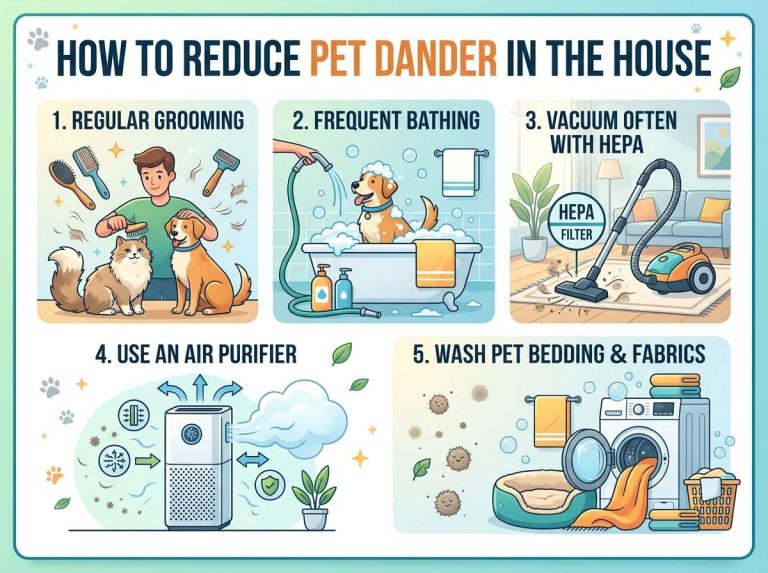
Regular brushing removes dead hair before it forms mats and spreads natural oils for a shinier coat. It also reduces loose hair around the house.
Bathing removes dirt, odor and loose undercoat, but too much can dry out the skin. A moderate schedule works best.
Essential Grooming Tools for Beginners
A small set of good tools is enough for most home grooming. Choose tools that suit a thick double coat and are gentle on the skin.
Slicker Brushes, Undercoat Rakes and Combs
A slicker brush has fine, short wire bristles that smooth the outer coat and lift loose hair. An undercoat rake has widely spaced teeth that pull out dead undercoat. A metal comb checks for knots, especially on the legs, chest and tail.
Nail Clippers, Ear Cleaners and Dog Shampoo
Dog nail clippers come in scissor or guillotine styles. Pick one that feels comfortable in your hand. A gentle, dog-safe ear cleaner helps remove wax and dirt from the ear flap.
Use shampoo made for dogs, since human products can irritate a dog’s skin. Choose a mild, fragrance-light formula.
Ways to Keep the Tools in Good Shape
Clean brushes after each use by removing hair with your fingers or a comb. Dull clipper blades can crush nails, so keep them sharp. Store tools somewhere dry to prevent rust.
How to Brush an Australian Shepherd Step by Step
Brushing is the most important part of grooming this breed. A calm, steady routine keeps it quick and comfortable. Choose a quiet time when the dog is relaxed.
- Place the dog on a table or the floor, whichever feels safer.
- Start with the slicker brush and smooth the outer coat in the direction of hair growth.
- Switch to the undercoat rake and work in small sections, moving from the neck toward the tail.
- Use the metal comb to check for any knots the rake missed.
- Finish by brushing the legs, belly, behind the ears and under the tail.
Brushing Down to the Skin Without Matting
Part the coat with your fingers so you can see the skin. Brush small sections and lift the hair as you go. This keeps the undercoat clean and prevents tangles.
If you feel resistance, stop and gently work the knot with your fingers. Pulling hard can hurt the dog and break the hair.
How Often to Brush a Double Coat
Most Australian Shepherds do well with brushing once or twice a week. During heavy shedding, daily brushing may be needed for a short time. Dogs that spend a lot of time outdoors may need more frequent checks.
How to Bathe an Australian Shepherd at Home
Bathing a dog with a double coat takes some planning. Brush thoroughly first, since this removes loose hair and keeps mats from tightening when wet.
Preparing the Bath and Picking a Gentle Shampoo
Use lukewarm water and a non-slip mat. Wet the coat fully, down to the skin, then work in shampoo gently. Rinse until no suds remain, because leftover product can irritate the skin.
Choose a mild shampoo made for dogs and avoid strong scents. A dog conditioner can help with tangles, but rinse it out completely.
Drying Thoroughly to Prevent Skin Problems
A thick coat holds moisture close to the skin for a long time. Towel dry first, then use a dryer on a low, cool setting, keeping it moving so the skin does not overheat.
Brush the undercoat as it dries. Damp areas left behind can lead to irritation or odor.
Trimming Nails, Cleaning Ears and Caring for Teeth
Nails, ears and teeth need steady attention even when the coat looks fine. Small, frequent habits prevent bigger problems later.
How to Trim Dog Nails Safely
Trim a small amount at a time. Each nail has a quick, a sensitive area with blood vessels and nerves. Cutting into it causes pain and bleeding, so trim only the tip.
If you cannot see the quick, trim less and check often. Keep styptic powder nearby for minor bleeding. Ask a vet or groomer to demonstrate if you feel unsure.
Ear Cleaning and Dental Care Basics
Check the ears weekly for redness, odor or dark discharge. Wipe only the visible part of the ear with a dog-safe cleaner on a cotton ball. Never push anything deep into the ear canal.
Brush teeth with dog toothpaste several times a week to reduce tartar. Avoid human toothpaste, which can upset a dog’s stomach. Chew toys help dental health but do not replace brushing.
Seasonal Shedding and Coat Care Tips
Australian Shepherds shed heavily at least twice a year. The biggest changes often come in spring and fall, when the undercoat blows out in clumps. Knowing what to expect makes these periods easier.
Managing Heavy Shedding in Spring and Fall
During heavy shedding, brush daily with an undercoat rake in short sessions. Work in sections and remove loose hair as you go. Brushing outdoors can also keep the mess down.
Regular brushing helps the new coat grow in cleanly. Good nutrition and fresh water also support a healthy coat. Talk with a vet if shedding seems extreme.
Handling Mats, Burrs and Tangles
Mats form when hair knots close to the skin. Check areas behind the ears, under the legs and around the tail often. Small knots are easier to work out than large ones.
For a stubborn mat, use a mat splitter or ask a professional groomer for help. Never cut a mat close to the skin with scissors, because it is easy to nick the dog. Remove burrs slowly with your fingers and a little conditioner.
Comparing Professional Grooming and Home Grooming
Home grooming saves money and builds a close bond, but it takes time and practice. Professional grooming offers skill and convenience. Many owners use a mix of both.
When to Visit a Professional Groomer
A professional groomer can help when mats are severe, the dog has skin problems, or a full coat trim or deshedding treatment is needed. Visits are also useful for the first few times while the owner learns.
Costs, Time and Skill Needed for Each Option
Home grooming needs tools, a quiet space and regular time each week. Supplies are usually a one-time expense plus shampoo and occasional replacements. Professional visits cost more over time. Compare local prices before deciding.
Making Grooming Easy and Positive for Your Dog
A dog that enjoys grooming is easier to care for. Calm habits built early make the process smoother for both the dog and the owner. Patience and rewards go a long way.
Starting Grooming Early With Puppies
Introduce brushing, paw handling and gentle ear checks while the dog is still a puppy. Keep sessions short and pleasant. Early exposure helps the dog accept grooming as a normal part of life.
Using Treats and Breaks to Reduce Stress
Offer small treats during and after grooming. Take breaks if the dog becomes restless or anxious. Ending on a good note helps the dog look forward to the next session.
Frequently Asked Questions
Do Australian Shepherds Need to Be Shaved in Summer?
Shaving is generally not recommended for double-coated breeds. The coat helps regulate body temperature in both heat and cold. Brushing out loose undercoat is usually a better way to stay comfortable.
How Often Should I Bathe My Australian Shepherd?
Most dogs need a bath only every few months, or when they get dirty. Bathing too often can dry out the skin. Ask a vet for advice based on the individual dog.
Can I Use Human Shampoo on My Australian Shepherd?
Human shampoo is not ideal because dog skin has a different pH level. It can dry or irritate the skin. A mild shampoo made for dogs is the safer choice.
How Do I Know If My Australian Shepherd Has Mats?
Mats feel like tight knots close to the skin. They often form behind the ears, under the legs and around the tail. Combing these areas regularly helps you spot them early.
Is Grooming Difficult for a First-Time Dog Owner?
Grooming takes some practice, but most beginners learn the basics within a few weeks. A professional groomer or vet can also show you the basics in person.
Conclusion
Grooming an Australian Shepherd comes down to a few steady habits. Brushing down to the skin, bathing only when needed, and keeping nails, ears and teeth in check cover most needs. Starting early and using treats keeps the routine positive for the dog.
Hi, I’m Mary, the founder of PetGadgetPro.com. I’m a passionate pet lover with a special place in my heart for dogs and cats. I share practical advice and honest insights on pet gear to help pet parents make better choices. My dedicated research team studies products in depth, and our writers create reviews using trusted, authentic sources—so you can feel confident choosing the best for your pets.