How to Fix Bad Dog Breath?
Your dog just gave you a big sloppy kiss. You love your furry friend, but wow — that smell knocked you back a few steps. Bad breath in dogs is super common. The good news? You can fix it.
Let’s talk about why your pup’s breath smells like old garbage and what you can do about it.
Why Does My Dog’s Breath Smell So Bad?
Dog breath shouldn’t smell like roses. A mild odor is normal. But if your nose wrinkles every time your dog pants near you, something’s up.
The main culprit is usually bacteria. Your dog’s mouth is full of it. When bacteria builds up on teeth and gums, it creates that awful smell. Think of it like morning breath, but way worse.
Plaque forms on your dog’s teeth just like it does on yours. This sticky film is packed with bacteria. Over time, plaque hardens into tartar. That yellow or brown crust you see on dog teeth? That’s tartar. And it stinks.
But bacteria isn’t the only problem. Sometimes bad breath signals bigger health issues. Kidney disease, liver problems, and diabetes can all cause foul-smelling breath. Infections in the mouth, throat, or sinuses create nasty odors too.
Some dogs also have a habit of eating things they shouldn’t. Dead animals, poop, or rotten food will make anyone’s breath smell terrible. If your dog is a garbage-eating champion, that might explain the stench.
Check Your Dog’s Mouth First
Before you panic, take a look inside your dog’s mouth. This quick check can tell you a lot.
Lift your dog’s lip gently. Look at the teeth and gums. Healthy gums should be pink. Red, swollen, or bleeding gums mean trouble. White or pale gums can signal serious health problems.
Check the teeth next. They should be white or slightly off-white. Brown or yellow buildup is tartar. Broken, loose, or missing teeth need attention from a vet.
Sniff around. Does the smell come from the mouth, or could it be the ears or skin? Sometimes we think it’s bad breath when the odor comes from somewhere else.
Look for any lumps, bumps, or sores in the mouth. Check the tongue and roof of the mouth too. Anything that looks weird or painful should be checked by a vet.
If you spot serious problems like lots of tartar, bleeding gums, or broken teeth, book a vet appointment. Professional help might be needed before you try home remedies.
Clean Those Teeth
Brushing your dog’s teeth is the best way to fight bad breath. Yes, it sounds weird. But it works.
Start slow if your dog has never had their teeth brushed. Let them sniff the toothbrush. Give treats and praise. Make it fun, not scary.
Use toothpaste made for dogs. Never use human toothpaste. It contains ingredients that can make dogs sick. Dog toothpaste comes in flavors like chicken or beef. Your pup might actually like it.
Get a dog toothbrush or a finger brush. Finger brushes slip over your finger and give you better control. They work great for beginners.
Here’s how to brush:
Start by letting your dog lick the toothpaste off your finger. Do this for a few days until they love the taste.
Next, rub your finger along their gums. Just a quick touch at first. Build up slowly.
Then introduce the toothbrush. Let them sniff it. Put some toothpaste on it. Let them lick it off.
Now for the actual brushing. Lift the lip. Brush the outer surfaces of the teeth in small circles. Focus on the back teeth where tartar builds up most.
You don’t need to brush the inside surfaces. Your dog’s tongue does a decent job there.
Brush for about 30 seconds on each side. That’s it. Quick and simple.
Do this daily if possible. Three times a week at minimum. Consistency matters more than perfection.
Your dog might wiggle or pull away at first. That’s normal. Keep sessions short and positive. Stop before your dog gets frustrated. Try again tomorrow.
After a few weeks, brushing becomes routine. Many dogs actually start to enjoy it. The flavored toothpaste helps.
Dental Chews and Treats
Not all dogs tolerate tooth brushing. That’s okay. Dental chews can help.
These special treats are designed to scrub teeth as your dog chews. They work like edible toothbrushes. The texture helps remove plaque before it turns into tartar.
Look for products with the Veterinary Oral Health Council seal. This stamp means the product actually works. Not all dental chews are created equal.
Give dental chews daily. Follow the package directions for size and amount. Too many can upset your dog’s stomach or add extra calories.
Popular options include:
Greenies – These green treats have a chewy texture that cleans teeth. Dogs seem to love the taste.
Dental sticks – These long, bumpy sticks massage gums while cleaning teeth.
Rawhide alternatives – Made from digestible ingredients, these last longer than regular treats.
Dental bones – Hard bones designed specifically for teeth cleaning.
Watch your dog while they chew. Make sure they don’t try to swallow big pieces. Some dogs are enthusiastic chewers who need supervision.
Dental chews help, but they’re not magic. Think of them as helpful extras, not replacements for brushing.
Raw Bones Can Help
Raw meaty bones are nature’s toothbrush. The chewing action scrapes away plaque. The raw meat provides nutrients. The bone gives a good workout for jaws and teeth.
Important note: raw bones only. Never give cooked bones. Cooking makes bones brittle. They can splinter and cause serious injuries.
Good raw bone options include:
Raw chicken necks or backs – Soft enough for most dogs to crunch through safely.
Beef ribs or knuckle bones – Harder bones for bigger dogs with strong jaws.
Turkey necks – A middle ground between chicken and beef.
Lamb ribs or necks – Another good option for medium-sized dogs.
Always supervise bone-chewing time. Pick bones appropriate for your dog’s size. Small dogs get small bones. Big dogs get bigger bones.
Take the bone away after 15-20 minutes. This prevents dogs from guarding bones or getting upset stomachs from eating too much.
Freeze leftover bones for next time. Toss them after a few days to avoid bacteria growth.
Some dogs can’t have raw bones. Those with certain health conditions, missing teeth, or jaw problems should skip this option. Ask your vet if you’re not sure.
Water Additives for Fresh Breath
Water additives are super easy. You just add them to your dog’s water bowl. They help fight bacteria and freshen breath.
These products contain enzymes that break down plaque. Some include ingredients that kill odor-causing bacteria. Others coat teeth to prevent buildup.
Pour the recommended amount into fresh water daily. Your dog drinks normally. The additive does its work.
Quality matters here. Cheap products might not do much. Look for:
Enzymatic formulas – These break down existing plaque.
Chlorhexidine – A safe antiseptic that kills bacteria.
Zinc compounds – These neutralize odors.
Products approved by veterinary dental groups.
Water additives work best when combined with other cleaning methods. They’re not a solo solution. But they’re a great addition to your routine.
Some dogs won’t drink water with additives. If your pup turns up their nose, don’t force it. Fresh water is more important than additives.
Dental Wipes Are Quick and Easy
Dental wipes look like baby wipes. You wrap one around your finger and rub it on your dog’s teeth and gums.
They’re perfect for dogs who hate toothbrushes. The process is faster and less intimidating than brushing.
Use dental wipes after meals or before bed. Wipe the outer surfaces of teeth. Get along the gum line where bacteria hides.
These wipes contain gentle cleaners that remove plaque and freshen breath. Some include enzymes or antibacterial ingredients.
They’re not as effective as brushing. But they’re way better than nothing. Many dog owners use wipes when traveling or on busy days.
Keep a container in your car or bag. Quick wipe sessions can happen anywhere.
Feed Better Quality Food
Diet affects breath more than you might think. Low-quality food can make breath worse.
Cheap dog food often contains lots of fillers. Corn, wheat, and by-products don’t digest well. They can cause digestive issues that lead to bad breath.
Better quality food means:
Real meat as the first ingredient.
Fewer fillers and artificial ingredients.
Balanced nutrients for overall health.
Better digestion means less gas and better breath. Your dog’s whole body benefits from good nutrition.
Dry kibble helps clean teeth naturally. The crunching action scrapes away some plaque. Wet food is softer and sticks to teeth more.
If your dog eats mostly wet food, dental care becomes even more important.
Some dog foods are specially formulated for dental health. They have larger kibble pieces or special textures. These can help, but they’re not magic bullets.
Talk to your vet about the best diet for your dog. Every pup is different.
Add Fresh Foods
Crunchy vegetables can act like natural toothbrushes. They scrub teeth while providing vitamins.
Safe options include:
Raw carrots – Hard and crunchy, perfect for cleaning teeth.
Celery – Stringy texture helps scrub.
Apple slices – Remove the seeds first.
Green beans – A low-calorie crunchy snack.
Cut vegetables into safe sizes. Small dogs need smaller pieces. Supervise to prevent choking.
Some dogs love veggies. Others won’t touch them. Start small and see what your pup likes.
Parsley is a natural breath freshener. Chop a little fresh parsley and sprinkle it on your dog’s food. It contains chlorophyll, which helps neutralize odors.
Coconut oil has antibacterial properties. A small amount mixed into food or given as a treat can help fight mouth bacteria. Start with just a tiny bit to avoid upset stomachs.
Fresh foods supplement dental care. They don’t replace brushing or vet visits.
Stop the Coprophagia
Coprophagia is a fancy word for poop-eating. Lots of dogs do it. And yes, it makes their breath smell horrible.
Dogs eat poop for various reasons. Sometimes they’re missing nutrients. Other times it’s boredom or stress. Puppies often do it out of curiosity.
To stop this habit:
Clean up poop right away. No poop available means no poop-eating.
Make sure your dog gets enough food and the right nutrients.
Keep your dog busy with toys and exercise.
Train a solid “leave it” command.
Use a deterrent spray on poop in your yard.
Add a small amount of pineapple or meat tenderizer to food. This makes poop taste bad to dogs. Weird but effective.
If the habit continues, talk to your vet. Sometimes poop-eating signals health problems.
Toys That Clean Teeth
Special dental toys help clean teeth during play. They’re designed with nubs, ridges, or bristles that scrub teeth.
Rubber toys with grooves work well. You can even stuff them with dog-safe toothpaste or peanut butter. Your dog chews and cleans at the same time.
Rope toys act like dental floss. The fibers get between teeth and remove debris. Just make sure your dog doesn’t eat the rope.
Hard rubber toys last longer than soft ones. They stand up to aggressive chewers better.
Rotate toys to keep things interesting. Dogs get bored with the same toys every day.
Wash dental toys regularly. They get covered in saliva and bacteria. Most rubber toys can go in the dishwasher.
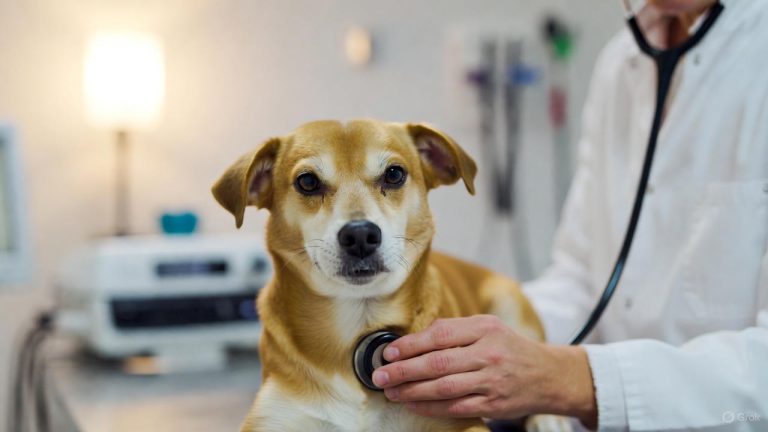
Replace toys when they show serious wear. Chunks of toy swallowed can cause problems.
Professional Dental Cleaning
Sometimes home care isn’t enough. Professional cleaning removes tartar that brushing can’t touch.
Vet dental cleanings happen under anesthesia. This allows the vet to clean below the gum line and check every tooth carefully.
The process includes:
Full mouth examination.
Scaling to remove tartar above and below the gums.
Polishing to smooth tooth surfaces.
Fluoride treatment to strengthen enamel.
X-rays if needed to check for hidden problems.
Your dog won’t remember the procedure. They wake up with cleaner teeth and fresher breath.
How often does your dog need professional cleaning? It depends. Small breeds often need it more often than large breeds. Some dogs need annual cleanings. Others can go longer between visits.
Your vet will tell you what’s needed based on your dog’s mouth.
Yes, anesthesia carries some risk. But untreated dental disease is far more dangerous. Infections can spread to vital organs. Painful teeth make dogs miserable.
Modern veterinary anesthesia is very safe. Vets monitor your dog throughout the procedure.
When to See the Vet Right Away
Some signs mean you need professional help now, not later.
Call your vet if you notice:
Extreme bad breath that appears suddenly.
Refusal to eat or drink.
Pawing at the mouth constantly.
Excessive drooling, especially if it’s bloody.
Swelling in the face or jaw.
Visible pus or discharge from the mouth.
Loose or broken teeth.
Lumps or growths in the mouth.
Changes in eating habits or dropping food.
These symptoms can signal serious problems. Abscessed teeth, oral tumors, foreign objects stuck in the mouth, or systemic diseases all need immediate attention.
Don’t wait and hope things improve. Dental problems usually get worse, not better.
Health Problems That Cause Bad Breath
Sometimes bad breath isn’t about teeth at all. It’s a symptom of internal disease.
Kidney disease creates breath that smells like urine or ammonia. This happens because the kidneys can’t filter waste properly. Toxins build up in the bloodstream.
Liver disease causes a musty, dead smell. The liver processes toxins. When it’s not working right, those toxins affect breath.
Diabetes gives breath a sweet or fruity smell. This comes from ketones in the blood. Diabetic dogs also drink lots of water and pee frequently.
Respiratory infections make breath smell infected. Sinus infections, pneumonia, or bronchitis all affect breath odor.
Digestive problems can cause bad breath too. Acid reflux, stomach ulcers, or intestinal blockages create foul odors that come up through the mouth.
If your dog’s breath smells weird beyond normal “dog breath,” get it checked. Early diagnosis saves lives.
Prevent Problems Before They Start
Prevention is easier than treatment. Start good dental habits early.
Puppies should get used to mouth handling right away. Touch their teeth and gums gently every day. Make it part of playtime.
Begin brushing as soon as adult teeth come in. Young dogs adapt to tooth brushing faster than older ones.
Feed quality food from the start. Good nutrition supports healthy teeth and gums.
Schedule regular vet checkups. Your vet examines teeth at every visit. Catching problems early means easier fixes.
Provide appropriate chew toys. Safe chewing keeps jaws strong and teeth cleaner.
Avoid hard objects that can crack teeth. Ice cubes, real bones that are too hard, and hard nylon toys can damage teeth. If you can’t indent it with your fingernail, it might be too hard for your dog.
Watch what your dog puts in their mouth. Prevent garbage-eating and other nasty habits before they start.
Small breeds need extra dental care. Their teeth are crowded together, making plaque buildup worse. They often need more frequent professional cleanings.
Senior dogs deserve special attention too. Older dogs are more prone to dental disease. Regular care becomes even more important.
Make a Routine That Works
Consistency is key. Pick a dental care routine you can actually stick with.
Maybe you brush teeth every night before bed. Or you give a dental chew every morning with breakfast. Perhaps you use dental wipes after the evening walk.
Find what fits your schedule. Something is always better than nothing.
Mark it on your calendar if that helps. Set phone reminders. Make it a habit like feeding or walking.
Get your whole family involved. If everyone knows the routine, it’s easier to maintain.
Track progress. Take photos of your dog’s teeth monthly. You’ll see improvement over time. That motivation helps you stick with it.
Celebrate small wins. Your dog sat still for tooth brushing? Awesome. You remembered dental wipes three days in a row? Great job.
Building habits takes time. Don’t get discouraged if you miss days. Just start again tomorrow.
The Bottom Line
Bad dog breath is fixable. Most cases improve with regular dental care at home.
Brush those teeth if you can. Use dental chews and toys. Feed quality food. Add water additives or fresh foods. See your vet for professional cleanings when needed.
Start today. Your dog’s breath will improve. Their overall health will benefit too. Dental disease affects the whole body, not just the mouth.
Plus, you’ll enjoy cuddles and kisses more when your dog’s breath doesn’t clear the room.
Your pup depends on you for dental care. They can’t brush their own teeth or book vet appointments. You’re their only hope for a healthy mouth.
Take action now. Your dog will feel better. You’ll both be happier. And those face licks won’t be quite so smelly anymore.
Fresh breath, healthy teeth, and a happy dog. That’s the goal. You can totally do this.