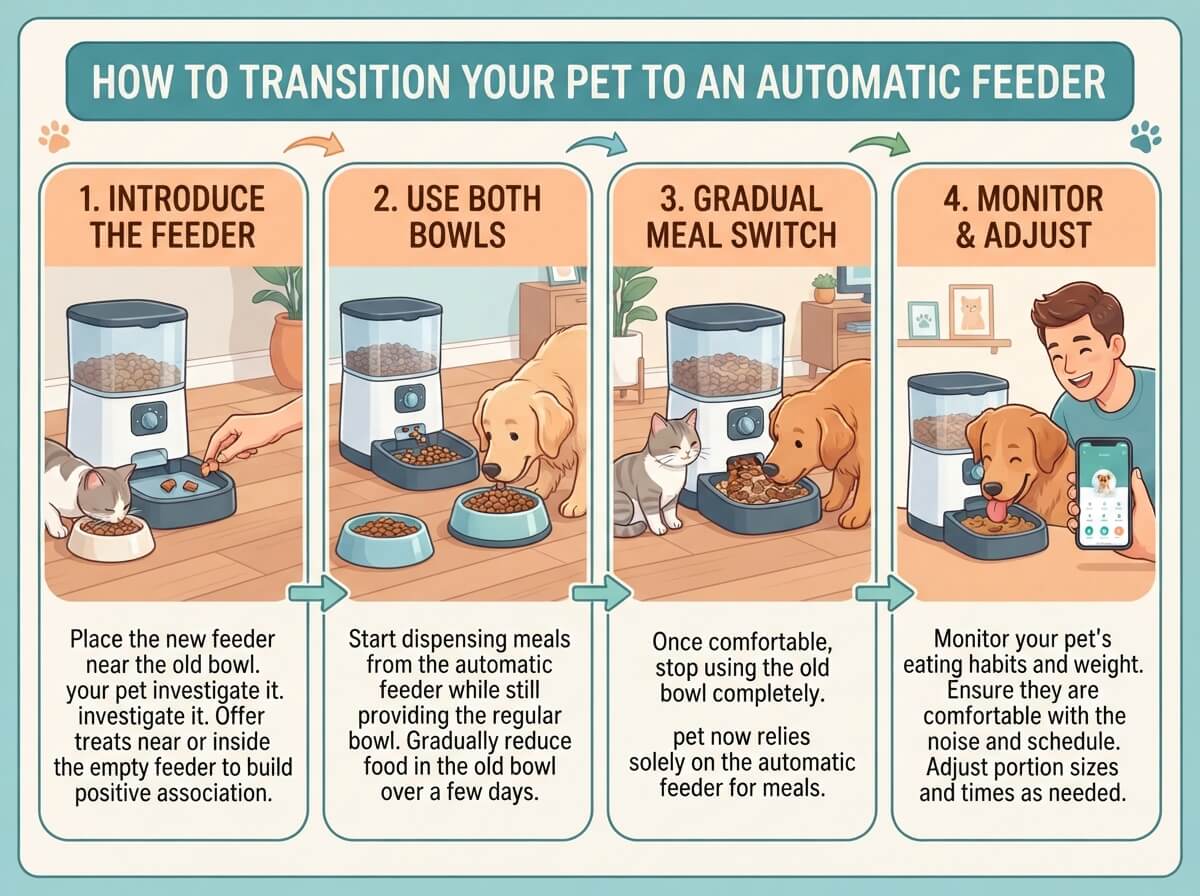
How to Transition Your Pet to an Automatic Feeder?
If you’re tired of scrambling to feed your cat or dog at the same time every single day, an automatic pet feeder might just save your sanity. These smart devices can be total game-changers for busy pet owners, but getting your furry friend to trust and use one requires some patience and planning.
Let me walk you through the entire process. By the end, you’ll know exactly how to move your pet from traditional hand-feeding to an automated feeding system without stress or drama.
Why Pet Owners Love Automatic Feeders
Before we jump into the how-to part, let’s talk about why so many people invest in these gadgets in the first place. Automatic pet feeders solve real problems for real pet owners.
You get to maintain a consistent feeding schedule, even when you’re stuck at work late or out of town. Your pet eats at the same time every day, which helps regulate their digestion and prevents overeating. Timed pet feeders also reduce the guilt you might feel when work runs long and you can’t dash home for lunch to feed Fido.
For cats and dogs prone to weight gain, a programmable feeder portion-controls food automatically. You set the amount, and the machine dispenses exactly that much, eliminating the guesswork of how much kibble fits in a scoop.
These devices also work great if you have multiple pets with different dietary needs. One dog might need more food than the other, or your cat and dog need separate meals. An automated feeding system lets you give each pet the right portion at the right time.
The Challenge: Getting Your Pet Comfortable
Here’s the thing about pets—they’re creatures of habit. They know that when you walk to the cupboard and open the bag, food happens. Suddenly replacing your face and your hands with a plastic machine? That’s weird to them.
Your pet might ignore the automatic dispenser completely. Or they might be scared of the beeping sound it makes. Some pets play with kibble dispensers like toys instead of eating. Getting through this adjustment takes real patience, but it’s totally doable.
The key is taking it slow. Don’t just fill up the automated feeder and expect your pet to use it immediately. You need a transition plan.
Step One: Let Your Pet Investigate the Feeder
Start by leaving the automatic feeder in your feeding area, but don’t plug it in yet. Just let it sit there for a few days.
Your pet will sniff it, walk around it, maybe bat at it with a paw. They’ll figure out that it’s not scary. This exploration phase is crucial because it removes the shock factor. Your cat or dog gets to meet this new machine on their own terms without any sudden sounds or movements.
During this time, keep feeding your pet from their regular bowl as usual. You’re basically saying, “Hey, this new thing is just hanging out here, no big deal.” Your pet learns that this object isn’t a threat and doesn’t require an immediate reaction.
Some pets might take a couple of days to investigate. Others might be curious right away. Go at your pet’s pace. There’s no rush.
Step Two: Place Food Near the Automatic Dispenser
Once your pet seems comfortable with the feeder just existing, it’s time to connect it to food in their mind.
Put your pet’s regular meal in their old bowl and place that bowl right next to the automatic feeder. This creates a positive association. Your pet eats and gets rewarded with delicious kibble while in the presence of the feeder.
Keep doing this for several meals. Your dog or cat starts thinking: “Oh, that weird plastic thing? That’s where good things happen. I like being near it.”
You can gradually move the bowl closer to the feeder device over the course of multiple feedings. Some people even put a small amount of food directly in the feeder’s bowl area while still hand-feeding their pet from the main food dish.
Step Three: Introduce the Feeder’s Sound
Automatic feeders make noise. They beep, they whir, they dispense kibble with a mechanical sound. For some pets, this is terrifying at first.
Now that your pet is comfortable with the feeder’s presence, it’s time to introduce the sounds without any pressure.
Put your pet’s regular food in their old bowl. Then manually press the button on the automatic feeder to dispense a small bit of kibble into its bowl. Don’t make a big deal out of it. Stay calm and relaxed.
Your pet might jump or react. That’s normal. Just let them observe that the sound happens and nothing bad occurs. The feeder makes noise, kibble appears, and life goes on.
Do this for a few days before moving forward. Each time, your pet learns that the sound equals food, and the sound is nothing to fear.
Step Four: Feed Them Partially from the Automatic Feeder
Now you’re going to start using the feeder for actual meals, but not the whole meal yet.
Set up the automatic feeder and have it dispense a portion of your pet’s regular meal. Place their old bowl with the remaining portion right next to the automatic feeder’s bowl.
Your pet will likely eat from whichever bowl they prefer first. Often, they’ll go for the familiar one. That’s fine. The goal is just getting them to eat from the automated feeder’s bowl during the meal, even if it’s just a few bites.
Repeat this for multiple days. Gradually increase the portion coming from the automatic feeder and decrease the portion in their old bowl. You might do it 70% regular bowl and 30% automatic feeder one day, then 50-50 the next day, then 30-70.
Some pets catch on immediately. Others take a week or two. Let your pet set the pace. Rushing this part often backfires and makes your pet more resistant.
Step Five: Move to Full Feeder Meals
Once your pet regularly eats from the automatic feeder’s bowl when you manually dispense the food, you’re ready for the full transition.
Set the feeder to dispense the entire meal at your pet’s normal feeding time. Stay nearby for the first few times. When the feeder beeps and dispenses, act excited and happy. Show your pet that this is a great thing happening.
Your enthusiastic energy helps your pet feel calm about the whole process. If you’re anxious or uncertain, your pet picks up on that. Stay positive.
For the first week or so of fully automated feeding, monitor how much your pet eats. Make sure they’re still getting proper nutrition and not skipping meals out of stress.
Dealing with Common Transition Problems
Not every pet takes to the feeder smoothly. Here’s what to do when things go sideways.
Pet Ignores the Automatic Feeder
If your pet just walks past the feeder bowl and demands you hand-feed them, don’t give in. This is crucial. If you go back to hand-feeding, you teach your pet that refusing the feeder works as a strategy to get what they want.
Instead, let them go a bit hungry until they try the automatic feeder. A healthy pet can skip a meal without problems. Once they finally eat from the feeder, they’ve learned that using the device is how meals happen now.
This might take a few days, but consistency pays off.
Feeder Noise Freaks Them Out
Some pets have a genuine fear response to the noise. You can’t always solve this, but you can try turning down the volume if your feeder has that option, or using a feeder with a quieter motor.
You might also try feeding them treats near the feeder during the day when it’s not running, creating good associations. Then gradually introduce the sounds at lower stress times, like when your pet is already calm and relaxed.
Pet Plays with Kibble Instead of Eating
Some pets treat the dispensed kibble like toys. They bat it around, push it out of the bowl, and make a huge mess.
Use a feeder bowl with higher sides or a tray underneath to contain the kibble. Some automatic feeders come with deeper bowls specifically designed to prevent this. You might also try larger kibble sizes, which are harder to play with.
If your pet is just bored and that’s why they’re messing with food, they might need more playtime and exercise to tire them out before feeding.
Your Pet Gets Stressed or Anxious
Sometimes pets develop anxiety about the feeder or the routine. They might stop eating regular meals or seem stressed when feeding time approaches.
If this happens, back up several steps. Go back to hand-feeding for a bit and rebuild positive associations with the feeder more slowly. There’s no prize for speed here. A calm, happy pet is the real goal.
Choosing the Right Automatic Feeder for Your Pet
Not all automatic feeders are created equal, and different pets have different needs.
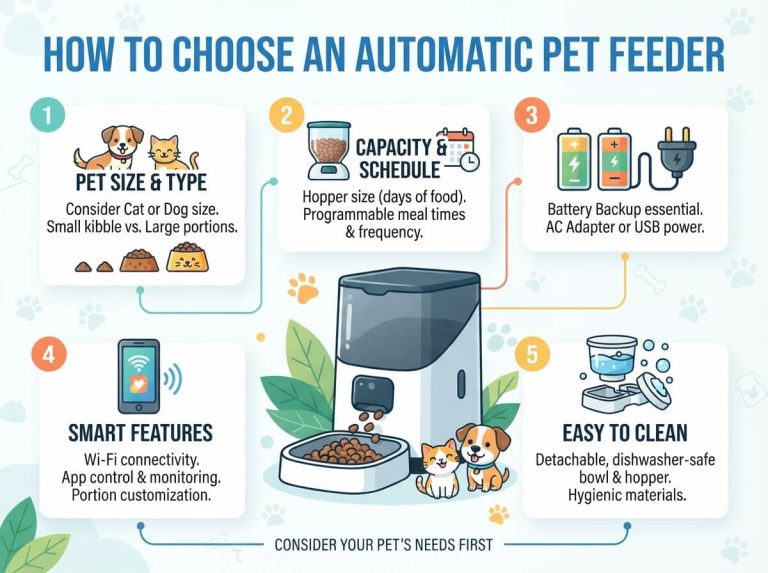
For dogs, you want a sturdy feeder that can handle their size and eating style. A small dog needs different portion sizes than a large dog. Some feeders work better for dry kibble, while others handle wet food or a mix of both.
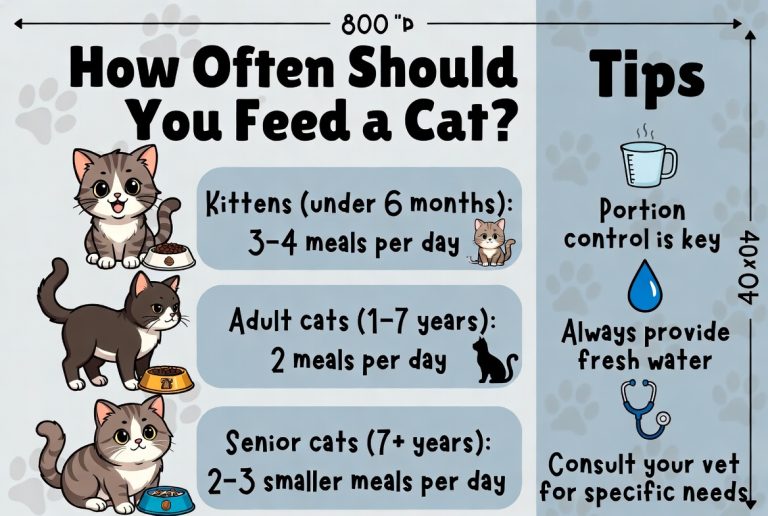
For cats, you need a feeder with portions small enough for feline meals, usually smaller portions multiple times per day. Cats naturally graze, so multiple small meals often work better than one big feeding.
Look for feeders with reliable timers, clear portion controls, and bowls that are easy to clean. Some have backup power for power outages, and some connect to apps so you can monitor feeding remotely.
Read actual reviews from other pet owners. They’ll tell you if a feeder jams, if the motor is loud, or if pets can game the system somehow.
Timing Matters During Transition
When you start the transition process, pick a time when your schedule is relatively stable. You want to be present and aware during this change, at least for the first week.
Starting the transition right before you take a vacation or begin a stressful work period makes it harder to monitor how your pet is doing. Pick a calm time in your routine so you can pay attention.
Also, stick to the same feeding times as your pet was used to before. If your dog ate at 7 AM and 6 PM, keep that schedule even with the automatic feeder. Consistency helps pets feel secure.
Training Tips That Actually Work
Here’s what makes pet training stick: repetition, consistency, and positive association.
Use treats to reward your pet for eating from the feeder. After they eat from the automatic bowl, immediately give them a tiny treat and lots of praise. This teaches their brain that using the feeder is rewarding.
Keep the feeder in the same spot. Pets like knowing where things are. Moving it around confuses them and can slow down the transition.
If you have multiple pets, you might need multiple feeders or a way to separate them during feeding. Pets sometimes stress about sharing their food bowl, or an older, more experienced pet might teach a younger one to avoid the feeder.
Safety Checks for Automatic Feeders
Before and during the transition, make sure your feeder is safe for your pet.
Check that the bowl and any removable parts are non-toxic and food-grade. Make sure there are no small pieces they could choke on. Verify that the feeder can’t pinch tails, paws, or ears.
Test the portions carefully. The feeder should dispense exactly what the label says it will. If it’s off by a lot, that could lead to overfeeding or underfeeding.
Keep the feeder clean. Kibble can get stale in the hopper, and bacteria can grow if you don’t clean it regularly. Empty and wash the bowl daily, and deep clean the entire feeder weekly.
When Automatic Feeders Aren’t the Right Fit
Not every pet benefits from an automatic feeder, and that’s okay.
Pets with certain medical conditions might need special diets or monitoring during meals. Very old or very young pets might need more supervision. Some animals are just too stressed by the device, and pushing it does more harm than good.
If you’ve tried everything for several weeks and your pet is still resistant, they might be one of those animals who thrives better with traditional feeding. That doesn’t make you a bad pet owner. It makes you a good one for recognizing what works for your individual animal.
Making the Transition Easier
There are a few tricks that can smooth things along.
Warm up wet food or add a little water to kibble to make it more appealing from the feeder. The scent change can help some pets. Just make sure wet food doesn’t sit in the feeder bowl for too long.
Use the same kibble you’ve always used. Switching brands during the feeder transition adds another change your pet has to process.
Stay relaxed about the whole thing. Pets sense your anxiety. If you’re worried they won’t eat, they pick up on that energy. Approach the transition as just another normal part of their day.
The Timeline You Can Expect
Most pets complete the transition in two to four weeks. Some speed through it in five days. Others take two months.
Here’s a realistic timeline for an average pet:
Days 1-3: Feeder sits there, pet investigates. Days 4-7: Food placed next to feeder, pet gets comfortable. Days 8-14: Feeder sounds introduced, pet gets used to noises. Days 15-21: Partial meals from feeder, mixed with hand-fed portions. Days 22+: Full meals from automated feeder.
Your pet might go faster or slower. That’s normal. The timeline matters less than the progress.
Life After the Transition
Once your pet fully accepts the automatic feeder, your life actually does get easier. You stop stressing about getting home at a specific time. Your pet eats on a consistent schedule. Everyone wins.
You’ll find that your pet’s digestion often improves with regular feeding times. They’re less likely to overeat or beg for food constantly. If you notice anything weird about your pet’s eating habits or health after the switch, just talk to your vet.
The automatic feeder becomes part of your daily routine, and your pet stops thinking about it as strange.
Final Thoughts
Transitioning your pet to an automatic feeder doesn’t have to be stressful. Take your time, follow the steps in order, and let your pet move at their own pace.
Every pet has their own personality and comfort level. What works smoothly for one dog might need extra time and patience for another cat. That’s not failure—it’s just respecting your individual pet.
The goal is creating a positive feeding routine that works for your lifestyle and keeps your pet happy and healthy. When you nail that balance, the automatic feeder becomes one of your best investments as a pet owner. Your pet eats well, you save time, and everyone’s stress levels drop.
So grab that feeder, follow these steps, and get ready for feeding time to become one less thing you have to worry about. Your future self will thank you.