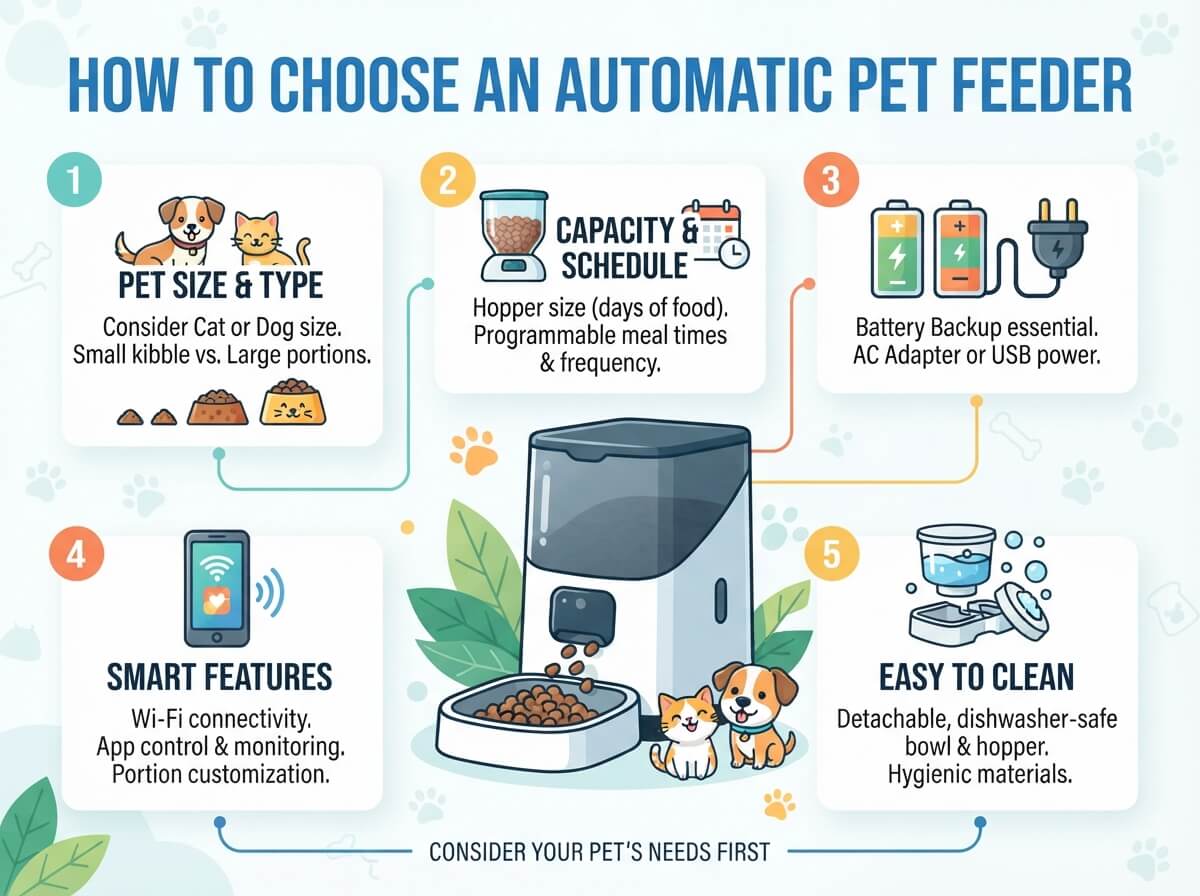
How to Get the Right Automatic Pet Feeder?
Your pet’s eating schedule should fit your life, not the other way around. Life gets busy, and sometimes you can’t be home to feed your dog or cat at the exact time they expect their meal. That’s where an automatic pet feeder comes in. This guide walks you through everything you need to know to find the perfect one for your animal companion.
Why So Many Pet Owners Love Automatic Feeders
Feeding your pet on time every single day might sound simple, but it’s honestly one of the trickiest parts of pet ownership. Work keeps you late. Emergencies pop up. You take a weekend trip. Suddenly your normal feeding routine falls apart, and your cat or dog gets upset because dinner is late.
An automatic pet feeder takes that stress away. Your pet eats on schedule, even when you can’t be there to hand them their bowl. This tool isn’t just about convenience—it actually makes your pet healthier.
Pets love routine. When they eat at the same time every day, their digestive system works better. Their energy levels stay stable. They feel calmer because they know exactly when food arrives. No more pacing around the kitchen at 5 PM wondering why dinner isn’t served yet.
For people with multiple pets, an automatic feeder is a lifesaver. You can feed your pets separately without standing over two bowls. This keeps them from eating each other’s food, stops fights, and makes sure each animal gets the right portion size.
What Exactly Is an Automatic Pet Feeder?
Think of an automatic pet feeder as a small appliance that stores food and releases it at times you program. You load up the hopper with dry kibble, set the times on the timer, and the machine takes care of the rest. When dinner time arrives, a portion drops into the bowl below.
The simplest versions have mechanical timers that rotate through multiple compartments. More advanced models use batteries and digital controls that let you set up different feeding times for different days. The fanciest automatic feeders connect to your phone and send notifications when your pet eats.
All of them serve the same basic purpose: getting food to your pet when they’re hungry, without you having to be there.
The Real Benefits You’ll Actually Notice
Portion control is real. One of the biggest causes of pet obesity is overfeeding. Owners eyeball their pet’s portion and often give too much. An automatic feeder measures exact amounts. You decide the portion size once, and it dispenses that same amount every time. Your pet gets the nutrition they need without extra calories.
Your pet’s digestion improves. Eating at regular times helps your animal’s digestive system work like clockwork. They poop on schedule, have fewer stomach issues, and feel better overall. This is especially important for pets with sensitive stomachs or dietary issues.
Less stress for both of you. You stop feeling guilty about working late or not being home. Your pet stops stressing about food arriving at random times. Everyone wins.
Your pet eats even when you travel. Pet sitters can be expensive or unreliable. With an automatic feeder, your pet gets their regular meals whether you’re home or not. You just need someone to check on them once a day instead of twice.
No more early morning wake-up calls. Does your cat jump on your face at 6 AM demanding breakfast? Not anymore. The feeder handles breakfast while you sleep.
Great for pets with special needs. Animals on strict feeding schedules, like those with diabetes or digestive issues, do much better with automated meal times. This consistency helps manage their health condition.
Different Types of Automatic Pet Feeders
Not all automatic feeders work the same way. Let’s break down your main options.
Mechanical Timer Feeders
These are the simplest and cheapest automatic pet feeders available. They use a dial timer and multiple food compartments. You fill each section with a day’s worth of food, set the timer, and it slowly rotates to reveal one compartment at a time.
These feeders work great if you want basic timing without learning technology. They don’t need batteries or apps. Just turn the dial and go. The downside is that they’re usually only good for once-per-day feeding, and some pets figure out how to tip them over and eat everything at once.
Electronic Automatic Feeders
Battery-powered electronic feeders use a timer controlled by buttons or a small screen. You set the feeding times and portion sizes using the control panel. These allow multiple feedings per day and more precise portions than mechanical models.
Electronic feeders are the middle ground. They’re more reliable than mechanical timers and cost less than smart feeders. They give you flexibility in your pet’s feeding schedule without the complexity of an app.
Smart Automatic Pet Feeders
These high-tech feeders connect to your home WiFi and work through a smartphone app. You can set feeding schedules from anywhere, get notifications when your pet eats, and adjust portions remotely. Some models have cameras so you can watch your pet at mealtime.
Smart feeders are perfect for busy people or families with complicated schedules. The app makes managing multiple pets easy. You can see exactly when each animal ate and how much. This data helps your vet understand your pet’s eating habits.
Gravity Feeders
These basic bowls have a built-in hopper that uses gravity to fill the main dish as your pet eats. They’re not timed like other automatic feeders—they just keep the bowl full as long as food is in the hopper.
Gravity feeders work well for pets who eat slowly and graze throughout the day. The downside is no portion control. Your pet can eat as much as they want whenever they want.
Two-Bowl Automatic Feeders
If you have two pets and need to keep them separated at feeding time, a two-bowl automatic feeder has two compartments that open at different times or release different portions. This prevents food stealing and lets you feed multiple animals their own diet.
How to Pick the Right One for Your Pet
The best automatic pet feeder depends on your situation. Ask yourself these questions before shopping.
How many pets do you feed? One pet needs a different solution than three pets. If you have multiple animals with different diets, you might need multiple feeders or one with multiple compartments.
What’s your pet’s eating style? Some dogs wolf down their food in seconds. Others nibble and graze. Grazers need gravity feeders or feeders that release food slowly. Fast eaters need portion-controlled feeders that only release limited amounts.
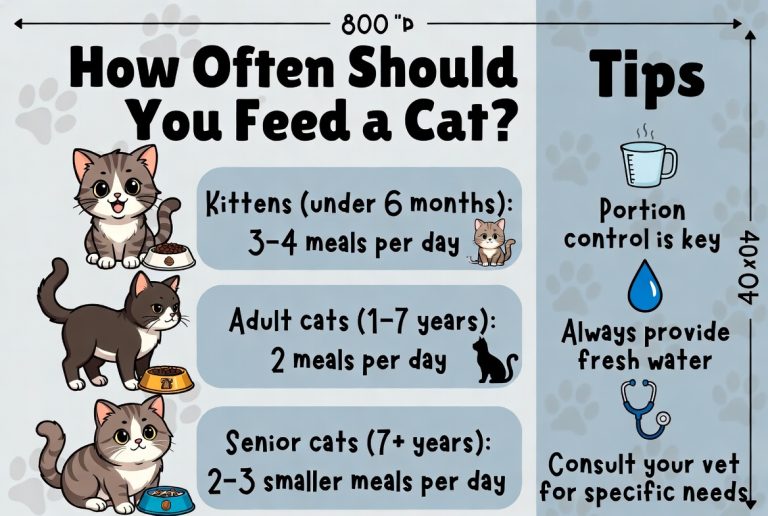
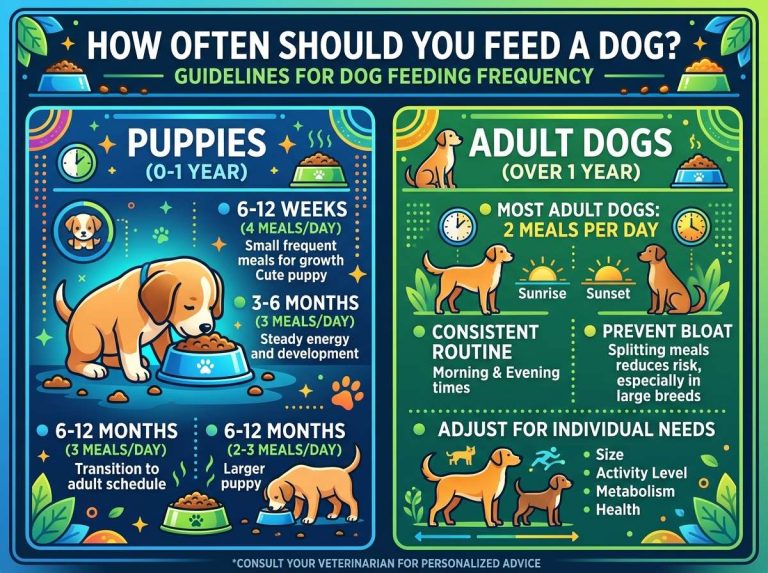
How often does your pet eat? Young puppies and kittens need three to four meals daily. Adult pets usually need one or two. Make sure your feeder can handle your pet’s schedule.
What’s your tech comfort level? If you love apps and gadgets, a smart feeder makes sense. If you barely use your phone for anything fancy, stick with a simple mechanical or electronic model.
What’s your budget? Mechanical feeders cost $20 to $40. Electronic ones run $40 to $100. Smart feeders with apps and cameras cost $150 to $400. Figure out what you can spend and work backward from there.
How much food does your pet eat? Some feeders have small hoppers that need refilling every few days. Others hold a week’s worth of food. Big dogs with big appetites need larger capacity feeders.
Do you travel often? If you’re gone frequently, a smart feeder with app access gives you peace of mind. If you’re usually home or have someone watching your pet, a basic timer model works fine.
Does your pet have special health needs? Diabetic pets, animals with digestive issues, or those on weight management plans need precise portion control. Electronic or smart feeders are better for these situations than gravity feeders.
Key Features to Look For
Once you’ve decided what type of automatic pet feeder you want, check for these important features.
Easy-to-clean design. Dried kibble dust builds up in feeders. Get one where the hopper and bowl come apart easily. Dishwasher-safe parts save tons of time.
Secure lid or locking mechanism. Some pets are clever enough to open unsecured hoppers. A locking lid keeps curious pets out and keeps food fresh longer.
Stainless steel or metal bowl. Plastic bowls can harbor bacteria and smell bad. Stainless steel is cleaner and lasts longer. Metal is also harder for pets to destroy.
Adjustable portion sizes. Even within the same model, different portions work for different pets. Make sure you can control how much food comes out at each meal.
Non-slip base. A feeder that slides around is annoying. You want something stable that stays put even when your pet pushes it around during meals.
Backup power. For electronic and smart feeders, find ones that work on batteries as backup. If the power goes out, your pet still eats on schedule.
Removable hopper. A hopper you can take out makes refilling and cleaning so much easier. Avoid models where you have to refill from the top with an awkward chute.
Quiet operation. Some feeders make noise when they dispense food. This matters if you have a light sleeper or a pet that gets excited by the sound and eats too fast.
Durable construction. Your pet uses this feeder multiple times daily. It needs to survive the wear and tear. Read reviews about how long feeders last before breaking down.
Important Things to Think About Before Buying
Your pet’s age matters. Puppies and kittens have different feeding needs than adults. Make sure the feeder works for your pet’s life stage. As your pet gets older, you might need to adjust portions, which means picking a feeder with flexible settings.
Food size and shape. Large kibble might jam in feeders designed for small breeds. Small kibble rolls out of dispensers meant for big pieces. Check that your pet’s specific food works with the feeder you choose.
Wet food doesn’t work. Automatic feeders are made for dry kibble only. If your pet eats canned food or raw diets, you need a different solution or a feeder that refrigerates wet food properly.
Your pet’s health condition. If your pet has diabetes, kidney disease, or obesity, talk to your vet before switching to an automatic feeder. Some conditions need special feeding approaches that a standard feeder can’t provide.
Separation anxiety and compulsive eating. Some pets stress out when they can’t see where their food is coming from. Others become obsessed with waiting for the feeder to dispense. Watch your pet’s behavior after you set up an automatic feeder.
Power outages. In areas with frequent power loss, make sure your feeder has good battery backup or mechanical override options.
Size of your pet. A tiny Chihuahua needs a different feeder than a 100-pound Labrador. Make sure the portions available match your pet’s size and calorie needs.
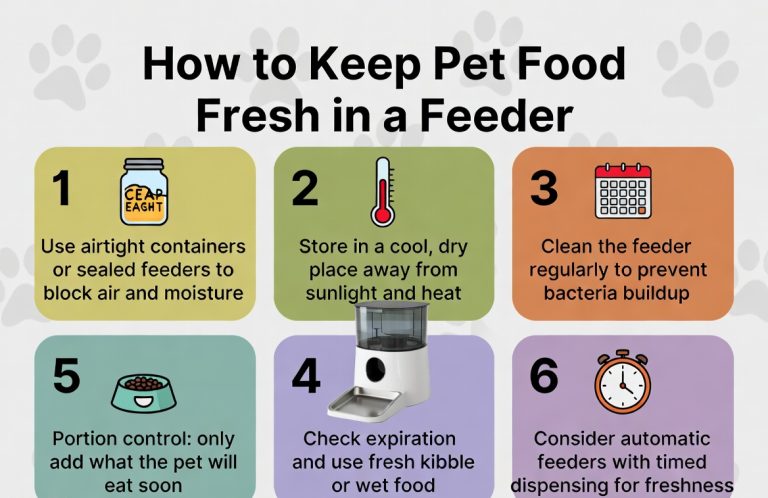
Temperature and humidity. If you live somewhere hot and humid, food can spoil or get moldy. A feeder with a sealed hopper in a climate-controlled room works best.
How to Use Your Automatic Pet Feeder Right
Just buying the feeder isn’t enough. You need to set it up correctly so your pet actually benefits.
Start with a transition period. Don’t flip a switch from hand-feeding to automatic feeding overnight. Spend a few days feeding your pet by hand at the same times the feeder would. This helps them get used to the schedule.
Place it somewhere calm and stable. Put the feeder away from high traffic areas and other pets’ territory. Your pet should feel safe eating there.
Keep it clean. Empty and wash the feeder weekly. Don’t let food sit in the hopper for weeks. Fresh food tastes better and stays safer for your pet.
Test the settings before leaving. Make sure you’ve programmed it correctly. Feed your pet their first meal from the feeder while you’re home to ensure it actually works.
Monitor your pet’s weight. Even with portion control, some pets gain weight on automatic feeders if portions are too large. Weigh your pet regularly and adjust portions as needed.
Don’t add extra meals. Sometimes we feel bad when we’re away and add extra portions to make up for it. This defeats the whole purpose. Stick to the schedule.
Have a backup plan. If your feeder breaks or loses power, you need a way to feed your pet manually. Keep regular bowls and hand-feeding supplies available.
Adjust portions seasonally. Pets that go outside in winter burn more calories. Indoor pets that exercise less in summer need smaller portions. Change your feeder settings based on activity level changes.
What Automatic Pet Feeders Can’t Do
Let’s be real about the limits. An automatic feeder isn’t a perfect solution for everything.
You still need to feed your pet real food. A feeder just dispenses it at the right time. You’re still responsible for choosing healthy kibble or meals.
An automatic feeder won’t train your pet. It won’t teach them good manners or stop them from begging. It won’t replace your attention or playtime.
It won’t stop your pet from stealing food from other spots or knocking over their bowl. Some behavioral issues need training, not technology.
An automatic feeder isn’t a substitute for vet care. If your pet has a health issue affecting their appetite, a feeder can’t fix that.
It won’t work for all types of diets. Raw diets, special homemade meals, and certain prescription foods need human feeding.
Putting It All Together
An automatic pet feeder makes life easier for you and often improves your pet’s health and happiness. The right feeder depends on your specific situation—your pet’s age and size, your schedule, your budget, and your comfort with technology.
Start by figuring out what your pet actually needs. Think honestly about your lifestyle. Then match those needs to a feeder type that makes sense.
Read reviews from other pet owners. Look for units with good warranties. Don’t just pick the cheapest option—a feeder that breaks after three months costs way more than spending extra money up front for something reliable.
Your pet’s consistent eating schedule matters more than the fancy features. Whether you go with a simple timer feeder or a smart model with cameras, what counts is that your pet gets the right amount of food at the right times.
Start your pet’s automatic feeding journey today. Your mornings will be quieter, your guilt about work days will ease, and your pet will thrive on a regular schedule. That’s a win for everyone in your home.