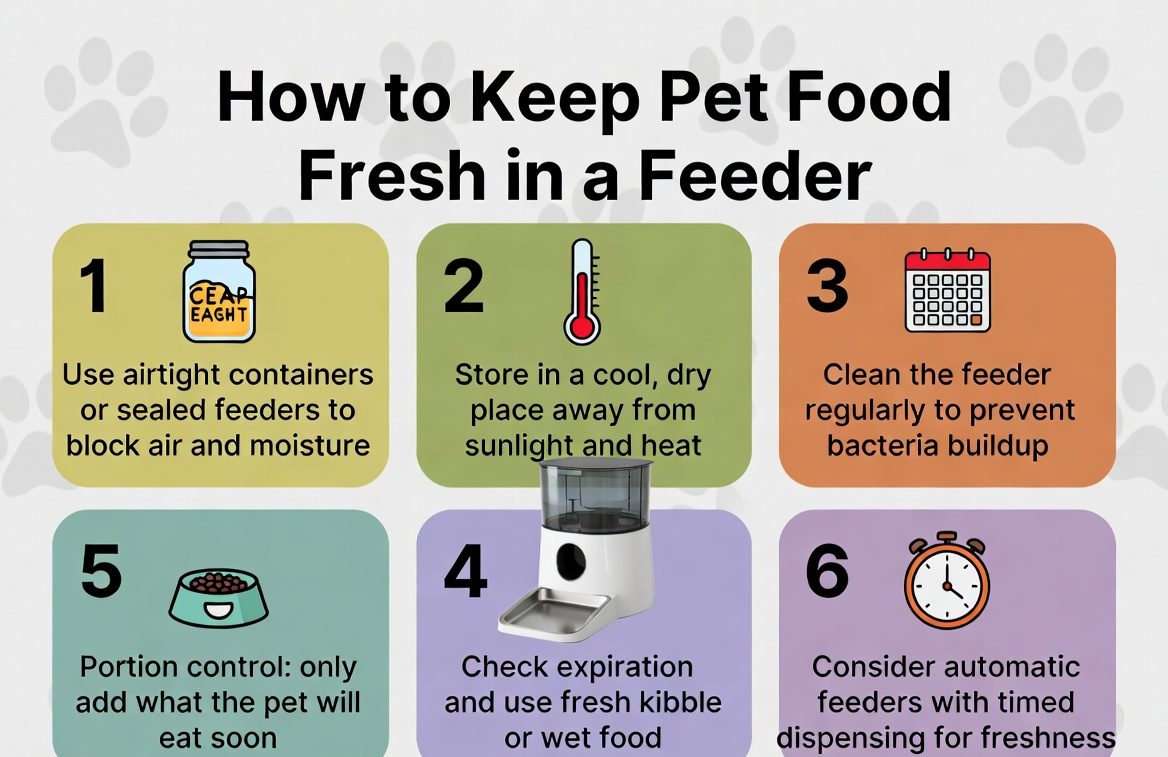
How to Keep Pet Food Fresh in a Feeder
Your furry friend depends on you to provide nutritious, fresh food every single day. But here’s the thing – many pet owners don’t realize that proper pet food storage makes a huge difference in their pet’s health and happiness. If you leave kibble sitting in an open bowl or store it the wrong way, you’re letting all those nutrients disappear and inviting bacteria to party in your pet’s dinner dish.
The good news? Keeping pet food fresh is simpler than you think. In this guide, you’ll learn practical tips and easy strategies to maintain food freshness, prevent spoilage, and keep your pet eating like a champion.
Why Fresh Pet Food Really Matters
Before we dive into the how-to, let’s talk about why this matters. Fresh pet food keeps your dog or cat healthy and energized. When dry food sits around exposed to air and moisture, the fats go rancid, vitamins break down, and the taste gets stale. Your pet might lose interest in eating, or worse, they could get sick from bacteria growth.
Wet food and canned options have their own problems. Once you open a can, that food starts degrading immediately. Leftover portions can develop mold, bacteria, and unpleasant smells within hours if not stored correctly.
Proper food storage techniques protect your investment too. Premium pet food costs real money. When you keep it fresh, you’re making sure every bite your pet eats actually gives them the nutrition they need, rather than wasting food that’s already gone bad.
Different Types of Feeders and Storage Solutions
Your first decision is picking the right container. The feeder you use matters as much as the storage method you choose.
Stainless Steel Bowls These old-school options work well because they’re easy to clean and don’t absorb odors. Stainless steel doesn’t react with food, and you can quickly spot when something needs washing. The downside? They offer zero protection against air exposure and moisture once food sits in them.
Plastic Feeders Plastic bowls are budget-friendly and lightweight. Many pet parents love them for this reason. However, plastic can scratch easily and harbor bacteria in those tiny cracks. Over time, plastic can absorb odors and colors from the food. If you go plastic, replace them regularly.
Ceramic Dishes Pretty and durable, ceramic bowls last forever. They don’t absorb odors like plastic does. The main issue is that they break easily, and chips can trap bacteria. Still, they’re a solid option for everyday feeding.
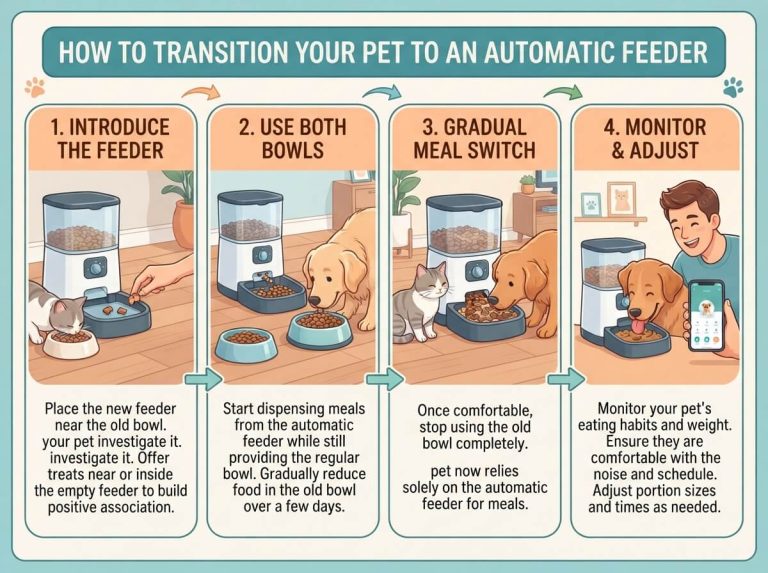
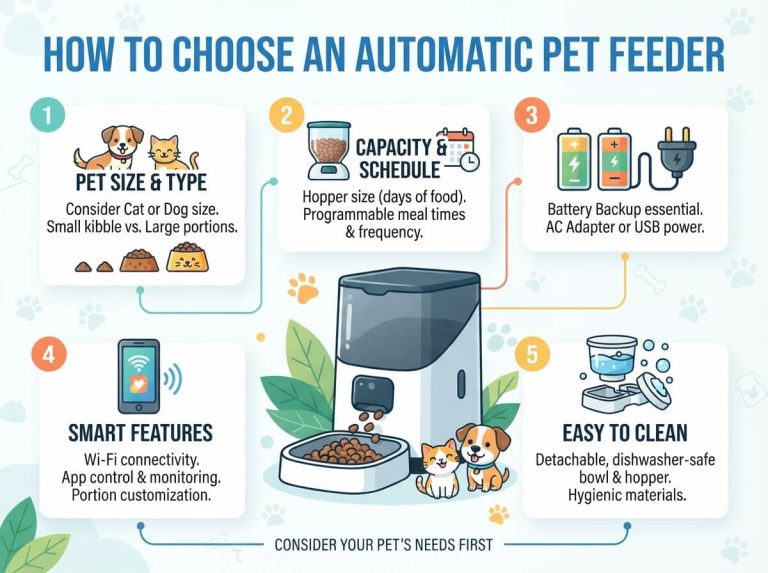
Automatic Pet Feeders These battery-operated or electric devices dispense food on a schedule. They’re fantastic for keeping portions controlled and food access limited. Automatic feeders often have lids or covers that protect food from air exposure between feedings. If you use one, still keep the main food supply stored properly in an airtight container.
Food Storage Containers This is where the real magic happens. Dedicated pet food storage containers with airtight seals are game-changers. They keep moisture out, prevent oxidation, and protect against pests. Look for containers with tight-fitting lids and labels that show the expiration date. Some come with attached scoops and pour spouts for convenience.
Step-by-Step: How to Keep Kibble Fresh
Let’s get into the actual process of maintaining fresh dry food for your pet.
Step 1: Choose the Right Container Don’t leave kibble in the original bag. Bags tear easily, and they’re not designed for long-term storage. Invest in an airtight container made from food-grade plastic or glass. Make sure the lid seals completely so no air can sneak in.
Step 2: Keep It Cool and Dry Store your pet’s food in a cool, dry place. A pantry, basement, or closet works great. Avoid kitchens where heat from the stove affects temperature. Never store pet food in the garage where it gets too hot, especially in summer. Heat breaks down nutrients and speeds up fat oxidation, making the food go rancid faster.
Step 3: Maintain Temperature Control Extreme temperatures are food’s worst enemy. Temperatures between 50-70 degrees Fahrenheit are ideal. Don’t leave bags or containers near windows where sunlight heats them up. If you live somewhere hot and humid, humidity control becomes even more critical. Consider storing food in the coolest room in your home.
Step 4: Pour Only What You Need Each time you open a food container, air gets inside. Minimize these moments by pouring a few days’ worth of food into a separate smaller container for daily feeding. Keep the main supply sealed tight in storage. This technique cuts down on how often you expose the entire batch to air.
Step 5: Scoop Out Portions Carefully Always use a clean, dry scoop. Wet hands or damp scoops introduce moisture into the kibble. Moisture creates the perfect environment for mold and mildew to grow. Keep your scoop in a separate drawer and wash it regularly.
Step 6: Label Everything Write the purchase date and expiration date on your storage container with a permanent marker. Most dry pet foods stay fresh for about a month after opening. Knowing these dates helps you rotate stock and use food before it spoils.
Preventing Moisture and Air Exposure
Water is kibble’s sworn enemy. Even a tiny bit of moisture causes problems that spiral fast.
Use Oxygen Absorbers Those little packets in some pet food bags aren’t just for show. Oxygen absorbers remove air from sealed containers and keep food fresher longer. You can buy extra packets online and drop them into your storage container. They’re cheap and incredibly effective. Just make sure pets can’t choke on them – keep them safely inside sealed containers.
Invest in Airtight Seals Cheap containers with loose-fitting lids don’t cut it. Spend a bit more for containers with rubber gaskets that create a vacuum seal. You’ll hear or feel a “pop” when you open quality containers – that’s the sound of a good seal breaking. This sound means your food stayed protected.
Store Away from Windows Sunlight causes moisture buildup inside containers through condensation. Direct sunlight also breaks down nutrients and can cause temperature fluctuations. A dark pantry or closet keeps food stable and protected.
Use Desiccant Packs These packets absorb moisture from the air around stored food. Drop one inside your container alongside oxygen absorbers. Food-grade desiccant packs are safe and work quietly to keep everything dry.
Maintaining Clean Feeders and Bowls
A dirty feeder defeats the purpose of storing food properly.
Wash Bowls Daily Every single day, your pet’s bowl should get a thorough wash. Bacteria grows rapidly on leftover food particles and moisture. Use hot water and dish soap, then dry completely before refilling.
Clean Automatic Feeders Weekly If you use an automatic pet feeder, take it apart weekly and wash all removable parts. Check for food dust or debris stuck in hard-to-reach spots. Dry everything completely before reassembling.
Disinfect Monthly Once a month, use a pet-safe disinfectant or a diluted bleach solution on all feeding equipment. Food residue and bacteria can hide in tiny cracks. A deep clean keeps everything hygienic.
Never Mix Old and New Food When you add fresh food to an old batch, the older stuff sits on bottom and never gets used first. Always finish a container before opening a new one. If you must combine, do a complete container swap, tossing old food out.
Handling Wet Food and Canned Options
Wet food requires different storage strategies than dry kibble.
Follow the Can Label Read your specific brand’s instructions. Most canned pet food stays good for years unopened in a cool pantry. Once you open a can, transfer unused portions to an airtight container.
Refrigerate Opened Cans After opening, store remaining wet food in the refrigerator at 40 degrees Fahrenheit or below. Most wet food lasts 3-5 days after opening. Don’t leave it sitting in the can – transfer it to a glass or plastic container.
Discard After a Few Days Unlike dry food that you can keep for weeks, opened wet food spoils quickly. If it smells off or looks discolored, throw it out. Your pet’s stomach won’t thank you for serving questionable meals.
Freeze Extra Portions If you buy in bulk and open a large can, freeze extra portions in ice cube trays. Pop out cubes as needed and thaw in the refrigerator. This extends shelf life and reduces waste from spoiled food.
Never Serve Straight from Refrigerator Cold food upsets some pets’ stomachs. Let refrigerated portions sit at room temperature for 15-20 minutes before serving. This also makes the food taste better to your pet.
Environmental Factors That Affect Food Freshness
Your home’s environment plays a major role in how long food stays fresh.
Humidity Levels If you live somewhere humid, food deteriorates faster. Moisture in the air seeps into containers, even good ones. Combat this by storing food in the most climate-controlled room. Dehumidifiers help if humidity is a persistent problem in your home.
Temperature Swings Garages, sheds, and outdoor storage areas aren’t ideal because temperatures swing wildly. These fluctuations cause moisture to condense inside containers. Your indoor pantry or closet maintains steadier temperatures.
Pest Prevention Mice, insects, and other pests love pet food. Airtight containers keep them out. Store your container on a shelf, not directly on the floor. Check regularly for signs of infestation like droppings or bite marks in the container.
Air Quality If you smoke in your home, keep pet food in a room far away from smoke. Smoke particles can settle on food and affect taste and nutrition. The same goes for strong cooking smells – they can permeate poorly sealed containers.
Common Mistakes to Avoid
Learning what not to do saves you money and keeps your pet healthy.
Don’t Store in Original Packaging Long-Term The bag’s material isn’t meant for storage lasting more than a week or two after opening. Bags tear, they’re not airtight, and they take up valuable pantry space.
Don’t Leave Food in Bowls Overnight Dry food left out becomes stale and attracts bacteria. Always remove uneaten food after mealtimes. The general rule is that food shouldn’t sit in a bowl more than 15-20 minutes during meal times.
Don’t Mix Different Brands Brands have different ingredients and nutritional profiles. Mixing them can upset your pet’s digestion. Stick with one brand or transition slowly when switching.
Don’t Ignore Expiration Dates Yes, pet food has expiration dates. Even unopened bags go bad after their printed date. Expired food loses nutritional value and can harbor mold or bacteria.
Don’t Store Near Chemicals Pesticides, cleaning supplies, and other chemicals should stay far from pet food. Fumes can contaminate food or seep through containers over time.
Storage Tips for Different Pet Types
Dogs and cats have slightly different needs when it comes to food freshness.
For Dogs Dogs eat more than cats, so you likely buy bigger bags. Use the largest food storage container that fits your pantry. Most dog owners can store 2-3 weeks of kibble at once. Keep fresh water available at all times – some dogs drink more when eating dry food.
For Cats Cats eat smaller portions, so smaller containers work fine. Cats are pickier about food freshness, so rotation matters more. Open a fresh bag more frequently with cats. Keep food in multiple locations if you have multiple cats, ensuring each has access without competition stress.
For Small Animals Rabbits, hamsters, and guinea pigs need fresh vegetables and hay along with pellets. Store pellets in airtight containers like dogs and cats, but refresh vegetables daily. Small animal food spoils faster than dog food.
Best Practices for Year-Round Storage
Your pet eats 365 days a year, so you need consistent strategies regardless of season.
Spring and Summer In warm months, humidity rises and heat accelerates spoilage. Run your air conditioning to keep temperatures stable. Store food in the coolest interior rooms. Buy slightly smaller quantities more frequently to ensure freshness.
Fall and Winter Cold months are actually ideal for food storage. Temperatures naturally stay lower, slowing nutrient breakdown. Garages and unheated spaces become viable options in winter. Take advantage of cool weather to rotate and organize your pet food stock.
Checking Food for Freshness
Before serving, do a quick freshness check.
Look at Color and Texture Kibble should maintain its original color. Discoloration indicates age or mold. Texture should be firm and crispy, not soft or mushy.
Smell the Food Fresh pet food has a neutral smell. Rancid food smells off or sour. Trust your nose – if it smells wrong, it probably is.
Check for Visible Mold Mold appears as fuzzy spots or discoloration. Even tiny mold patches mean the entire batch should be discarded.
Listen for Crispness Fresh kibble makes a slight crunching sound in the bag. Stale food makes a dull thud. This simple test works surprisingly well.
Making It Routine
The best storage system is one you’ll actually stick with.
Set a Monthly Schedule Once a month, deep clean all feeding equipment and reorganize your storage area. Check expiration dates and remove any expired food.
Use a Checklist Create a simple checklist for daily, weekly, and monthly tasks. Post it near your pantry as a reminder.
Invest in Quality Containers Spending money on good storage containers pays for itself by reducing waste. You’ll buy less food because less goes bad.
Keep Notes Write down what works for you. Different homes have different challenges. Adapt these strategies to your specific situation.
Final Thoughts
Keeping pet food fresh doesn’t require complicated systems or expensive equipment. It simply takes awareness and consistency. Choose the right container, maintain proper environmental conditions, clean regularly, and follow these guidelines.
Start today by evaluating your current storage system. Make one change, then another. Before you know it, keeping pet food fresh becomes second nature, and your pet enjoys every bowl you set down for them.
Your pet deserves fresh, nutritious food that actually delivers the health benefits you’re paying for. By taking these steps, you ensure that every meal your furry friend eats supports their wellbeing. Fresh food means a healthier, happier pet – and that’s what pet ownership is really about.