How To Assert Dominance Over A Dog
Many new dog owners want to know how to assert dominance over a dog. They often hear this idea from friends, online videos or older trainers. This article explains what the phrase really means today, and why most experts now focus on leadership instead. You will learn how dogs learn, what signs of boundary testing look like, and how to set up calm, consistent routines.
The goal is not to win a contest with your dog. The goal is to be a clear, fair and predictable part of its life. Dogs do best when they know what is expected and what happens next. In short, this guide shows you how to lead with structure, patience and kindness.
Key Takeaways
- Modern trainers prefer calm leadership and clear rules over force or “dominance” tactics.
- Dogs learn through rewards, timing and repetition, not through fear.
- Pulling, guarding, jumping and mouthing are common signs of boundary testing.
- Consistent routines, shared house rules and positive training build reliable behavior.
- Professional help is worth seeking when aggression, fear or biting appears.
What “Dominance” Means in Modern Dog Training
The word dominance has changed meaning over time. Today it usually describes a dog’s attempt to control access to something it values. It does not describe a dog trying to take over the household. Knowing this difference helps beginners avoid harmful methods.
Modern training focuses on clarity instead of rank. You set the rules, and your dog learns them. This approach is often called calm leadership, and it relies on consistency rather than intimidation.
What Does It Really Mean to Assert Dominance Over a Dog?
In everyday language, asserting dominance means showing a dog who is in charge. Many people picture forcing a dog onto its back or using a sharp correction. Those images come from older ideas about wolf packs, and they do not match current research on dog behavior.
A better way to think about it is to provide structure. You decide where, when and how things happen. Your dog then feels secure, because the world is predictable.
Where the Dominance Idea Came From
The dominance model grew out of mid-twentieth-century studies of captive wolves. Those studies looked at groups of unrelated animals kept in tight spaces. Later researchers found that wild wolf families behave very differently, and they are mostly parents with their offspring.
Because of this, the idea that dogs constantly compete for rank has lost support. Dogs do form relationships and do respond to status cues. However, most problem behavior has other causes, such as unmet needs, fear, boredom or unclear rules.
Why Experts Now Prefer Leadership and Consistency
Leadership in this sense means being fair, predictable and calm. Your dog should be able to read you easily. When you respond the same way each time, your dog learns faster and feels less stressed.
Consistency also matters more than intensity. A firm, steady routine works better than occasional harsh reactions. As a result, your dog begins to trust your choices.
Common Myths About Pack Leaders and Alpha Dogs
One common myth says you must eat before your dog or walk through doors first to show rank. Those actions can help with calm manners, but they do not fix behavior by themselves. Many trainers now treat these ideas as optional tools, not as the core of training.
Another myth says a dog that pulls or jumps is trying to become the boss. Usually the dog simply wants something, such as movement, attention or a view. Clear teaching solves that far better than a power contest.
How Dogs Learn: The Basics Behind Calm Leadership
Dogs learn by connecting actions with outcomes. When a behavior leads to something good, the dog is more likely to repeat it. When a behavior leads to nothing useful, the dog gradually stops offering it. This process is called learning by association.
Knowing this helps you guide your dog without force. You do not need to pr ove your authority. You simply need to make the right choices easy to find and the wrong choices less rewarding.
How Dogs Understand Rewards and Consequences
A reward is anything that makes a behavior more likely to happen again.
Food, praise, play and access to a walk are common examples. A consequence is what happens after a behavior, and it can help shape future choices.
Many beginners mix up punishment with consequences. Punishment means adding something unpleasant to stop a behavior. Calm leaders focus more on rewarding good choices and simply withholding rewards for unwanted ones.
The Role of Timing, Clarity and Routine
Timing matters because dogs live in the moment. A reward given two seconds after a sit is clear. A reward given after the dog has already moved on can be confusing.
Clarity means using the same word or signal each time. Routine means keeping meals, walks and rest at similar times each day. Together, these habits make learning easier for your dog.
Why Fear and Force Backfire
Fear can suppress a behavior for a short time, but it rarely teaches a dog what to do instead. A frightened dog may hide the warning signs of stress, so problems can appear later. Force can also damage trust between you and your dog.
Research on punishment-based methods has raised concerns about stress and fear-related behavior. For this reason, many veterinary and training groups recommend reward-based approaches. Even so, every dog is an individual, and a professional can help you choose the right plan.
Signs Your Dog Is Testing Boundaries
Boundary testing is normal. Dogs try different actions to see what works and what does not. Spotting these moments early helps you respond with calm, clear guidance.
Pulling on the Leash and Ignoring Commands
Pulling is one of the most common complaints among dog owners. Your dog may lunge toward smells, other dogs or squirrels. It usually happens because pulling has worked in the past.
Ignoring a command often means the dog has not yet learned it well, or the distractions are too strong. Practice in quiet places first, then slowly add more distractions.
Guarding Food, Toys or Furniture
Guarding is when a dog stiffens, growls or snaps to keep an item. It is a form of resource guarding, and it can come from insecurity or past experience. It should never be ignored, especially around children.
If you notice guarding, avoid confrontation. Instead, trade the item for something better, and consider talking with a professional trainer.
Jumping, Mouthing and Pushy Behavior
Jumping and mouthing are often attempts to get attention. Puppies use their mouths to explore, and adult dogs may do the same when excited. Pushy behavior, such as nudging for affection, usually reflects a learned habit.
The simplest fix is to withhold attention when the behavior starts. Reward calm sitting or four paws on the floor instead.
Step-by-Step: How to Be a Consistent Leader for Your Dog
Consistent leadership is built through daily habits. The steps below give beginners a clear starting point. Progress may be slow, but steady effort brings results.
Set Clear House Rules and Stick to Them
Decide which furniture, rooms and behaviors are allowed before you start. Write the rules down if it helps. Then make sure everyone in the home follows them.
Teach Basic Commands With Positive Reinforcement
Start with simple commands such as sit, down and come. Use treats, praise or play as rewards. Keep sessions short, and end on a success.
Control Resources Like Meals, Walks and Attention
Many trainers suggest asking for a simple behavior before giving meals, toys or walks. This is often called earning rewards. It teaches patience and makes good manners a habit.
Use Calm Body Language and a Steady Voice
Dogs read body language closely. Stand tall, move slowly and speak in a calm, even tone. Avoid shouting, because it can make excitement or stress worse.
Build structure with daily routines
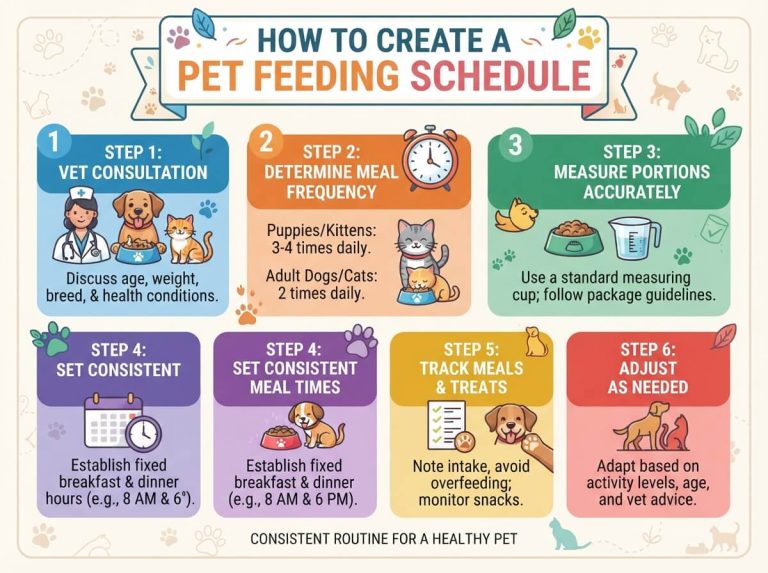
Dogs feel secure when they know what comes next. Feed, walk and rest your dog at roughly the same times each day. Predictable routines reduce stress and make training easier to follow.
Real-Life Examples of Boundary Setting
Examples make these ideas easier to picture. The situations below show how calm, consistent steps can work in everyday life. Each one starts with a clear goal and small, repeated actions.
Managing a Puppy That Nips and Jumps
A puppy may nip at hands and jump up to greet visitors. A calm response works best. Stop moving, turn away and wait for the puppy to settle. Then reward a calm sit with praise or a treat.
Family members should all respond the same way. This keeps the lesson clear and avoids mixed signals.
Handling an Adult Dog That Pulls on Walks
An adult dog that pulls often has learned that pulling gets it where it wants to go. Stop walking the moment the leash tightens. Start again only when the leash is loose. Over time, your dog learns that a loose leash leads to progress.
Short practice walks in quiet areas can help. Increase distractions slowly as your dog improves.
Helping a Rescue Dog Settle In
A rescue dog may feel unsure in a new home. Patience matters more than rules at first. Set up a quiet resting space, keep routines steady and introduce rules gradually.
Trust usually grows over weeks or months. Rushing the process often causes more stress.
Positive Leadership vs. Harsh Dominance Methods
Positive leadership and harsh dominance methods differ in both goals and results. Looking at both helps beginners choose a safe path. The table below gives a simple comparison.
| Approach | Main Tools | Typical Focus |
|---|---|---|
| Positive leadership | Rewards, routines, clear cues | Teaching what to do |
| Harsh dominance methods | Force, intimidation, corrections | Stopping unwanted actions |
What Science Shows About Punishment-Based Training
Studies on punishment-based training have linked it to higher stress and fear in some dogs. Many professional organizations now advise against harsh methods. Reward-based training is generally seen as the safer and more effective choice.
How to Tell If a Training Method Is Working Well
A good method makes your dog calmer and more confident over time. You should see clearer responses to cues and fewer repeated problems. If your dog seems more fearful or shuts down, the method needs review.
When to Ask a Certified Trainer or Veterinarian for Help
Seek help if your dog growls, snaps or bites. Pain, sudden behavior changes and strong fear also deserve a professional check. A veterinarian can rule out medical causes, and a certified trainer can build a safe plan.
Common Mistakes Beginners Make
Most training problems come from a few common errors. Knowing them in advance helps you avoid frustration. Small changes in habit often make a large difference.
Inconsistent Rules From Different Family Members
If one person allows the couch and another does not, the dog gets mixed messages. Agree on rules together and post them where everyone can see. Consistency across the household matters most.
Confusing Aggression With Disrespect
Growling or snapping is often a sign of fear, pain or discomfort. It is not proof that a dog is challenging you. Respond with space and calm, and seek professional advice if the behavior continues.
Expecting Results Too Quickly
Dogs learn at their own pace. Progress can look slow, especially with older dogs or rescues. Small, steady improvements are normal and worth celebrating.
Frequently Asked Questions
Is it true that dogs need an alpha leader?
No, current research does not support the idea that dogs need an alpha leader in the household. Dogs do need clear rules, predictable routines and a calm, fair caregiver. Leadership in this sense is about structure, not rank.
How long does it take to see changes in my dog’s behavior?
Some changes can appear within a few days, while others take weeks or months. The pace depends on the dog’s age, history and the behavior involved. Consistent practice usually leads to steadier progress.
Can I assert leadership with a puppy as well as an adult dog?
Yes, and starting early is helpful. Puppies learn quickly from clear cues and positive rewards. Keep sessions short and gentle, since young dogs tire easily.
What should I do if my dog growls when I take away a toy?
Stay calm, step back and avoid grabbing or scolding. Growling is a warning that your dog feels uneasy. Trade for a better item, and ask a professional trainer for a safe plan.
When should I call a professional dog trainer or behaviorist?
Call a professional if your dog bites, shows strong fear or aggression, or the behavior keeps getting worse. A veterinarian should also check for pain or medical causes. Certified experts can give guidance tailored to your dog.
Conclusion: Leading With Clarity and Calm
Asserting dominance over a dog is less about winning and more about being clear, fair and consistent. Modern training favors rewards, routines and calm leadership over force. Dogs learn best when they understand what is expected and what happens next.
Hi, I’m Mary, the founder of PetGadgetPro.com. I’m a passionate pet lover with a special place in my heart for dogs and cats. I share practical advice and honest insights on pet gear to help pet parents make better choices. My dedicated research team studies products in depth, and our writers create reviews using trusted, authentic sources—so you can feel confident choosing the best for your pets.