5 Best Travel Kennel For Dogs In 2026
As an Amazon Associate we earn from qualifying purchases.
Picking the best travel kennel for dogs can feel confusing at first. Many models look similar in photos, yet they differ in size, construction, airline approval and how easy they are to carry. This guide is written for beginners who want a clear starting point before they buy. It explains what to look for and how the options compare, so you can narrow your search with confidence.
The five products below share one goal: keeping a dog contained, comfortable and reasonably safe while traveling by car, by air or during stays away from home. Each one is a dog kennel that can serve as a portable crate.
This comparison rests on the listed features and typical use of each product, not on personal testing. Where a detail depends on your airline or your dog, we point that out so you can check it yourself.


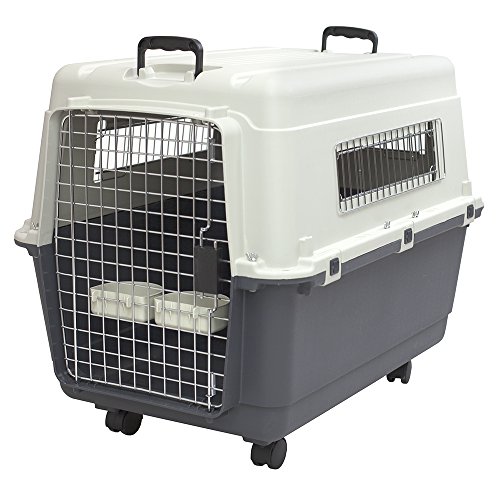


1. SportPet Airline Compliant X-LARGE 35.5″ Travel: best for very large dogs that fly
This is a hard-sided plastic travel kennel designed for large dogs. It is built to meet the airline pet carrier standards set out in the IATA Live Animal Regulations, which airlines use as a common reference. It suits owners of big breeds who need to fly with their dog. Before you book, confirm the exact size limits with your airline, since policies can vary by route and carrier.
Who this kennel is built for
This kennel fits dogs up to 32 inches long and 23 inches high. The interior measures about 32.25 by 21 by 25.25 inches. Those figures help a large dog stand, turn and lie down during a trip. A useful way to check fit is to measure your dog from nose to base of tail and from the floor to the top of the head while sitting, then compare those numbers with the interior size.
Key features in plain words
The shell is made of hard plastic, which gives it strength and a solid barrier. Built-in ventilation keeps air moving, and the dog can see out. An accident moat is a raised rim around the floor that helps keep spills away from the dog’s body. It is most useful on longer trips, when a dog may need to relieve itself or be sick.
The kennel also has tie-down holes, which airlines often require for securing the crate in the cargo area. A locking door latch and reinforced metal hardware add to the security. A secure latch matters because a door that opens during transport can cause real harm, so check that it closes firmly before every trip.
Everyday use and handling
Two top carry handles and smooth-rolling wheels help when moving through airports. The kennel is heavy when a large dog is inside, so most owners will roll it rather than carry it far. For example, rolling it across a terminal floor is far easier on the arms and back than lifting it up and down stairs. It splits into two pieces for storage, which helps when space at home is limited.
Performance and ease of use
The hard shell and metal parts give it a sturdy feel. Assembly uses metal bolts and nuts, so it takes some time the first time. Set aside a calm period before your trip to build it and check every fastener. Cleaning is simple: wipe with mild soap and water, or hose it out, then let it dry fully before the next use.
Value for money
At the higher end of the price range, this model makes sense for owners who need airline approval and a large interior. Buyers with smaller dogs will pay for space they do not need. If your dog is medium or small, or you only travel by car, a less expensive kennel may meet your needs without the added size and weight.
Pros
- Designed to meet IATA airline standards for large dogs
- Roomy interior for big breeds to stand and turn
- Wheels and two top handles ease airport movement
- Splits into two pieces for compact storage
Cons
- Heavy when loaded, so rolling is usually easier than carrying
- Higher price than models for smaller dogs
- Assembly with bolts takes time for first-time users
- Airline acceptance still depends on the carrier and route
2. SportPet Airline Compliant MEDIUM 26.5″ Travel: best for medium dogs on a budget
This kennel offers the same airline-minded design as the larger SportPet models, but in a size for medium dogs. It is a practical choice for owners of breeds such as French Bulldogs who want a compliant hard-sided crate without paying for extra room. The design follows the general style of airline travel kennels, so it suits owners who plan to fly with a pet in the cabin or in cargo.
Size and fit for medium breeds
The kennel fits dogs up to 23 inches long and 15 inches high. The interior measures about 24.25 by 18 by 17 inches. A medium dog should be able to stand, turn and rest without pressing against the top or sides.
Measure your dog from the base of the neck to the tail, and from the floor to the top of the head or ears, before you decide. Check the dimensions against the rules of your airline, since requirements can differ from one carrier to another.
Key features in plain words
The shell is hard plastic, which offers strength and a clear barrier around the dog. Built-in ventilation keeps air moving, and the dog can see out of the crate. The accident moat helps pull spills away from the dog’s body, which is useful on longer trips, such as a flight that includes a layover or a long drive to the airport.
Airline-required tie-down holes let staff or owners secure the crate in place. Reinforced metal hardware and a strong door latch help keep the dog safely inside. Before travel, test the latch and make sure the door closes fully and cannot open by accident.
Everyday use and handling
This model has one built-in top carry handle and smooth-rolling wheels. Because it is smaller than the X-LARGE model, it is easier to lift and store. Most owners will still find rolling more comfortable through a busy terminal, especially when they also carry a bag or a leash.
The kennel separates into two pieces, which helps when space is tight at home or in a car trunk. Keep the parts and hardware together in one place so nothing goes missing before your trip.
Performance and ease of use
The plastic shell and metal parts feel sturdy for a crate of this size. Assembly uses bolts and nuts, so plan a few minutes for setup. Cleaning is straightforward with mild soap and water or a hose. Let the crate dry fully before the dog uses it again, and avoid harsh chemicals that can leave odors or residue.
Value for money
This is one of the lower-priced airline-minded hard-sided options in the group. For owners of medium dogs, it offers a sensible balance between features and cost. Buyers who need extra room may prefer a larger size instead, even though that means a higher price and a heavier crate to carry.
Pros
- Airline-minded design for medium dogs
- Lower price than the larger SportPet models
- Lighter and easier to carry than bigger kennels
- Collapses into two pieces for storage
Cons
- Interior room is limited for dogs near the size limit
- Only one top carry handle, compared with two on larger models
- Assembly still requires hardware
- Airline acceptance depends on the carrier and destination
3. SportPet Airline Compliant LARGE 31.5″ Travel: best for large dogs that travel by car
This kennel sits between the medium and X-LARGE SportPet models. Its listed features focus on easy transport, collapsible storage and easy cleaning. It suits owners of large dogs who mainly travel by car, rather than by air.
Size and comfort for large breeds
The kennel fits dogs up to 28 inches long and 20 inches high. The interior measures about 28.75 by 19.75 by 21.5 inches. A large breed such as a Border Collie should have room to stand, turn and rest during a trip.
Key features in plain words
The listed features for this model focus on practical handling. It has smooth-rolling wheels and a built-in top carry handle. It also separates into two pieces for compact storage.
The product description for this model does not list the airline-compliance wording found in the other SportPet models. That makes it a better fit for ground travel and home use than for flights.
Everyday use and handling
Wheels make it easier to move the kennel across a home, a hotel room or a parking lot. The single top handle is useful for lifting it in and out of a car. Because the crate is large, most owners will roll it rather than carry it for long distances.
Performance and ease of use
The kennel is easy to take apart and store, which many owners find helpful. Cleaning is simple with mild soap and water or a hose. The product data does not describe airline testing or specific ventilation details for this version, so buyers should check those points themselves.
Value for money
This model sits in the mid-range of the SportPet line. It makes sense for owners who need a large, portable crate for car trips and home use. Those who plan to fly with their dog should consider an airline-listed model instead.
Pros
- Large interior suits big breeds on car trips
- Wheels and a top handle help with moving it
- Collapses into two pieces for storage
- Easy to wipe or hose out
Cons
Cons
— wait, I must continue exactly where the text stops. The text stops right after “
Cons
” with an empty line after. I should begin with the
- list.
- No airline-compliance wording in the listed features
- Heavy when loaded, so rolling is usually easier than carrying
- Single top handle, compared with two on the X-LARGE model
- Less suited to air travel than the airline-listed SportPet models
- Folds down and is light enough for one person to carry
- No tools needed for setup
- Mesh panels allow airflow and visibility
- Lower price than the hard-sided models
- Soft sides offer less protection than hard plastic
- No airline-compliance wording in the listed features
- Fabric needs more care to clean than plastic
- Less durable against a determined chewer than a metal crate, though the listing claims chew resistance
- Very large interior for giant breeds
- Airline-minded design with tie-down holes and a locking latch
- Two top handles and wheels ease movement
- Splits into two pieces for storage
- Very heavy when loaded, even with wheels
- Highest price in this group
- Large footprint needs more space at home and in a car
- Airline acceptance still depends on the carrier and route
4. Dog Crate by XVISHX: best for soft, foldable crate lovers
This is a soft-sided, collapsible crate rather than a hard plastic kennel. It has a steel frame covered with fabric and mesh panels. It suits owners who want a light, portable crate for car trips, home use or temporary stays.
A soft crate can be a good fit when space is limited or when you often move the crate from one room to another. It packs down flat, so it can fit in a closet or the trunk of a small car.
Size and purpose
The crate measures 36 by 25 by 25 inches, which makes it large enough for many large or medium dogs. Its name and listed features suggest use for both travel and home. Buyers should measure their dog before ordering to confirm the fit.
A useful check is to measure your dog from nose to base of tail, then add a few inches. The dog should be able to stand, turn around and lie down fully stretched without pressing against the walls. A crate that is too small can be uncomfortable, while one that is much too large may make it harder for some dogs to feel secure.
Key features in plain words
The frame is made of thickened steel pipe, and the fabric is a heavy-duty Oxford cloth. The corners have added leather wrapping, which the listing says helps resist scratching and chewing. Mesh panels on the sides and top let air move through the crate.
The crate has multiple doors, so the dog can enter and exit from different positions. This can make it easier to manage a nervous dog. It can also make it simpler to reach in and settle a dog without having to lift it in and out through a single opening.
Everyday use and handling
The listing says the crate folds and can be carried by one person. Setup requires no tools, which many beginners find helpful. Because it is soft, it does not offer the same rigid protection as a hard shell.
Soft crates work best with dogs that are calm inside a crate and do not try to dig or push through the walls. If your dog is a strong chewer or escape artist, check the crate often for wear, loose stitching or damaged mesh. For cars, secure the crate with a seatbelt or strap so it does not slide during a stop.
Performance and ease of use
Assembly is quick and does not need tools. The fabric and mesh give good airflow, though the product data does not describe any airline approval. Cleaning and drying the fabric takes more care than wiping plastic.
For routine cleaning, spot-clean the fabric with mild pet-safe soap and let it air dry fully before folding it away. Trapped moisture can cause odor or mildew, so drying matters. Removable pads or liners, if included, are usually easier to wash than the whole frame.
Value for money
This is the lowest-priced option in this group. It suits buyers who want a portable crate for everyday use and car trips without paying for a hard-sided airline kennel. It is not designed for air cargo.
Price alone does not decide value. Compare the crate’s size, build and cleaning needs with your dog’s habits. If your dog needs a sturdier enclosure, spending more on a metal or hard-sided model may be the better choice.
Pros
Cons
5. SportPet Airline Compliant XX-LARGE 39″ Travel: best for the largest dogs
This is the biggest model in the SportPet line. It is built for very large breeds, such as German Shepherds, that need extra room to rest and move. It shares the airline-minded design of the X-LARGE and MEDIUM models, so owners who already know that line will find many features familiar.
Size and space for giant breeds
The kennel fits dogs up to 36 inches long and 27 inches high. The interior measures about 36 by 23.5 by 28 inches. That space allows a very large dog to stand, turn around and lie down without feeling pinned in.
Extra room matters during a long trip. A dog that can shift its weight and change position is usually more comfortable than one that stays folded in a tight space for hours.
Key features in plain words
The hard plastic shell provides strength and a solid barrier. It protects the dog from bumps and from other luggage pressing against the sides. Ventilation and visibility are built in, so air can circulate and the dog can see what is around it.
The accident moat helps keep spills away from the dog. This raised edge around the floor gives a small buffer if a dog has an accident or a water bowl tips over.
Tie-down holes, reinforced metal hardware and a locking door latch add to security. The tie-down holes let you fasten the crate to a car seat belt or cargo strap. The locking latch helps keep the door closed if the crate is jostled.
Two top carry handles and smooth-rolling wheels help with airport movement. Wheels are useful for long walks through terminals, while the handles are helpful for lifting the crate into a car or onto a curb.
Everyday use and handling
This is one of the heaviest crates in the group, especially with a dog inside. Plan for a second person to help with lifts when the dog is on board. Most owners will roll it through terminals and rely on the handles for short lifts.
It also separates into two pieces, which helps with storage when the crate is not in use. Splitting the kennel can make it easier to fit into a garage, closet or storage room between trips.
Performance and ease of use
The shell and metal parts feel very sturdy. A solid build helps the crate hold its shape under pressure, which is useful when it is stacked or pressed against other bags. Assembly uses bolts and nuts, so set aside extra time for the first build. Gather the tools and read the instructions before starting, and check that every connection is tight.
Cleaning is simple with mild soap and water or a hose. Rinse the shell, let it dry fully, and wipe the accident moat after each use to prevent odors.
Value for money
This is the highest-priced model in the group. It makes sense for owners of giant breeds who need airline-minded hard-sided protection and a large interior. Compare the price against the size of your dog before deciding, since a larger crate costs more to make and ship.
Buyers with smaller dogs will not need this much room. A smaller model in the same line may provide the right fit at a lower cost and with easier handling.
Pros
Cons
Comparison insights: how these travel kennels differ
The five products fall into two main groups. Four are hard-sided SportPet kennels, and one is a soft-sided foldable crate. That difference shapes almost every other trade-off, from weight to protection to price.
In performance, the SportPet models offer more protection and a firmer structure. The hard shell resists crushing and blocks sharp contact better than fabric. The soft crate offers airflow and light weight, but less rigid protection. For a dog that may bump into walls in a car, a hard shell is usually the stronger choice.
In ease of use, the soft crate is the easiest to fold and carry. It fits into a small bag and works well for short trips where weight matters most. The SportPet kennels are heavier, but their wheels and handles make them manageable. The MEDIUM model is the lightest of the hard-sided group, while the XX-LARGE model is the heaviest.
In value for money, the soft crate costs the least. Among the hard-sided models, price rises with size. The MEDIUM model offers the lowest entry point for airline-minded hard-sided travel. The XX-LARGE model is the most expensive, which is reasonable only if the dog needs that much space.
Buying guide: key factors for picking a travel kennel for dogs
Start with your dog’s size. Measure the length from nose to base of tail and the height from floor to top of head. Then choose a kennel whose interior lets the dog stand, turn and lie down comfortably. A dog that cannot turn around or lie stretched out will often feel stressed during a long trip.
Next, decide how you will travel. If you plan to fly, look for airline-compliant wording and check your airline’s current rules. Airlines set their own requirements for size, ventilation and labeling, and these can change, so confirm them before booking. Car trips and home use usually allow more flexibility.
Consider construction. Hard plastic shells give more protection and a clear barrier against bumps and chewing. Soft crates fold small and weigh less, but they offer less structure and can sag under pressure. Choose based on how your dog behaves in transit. A calm dog may do well in a soft crate, while a dog that scratches or pushes against the walls may need a sturdier shell.
Think about portability. Wheels, carry handles and collapsible designs make moving a crate easier. A heavy crate is hard to lift, especially through airport terminals or up stairs, so rolling may matter more than you expect. Try lifting the empty crate to get a sense of its weight before you commit.
Check ventilation and visibility. Airflow and a view out help many dogs stay calm. Look for mesh or vents on the sides and top, and make sure the openings are not so large that a paw or nose could get caught. Good airflow also helps reduce heat buildup in a parked car or a warm cargo hold.
Look at cleaning. Accidents happen, so choose a crate that wipes or hoses clean. Smooth surfaces and removable trays are easier to sanitize than fabric lining that soaks up liquid. An accident moat or removable floor can help keep the crate hygienic, especially on longer journeys.
Finally, weigh price against use. A cheaper crate may be enough for home and car use. A higher-priced airline kennel makes more sense if you need flight approval, because the extra features and wording are there to meet specific rules. Match the spending to the way you will actually travel rather than paying for features you will never need.
Who should buy these travel kennels
Owners of very large dogs who fly should consider the X-LARGE or XX-LARGE SportPet kennels. Their listed design includes airline-minded features and generous interior space. Measure your dog carefully and confirm current airline rules before you buy.
Owners of medium dogs on a budget who fly may find the MEDIUM SportPet kennel a sensible choice. It offers the hard-sided, airline-minded design in a lighter, lower-priced package. Check the interior dimensions against your dog’s measurements to be sure there is enough room.
Owners of large dogs who mainly travel by car should consider the LARGE SportPet kennel. It offers a roomy interior and easy handling without the flight-focused wording. For car trips, secure the crate with a strap or seatbelt so it does not slide during braking.
Owners who want a light, soft crate for car trips and home use should consider the XVISHX Dog Crate. It folds for easy storage and needs no tools to set up. It is not designed for air cargo, so it suits ground travel best.
Pick this option if your dog is calm in transit and you value easy storage over hard protection.
Final verdict
No single kennel suits every dog and every trip. The right choice depends on size, travel method and budget.
The five products here cover a useful range of needs, so it helps to start with your dog’s size and how you plan to travel.
For flights with a large or giant dog, the SportPet X-LARGE and XX-LARGE models have the most airline-minded features. Look for sturdy walls, secure door latches and enough headroom for your dog to stand.
For a medium dog on a budget, the MEDIUM model is the most practical option, since it covers everyday trips without a high price. For car trips with a large dog, the LARGE model is a good fit, especially if you want a crate that stays in place once it is secured.
For a soft, foldable crate, the XVISHX model offers the most portability at the lowest cost, which makes it handy for short drives, visits to friends or storing away when not in use.
Always confirm your airline’s current pet rules before booking, and measure your dog carefully before you buy. Rules on kennel size, materials and ventilation can change, and a kennel that fits your dog but not the airline’s limits will still be refused at check-in.
Frequently Asked Questions
What size travel kennel does my dog need?
Measure your dog from nose to base of tail and from floor to top of head. Add a little room to each measurement so your dog can move comfortably. Choose a kennel whose interior lets the dog stand, turn and lie down without pressing against the walls or roof.
Do I need an airline-compliant kennel to fly with my dog?
Many airlines require a kennel that meets their pet carrier standards. These standards often cover outside dimensions, ventilation openings, leak-proof floors and secure latches. Check your airline’s current rules before you book, since requirements vary by carrier and route.
Is a soft-sided crate safe for travel?
A soft crate can work well for car trips and home use. It is light, folds flat and is easy to carry. It offers less rigid protection than a hard plastic shell, so it suits calmer travelers better. A dog that chews, scratches or pushes against walls may do better in a hard-sided kennel.
What is an accident moat?
An accident moat is a raised rim around the crate floor. It helps keep spills, such as urine or water from a bowl, contained within the base instead of spreading across the floor and reaching the dog’s body. It is most useful on longer trips or with puppies and older dogs who may have accidents.
How do I clean a travel kennel?
Most hard plastic kennels can be wiped with mild soap and water or hosed out. Rinse well and let the kennel dry completely before the next use. Soft crates usually need more careful cleaning and time to dry fully. Check the care label first, since some fabrics and linings should not be soaked or machine washed.

Hi, I’m Mary, the founder of PetGadgetPro.com. I’m a passionate pet lover with a special place in my heart for dogs and cats. I share practical advice and honest insights on pet gear to help pet parents make better choices. My dedicated research team studies products in depth, and our writers create reviews using trusted, authentic sources—so you can feel confident choosing the best for your pets.