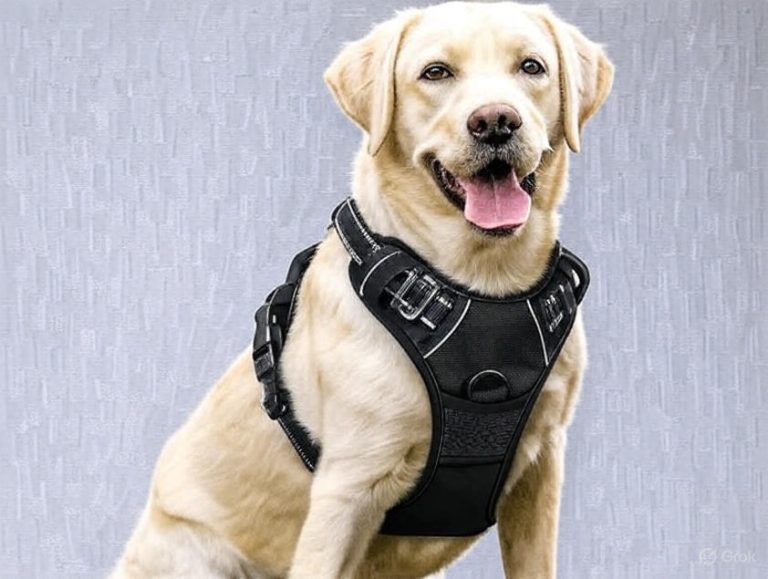
5 Best Dog Harness For Pulling In 2026
As an Amazon Associate we earn from qualifying purchases.
Owners of strong dogs often ask for the best dog harness for pulling. A harness that fits well and gives you more control can make daily walks calmer and safer. This guide is written for beginners who want a clear picture before they buy.
The five products below share a few common traits. Each one is a harness designed for walking, and most include a front clip, padded straps and reflective details. The comparison rests on the listed features and typical use, not on personal testing.



1. rabbitgoo Dog Harness: best for large dogs on a budget
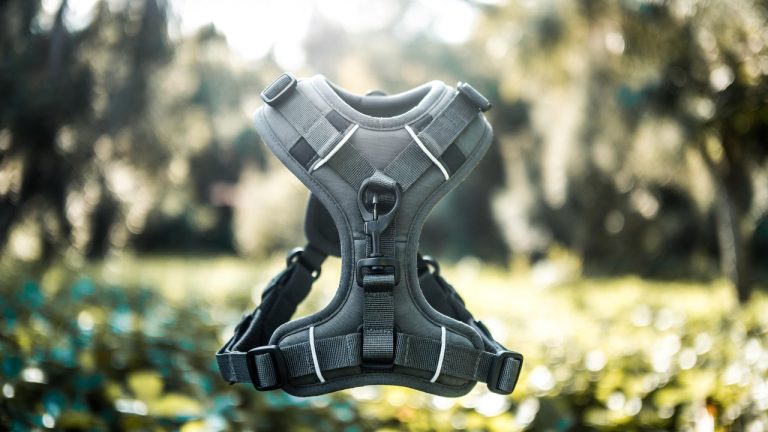
The rabbitgoo Dog Harness is a vest-style harness sized for large dogs. It has two metal leash loops, one at the front and one at the back. It suits owners of big breeds who want a simple, lower-cost option for everyday walks.
Best use cases
The front clip is meant to give gentle redirection when a dog tugs. The back clip suits casual walks with a dog that already walks well. The product page also mentions use for jogging with well-behaved dogs.
Key features in plain words
The harness uses a fabric with breathable mesh, which may help keep a dog cooler during longer walks. Padded areas are meant to spread pulling pressure evenly. A top handle lets you hold the dog quickly, and the listed reflective strips add visibility in low light.
Everyday feel and fit
Putting it on is simple, since you slip it over the head and snap two quick-release buckles. There are four adjustable straps, which allows some room for growth. Because the chest range is listed as 17 to 33.4 inches, measuring your dog carefully matters a lot.
Performance and value
This harness is meant for control on routine walks rather than heavy pulling. At the listed price, it sits at the lower end of this group. Buyers often value it as an affordable option for large dogs.
Pros
- Two leash clips give front and back attachment choices.
- Four adjustable straps help with a snug fit.
- Quick-release buckles make it easy to put on.
- Reflective strips add visibility for early or late walks.
Cons
- Sizing depends heavily on careful measuring.
- Fabric and mesh may not suit very rough outdoor use.
- May offer less control than a dedicated tactical-style harness with pulling support.
2. SlowTon No Pull Dog Harness and Leash: best for a complete walking setup
The SlowTon No Pull Dog Harness and Leash is a set that includes a harness and leash. It suits medium and large dogs and owners who want both gear pieces in one package. It is built for walking, training, jogging and hiking.
Best use cases
The chest D-ring is used for no-pull training and direction. The back O-ring suits daily walking. The product page also points to use in crowded areas, where the center handle can help guide the dog.
Key features in plain words
Soft, thick fleece pads sit under the neck, back and handle straps. These are meant to reduce rubbing. The leash has an elastic, springy section that may soften the force of a strong pull, and a swivel hook is listed to help prevent tangling.
Everyday feel and fit
The harness has adjustable loops for both neck and chest, plus a quick-release buckle. Because the design goes over the head and clips at the belly, it is quick to put on. Reflective strips are listed for both day and night visibility.
Performance and value
The triangular side design is described as spreading pulling force, which may reduce choking risk when a dog lunges. The leash handles are useful for keeping the dog close. In practice, the elastic section can make the leash feel less jerky on the hand and shoulder.
The price sits in the middle of this group, which many buyers consider reasonable for a full set.
Pros
- Includes both a harness and a leash in one set.
- Two handles give more ways to guide the dog.
- Soft fleece padding is meant to reduce skin friction.
- Swivel hook is listed to help prevent tangles.
Cons
- Set includes a second strap, so the purpose of each strap needs to be understood before use.
- Elastic leash sections can give a bit of extra stretch that some owners may not want.
- Adjustment on both neck and chest means more steps to get a correct fit.
3.
Annchwool No Pull Dog Harness: best for owners wanting multiple sizes
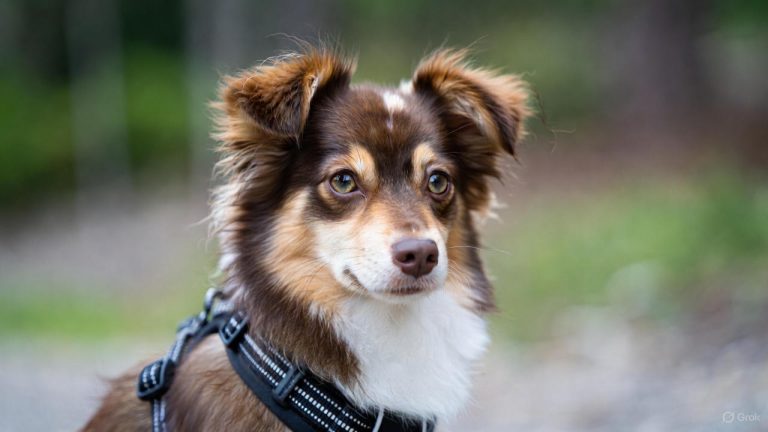
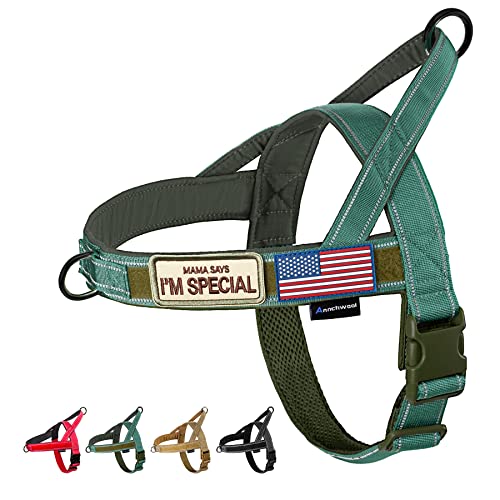
The Annchwool No Pull Dog Harness is a front-clip harness offered in five sizes. It suits small, medium and large dogs, since the size range is wide. It is a practical pick for owners who want choice in width and fit.
Best use cases
The front strap is meant to help stop a dog from rushing forward. The harness is designed for walking, jogging, running and training. Its two rings can also hold an ID tag or a poop bag holder.
Key features in plain words
The inner padding is described as wide and soft, which may protect the neck and fur from rubbing. Reflective stitching along the webbing adds visibility after dark. A velcro area lets owners add the included patches, which is purely a styling option.
Everyday feel and fit
Sizing is the key step. The XS size is listed at 1 inch wide, while S, M, L and XL are listed at 1.5 inches wide. Measuring your dog and checking the chart before buying helps avoid a poor fit.
Performance and value
The harness is meant for everyday control rather than heavy-duty pulling. Its price sits in the middle of this group. Buyers often value it for its many size options and simple design.
Pros
- Five sizes help match a wide range of dogs.
- Soft padding is meant to protect the neck and fur.
- Reflective stitching adds visibility in low light.
- Two rings allow extra hanging options for tags and bags.
Cons
- Widths differ by size, so checking the chart is essential.
- Designed for control on routine walks, not heavy pulling.
- Patches are extras that some owners may not need.
4. Dog Pulling Harness Reflective X-Back Harness: best for active and sled-style use
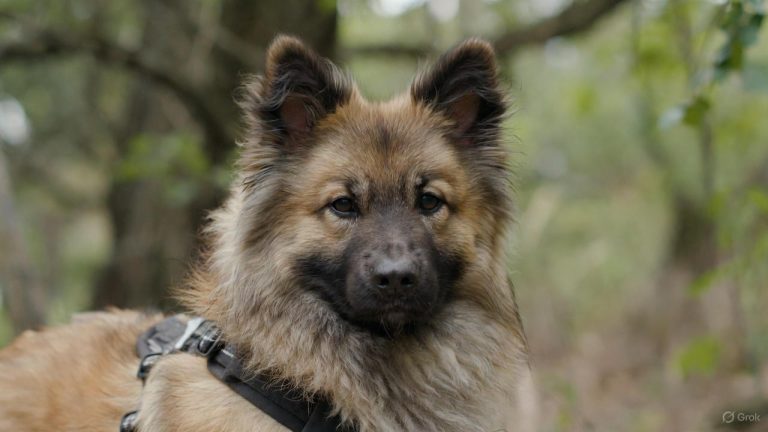
The Dog Pulling Harness Reflective X-Back Harness is built for active work and sport. It is listed for sledding, canicross, bikejoring, skijoring and scootering. It suits owners of smaller or medium active breeds who want a pulling-focused harness.
Best use cases
The product is intended for activities where a dog pulls with purpose, such as scootering or canicross. The listed breeds include French Bulldog, Pug, Beagle and Cocker Spaniel. It is less about casual leash walking and more about sport.
Key features in plain words
The X-back shape is described as giving support when a dog pulls. The harness is made of nylon and includes reflective strips for low-light visibility. The product listing is shorter than some others, so some details are not given.
Everyday feel and fit
The XL size is listed to fit a neck of 18 to 21 inches, a chest of 29.5 to 37.5 inches, and a back of 21.5 to 26 inches. It is recommended for dogs roughly 55 to 77 pounds. Measuring carefully before buying is important, since the listing stresses it.
Performance and value
Because the X-back shape spreads force across the chest and back, it is meant for steady pulling in sport settings. Owners who walk at a relaxed pace may find it more harness than they need. The price sits in the middle of this group, which suits owners who plan to use it for active sport.
Pros
- Built for sport and pulling activities such as scootering and canicross.
- X-back shape is meant to support a pulling dog.
- Reflective strips add visibility in low light.
- Clear size measurements are listed for the XL fit.
Cons
- Not designed as a no-pull tool for everyday leash walks.
- The product listing gives fewer details than some other harnesses.
- Best suited to a narrow range of dog sizes and breeds.
5. Beebiepet Tactical No Pull Dog Harness: best for strong dogs and working-style gear
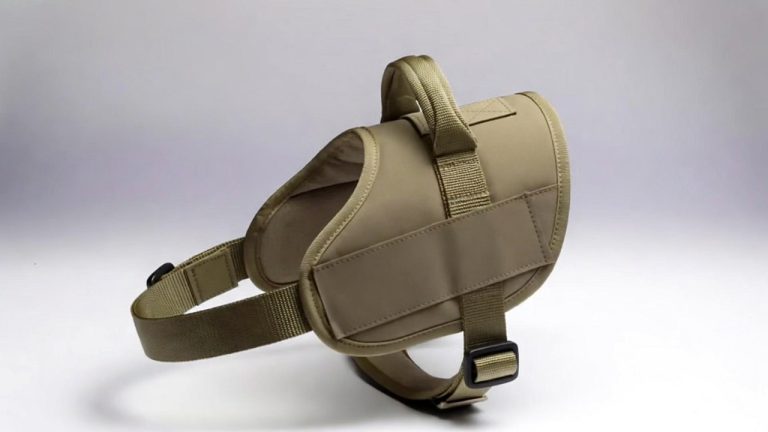
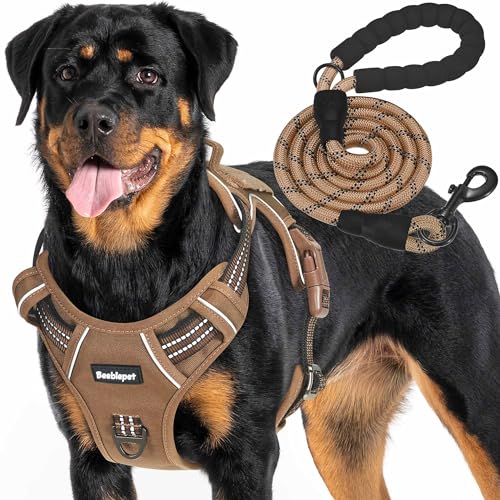
The Beebiepet Tactical No Pull Dog Harness is a heavy-duty, military-style vest. It is designed for powerful dogs and owners who want extra attachment points. It suits service, outdoor and training uses, and it is the highest-priced item in this group.
Best use cases
The harness is intended for strong dogs and active outdoor work. The product lists use for service, law enforcement, hunting and outdoor activities. Its MOLLE strips allow compatible pouches to be attached.
Key features in plain words
MOLLE strips are webbing grids on both sides that let you attach pouches. The harness is made of nylon with reinforced stitching and two triangular rings. Four adjusters on the neck and chest help fine-tune the fit.
Everyday feel and fit
The chest buckles can be fully opened, which makes it easier to put on. Four size adjusters give a range of fit options. The product also includes a 5-foot leash with a foam handle and a tangle-free hook.
Performance and value
The heavy-duty build suits owners who want sturdy gear for a strong dog. The included leash and ID tag add practical value. Because it costs more than most others here, the added features matter most to buyers who will use the pouch system.
Pros
- Heavy-duty nylon with reinforced stitching for strong dogs.
- MOLLE strips allow carrying of compatible pouches.
- Four adjusters help with a tailored fit.
- Free leash and ID tag are included.
Cons
- Highest price in this group.
- Tactical styling and extra straps may feel bulky for small dogs.
- Pouch features add value only for owners who use them.
Comparison insights: how these harnesses differ
The five harnesses differ most in purpose. Some focus on everyday control, while others target sport or heavy-duty work. Looking at performance, ease of use and value helps narrow the choice.
For control on routine walks, the front-clip designs from SlowTon and Annchwool are the most straightforward. The rabbitgoo harness adds a back clip, which can suit casual walking. The SlowTon set adds a leash, which many beginners find convenient.
For ease of use, quick-release buckles and simple slip-on designs are the easiest to manage. The Beebiepet harness offers fully open chest buckles, while the X-back harness is designed around sport fit. Adjustment points vary, so each design takes a different amount of time to fit.
For value, the rabbitgoo sits at the lowest price, while the Beebiepet costs the most. Still, more money does not always mean a better match. The right value depends on how the harness will be used.
Buying guide: key factors explained in plain words
A good harness starts with the right size. Measure your dog’s neck, chest and back before you compare sizes. Sizing charts differ between brands, so always check the chart for the product you choose.
Next, needs to be a continuation. Continue “Next,” with the buying guide, then who should buy, verdict, FAQ. Stay within ~2140 words total remaining, aim ~1800 to be safe.
Avoid forbidden words, no years, no “I”, no markdown., the rest of the buying guide should cover fit, front clip vs back clip, material and padding, reflective safety, and leash handling, all in short paragraphs.
Fit also matters more than style.
A harness that is too loose can slip, while one that is too tight may rub. Check that you can fit two fingers under the straps, and adjust them until the fit feels snug but comfortable.
Next, consider where the leash clips. A front clip sits on the chest and can help turn a dog gently when it pulls. A back clip suits a dog that already walks well and is used for casual outings.
Padding and fabric are also worth a look. Soft, wide padding can reduce rubbing on the neck, chest and armpits. Breathable mesh may feel cooler in warm weather, while sturdy nylon tends to handle regular outdoor use.
Reflective details help with visibility. They matter most for early morning or evening walks, when drivers and cyclists need to spot a dog. Visibility is one factor, so a light or bright leash can add to it.
Think about the type of activity as well. Everyday leash walks need different features from sport pulling or heavy-duty work. Matching the harness to the main activity makes the choice much clearer.
Finally, remember that a harness works best alongside training. A harness helps with control, but it does not replace good habits. Short, calm walks and consistent rewards often make a bigger difference over time.
Who should buy these products: matching buyers to a harness
Each harness suits a different kind of owner. The right pick depends on the dog’s size, the owner’s goals and the budget. The matches below are general guides, not guarantees.
Owners of large dogs on a tight budget may look at the rabbitgoo Dog Harness. Its two clips and adjustable straps suit everyday walks with a large, well-behaved dog.
Owners who want a full starter set may find the SlowTon harness and leash a practical choice. It suits medium and large dogs and owners who want a leash included.
Owners with dogs of mixed sizes may prefer the Annchwool harness. Its five size options make it easier to match small, medium and large dogs.
Owners who take a dog to sport activities such as scootering or canicross may consider the X-back harness. It suits smaller active breeds and sport-focused use rather than casual walks.
Owners of strong dogs who want extra gear options may look at the Beebiepet harness. Its heavy-duty build, MOLLE strips and included leash suit working-style or outdoor use.
Final verdict: which harness is the right choice?
No single harness is the best fit for every dog. The right choice depends on size, activity and budget. Each product here has a clear purpose, so matching that purpose matters most.
For a simple, lower-cost option for large dogs, the rabbitgoo harness is a sensible starting point. For a complete walking setup, the SlowTon set stands out. For a range of sizes, the Annchwool harness offers flexibility.
For sport pulling, the X-back harness is built with that use in mind. For strong dogs and outdoor work, the Beebiepet harness adds sturdy build and extra attachment points.
In short, measure your dog, decide on your main activity and check the features against your needs. A well-fitted harness, used with patient training, is the most reliable path to calmer walks.
Frequently Asked Questions about the best dog harness for pulling
What is a no-pull dog harness?
A no-pull harness usually has a front leash clip. When the dog pulls, the clip can gently turn the dog toward the owner. It is a training aid and does not replace good habits.
How do I measure my dog for a harness?
Measure the neck, chest and back using a soft tape. Compare the numbers with the brand’s size chart before buying. Always check the chart for the specific product you choose.
Is a front clip or back clip better?
A front clip gives more control when Next, the buying guide still needs its key points. The guide should cover fit, clip position, material, reflective safety and leash handling in short paragraphs. Those points are written below, followed by the remaining sections.
Fit matters more than style.
A harness that is too loose can slip, while one that is too tight may rub. Check that you can fit two fingers under the straps, and adjust until the fit feels snug but comfortable.
Next, consider where the leash clips. A front clip sits on the chest and can help turn a dog gently when it pulls. A back clip suits a dog that already walks well and is used for casual outings.
Padding and fabric are also worth a look. Soft, wide padding can reduce rubbing on the neck, chest and armpits. Breathable mesh may feel cooler in warm weather, while sturdy nylon tends to handle regular outdoor use.
Reflective details help with visibility. They matter most for early morning or evening walks, when drivers and cyclists need to spot a dog. Visibility is one factor, so a bright leash can add to it.
Think about the main activity too. Everyday leash walks need different features from sport pulling or heavy-duty work. Matching the harness to the main activity makes the choice much clearer.
Finally, remember that a harness works best alongside training. A harness helps with control, but it does not replace good habits. Short, calm walks and consistent rewards often make a bigger difference over time.
Who should buy these products: matching buyers to a harness
Each harness suits a different kind of owner. The right pick depends on the dog’s size, the owner’s goals and the budget. The matches below are general guides, not guarantees.
Owners of large dogs on a tight budget may look at the rabbitgoo Dog Harness. Its two clips and adjustable straps suit everyday walks with a large, well-behaved dog.
Owners who want a full starter set may find the SlowTon harness and leash a practical choice. It suits medium and large dogs and owners who want a leash included.
Owners with dogs of mixed sizes may prefer the Annchwool harness. Its five size options make it easier to match small, medium and large dogs.
Owners who take a dog to sport activities such as scootering or canicross may consider the X-back harness. It suits smaller active breeds and sport-focused use rather than casual walks.
Owners of strong dogs who want extra gear options may look at the Beebiepet harness. Its heavy-duty build, MOLLE strips and included leash suit working-style or outdoor use.
Final verdict: which harness is the right choice?
No single harness is the best fit for every dog. The right choice depends on size, activity and budget. Each product here has a clear purpose, so matching that purpose matters most.
For a simple, lower-cost option for large dogs, the rabbitgoo harness is a sensible starting point. For a complete walking setup, the SlowTon set stands out. For a range of sizes, the Annchwool harness offers flexibility.
For sport pulling, the X-back harness is built with that use in mind. For strong dogs and outdoor work, the Beebiepet harness adds a sturdy build and extra attachment points.
In short, measure your dog, decide on your main activity and check the features against your needs. A well-fitted harness, used with patient training, is the most reliable path to calmer walks.
Frequently Asked Questions about the best dog harness for pulling
What is a no-pull dog harness?
A no-pull harness usually has a front leash clip. When the dog pulls, the clip can gently turn the dog toward the owner. It is a training aid and does not replace good habits.
How do I measure my dog for a harness?
Measure the neck, chest and back using a soft tape. Compare the numbers with the brand’s size chart before buying. Always check the chart for the specific product you choose.
Is a front clip or back clip better?
A front clip gives more control when a dog pulls. A back clip suits a dog that already walks well and is used for casual outings. The right choice depends on the dog’s habits.
Can a harness stop a dog from pulling completely?
No har ness can stop a dog from pulling completely. A harness can reduce tugging and make control easier, but steady training does most of the work over time.
Are these harnesses safe for every dog?
Not every harness suits every dog. Check the size range, the breed notes and the fit before buying. If a dog has a health concern or a sensitive neck or chest, ask a veterinarian for advice first.
How often should a harness be checked?
Check stitching, buckles, rings and straps on a regular basis. Look for fraying, loose threads or worn metal. Replace any harness that shows damage, since a weak part can fail during a walk.
Hi, I’m Mary, the founder of PetGadgetPro.com. I’m a passionate pet lover with a special place in my heart for dogs and cats. I share practical advice and honest insights on pet gear to help pet parents make better choices. My dedicated research team studies products in depth, and our writers create reviews using trusted, authentic sources—so you can feel confident choosing the best for your pets.