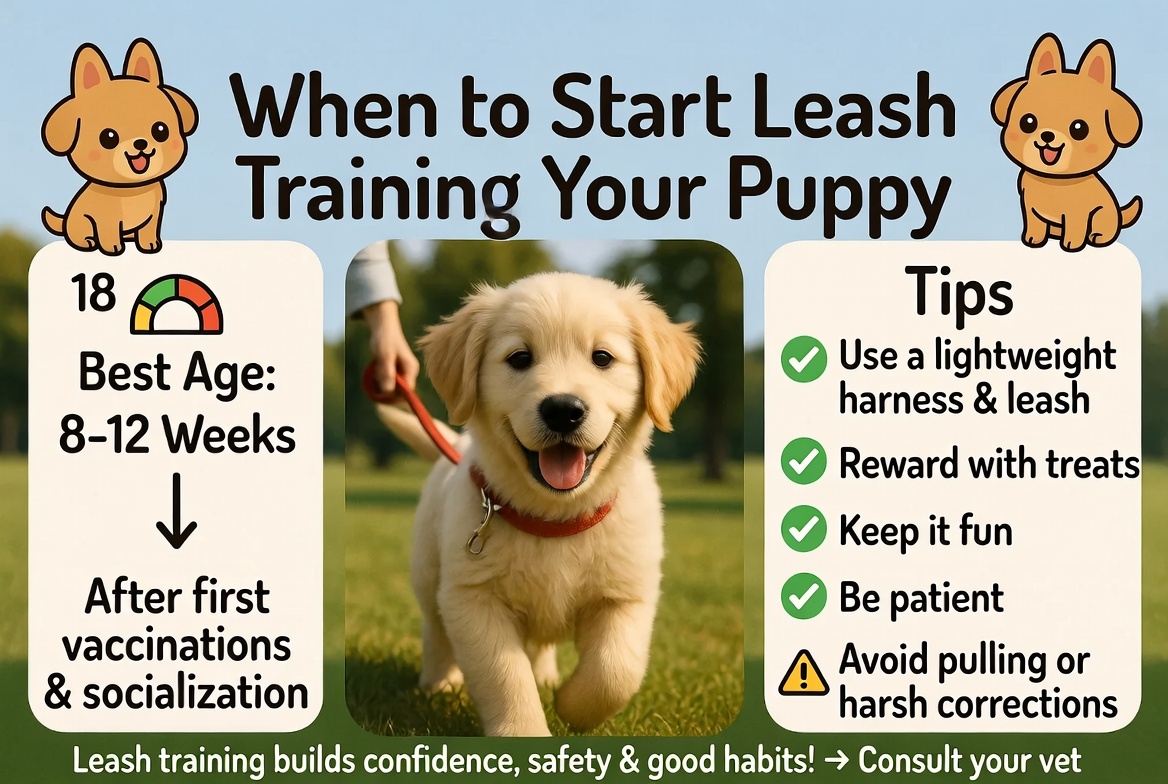
When Should You Switch Your Puppy to Leash Training?
So you just brought home your adorable new puppy, and life is perfect. But soon you’re wondering: when do I actually start leash training? And what does that even look like? If you’re scratching your head trying to figure out the best time to teach your puppy to walk on a leash, you’re not alone. This guide breaks down everything you need to know about puppy leash training without all the confusing jargon.
The Short Answer: Start Early, But Wait for the Right Signs
Here’s the truth: there’s no magic age where you flip a switch and suddenly leash training begins. Instead, you want to pay attention to your puppy’s development and watch for signs that they’re ready to learn. Most puppies can start basic leash training once they have enough physical coordination to walk with you without getting tangled up every five seconds.
But starting leash training doesn’t mean you’re going to take your puppy on long walks around the neighborhood. It means introducing them to a collar, a leash, and the idea that walking next to you is a fun, rewarding experience.
Understanding Your Puppy’s Development Stages
Your puppy goes through different phases, and each phase affects how they learn and grow. Knowing what stage your pup is in helps you time leash training perfectly.
The Super Young Stage (Newborn Phase)
At this age, your puppy is still adjusting to life away from their mom and littermates. Their bones are soft and fragile. Their attention span is practically non-existent. They’re learning about the world through sniffing and playing. This is NOT the time for serious leash walking. Instead, this is when you introduce your puppy to a collar indoors during playtime.
Your goal here is simple: make the collar feel normal and fun. Let them wear it for short periods while they eat treats or play with toys. No pressure, no walking. Just getting comfortable with something around their neck.
The Early Training Window (Early Development)
This is when things get interesting. Your puppy’s brain is like a sponge. They’re ready to learn, and they actually want to please you. Their bones are getting stronger, and they can handle short walks without getting hurt. This is the golden time to introduce leash training.
At this stage, start with very short sessions. We’re talking five to ten minutes in your backyard or a safe, quiet space. Let your puppy get used to the feel of the leash and collar without the pressure of going anywhere specific.
The Growing Pup Stage (Mid Development)
By now, your puppy has more strength and endurance. They’re becoming more confident and curious about their surroundings. This is when you can start taking them on short neighborhood walks. They’re also developing their own personality and might start testing boundaries, so consistency matters a lot.
The Teenage Phase (Later Development)
Your puppy is growing fast and has way more energy than you probably expected. They’re also becoming more independent. This is when puppy obedience training becomes really important. Your pup might ignore you sometimes or get distracted easily. Stay patient and keep working on loose leash walking skills.
Signs Your Puppy Is Ready for Leash Training
Every puppy develops at their own pace. Instead of going purely by age, look for these signs that your dog is ready to learn leash walking:
They Can Walk Without Tripping
Your puppy should be able to walk a straight line without constantly bumping into their own feet. This means their coordination is good enough to handle the leash without getting tangled.
They Respond to Their Name
If your puppy comes running when you call their name, they’re starting to understand that following you leads to good things. This is a sign they’re ready to learn to walk with you on a leash.
They Can Focus for a Few Minutes
Puppy attention spans are short, but if your pup can focus on a toy or treat for a minute or two, they can focus on leash training.
They Understand Basic Commands
Your puppy doesn’t need to be a genius. But if they respond to “sit” or “come” most of the time, their brain is ready for leash training lessons.
They’re Over the Super Fragile Stage
This is obvious but important. Your vet can tell you when your puppy’s bones are developed enough for walking on a leash. Your vet is the best resource for knowing when your specific puppy is ready.
Why Starting Leash Training Matters So Much
You might think leash training is just about not getting dragged down the street by your puppy. But it’s way more important than that.
Leash walking builds safety. A dog on a leash is a dog you can control. They can’t run into traffic, get into fights with other dogs, or eat something harmful they find on the ground.
Leash work teaches your puppy to respect boundaries. When your puppy learns to walk next to you, they’re also learning that you’re the leader and they should follow your direction.
Walking together builds your bond. Shared walks create positive memories and strengthen the relationship between you and your puppy.
Leash training is part of good puppy behavior management. A puppy who doesn’t know how to walk on a leash becomes a difficult adult dog. This often leads to behavior problems down the road.
It keeps your puppy socialized. Walks expose your pup to new sights, sounds, smells, and people. This is crucial for growing a confident, well-adjusted dog.
Getting Started: The Right Equipment
Before you even think about stepping outside, get the right gear. Wrong equipment makes dog training frustrating for both of you.
Pick the Right Collar
For puppies, a soft collar made of nylon or fabric works great. It should fit snugly around their neck but leave room for one finger between the collar and their skin. As your puppy grows, you’ll need to resize or replace the collar.
Avoid heavy chains or choke collars for leash training. These hurt and confuse puppies. You want them to associate the collar with fun stuff, not pain.
Choose an Appropriate Leash
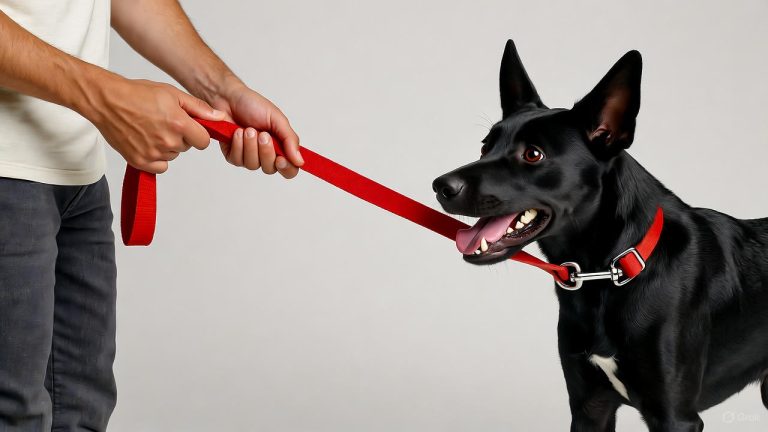
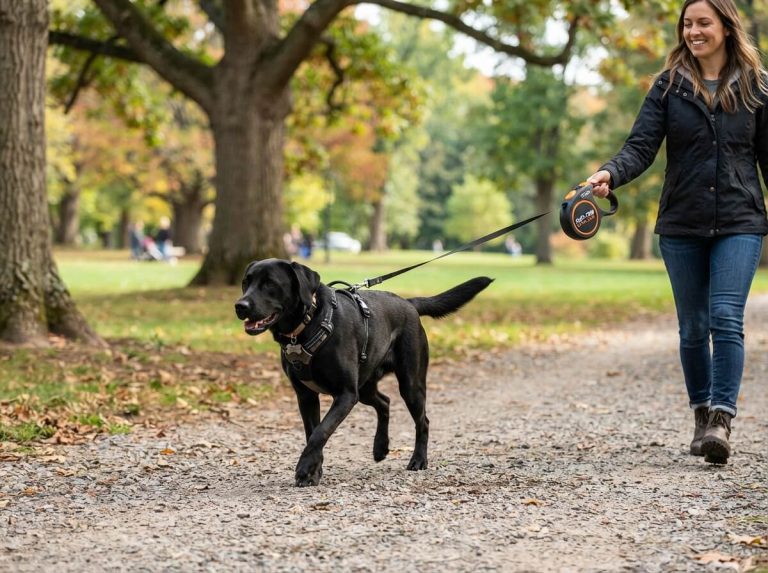
Get a leash that’s about four to six feet long. This length gives your puppy enough freedom to explore a little while keeping them close enough to control. A retractable leash looks convenient, but it actually teaches puppies to pull. Save those for later.
Consider a Harness
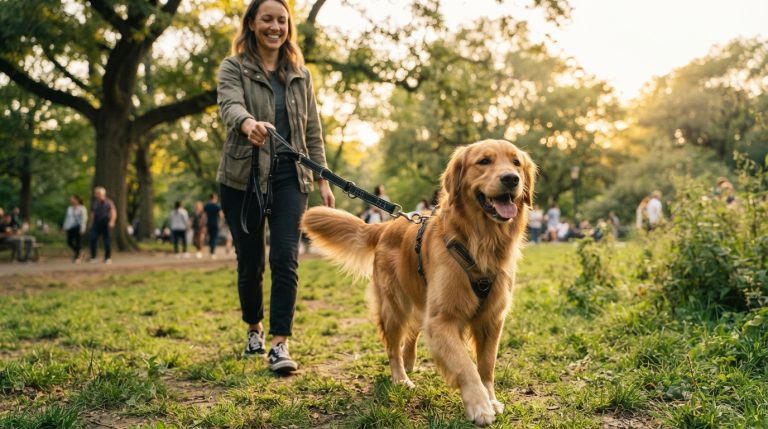
Some people prefer harnesses over collars for leash work. A good harness distributes pressure across your puppy’s chest and back instead of putting all the pressure on their neck. This is actually more comfortable for your pup.
Get Treats Ready
Have super tasty, high-value treats on hand. These should be something your puppy loves more than anything else. Tiny pieces work best because you’ll give a lot of them.
The Step-by-Step Process
Now let’s talk about actually training your puppy to walk on a leash.
Step One: Get Them Used to the Collar (Indoors)
Start inside your home. Put the collar on your puppy while they’re eating or playing with a toy. Leave it on for a few minutes, then take it off. Repeat this several times a day for a few days. The goal is making the collar feel totally normal.
Step Two: Add the Leash (Still Indoors)
Once your puppy is cool with the collar, clip on the leash. Let them walk around your house dragging it. They might act weird, like they’re being held back. That’s normal. Stay relaxed and act like it’s no big deal. Give treats and praise when they walk around naturally.
Step Three: Practice Walking in a Safe Space
Now you’re ready to actually walk together. Start in your backyard or another completely safe space with no distractions. Put the leash on and stand still. When your puppy comes toward you or walks alongside you, immediately give a treat and praise like crazy.
Never pull on the leash. Instead, use treats and voice to encourage your puppy to stay near you. Make it so staying close to you is more rewarding than wandering away.
Step Four: Short Outdoor Walks
Once your puppy is doing well in your yard, take them on very short walks. Start with five to ten minutes around a quiet block. Keep the walk focused and use treats to reward your puppy for walking near you.
Step Five: Gradually Build Up
As your puppy gets better, gradually increase the length and complexity of your walks. But remember, puppies need short walks. They tire easily and their bones are still developing. A good rule is five minutes for every month of age. So a three-month-old puppy gets about fifteen minutes of walking.
Common Leash Training Mistakes to Avoid
Don’t Start Too Late
Waiting until your puppy is six or eight months old to introduce a leash makes everything harder. Early exposure is key. Even if your puppy never leaves your house, getting them comfortable with a collar and leash early pays off.
Don’t Use Punishment
Never pull hard on the leash, yell at your puppy, or use pain to teach leash training. This teaches fear, not obedience. Your puppy will either become anxious or will avoid you.
Don’t Expect Perfection Too Soon
Your puppy is a baby. They’re going to pull. They’re going to get distracted. They’re going to do weird things. This is totally normal. Have patience and keep working consistently.
Don’t Skip Treats
Positive reinforcement is the most effective dog training method. Your puppy learns fastest when they get rewarded for doing the right thing. Use treats, praise, and play to encourage good behavior.
Don’t Take Long Walks Too Early
Some people get excited and immediately take their young puppies on long walks. This is hard on developing bones and joints. Stick to the age-based guidelines.
Don’t Give Up on Consistency
You need to practice leash walking regularly. A few random walks here and there won’t teach your puppy anything. Aim for daily practice, even if it’s just a short session in your yard.
Making Leash Training Actually Fun
Here’s a secret: if leash training isn’t fun for your puppy, they won’t want to do it. Your job is to make leash walking the best thing ever.
Use High-Value Rewards
Break up pieces of chicken, cheese, or commercial dog treats. Use rewards that make your puppy excited. Boring treats lead to a bored puppy.
Play Games During Walks
Turn leash walking into a game. Call your puppy to you and give a treat. Let them explore for a bit, then call them back. Make following you feel like a fun activity, not a chore.
Stay Positive
Your puppy reads your mood. If you’re frustrated or tense while holding the leash, your puppy feels that. Keep a happy, upbeat energy. Make it feel like a party, not a punishment.
Change Up Your Route
New places mean new smells and new interesting things. Variety keeps your puppy engaged and makes walks exciting.
Celebrate Small Wins
Did your puppy walk next to you for even ten seconds without pulling? That’s a win. Celebrate it. Give treats, praise, and affection. Build on these small successes.
Troubleshooting Common Leash Problems
Your Puppy Refuses to Walk
Some puppies get scared or stubborn and just sit down. Don’t drag them. Instead, get down to their level, be encouraging, and try walking a few steps backward. Make it fun, not a battle. Start in familiar places before trying new environments.
Your Puppy Pulls Like Crazy
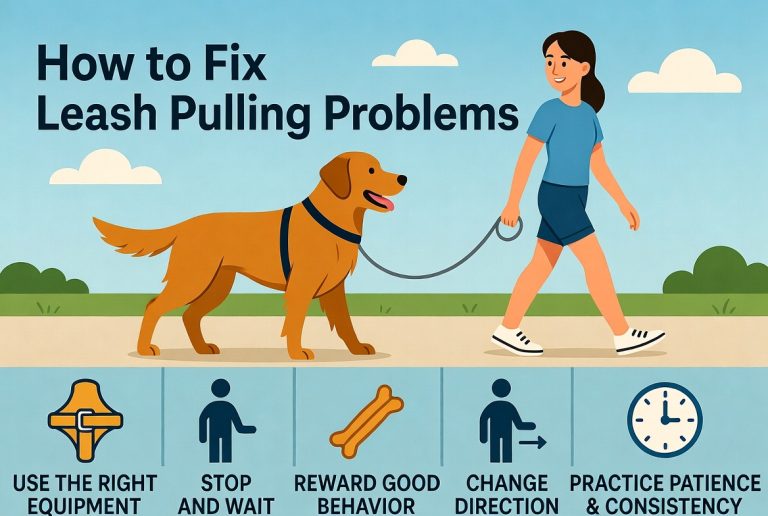
Pulling is the most common leash problem. Stop walking whenever your puppy pulls. Wait until the leash goes slack, then start walking again. This teaches your puppy that pulling gets them nowhere but walking calmly gets them where they want to go.
Your Puppy Eats Everything on the Ground
This is a safety issue and a training issue. Keep high-value treats on hand to redirect their attention. If your puppy goes for something dangerous, use a firm “leave it” command and reward them for listening.
Your Puppy Is Scared of the Collar or Leash
Go back to basics. Spend more time getting them comfortable with the equipment indoors. Never force the leash on an unwilling puppy. Let them associate it with treats and good things.
Your Puppy Gets Distracted Easily
This is actually normal for puppies. Use especially tasty treats to keep their attention. Practice in quieter areas first, then gradually introduce more distractions as your puppy gets better.
Building Off-Leash Obedience Starts Here
Something important to understand: good leash training is the foundation for eventual off-leash training. When your puppy learns to listen to you and stay near you while on a leash, they’re building the skills needed for off-leash control later.
Don’t skip the leash training phase hoping to jump straight to off-leash freedom. That doesn’t work. Your puppy needs months of practice with a leash before they can be trusted off one.
Real-World Tips from Puppy Owners
Start in Your Own Yard First
Your backyard is a safe practice space with fewer distractions. This builds confidence before hitting busier areas.
Make Leash Time Routine
Walk your puppy at the same times each day. This creates a predictable pattern that puppies love.
Keep Sessions Short and Positive
End on a good note, even if it’s just five minutes. Better to have five great minutes than a frustrating long walk.
Stay Relaxed
Puppies sense tension. Keep your shoulders relaxed, your pace steady, and your tone happy.
Practice in Different Environments
Once your puppy is doing well in your yard, practice in different places. A quiet street, a park, a friend’s property. Different environments teach your puppy to respond to you everywhere.
The Timeline You Can Expect
Here’s roughly what you can expect if you start leash training at the right time:
Weeks 1 to 2: Your puppy gets used to wearing a collar and leash indoors.
Weeks 3 to 4: Short walks in your yard, focused on rewarding your puppy for staying near you.
Weeks 5 to 8: Gradually longer yard walks and short neighborhood walks on quiet streets.
Months 3 to 4: Your puppy can handle longer walks and more distractions. They understand leash basics.
Months 5 to 6: Your puppy walks with pretty good leash manners. They still get distracted but generally stay near you.
Months 7 to 12: Reliable loose leash walking is becoming the norm. Your puppy responds to commands most of the time.
Remember: these are just guidelines. Every puppy develops at their own speed.
Final Thoughts on Getting Your Puppy Leash-Ready
The best time to start leash training is now. If your puppy is old enough to wear a collar safely, they’re old enough to start getting comfortable with one. You don’t have to wait for a magic age or perfect moment.
Start small, stay consistent, keep it fun, and celebrate progress. Your puppy will learn that walking on a leash next to you is the best thing ever. And you’ll develop a well-trained dog who’s a joy to walk around your neighborhood.
Remember, leash training isn’t about making your puppy obey. It’s about creating a positive experience where your puppy chooses to stay near you because being near you is awesome. That’s the real goal, and it’s absolutely achievable with patience, treats, and a whole lot of love.
Now get out there and start those leash training sessions. Your future walks will be so much better for it.