How to Tell If a Dog Is Sick?
Your dog can’t tell you when something hurts. That’s why learning to spot the signs of illness is so important. Dogs hide pain and sickness better than we think. Sometimes, the first hint of a problem comes from tiny changes in their behavior or body.
This guide will teach you the key warning signs that your pup might need a vet visit. We’ll cover everything from physical symptoms to behavior changes. By the end, you’ll feel confident spotting trouble early.
Why It Matters to Catch Illness Early
Dogs get sick fast. What seems like a small problem today can turn serious tomorrow. Early action saves money, stress, and sometimes lives.
When you catch illness early, treatment is easier. Your vet can handle the issue before it gets worse. Your dog suffers less pain and recovers faster.
Learning to read your dog’s body language is a superpower for pet parents. You know your dog better than anyone else. You’ll spot changes that a vet sees only once a week.
Changes in Your Dog’s Appetite
One of the first red flags is when your dog stops eating. A healthy dog gets excited about meals. If your pup walks away from the food bowl, something’s off.
Loss of appetite happens for many reasons. Dental pain, stomach trouble, or infections can all cause this. Your dog might feel nauseous or have no appetite at all.
Watch how your dog eats too. Do they chew on one side of their mouth? Are they dropping food while eating? This hints at dental problems or mouth pain.
Some dogs eat slower when sick. Others stop eating treats they normally love. These small changes matter.
Increased thirst is another clue. Your dog drinking much more water might mean kidney disease, diabetes, or infection. Keep an eye on their water bowl.
If your dog hasn’t eaten for more than 24 hours, call the vet. Not eating for that long can be serious.
Watch Their Bathroom Habits
Your dog’s poop and pee tell you a lot. Changes here are often the first sign something’s wrong.
Diarrhea is super common. Sometimes it’s nothing serious. But if it lasts more than a day or two, get it checked. Add blood or mucus to the mix, and you need a vet visit today.
Vomiting is another big warning. Once or twice might be fine. But repeated vomiting means your dog needs help. This can point to stomach issues, poisoning, or serious disease.
Pay attention to how often your dog pees. More bathroom trips mean they’re drinking more. Less frequent peeing might mean dehydration. Both need attention.
Straining to poop or pee is never normal. This suggests blockage, infection, or pain. Get your dog to a vet quickly if this happens.
Accidents in the house are a sign too. A housetrained dog having accidents means something’s wrong. This could be a urinary tract infection, digestive upset, or other health issues.
Body Temperature Problems
A fever shows your dog’s immune system is fighting something. But here’s the thing: dogs run hotter than us. Their normal body temp is 101 to 102.5 degrees.
You can feel for fever by touching your dog’s ears and paws. These areas should feel warm but not hot. A really hot nose or ears suggest fever.
The best way to check is a thermometer. Get one made for dogs. Stick it in your dog’s bottom for the most accurate reading. Yeah, it’s not fun, but it works.
A rectal temperature above 103 degrees means fever. This means infection or illness.
Hypothermia is the opposite problem. A temperature below 99 degrees is too low. Small dogs get cold easier than big ones. This is also serious.
If your dog feels very hot or cold, don’t wait. Call your vet right away.
Energy Level and Activity Changes
Sick dogs act tired and lazy. They might spend all day in bed. They won’t play or go for walks. They seem sad or withdrawn.
A healthy dog has bursts of energy. They want to play fetch. They get excited at walk time. If your dog stops doing these things, they might be sick.
Lethargy is one of the most common signs vets see. It means your dog’s body is using energy to fight illness. Your pup needs rest to heal.
Some dogs get the opposite problem. They become restless and anxious. They can’t settle down or relax. This also means something’s wrong.
Watch if your dog stops greeting you at the door. If they ignore playtime or don’t come when called, illness might be the reason.
Coughing and Breathing Issues
A cough now and then is normal. But coughing that lasts days needs attention.
Dry cough sounds like a hack. Wet cough sounds gurgly. Wet coughs suggest fluid in the lungs. This could be pneumonia or heart disease.
Excessive panting is another sign. Dogs cool off by panting, but too much means trouble. They might pant because of pain, anxiety, or heat exhaustion.
Labored breathing is serious. If your dog struggles to catch their breath, this is an emergency. Don’t wait to call the vet.
Wheezing or gasping means your dog can’t breathe right. Your dog might seem panicked. Get them help now.
Notice if your dog’s breathing sounds weird. Any unusual sound during breathing warrants a vet check.
Skin and Coat Issues
Your dog’s skin and coat show their health status. A healthy dog has a shiny coat and healthy skin.
Excessive scratching means trouble. It could be fleas, allergies, or skin infection. Your dog might lick or chew at their skin too much.
Hair loss is another red flag. Some shedding is normal. But bald spots or chunks of fur falling out is not. This hints at infection, parasites, or allergies.
Dry, flaky skin or greasiness suggest health problems. Your dog might smell bad or have oily fur. These signs point to skin disease or nutritional issues.
Lumps, bumps, or sores on the skin need checking. Some are nothing serious. Some are cancer. Only a vet can say for sure.
Red, swollen, or irritated skin areas are concerning. Rashes that spread quickly need attention. Your dog might have a skin infection.
Scabs or open wounds that don’t heal are signs of trouble too. These can get infected fast.
Eye and Ear Problems
Your dog’s eyes should be bright and clear. Cloudy eyes, discharge, or redness means something’s wrong.
Squinting suggests pain in the eye. Your dog might paw at their eye too. This needs a vet visit.
Swollen eyes or eyelids indicate infection or allergic reaction. Your dog’s vision could be affected.
Discharge from the eyes could be normal or serious. Clear discharge is usually fine. Yellow, green, or thick discharge needs a vet.
Ear infections are common in dogs. Signs include head shaking, scratching at ears, or foul odor from the ears. Your dog might tilt their head to one side.
Discharge from the ears or crusty buildup inside suggests infection. The ears might feel warm to the touch.
Hearing loss is harder to spot. If your dog stops responding to sounds they normally hear, something’s off.
Mouth and Tooth Problems
Bad breath is not just gross. It often means dental disease. Your dog’s breath should not smell terrible.
Red or swollen gums are a sign of dental infection. Your dog might avoid eating hard food. They might chew on one side of their mouth.
Loose or broken teeth need attention. Your dog might drool more than usual when having tooth pain.
Growths or lumps in the mouth could be tumors. These need a vet’s look right away.
Difficulty swallowing or drooling a lot can mean throat issues. Your dog might gag or choke while eating.
Pale gums are worrying too. Healthy gums are pink. Very pale gums might mean anemia or blood loss.
Joint and Mobility Issues
Limping is obvious. But subtle changes in movement matter too.
Your dog might be stiff when they first get up. They could have trouble climbing stairs or jumping on the couch. These suggest arthritis or joint pain.
Swollen joints feel puffy to the touch. Warm joints suggest inflammation. Pain on your dog’s legs or feet needs checking.
Some dogs shift weight from one leg to another. They might favor one side. This shows pain on the other side.
Collapsed rear legs or front legs dragging are serious. This could mean paralysis or spinal issues. Get emergency help now.
Reluctance to move, play, or walk indicates pain. Your dog might stand stiff or move slowly. They might yelp when touched.
Age doesn’t excuse these signs. Even young dogs can have joint problems. Some breeds are prone to hip dysplasia or other joint issues.
Behavioral Changes
Sick dogs act different. They might become aggressive when they never were before. Pain makes dogs grumpy and defensive.
Some dogs get clingy and needy. They follow you everywhere. They won’t leave your side.
Others hide away. They might retreat to their bed or a dark corner. Withdrawn behavior suggests your dog feels bad.
Confusion or disorientation is worrying. Your dog might seem lost in familiar places. They might bump into walls or wander in circles.
Anxiety spikes can happen too. Your dog might seem anxious or nervous for no clear reason.
Changes in sleep patterns matter. Does your dog sleep way more than usual? Or are they unable to settle and rest?
Whining or crying without reason shows pain or distress. Your dog is trying to tell you something.
When to Head to the Vet Right Away
Some signs mean your dog needs emergency care. Don’t wait. Go now.
Call immediately if:
- Your dog can’t breathe or is gasping for air
- Your dog has serious bleeding that won’t stop
- Your dog collapsed or can’t stand
- Your dog’s abdomen is bloated and hard
- Your dog is vomiting or having diarrhea with blood
- Your dog seems paralyzed
- Your dog’s eye looks cloudy or very red
- Your dog has a fever above 104 degrees
- Your dog ate something poisonous or you suspect it
- Your dog isn’t eating for more than 24 hours
- Your dog has repeated vomiting
- Your dog shows signs of extreme pain
Trust your gut. If something feels seriously wrong, go to the vet. Better to be safe.
Small Changes That Add Up
Sometimes sickness shows in subtle ways. One small change might mean nothing. But several small changes together spell illness.
Maybe your dog is eating slightly less and sleeping a bit more. Add in a small cough and you’ve got something worth checking out.
Your dog might have a loose stool and be a touch less playful. This combo suggests digestive trouble.
Pay attention to the whole picture. How is your dog acting overall? Any shifts from their normal self?
Home Care for Minor Issues
Not everything needs a vet right away. Some mild problems you can handle at home.
If your dog has mild diarrhea and is acting normal otherwise, try a bland diet. Boiled chicken and rice are easy on the stomach.
Keep your dog hydrated. Fresh water is critical. Some dogs need encouragement to drink when sick.
Rest helps dogs heal. Let them sleep and avoid strenuous activity.
Check your dog’s temperature if you think they have fever. Know what their normal is.
Remove any risky things from their area. Keep them in a quiet, comfortable space.
Monitor closely. If things don’t improve in a day or two, call the vet.
Regular Checkups Save Lives
The best way to catch illness early is regular vet visits. Your vet checks your dog’s overall health. They catch problems before they become emergencies.
Young, healthy dogs should see a vet once a year. Senior dogs (over 7 years) should go twice a year. They get sick more often.
Puppies need to go more often. Their immune systems are still building.
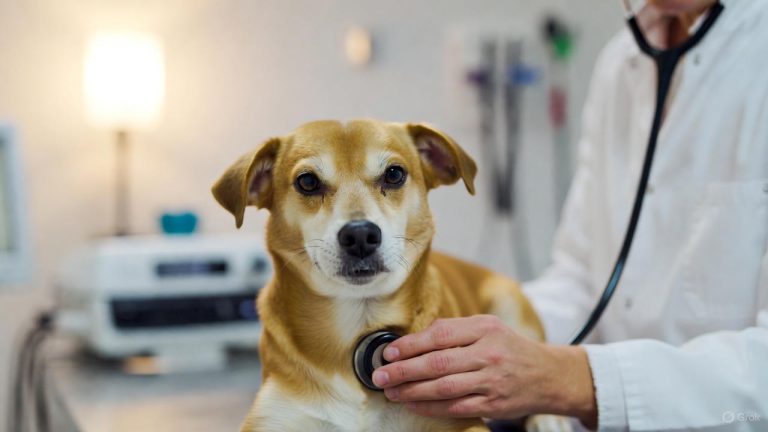
During checkups, your vet will feel for lumps, check teeth, listen to the heart and lungs, and look at eyes and ears. They’ll discuss any changes you’ve noticed.
These visits cost less than emergency vet visits. They also give peace of mind.
Keep Records
Track your dog’s health. Note when they seem off. Write down any symptoms you see.
Keep a record of vet visits and any treatments. Note what medicines your dog takes and when.
Some dog owners keep a health journal. Write down eating patterns, bathroom habits, and energy levels. This helps you spot trends.
If your dog gets sick often, these records help your vet see patterns. They’ll know what to look for and test for.
Know Your Dog’s Normal
Every dog is different. What’s normal for one might not be normal for another.
Some dogs are always lazy. Others are always bouncing around. Your job is to know what normal looks like for your pup.
Does your dog usually poop twice a day? Then once a day might signal trouble. Does your dog normally sleep 14 hours? Then 16 hours might be a concern.
The more you know your dog’s baseline, the faster you’ll spot changes.
Breed-Specific Health Issues
Some dog breeds face specific health problems. Small breeds often have dental issues. Large breeds struggle with hip dysplasia. Flat-faced breeds have breathing problems.
Know what health issues your dog’s breed is prone to. Watch for early signs of these problems.
Talk to your vet about breed-specific concerns. They can monitor for things your breed is at risk for.
Age and Health Risk
Puppies and young dogs usually stay healthy. Older dogs get sick more often.
Senior dogs are prone to arthritis, cancer, heart disease, and kidney issues. Watch them extra closely as they age.
If your dog has a chronic illness, know the warning signs for that condition. Your vet can teach you what to watch for.
When It’s Just Aging
Some changes in older dogs are just age. They might slow down. They might sleep more. Their muzzle might go gray.
But don’t assume everything is just aging. Illness in senior dogs often looks like aging. That’s why vet visits are so important.
Your vet can tell the difference between normal aging and illness. Regular checkups catch disease early.
Trust Your Instincts
You know your dog best. You spend the most time with them. If something feels wrong, it probably is.
Some pet parents ignore their instincts to save money or time. Don’t do this. Early vet visits cost less and save lives.
If your vet dismisses your concerns and you still feel something’s wrong, get a second opinion. Find a vet you trust.
Working With Your Vet
Build a good relationship with your vet. They should listen to your concerns and take you seriously.
Tell your vet everything. Even small details might matter. Your vet can’t help without the full picture.
Ask questions. A good vet will explain what they find and why. They’ll talk about treatment options and costs.
If your dog needs ongoing care, stay in touch with your vet. Report any changes. Follow their instructions closely.
Common Sick Dog Behaviors You Might Miss
Some signs are subtle. You might not realize they mean illness.
Does your dog suddenly hate the car? This could mean nausea from inner ear issues or other health problems.
Does your dog refuse to go up or down stairs? Joint pain or neurological issues could be the cause.
Is your dog’s personality changing? Friendly dogs becoming withdrawn or vice versa can signal illness or pain.
Does your dog resist being touched in certain spots? This often means pain in that area.
Pacing back and forth without purpose suggests discomfort or anxiety from illness.
Diet and Nutrition Matter
A good diet keeps your dog healthy. Poor nutrition can lead to sickness.
Your dog needs quality dog food with good protein. Cheap food often has fillers that aren’t healthy.
Some dogs do well on specialized diets. Senior dogs, puppies, and dogs with health issues might need special food.
Talk to your vet about your dog’s diet. They can suggest the best food for your dog’s age and health status.
Fresh water all day is non-negotiable. Your dog needs clean water constantly.
Supplements and Preventive Care
Some supplements help prevent illness. Joint supplements for large breeds. Probiotics for digestive health. Omega-3 for coat and skin.
Talk to your vet before giving supplements. Some can interact with medications.
Preventive care includes flea and tick treatment, heartworm prevention, and vaccinations. These keep your dog from getting serious diseases.
Don’t skip preventive care to save money. These measures cost far less than treating the diseases they prevent.
Stress and Its Health Impact
Stress makes dogs sick. High-stress situations weaken immunity.
Changes at home, loud noises, or separation anxiety can stress your dog. Stressed dogs are more prone to illness.
Help your dog stay calm. Stick to routines. Provide a safe space. Use calming products if needed.
Some dogs get sick right after stressful events. This is normal. But keep an eye out for lingering symptoms.
When Your Dog Gets Older
As your dog ages, health monitoring becomes even more important.
Senior dogs need more frequent vet visits. They need bloodwork to catch kidney or liver disease early.
Age-related issues like arthritis and cognitive dysfunction become common. These need management.
Pain in older dogs is common but manageable. Ask your vet about pain relief options.
Keep your senior dog comfortable. Provide soft bedding, ramps for stairs, and easy access to food and water.
Final Thoughts
Learning to spot sickness in your dog is one of the best things you can do as a pet parent. You’ll catch problems early. You’ll get your dog help fast.
Remember the main signs: changes in appetite or bathroom habits, fever, lethargy, coughing, skin issues, eye or ear problems, and behavioral changes.
Pay attention to your dog daily. Know what normal looks like for them. Notice when things change.
If something seems off, call your vet. It’s never wrong to ask for advice. That’s what your vet is there for.
Your dog depends on you. By learning these signs and staying vigilant, you’re giving your pup the best chance at a long, healthy life. That’s the real goal of being a good pet parent.
Go ahead and give your dog a hug. They’re lucky to have someone who cares enough to learn how to keep them healthy.