How to Feed Goldfish?
Goldfish are one of the most popular pets in the world, and for good reason. These beautiful creatures bring life and color to any home. But here’s the thing – many people don’t know how to feed them properly. I’ve seen countless goldfish suffer from overfeeding, malnutrition, and diet-related diseases simply because their owners didn’t have the right information.
Feeding goldfish isn’t rocket science, but it does require some knowledge and attention. Your fish depend on you completely for their nutrition. Get it right, and they’ll live for years, even decades. Get it wrong, and you’ll face sick fish, cloudy water, and heartbreak.
This guide will walk you through everything you need to know about goldfish nutrition, feeding schedules, food types, and common mistakes to avoid.
Why Proper Goldfish Nutrition Matters
Your goldfish’s diet affects every aspect of their health. Good nutrition supports their immune system, helps them grow properly, and keeps their colors vibrant. Poor nutrition does the opposite – it weakens their bodies, stunts their growth, and makes them vulnerable to disease.
Goldfish have specific dietary needs that differ from other fish. They’re omnivores, which means they eat both plant and animal matter in the wild. In your tank or pond, you need to replicate this varied diet as closely as possible.
The right feeding routine also keeps your water clean. Overfeeding is the number one cause of poor water quality in goldfish tanks. Uneaten food breaks down and releases ammonia, which is toxic to fish. By feeding the correct amount, you’ll maintain better water conditions and spend less time cleaning.
Types of Goldfish Food You Should Know About
Walk into any pet store and you’ll see dozens of fish food options. The variety can feel overwhelming. Let me break down the main types and when to use each one.
Flakes and Pellets
Flakes are the most common goldfish food. They’re convenient and affordable. Most goldfish will eat them readily. The problem is that flakes lose their nutritional value quickly once you open the container. They also make it easy to overfeed because they’re so light and fluffy.
Pellets are a better option for most goldfish owners. They sink slowly, giving your fish time to eat them before they reach the bottom. Pellets also hold their nutritional value longer than flakes. You can find floating pellets and sinking pellets – both work well, but many goldfish keepers prefer sinking pellets because they’re easier to portion control.
Look for pellets or flakes specifically formulated for goldfish. These contain the right balance of protein, fiber, and other nutrients that goldfish need. Generic tropical fish food won’t cut it.
Gel Food
Gel food is becoming more popular among serious goldfish enthusiasts. You mix the powder with water, let it set, and cut it into portions. This food mimics the natural, water-based diet that goldfish would eat in the wild. It’s easy to digest and produces less waste than dry foods.
The downside? Gel food takes more effort to prepare. You need to make batches ahead of time and store them in your refrigerator or freezer.
Live and Frozen Foods
In their natural habitat, goldfish eat insects, larvae, small crustaceans, and other protein sources. Live and frozen foods give your goldfish these same benefits in captivity.
Brine shrimp, bloodworms, and daphnia are excellent treats. These foods boost protein intake and make your fish more active. Frozen foods are safer than live ones because they don’t carry parasites or diseases.
Feed these protein-rich foods 2-3 times per week, not every day. Too much protein can cause digestive problems and water quality issues.
Vegetables and Plant Matter
Here’s something many goldfish owners don’t know – goldfish need vegetables in their diet. In ponds and rivers, they nibble on aquatic plants constantly. This plant matter provides fiber that helps digestion.
You can feed your goldfish blanched peas (remove the shell first), lettuce, spinach, cucumber, and zucchini. Blanching means you briefly boil the vegetables to soften them, then let them cool. This makes them easier for goldfish to eat and digest.
Peas are particularly helpful if your goldfish shows signs of constipation or swim bladder problems. The fiber helps clear their digestive system.
How Much Food Do Goldfish Actually Need?
This is where most people go wrong. Your goldfish will act hungry all the time. They’ll swim to the surface and beg whenever they see you. Don’t fall for it! Goldfish don’t have stomachs like mammals do. Their digestive system is basically a long tube, and they can’t tell when they’re full.
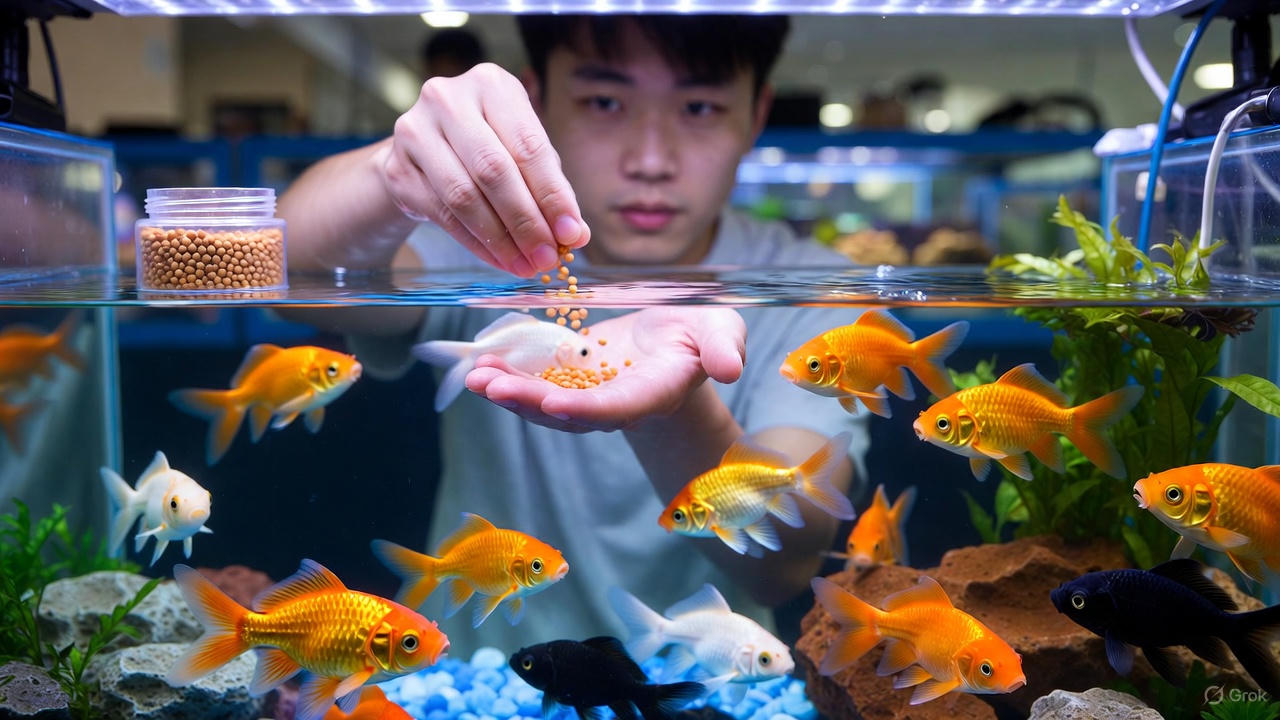
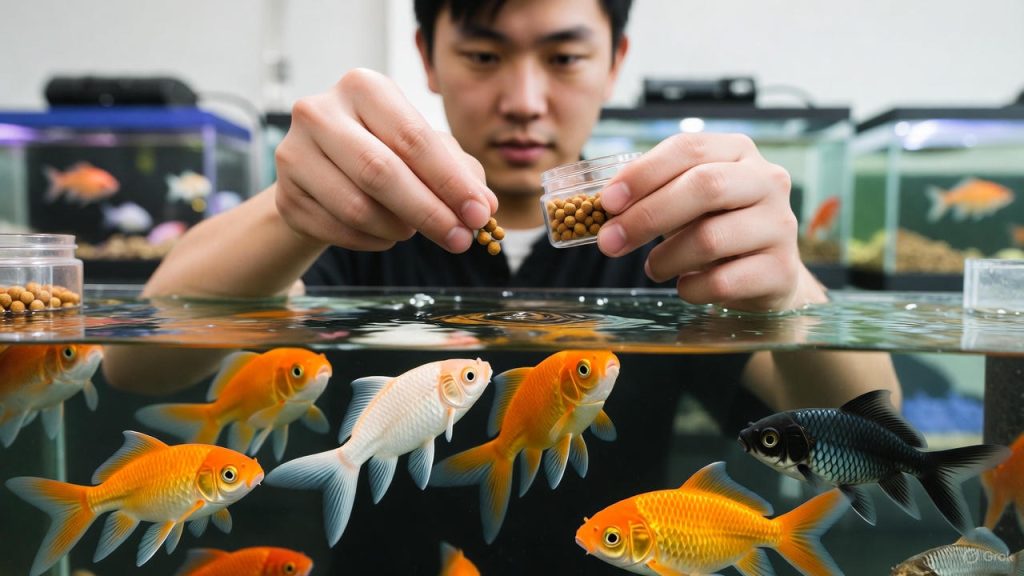
The standard rule is to feed only what your goldfish can eat in 2-3 minutes. If you’re using pellets, count them out. A good starting point is 2-3 pellets per inch of fish body length. So a 3-inch goldfish gets about 6-9 pellets per feeding.
Start with less rather than more. You can always add food, but you can’t remove it once it’s in the water. Watch your fish eat and adjust portions based on what you observe.
Creating the Perfect Feeding Schedule
Consistency matters when feeding goldfish. Set regular times for meals and stick to them. Your fish will adjust their internal clock to expect food at these times.
Most adult goldfish do well with two feedings per day – once in the morning and once in the evening. Space these meals at least 8-12 hours apart. This gives their digestive system time to process the food.
Young goldfish and fry need more frequent feedings. Feed juvenile goldfish 3-4 times daily with smaller portions. They’re growing rapidly and need more energy.
During winter months, if your goldfish live in an outdoor pond, their metabolism slows down dramatically. When water temperatures drop below 50°F (10°C), reduce feeding to once every few days or stop completely. Goldfish enter a dormant state in cold water and can’t digest food properly.
In warmer months, when goldfish are most active, you might increase feeding slightly. But be careful not to overdo it. Even active goldfish don’t need huge amounts of food.
The Biggest Feeding Mistakes People Make
I’ve talked to hundreds of goldfish owners over the years. The same mistakes come up again and again. Avoid these pitfalls and your fish will thrive.
Overfeeding Is Killer Number One
This can’t be stressed enough. More goldfish die from overfeeding than any other cause. Excess food pollutes the water, spikes ammonia and nitrite levels, and causes obesity in fish. An overfed goldfish develops a swollen belly, becomes lethargic, and faces serious health problems.
If you see food sitting on the bottom of your tank five minutes after feeding, you’re giving too much. Remove the excess food with a net or siphon.
Using Old or Low-Quality Food
Fish food has an expiration date for a reason. Vitamins break down over time, especially once you open the container. Buy food in small containers that you’ll use within 2-3 months. Store it in a cool, dry place with the lid sealed tight.
Cheap fish food often contains more filler and less nutrition. Your fish might eat it, but they won’t get what they need. Invest in quality food from reputable brands. Your fish’s health is worth the extra few dollars.
Feeding Only One Type of Food
Imagine eating nothing but cereal for every meal. You’d be missing out on important nutrients, right? The same goes for your goldfish. They need variety to stay healthy.
Rotate between pellets, gel food, vegetables, and protein treats. This varied diet ensures your goldfish get all the vitamins, minerals, and nutrients they need.
Ignoring Individual Fish Needs
Not all goldfish eat at the same speed. In a community tank, faster fish might gobble up all the food before slower fish get their share. Watch during feeding time to make sure everyone eats.
If you have shy or slow eaters, try feeding in multiple spots around the tank. This spreads out the food and gives every fish a chance to eat.
Not Adjusting for Tank Size and Filtration
A heavily filtered tank processes waste more efficiently than a small bowl with no filter. If your tank has excellent filtration and regular water changes, you have a bit more flexibility with feeding. In a small, poorly filtered tank, you need to be extra careful about portions.
Special Considerations for Different Goldfish Varieties
Fancy goldfish – those with round bodies, double tails, and unique features – have different needs than common or comet goldfish. Their body shape makes them slower swimmers and more prone to digestive issues.
Feed fancy goldfish sinking pellets. These fish struggle to gulp air from the surface, which can cause swim bladder problems. Sinking food keeps them feeding at a natural depth.
Fancy goldfish also benefit from more frequent, smaller meals rather than two larger ones. Their compressed bodies don’t digest food as efficiently as streamlined goldfish.
Single-tailed goldfish like comets and common goldfish are more active and can handle a wider range of feeding styles. They’ll chase down floating food without problems.
How to Tell If You’re Feeding Correctly
Your goldfish will show you if their diet is working. Here’s what to look for:
Healthy goldfish are active and alert. They swim around exploring their environment, not sitting on the bottom looking sluggish. Their colors should be bright and vibrant. Faded colors often indicate poor nutrition or stress.
Check their body shape regularly. A healthy goldfish has a smooth, torpedo-like shape (or rounded in fancy varieties). You shouldn’t see a sunken belly, which indicates underfeeding, or a bloated body, which suggests overfeeding.
Your fish should produce normal waste. Goldfish poop should be dark and compact. Long, stringy, or white feces indicate digestive problems, often from poor diet or overfeeding.
Water quality tells you a lot too. If you’re constantly battling cloudy water, high ammonia, or algae blooms, you’re probably overfeeding. Test your water parameters weekly to catch problems early.
Feeding Goldfish in Different Seasons
Temperature dramatically affects goldfish metabolism. In outdoor ponds, you’ll see huge changes in feeding needs throughout the year.
During spring and fall, when temperatures are moderate (60-70°F or 15-21°C), goldfish maintain a normal appetite. Feed them twice daily as usual.
Summer brings peak activity. Goldfish eat more in warm water (70-80°F or 21-27°C) because their metabolism runs faster. You might increase portions slightly, but watch water quality closely. Warm water holds less oxygen, so don’t create extra waste with overfeeding.
Winter changes everything. When temperatures drop below 50°F (10°C), goldfish enter semi-hibernation. Their digestive system slows to a crawl. Stop feeding when water reaches 50°F and don’t resume until spring temperatures stabilize above this point.
Indoor aquarium goldfish don’t experience these dramatic temperature swings, so they can eat year-round. But even indoor fish might be slightly less active in winter if your home temperature drops.
Treats and Supplements for Optimal Health
Beyond regular meals, certain treats and supplements can boost your goldfish’s health. Think of these as vitamins or special snacks, not daily requirements.
Spirulina is a type of algae packed with nutrients. Many goldfish foods contain spirulina, but you can also buy it separately as flakes or powder. It enhances color and supports immune function.
Garlic extract is a powerful immune booster. Some fish food contains garlic, or you can soak regular food in garlic juice before feeding. Many fish keepers swear by garlic for preventing disease.
Vitamin supplements designed for fish can fill nutritional gaps. Use these sparingly, according to package directions. Over-supplementation can be as harmful as deficiency.
Fresh treats like bloodworms or brine shrimp once or twice a week add excitement to your fish’s routine. They’ll become more active and show more natural behaviors when they hunt for these foods.
Feeding Baby Goldfish and Fry
If you’re breeding goldfish or caring for babies, feeding becomes even more critical. Fry need tiny, frequent meals to survive and grow.
For the first few days, goldfish fry survive on their yolk sac. Once that’s absorbed, they need microscopic food. Infusoria – tiny organisms that grow in aged aquarium water – are the first food. You can culture infusoria by leaving lettuce or other vegetables in a jar of tank water.
After about a week, fry can eat newly hatched brine shrimp. These provide excellent nutrition for growing fish. As the fry grow larger, transition them to finely crushed flakes or specialized fry food.
Feed fry 4-6 times daily in very small amounts. Their tiny bodies need constant fuel to grow. Keep the tank clean with frequent water changes because all this feeding creates waste.
Vacation Feeding Solutions
What happens when you go away for a few days or weeks? Don’t worry – goldfish can actually go without food longer than you think.
For trips up to a week, adult goldfish will be fine without food. Seriously. They might lose a little weight, but they won’t starve. This is safer than overfeeding before you leave or using automatic feeders incorrectly.
For longer trips, you have several options. Automatic feeders work if you set them up properly and test them for several days before leaving. Make sure they dispense the right amount and don’t jam.
Vacation feeding blocks are sold in pet stores, but be cautious with these. They often cloud water and many goldfish won’t eat them. If you use one, test it first while you’re home.
The best option for extended vacations is having a knowledgeable friend or neighbor feed your fish. Prepare pre-measured portions in pill organizers or small bags. Leave clear instructions: “Feed one portion per day only. Do not feed extra even if the fish look hungry!”
Troubleshooting Common Feeding Problems
Even experienced fish keepers run into feeding issues. Here’s how to solve the most common problems.
If your goldfish refuses to eat, first check water parameters. Ammonia, nitrite, or extreme pH can suppress appetite. Test your water and make corrections if needed. Temperature problems can also affect eating – make sure water is in the proper range.
Sometimes goldfish get bored with the same food. Try offering something different. If they’ve been eating only pellets, introduce some vegetables or frozen food.
A bloated goldfish needs immediate attention. Stop feeding for 2-3 days to let their digestive system clear. When you resume feeding, offer blanched peas first. If bloating persists, you might be dealing with a swim bladder disorder that needs medication.
For goldfish that produce excessive waste or cloudy water, reduce feeding amounts. Cut portions in half and see if water quality improves. You might be feeding more than your filtration can handle.
Building a Balanced Weekly Feeding Plan
Let me give you a practical weekly schedule that works for most goldfish:
Monday Morning: Quality pellets (2-3 per inch of fish)
Monday Evening: Gel food or pellets
Tuesday Morning: Pellets
Tuesday Evening: Blanched vegetables (peas or spinach)
Wednesday Morning: Pellets
Wednesday Evening: Frozen bloodworms or brine shrimp
Thursday Morning: Pellets
Thursday Evening: Pellets with spirulina
Friday Morning: Pellets
Friday Evening: Vegetables
Saturday Morning: Pellets
Saturday Evening: Frozen protein treat
Sunday Morning: Pellets
Sunday Evening: Pellets or fast day (skip this feeding once a week)
This schedule provides variety while keeping things simple. You can adjust based on what foods you have available and what your fish prefer.
The Connection Between Diet and Longevity
Goldfish can live 10-20 years or even longer with proper care. Diet plays a massive role in reaching this potential. Wild goldfish and pond goldfish typically live longer than those in tanks partly because they have more varied diets and natural feeding behaviors.
Consistent, appropriate feeding prevents obesity, organ damage, and immune system problems. It maintains clear water, which reduces stress and disease. Proper nutrition supports every body system from gills to fins to internal organs.
Think of feeding as a long-term investment in your fish’s health. The few extra minutes you spend preparing varied foods and monitoring portions pay off in years of companionship with healthy, vibrant goldfish.
Final Thoughts on Goldfish Nutrition
Feeding goldfish right isn’t complicated, but it does require attention and consistency. Remember the core principles: feed small amounts twice daily, offer variety, watch your fish and water quality, and resist the urge to overfeed.
Your goldfish count on you for everything. They can’t tell you when something’s wrong until it’s serious. By following the guidelines in this article, you’ll give your fish the nutrition they need to thrive.
Start with quality food, establish a routine, and adjust based on what you observe. Every tank is different, and every fish has unique needs. Stay observant, be patient, and enjoy watching your goldfish grow healthy and strong.
The relationship between you and your goldfish deepens when you understand their needs. Feeding time becomes more than a chore – it’s a chance to connect with your aquatic pets and ensure they’re living their best lives. Take pride in giving them the care they deserve, and they’ll reward you with years of beauty and companionship.

Hi, I’m Mary, the founder of PetGadgetPro.com. I’m a passionate pet lover with a special place in my heart for dogs and cats. I share practical advice and honest insights on pet gear to help pet parents make better choices. My dedicated research team studies products in depth, and our writers create reviews using trusted, authentic sources—so you can feel confident choosing the best for your pets.