
How to Get a Dog to Stop Whining?
Does your dog whine all day long? You’re not alone. Dog whining is one of the most common behavior problems that pet owners face. It can be annoying, frustrating, and sometimes heartbreaking. But here’s the good news: you can teach your dog to stop whining with patience and the right techniques.
In this guide, we’ll cover everything you need to know about dog whining. We’ll talk about why dogs whine, what it means, and how to fix the problem. Let’s get started.
Why Do Dogs Whine?
Before you can stop your dog from whining, you need to understand why your dog is doing it in the first place. Dogs don’t whine for no reason. Whining is a form of communication. Your dog is trying to tell you something.
Dogs whine for many different reasons. Some of the most common causes include:
Pain and Discomfort
One of the first things to check is whether your dog is in pain. Dogs whine when something hurts. If your dog suddenly starts whining more than usual, take them to the vet right away. Your vet can rule out any medical issues.
Pain could be from an injury, an ear infection, or dental problems. Even something small like a thorn in their paw can cause whining. Always check your dog’s body for any signs of injury.
Anxiety and Stress
Dogs whine when they feel anxious or stressed. Separation anxiety is very common. Your dog might whine when you leave the house. They might whine when you’re getting ready to leave. Loud noises, thunderstorms, and fireworks can also trigger anxiety whining.
Some dogs also have generalized anxiety. They whine for hours without a clear reason. This type of whining often needs professional help from a dog trainer or behaviorist.
Attention Seeking
Dogs are smart. They learn that whining gets your attention. If you respond to whining by talking to your dog, petting them, or playing with them, you’re actually rewarding the behavior. Your dog will whine more because it works.
Attention-seeking whining is very common in young dogs and dogs that don’t get enough exercise or mental stimulation. These dogs whine because they want something from you—playtime, treats, walks, or just your attention.
Excitement
Sometimes dogs whine because they’re excited. Your dog might whine when you come home from work. They might whine when you pick up their leash for a walk. They might whine when you open the treat container. This type of whining is just your dog expressing their enthusiasm.
Asking for Something
Your dog might whine because they want something specific. They might want food, water, a toy, or to go outside. Dogs learn that whining can communicate their needs. If you always respond by giving them what they want, they’ll keep whining.
Frustration
Dogs whine when they’re frustrated. Your dog might whine if they can’t reach a toy. They might whine if they want to play with another dog but can’t get to them. They might whine if they want to go outside but the door is closed.
How to Identify What Type of Whining Your Dog Has
The key to stopping dog whining is figuring out what type of whining your dog is doing. Different types need different solutions.
Keep a whining journal for a few days. Write down:
- What time your dog whined
- How long the whining lasted
- What your dog was doing before the whining started
- What you were doing when the whining happened
- How the whining ended
This information will help you spot patterns. Once you see the pattern, you’ll know what’s causing the whining.
For example, if your dog only whines in the afternoon when you usually leave the house, it’s probably separation anxiety. If your dog whines every time you eat a meal, it’s probably attention-seeking or asking for food.
Medical Issues to Rule Out First
Before you start behavior training, always check with your vet. Pain-related whining needs medical treatment, not behavior modification.
Schedule a checkup with your veterinarian. Tell them that your dog is whining. They can do a thorough exam to rule out:
- Injuries or trauma
- Ear infections
- Dental disease
- Urinary tract infections
- Allergies or skin issues
- Joint problems or arthritis
- Digestive problems
If your vet rules out medical issues, you can move forward with behavior training.
How to Stop Attention-Seeking Whining
Attention-seeking whining is probably the most common type. The good news is that it’s also one of the easiest to fix.
Ignore the Whining
The most important rule is this: do not respond to whining. Don’t talk to your dog. Don’t look at your dog. Don’t pet your dog. Don’t give them a treat. Ignoring means complete silence and no eye contact.
This might seem harsh, but it’s not. You’re teaching your dog that whining doesn’t work. When your dog stops whining, that’s when you give attention.
Wait for Quiet Before You Respond
Only interact with your dog when they’re quiet. Wait for a moment of silence. Even just a few seconds of quiet is enough. Then praise your dog enthusiastically. Give them treats. Play with them. This teaches your dog that quiet behavior gets them what they want.
Be Consistent
Everyone in your household needs to follow these same rules. If you ignore the whining but your partner responds to it, the training won’t work. Your dog will learn that they just need to whine louder or longer.
Exercise and Mental Stimulation
Many dogs whine because they’re bored or have excess energy. Exercise your dog more. Take them for longer walks. Play fetch. Go to the dog park. Let them run around.
Mental stimulation is just as important as physical exercise. Give your dog puzzle toys, interactive toys, and chew toys. Teach them new tricks. Sniff games are great for mental stimulation. Hide treats around the house and let your dog find them.
A tired dog is less likely to whine.
Redirect to a Toy or Activity
When your dog starts to whine, redirect them to a toy or another activity. Toss a toy across the room. Start a game. Give them a puzzle toy. Keep their mind busy.
How to Stop Separation Anxiety Whining
Separation anxiety whining is different from attention-seeking whining. Your dog whines because they panic when you leave. This is a serious issue that needs careful handling.
Start Small
Don’t leave your dog alone for hours right away. Start with just a few seconds. Leave the room for 5 seconds. Come back. Don’t make a big deal about it. Then gradually increase the time.
Go up slowly:
- 5 seconds
- 10 seconds
- 30 seconds
- 1 minute
- 5 minutes
- 10 minutes
- 30 minutes
- 1 hour
This process takes time, but it works.
Don’t Make Leaving or Coming Home a Big Deal
Don’t give your dog lots of attention when you leave or when you come home. Keep your departures calm and boring. Don’t hug them. Don’t make eye contact. Just leave.
When you come home, wait until your dog is calm before you greet them. If they’re whining or jumping, ignore them until they settle down.
Create a Safe Space
Give your dog a safe, comfortable space where they can stay when you’re gone. This could be a crate, a room, or a specific area of your home. Make this space positive and comfortable. Put toys, treats, and soft bedding there.
Never use the space as punishment. Your dog should want to be in their safe space.
Use Background Noise
Leave calm music or white noise playing when you leave. This can help mask outside sounds that might trigger anxiety. It also makes the silence less scary.
Leave Calming Treats or Toys
Give your dog a special chew toy or long-lasting treat that they only get when you leave. This gives them something positive to focus on. Kong toys filled with peanut butter work well. Dental chews are good too.
Consider Anti-Anxiety Aids
Talk to your vet about calming aids. Some options include:
- Pheromone sprays or diffusers
- Anxiety wraps or thunder shirts
- CBD products (check with your vet first)
- Calming supplements
- Prescription anxiety medication
These can help while you’re working on the training.
Practice Departure Cues
Your dog might whine because they’ve learned what your leaving cues mean. Your keys jingling, putting on shoes, or picking up your wallet might trigger anxiety.
Practice these cues without actually leaving. Jingle your keys and then sit down. Put on your shoes and watch TV. Grab your wallet and stay home. After doing this many times, your dog will stop associating these cues with your departure.
Work with a Professional
Separation anxiety can be tough to handle alone. A certified dog trainer or veterinary behaviorist can create a specific plan for your dog. They can also rule out underlying issues.
How to Stop Excitement Whining
Excitement whining happens when your dog is happy. This is less of a problem than other types of whining, but you might still want to manage it.
Stay Calm
Don’t get excited when your dog gets excited. Keep your energy level calm. Wait for your dog to calm down before you give them attention.
Use Commands
Teach your dog a “sit” or “down” command. When they start to whine with excitement, ask them to sit or lie down first. Only then do you pet them or play with them.
Practice at Trigger Times
If your dog whines with excitement when you come home, practice calm greetings. Come home and completely ignore your dog until they’re calm. This might take a while at first, but it works.
How to Stop Frustration Whining
Frustration whining happens when your dog wants something but can’t have it.
Give Them What They Want (Sometimes)
If your dog whines because they want to go outside, let them outside. You don’t want to teach them that they can’t ever have what they want.
The key is timing. Only let them out when they’re quiet, not when they’re whining. Wait for a moment of quiet, then open the door.
Increase Their Opportunities
Give your dog more chances to get what they want. If they frustrate easily, increase outdoor time. Increase playtime with other dogs. Increase access to toys.
Manage the Environment
Set up your environment so they can get what they want more easily. Leave toys out where they can reach them. Leave doors open so they can go outside more freely. Use baby gates to block areas instead of closed doors.
Training Techniques That Actually Work
Here are some proven training methods to reduce dog whining:
The “Quiet” Command
Teach your dog the “quiet” command. Start by letting your dog whine. Then say “quiet” and immediately do something interesting—show them a toy, make a sound, or offer a treat. When they stop to look at you, praise and reward them.
Eventually, they’ll learn that “quiet” means to stop whining.
Positive Reinforcement
Always reward your dog when they’re quiet. Use treats, toys, or praise. This is much more effective than punishment.
Never yell at your dog for whining. Yelling is actually a form of attention, and it can make the whining worse.
Desensitization
If your dog whines at specific triggers, you can desensitize them. Slowly expose them to the trigger at a low level while rewarding calm behavior.
For example, if your dog whines at other dogs, practice being near other dogs at a distance where your dog stays quiet. Reward heavily. Gradually decrease the distance over many sessions.
Crate Training
A properly crate-trained dog can be a game-changer. Your dog will see the crate as a safe space, not a punishment.
Introduce the crate slowly. Leave treats inside. Feed meals in the crate. Make it positive. Only close the door for short periods at first.
A crate gives your dog a safe place to be and can prevent attention-seeking whining.
What NOT to Do
Here are common mistakes that actually make whining worse:
Don’t Yell or Punish
Yelling at your dog when they whine doesn’t work. Your dog sees this as attention. Even negative attention is still attention. Punishment can also increase anxiety, making the whining worse.
Don’t Reward Whining
This is the biggest mistake people make. They respond to whining because they can’t stand the sound. But every time you respond, you’re teaching your dog that whining works.
Don’t Assume It’s Normal
Some people just accept whining as normal dog behavior. It doesn’t have to be. Most whining can be fixed with training.
Don’t Wait for It to Go Away on Its Own
Whining usually gets worse over time if you don’t address it. The longer you ignore the problem, the harder it is to fix.
Don’t Give Up Too Soon
Training takes time. You might not see results for weeks or months. Stay consistent and be patient.
Daily Tips to Reduce Whining
Here are some practical things you can do every day:
Exercise Your Dog Daily
A well-exercised dog whines less. Aim for at least 30 minutes to 1 hour of exercise daily, depending on your dog’s age and breed.
Provide Mental Stimulation
Puzzle toys, sniff games, and training sessions keep your dog’s brain busy. A busy brain means less whining.
Stick to a Routine
Dogs like routine. Feed them at the same time. Walk them at the same time. This reduces anxiety and whining.
Keep Your Dog Comfortable
Make sure your dog has a comfortable place to sleep, access to fresh water, and a calm environment.
Spend Quality Time
Play with your dog. Train them. Go on adventures. Quality time strengthens your bond and reduces anxiety.
When to Call a Professional
You might need professional help if:
- Your dog’s whining is severe or constant
- The whining is getting worse despite your efforts
- You think your dog might have separation anxiety
- Your dog whines for hours every day
- You’re feeling frustrated or overwhelmed
A certified dog trainer or veterinary behaviorist can create a customized plan for your dog. They can also help rule out medical issues or behavioral problems that you might have missed.
Common Questions About Dog Whining
How long does it take to stop dog whining?
It depends on the cause and severity. Attention-seeking whining can improve in days or weeks. Separation anxiety might take months. Stay consistent and be patient.
Is whining a sign of aggression?
Whining by itself is not aggressive. However, whining combined with growling or other aggressive signs needs professional attention immediately.
Can you use a shock collar to stop whining?
No. Shock collars can increase anxiety and make whining worse. They can also be dangerous. Positive training methods work better and are safer.
Should I crate my dog to stop whining?
A crate can help, but only if your dog is properly crate-trained and sees the crate as a safe space. Never use the crate as punishment.
Why does my dog whine in the car?
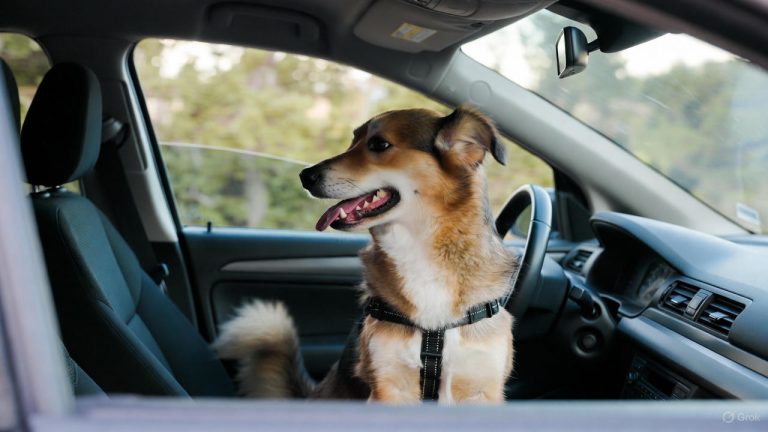
Car whining can be from excitement, anxiety, motion sickness, or a desire to see outside. Gradually get your dog used to the car. Use calming aids if needed. Always use a crash-tested harness or carrier for safety.
Can older dogs learn to stop whining?
Yes. Dogs of any age can learn. Training might take longer with older dogs, but it’s possible.
Is whining worse at certain ages?
Puppies whine more because they’re still learning communication. Adult dogs might whine due to learned behavior. Senior dogs might whine due to pain or cognitive changes.
The Bottom Line
Dog whining is fixable. You just need to understand what’s causing it, be consistent with your training, and be patient. Most dogs can learn to whine less.
The most important thing is to stop rewarding whining with attention. Ignore it. Reward quiet behavior instead. This one principle can fix most whining problems.
If your dog is whining due to pain or severe anxiety, work with your vet or a trainer. But for most cases, consistency and patience will get you results.
Your dog is trying to communicate something. Once you figure out what they’re saying, you can address the real issue. And that’s when the whining stops.
Remember: you can do this. Thousands of dog owners have solved the whining problem. You can too. Good luck with your training.
Key Takeaways
- Whining is communication: Your dog is trying to tell you something. Find out what it is.
- Rule out medical issues first: Always have a vet check your dog before starting behavior training.
- Ignore attention-seeking whining: Don’t respond to whining. Only reward quiet behavior.
- Exercise and mental stimulation help: A tired dog whines less.
- Be consistent: Everyone in your household needs to follow the same rules.
- Patience is key: Training takes time. Don’t give up.
- Get professional help if needed: A trainer or behaviorist can create a customized plan.
Ready to help your dog stop whining? Start today. Pick one technique and stick with it. You’ll see results.