5 Best Dog Boots For Hot Pavement In 2026
As an Amazon Associate we earn from qualifying purchases.
Hot pavement can burn a dog’s paw pads in just a few minutes on a sunny day. That is why many owners look for the best dog boots for hot pavement before summer walks begin. This guide helps beginners understand what these boots do, how they differ, and which type may suit a particular dog and routine.
The three products in this round-up share a few common traits. Each one is a dog boot or bootie designed to cover the paw, add some grip, and protect against heat, rough ground or wet conditions. This comparison rests on the listed features and typical use of each product, not on personal testing.


1. Ruffwear: best for trail-style grip and all-season protection
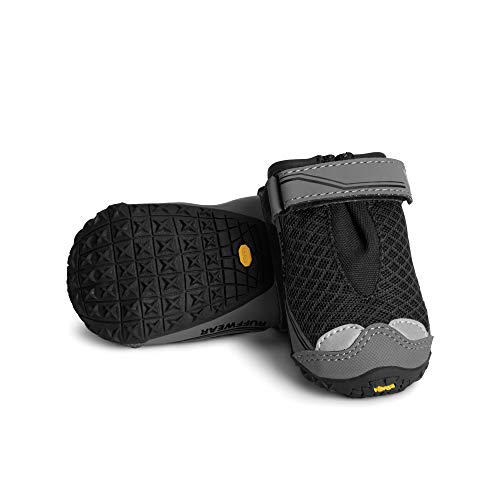
The Ruffwear boot is a pair-sold dog shoe built for active dogs who spend time on varied ground. It suits owners who hike, walk on mixed surfaces, or want one boot that handles both heat and snow. Because it is sold in pairs, you can choose different sizes for the front and back paws.
Key features in plain words
The sole uses Vibram outsoles, a rubber compound known for good traction. This helps the dog keep footing on hot pavement, slick tile and rocky trails. The upper is made of a ripstop fabric, a woven material that resists tearing and is meant to block heat, snow, salt and moisture.
Fit and staying on
Adjustable hook-and-loop straps wrap around the ankle to hold the shoe in place. The shape is described as ergonomic, meaning it follows the natural form of the paw. Owners of strong pullers or energetic dogs often focus on this point, since a loose boot can slip off mid-run.
Daily use and sizing
In everyday use, a boot like this usually takes a little patience to put on the first few times. Sizing matters more here, so the product offers a sizing chart and a how-to-fit video to help owners measure paws correctly. A good fit tends to bring more comfort and control.
Performance and ease of use
The rugged sole and secure strap system point toward strong performance on uneven ground. Putting the boot on takes a bit more steps than a simple slip-on design. Owners who want quick, no-fuss outings may find the strap system slightly slower.
Value for money
At the listed price, this is one of the higher-priced options in the round-up. The value case rests on its trail-grade sole and all-season use. Buyers who only need protection for short walks on pavement may find a lower-cost option meets their needs.
Pros
- Vibram outsole gives strong non-slip traction on many surfaces
- Sold in pairs, so front and back sizes can differ
- Adjustable straps help keep the boot in place during active play
- Ripstop upper is designed to resist heat, snow, salt and moisture
Cons
- Higher price than many basic booties in this round-up
- Strap system takes more time to put on than a slip-on design
- Sizing needs careful paw measurement to get the right fit
- Trail-focused build may feel more than needed for light city walks
2. Dog Shoes: best for lightweight comfort and everyday walks
This SUNAYA dog boot is a lightweight option aimed at everyday walking. It suits owners who want a boot their dog can wear comfortably on sidewalks, parks and short outings. It is also offered in multiple sizes, which helps cover both smaller and larger dogs.
What the lightweight build means
The boot is made from soft EVA, a foam-like material that is flexible and light. Lighter boots can make it easier for dogs to walk naturally, since heavy booties sometimes for the dog to resist moving. Ventilation holes are included to help release heat, and the smooth lining is meant to reduce rubbing.
Fit and staying on
An adjustable hook-and-loop strap wraps around the ankle. The wide opening makes the boot easier to slide on and off, which many owners appreciate on busy days. Because the strap is adjustable, it can be tightened for a snug feel without squeezing the paw.
Sizing is worth checking before buying. The product asks owners to measure paw width while the dog is standing. If the measurement falls between two sizes, the larger size is generally recommended for added comfort.
Grip and protection on rough ground
The outsole is textured to help the dog keep steady footing on sidewalks, patios, driveways and dirt paths. It is described as protective against heat from hot pavement, sharp gravel and small rocks. Still, it is a lighter build, so it may not offer the same level of protection as a heavier trail boot.
Cleaning and wet weather
The one-piece EVA design repels mud, sand and light splashes. A quick rinse or wipe is usually enough to clean it. Because the material is not fabric, it tends to dry faster after a wet walk.
Performance and ease of use
For short, regular walks, this boot is easy to live with. It goes on quickly, stays reasonably secure with the strap, and feels light on the foot. On very rough terrain or long hikes, the thinner sole may feel less protective than a rugged boot.
Value for money
At a mid-range listed price, this boot sits in the middle of the group. It offers a useful mix of comfort, easy cleaning and multiple sizes. Buyers who mainly need daily protection on pavement and light trails may find it a sensible choice.
Pros
- Lightweight EVA build feels comfortable for everyday walking
- Wide opening makes it quicker to put on and take off
- Easy to wipe or rinse clean after muddy or wet outings
- Available in multiple sizes for both small and large dogs
Cons
- Thinner sole may offer less protection on rough, rocky trails
- Sizing needs careful measurement, and in-between sizes call for a judgment
- Strap-based fit may need adjusting to stay secure on very active dogs
- Not designed as a heavy-duty boot for demanding outdoor use
3. DOK TigerToes Premium Neoprene Dog Booties: best for wet conditions and all-season use
The DOK TigerToes booties are made from neoprene, a stretchy, water-resistant material often used in wetsuits. They suit owners who face rain, snow, puddles and hot pavement in the same week. They are also a good match for dogs who dislike firm straps, since they slide on like a sock.
How the neoprene build works
Neoprene is a rubbery fabric that traps a thin layer of air, which can help keep paws warm when wet. It also resists water, so the booties are suited to wet walks and puddles. The material is flexible, so it stretches to follow the shape of the paw.
Slide-on fit and grip
The booties are designed to pull on like dog socks, then wrap the paw with a 360-degree grip. Because there are no buckles or straps, they can be quick to put on indoors or outdoors. The grip is intended to help the dog keep footing, even when the boot is twisted.
Daily use and sizing
In daily use, a sock-style bootie usually feels less bulky than a strapped boot. Owners often notice that the fit depends on how well the dog’s paw matches the size chart. The product asks buyers to measure the paw while the dog stands with its weight on it, then check the chart before ordering.
Performance and ease of use
Neoprene offers good coverage and some protection from sharp rocks and wet ground. However, it is generally less tough than a rubber-soled boot on very rough
Neoprene can feel warm in very hot weather, so it is best suited to moderate heat and wet conditions.
Because the material is thinner and softer, it may wear faster on abrasive surfaces than a rugged rubber sole. Owners should check the booties after rough outings for signs of thinning or tearing.
Value for money
At the listed price, these booties sit close to the middle of the group. Their value rests on their water resistance, quick slide-on design and all-season use. Buyers who want a long-lasting trail boot may prefer a more rugged option instead.
Pros
- Water-resistant neoprene suits rain, puddles, snow and wet floors
- Slide-on design is quick to put on without straps or buckles
- 360-degree wrap is meant to hold the bootie steady during play
- Flexible material follows the shape of the paw
Cons
- Neoprene may feel warm on very hot days compared with mesh designs
- Softer material can wear faster on rough, abrasive ground
- Fit depends heavily on accurate paw measurement and the size chart
- Less rugged than a rubber-soled boot for long, demanding hikes
Comparison insights: how the three boots differ
The three boots serve similar goals but reach them in different ways. The Ruffwear boot leans toward rugged traction and a secure strap fit. The SUNAYA boot focuses on lightweight comfort for everyday walks. The DOK booties prioritize water resistance and quick slide-on wear.
On performance, the Ruffwear boot is the strongest choice for uneven or demanding ground. The SUNAYA boot performs well on pavement and light trails. The DOK booties handle wet conditions best, though they are less tough on rough surfaces.
On ease of use, the DOK booties are the quickest to put on because they slide on like socks. The SUNAYA boot is also simple, thanks to its wide opening and single strap. The Ruffwear boot takes more time, but its strap system offers a secure fit for active dogs.
On value for money, the SUNAYA boot offers a practical middle ground. The DOK booties fall in a similar range but are specialized for wet weather. The Ruffwear boot costs more, so its value depends on how often the dog needs trail-grade protection.
Buying guide: key factors explained in plain words
Before buying dog boots for hot pavement, it helps to know what to look for. The right choice depends on your dog’s size, activity level and the ground you walk on most. A few simple factors make the decision easier.
Fit and sizing
Fit is the most important factor. A boot that is too loose can slip off, and one that is too tight can rub or pinch. Measure your dog’s paw while it stands with its weight on it, then compare the result with the brand’s size chart.
If your dog’s measurement falls between two sizes, many brands suggest picking the larger one. Some products are sold in pairs, which lets you size front and back paws separately. This can help with dogs whose front paws are wider.
Sole and grip
The sole decides how well your dog keeps its footing. A textured or rubber outsole usually grips better on smooth or slick surfaces. Thin soles feel lighter but offer less protection from sharp stones and heat.
Material and breathability
Material affects comfort, heat, and how quickly the boot dries. Mesh and ventilation holes can help release warmth, while thicker materials often hold heat more. Neoprene resists water well but can feel warmer in hot weather.
Closure style
Closures range from adjustable straps to slip-on designs. Straps offer a secure fit for active dogs, though they take longer to put on. Slip-on styles are quick, but they must fit well to stay in place.
Weight and comfort
Heavy boots can make some dogs reluctant to walk. Lighter options often feel more natural, especially for short daily walks. Watch your dog during the first few wears to see how it moves.
C leaning and maintenance
Most dog boots are easiest to clean when they can be rinsed or wiped down. Check the care notes before buying, since some materials dry faster than others. Quick cleaning after muddy or wet walks helps keep the boots in good shape.
Your dog’s habits
Some dogs chew, scratch or pull hard on the leash. These habits can push a boot off or wear it out faster. A secure closure and a durable material may suit these dogs better than a lightweight build.
Who should buy these products: matching buyers to a boot
Each boot in this round-up suits a different type of owner. The right pick depends on how and where you walk your dog. The matches below are based on the listed features and typical use.
Owners who hike or walk on mixed terrain
The Ruffwear boot fits owners who spend time on trails, rocky paths and varied ground. Its rugged outsole and secure straps suit active dogs who need reliable grip. Owners who want all-season protection may also find it a good match.
Owners who need light, everyday protection
The SUNAYA boot suits owners who mostly walk on sidewalks, parks and patios. Its lightweight build and easy wipe-clean surface work well for daily outings. It is also a practical choice for households with both small and large dogs.
Owners who face wet weather and dislike straps
The DOK TigerToes booties suit owners who deal with rain, puddles, snow and wet floors. Their slide-on design is quick to use, and dogs who resist tight straps may find them more comfortable. They are a good fit for owners who want an all-season sock-style option.
Final verdict
There is no single best dog boot for every dog. The Ruffwear boot offers the strongest grip and most secure fit for active, trail-going dogs. It also comes at the highest price in this group.
The SUNAYA boot offers a balanced choice for everyday walks, with a light build and easy cleaning. The DOK TigerToes booties stand out for wet conditions and quick slide-on wear. Their softer material suits moderate heat and wet ground best.
In short, match the boot to your dog’s routine. Measure your dog’s paws carefully before ordering, and watch how your dog walks in the first few wears. A well-fitting boot is the most important factor for comfort and protection.
Frequently Asked Questions
Can dog boots really protect paws from hot pavement?
Yes, boots can add a layer between the paw pads and hot ground. They also help protect against sharp stones and rough surfaces. Still, owners should check pavement heat and keep walks short on very hot days.
How do I know what size dog boot to buy?
Measure your dog’s paw width while it stands with its weight on it. Compare the result with the brand’s size chart. If the measurement falls between two sizes, many brands suggest picking the larger one.
Should dog boots be worn all day?
Boots are usually worn during walks and outdoor time, then removed at home. Keeping them on for long periods can cause rubbing or overheating. Check your dog’s paws for irritation after each wear.
How do I get my dog used to wearing boots?
Start with short sessions indoors, and reward your dog with treats and praise. Let your dog walk around with the boots on for a few minutes at a time. Gradually increase the time as your dog becomes comfortable.
Are dog booties and dog boots the same thing?
The terms are often used the same way, but some people use booties for thinner, sock-style coverings. Boots usually have a firmer sole and stronger closure. Both aim to cover the paw and add grip or protection.
Hi, I’m Mary, the founder of PetGadgetPro.com. I’m a passionate pet lover with a special place in my heart for dogs and cats. I share practical advice and honest insights on pet gear to help pet parents make better choices. My dedicated research team studies products in depth, and our writers create reviews using trusted, authentic sources—so you can feel confident choosing the best for your pets.