How To Groom A Long Haired Cat
Long-haired cats have beautiful, flowing coats, but that fur needs regular attention. Grooming a long-haired cat is one of the most useful skills a new owner can build. With the right tools and a gentle routine, it becomes a calm part of your day together.
This guide explains why long coats need care, which tools to use, and how to brush step by step. It also covers mats and a simple routine, written for beginners.
Key Takeaways
- Long-haired cats need brushing most days, because loose fur tangles quickly.
- A wide-tooth comb and a slicker brush cover most grooming needs.
- Work gently and in small sessions, and never pull hard on a mat.
- Ask a vet or professional groomer for help with large or painful mats.
- Short, positive sessions with treats build trust over time.
Why Long-Haired Cats Need Regular Grooming
Long-haired cats shed just as much as short-haired cats. Their longer fur holds loose hair in the coat, where it can knot together.
Grooming also helps you spot problems early. A brush session is a good moment to check the skin, look for fleas and notice lumps, bald patches or behavior changes.
What Happens When a Long Coat Is Left Unbrushed
Loose hairs catch on the coat and on each other. Over days, they twist into mats close to the skin, which pull on the skin and trap dirt and moisture.
Mats can make a cat uncomfortable, cause irritation and hide small wounds or parasites.
How Often Long-Haired Cats Need Brushing
Most long-haired cats do well with brushing every day or every other day. Dense undercoats, such as those of Persians, often need more frequent sessions, while finer, silky coats may need less.
Watch the coat closely during the first few weeks and adjust the schedule as needed.
Tools You Need to Groom a Long-Haired Cat
You do not need many tools to start. A few well-chosen items cover most tasks. Pick tools that feel comfortable in your hand.
Wide-Tooth Comb for Tangles and Mats
A wide-tooth comb has long, widely spaced teeth. It slides through the coat without catching on loose hair and loosens small tangles.
Use it before a brush, especially on the belly, behind the ears and under the legs, where tangles form most often.
Slicker Brush for Everyday Fluffing
A slicker brush has many fine wire bristles on a flat pad. It removes loose hair from the top layer and lifts dirt out of the fur.
Press lightly. The bristles can scratch the skin if you push hard, so let the brush do the work.
Grooming Gloves and Other Helpful Extras
Grooming gloves have rubber or silicone nubs on the palm that collect loose hair as you stroke the cat. Many cats find them more relaxing than a brush, which suits short sessions.
A soft towel and a pet-safe wipe can also help. Keep everything within reach before you start.
Scissors, Clippers and When to Use Them
Blunt-tipped grooming scissors can trim fur around the paws and sanitary area, or remove a small mat that has not tightened much. Pointed scissors can cut the skin if the cat moves, so stick with blunt tips.
Clippers are sometimes used on a badly matted coat, but they are a bigger step. Ask a professional groomer or vet to use them, since cutting too close can cause nicks or irritation.
Step-by-Step: How to Brush a Long-Haired Cat
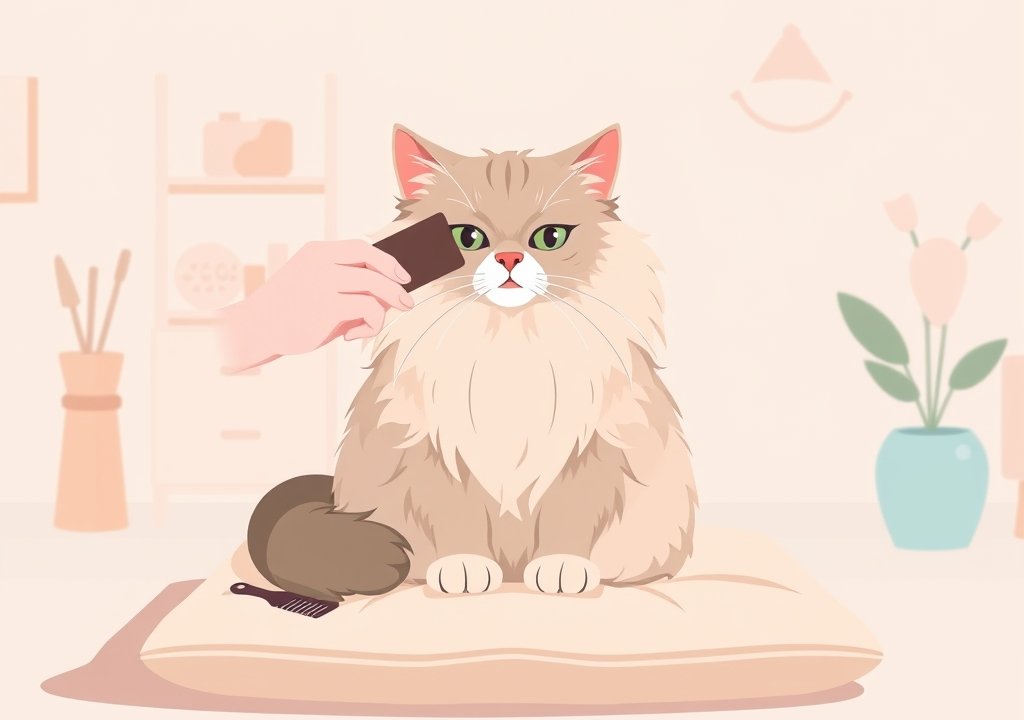
A good brushing session is short and calm. Aim for about 10 to 15 minutes at first. Stop before your cat becomes restless.
Preparing a Calm Space and Getting Your Cat Comfortable
Choose a quiet room with a soft surface, such as a bed or blanket. Sit down so your cat feels secure, and keep your tools nearby but out of sight.
Let your cat sniff the brush first. Stroke them gently with your hand before you begin, so they connect grooming with your touch.
Brushing the Coat Layer by Layer
Start at the shoulders and work backward along the back. Brush in the direction the fur grows, then lift the coat and brush the underlayer. Move slowly and watch your cat’s body language.
Repeat on each side. Use the slicker brush for the top layer and the wide-tooth comb for the deeper fur.
Working Through Tangles Gently
When you feel a snag, stop. Hold the fur just above the tangle so you do not pull on the skin, then work the comb through the knot from the tips toward the root.
If the knot does not loosen with light effort, leave it for now. Pulling hard causes pain and teaches your cat to fear grooming.
Grooming the Belly, Legs and Tail
These areas are sensitive for many cats. Brush them last, once your cat is relaxed, and keep sessions brief.
For the tail, brush from the base toward the tip. A few gentle strokes each day help keep long tail hair smooth.
How to Handle Mats and Tangles Safely
Mats are the most common grooming problem for long-haired cats. Catching them early makes them far easier to manage. Check the coat regularly, especially where it rubs, such as under the legs and behind the ears.
Spotting the Early Signs of a Mat
A small mat often feels like a hard lump in the fur. The coat may look dull or clumped in one spot, and your cat may flinch or chew at that area.
Check the skin under any suspicious patch. Redness, odor or sores mean you should seek advice promptly.
Loosening a Small Mat at Home
For a small, loose mat, work a finger or comb under the knot and gently tease the hairs apart. A pet-safe detangler can help if your cat tolerates it. Go slowly and stop often.
Never cut into a mat with sharp scissors close to the skin. It is easy to nick the cat, and the mat often comes back.
When to Ask a Vet or Professional Groomer for Help
Seek professional help if a mat is large, tight against the skin, or causing pain. A vet can also check for skin problems underneath, and a professional groomer can safely shave the area if needed.
Asking for help is not a failure. Many cats become matted because their coats are hard to manage, and experts see this often.
Caring for the Face, Eyes and Ears
The face needs gentle, regular attention. Fur around the eyes and nose can collect discharge and debris.
Wiping Around the Eyes and Nose
Use a soft, damp cloth or a pet-safe eye wipe. Wipe from the inner corner outward, using a fresh section each time. Never use a cotton swab inside the eye.
If you see heavy discharge, squinting or redness, contact a vet.
Keeping Fur Out of the Ears
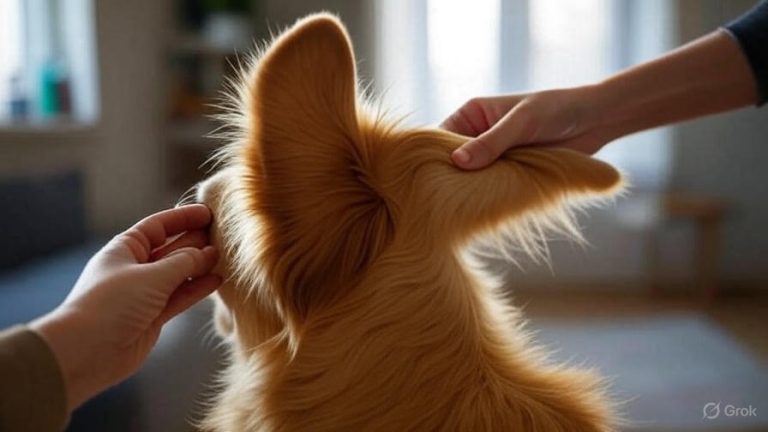
Long fur near the ear opening can trap wax and dirt. Only trim hair that sits right at the entrance, using blunt-tipped scissors and a steady grip.
Trimming Hair Around the Paws and Sanitary Area
Fur between the paw pads can pick up litter, grass and grime. Trim the hair so it does not stick out past the pads. Keep the scissors pointed away from the skin.
The hair around the sanitary area can also get soiled. Ask a vet or groomer if you feel unsure.
Bathing a Long-Haired Cat
Many cats never need a full bath, because they clean themselves well. Bathing helps when a coat is oily, dirty or covered in something unpleasant. Always use a cat-safe shampoo.
Do Long-Haired Cats Need Regular Baths?
Most long-haired cats only need a bath occasionally. Too much bathing can dry the skin and strip natural oils. Ask your vet how often bathing suits your cat.
Bathing Tips for a Nervous Cat
Use lukewarm water and a non-slip mat in the sink or tub. Speak calmly and keep the process short. Rinse fully, because leftover shampoo can irritate the skin.
Drying and Brushing After a Bath
Wrap your cat in a towel and pat the fur dry. A low, cool setting on a pet dryer can help, but keep it moving and away from the face. Brush once the coat is almost dry to prevent tangles.
Common Mistakes Beginners Make
Most grooming problems come from a few common habits. Avoiding them spares both you and your cat frustration.
Brushing Too Hard or Too Fast
Pressing hard can scratch the skin and make grooming unpleasant. Brush slowly with light pressure and let the tool glide through the coat.
Ignoring Mats Until They Are Large
Small mats are easy to fix, but large ones are painful. Check the coat often to catch problems early.
Using the Wrong Tools for the Coat Type
A stiff brush on a silky coat can break hairs, while a fine comb may not reach a dense undercoat. Match your tools to your cat’s fur.
Grooming Tips for Different Coat Types
Long coats vary widely, from silky to thick and woolly. Adjust your approach to the coat you have.
Silky Coats Versus Woolly Undercoats
Silky coats usually need gentle brushing and occasional combing. Woolly undercoats need more frequent combing, since loose hair gathers close to the skin.
Grooming a Persian, Maine Coon or Ragdoll
Persians have very long, dense coats and often need daily care. Maine Coons have thick, water-resistant fur that benefits from regular combing. Ragdolls have silky coats that mat less but still need weekly checks.
Building a Grooming Routine That Works
A regular routine makes grooming easier for both of you. Short, predictable sessions help your cat know what to expect.
Setting a Weekly Schedule
Brush at a set time each day, with a longer session once a week. Include a quick check of the face, paws and tail. Consistency matters more than length.
Making Grooming a Positive Experience With Treats and Breaks
Offer a small treat after each session. Stop before your cat gets restless. Over time, your cat may come to enjoy the attention.
Adjusting the Routine as Your Cat Ages
Older cats may groom themselves less and develop stiffness. Keep sessions shorter and watch for sore spots.
Frequently Asked Questions
How often should I brush a long-haired cat?
Most long-haired cats do well with brushing every day or every other day. Dense undercoats may need more frequent sessions.
Can I use regular scissors to cut my cat’s fur?
Blunt-tipped grooming scissors are the safer choice. Pointed scissors can nick the skin if your cat moves suddenly. Ask a groomer or vet if you are unsure.
Why does my cat hate being brushed?
Cats often dislike brushing when it hurts, when sessions run too long, or when they are not used to being handled. Try shorter sessions and treats. Stop if your cat becomes stressed.
Are mats painful for cats?
Yes, mats can pull on the skin and cause discomfort. They can also trap moisture and dirt. Catching mats early reduces the risk of pain.
When should I take my cat to a professional groomer?
Consider a professional groomer when mats are large, tight against the skin, or hard to manage at home. A vet can also check for skin problems.
Conclusion
Grooming a long-haired cat takes patience, the right tools and a steady routine. Brush regularly, check for early mats, and keep sessions short and calm. Ask a vet or professional groomer when a problem feels too large to handle at home.

Hi, I’m Mary, the founder of PetGadgetPro.com. I’m a passionate pet lover with a special place in my heart for dogs and cats. I share practical advice and honest insights on pet gear to help pet parents make better choices. My dedicated research team studies products in depth, and our writers create reviews using trusted, authentic sources—so you can feel confident choosing the best for your pets.