Best Collar Materials For Dogs?
Getting a dog is super exciting! One of the first things you’ll need for your new furry friend is a collar. A good collar isn’t just for looking cute; it’s also important for safety, training, and making sure your dog is comfy. It helps you keep them close when you’re out and about and can even hold their ID tags, which is super important if they ever get lost.
With so many types of collars out there, it can feel a bit overwhelming to pick just one. You’ll find them made from all sorts of stuff, and each material has its own good and not-so-good points. Some are really tough, some are soft, and others are great for wet adventures. Since your dog will wear this collar a lot, sometimes even all day, thinking about what it’s made from is a big deal.
This guide is here to help you sort through all the options. We’ll talk about different materials, so you can figure out what will work best for your dog’s daily life, their fur type, and just how much wear and tear their collar will go through. Let’s dig in and find the perfect fit for your beloved canine companion.
Why Collar Material Matters
You might think a collar is just a collar, but the stuff it’s made from really does make a difference. Think about it: your dog wears this thing almost constantly. If it’s scratchy, it could bother them. If it’s too weak, it could break when you least expect it. If it gets soaking wet and stays that way, it might start to smell or even hurt your dog’s skin.
The right material can make walks more enjoyable for both of you. It can prevent skin irritation, especially for dogs with sensitive skin or short fur. Also, some materials are just better at standing up to adventurous dogs who love long hikes, swims, or rolling around in the mud. A good material will also last longer, which means you won’t have to buy a new collar every few months. It’s about comfort, safety, durability, and keeping things clean and fresh for your dog.
Common Collar Materials
There’s a whole world of materials used for dog collars. Each one has its own special qualities. We’ll explore the most popular choices, so you can get a clear idea of what might suit your dog’s lifestyle best.
Nylon
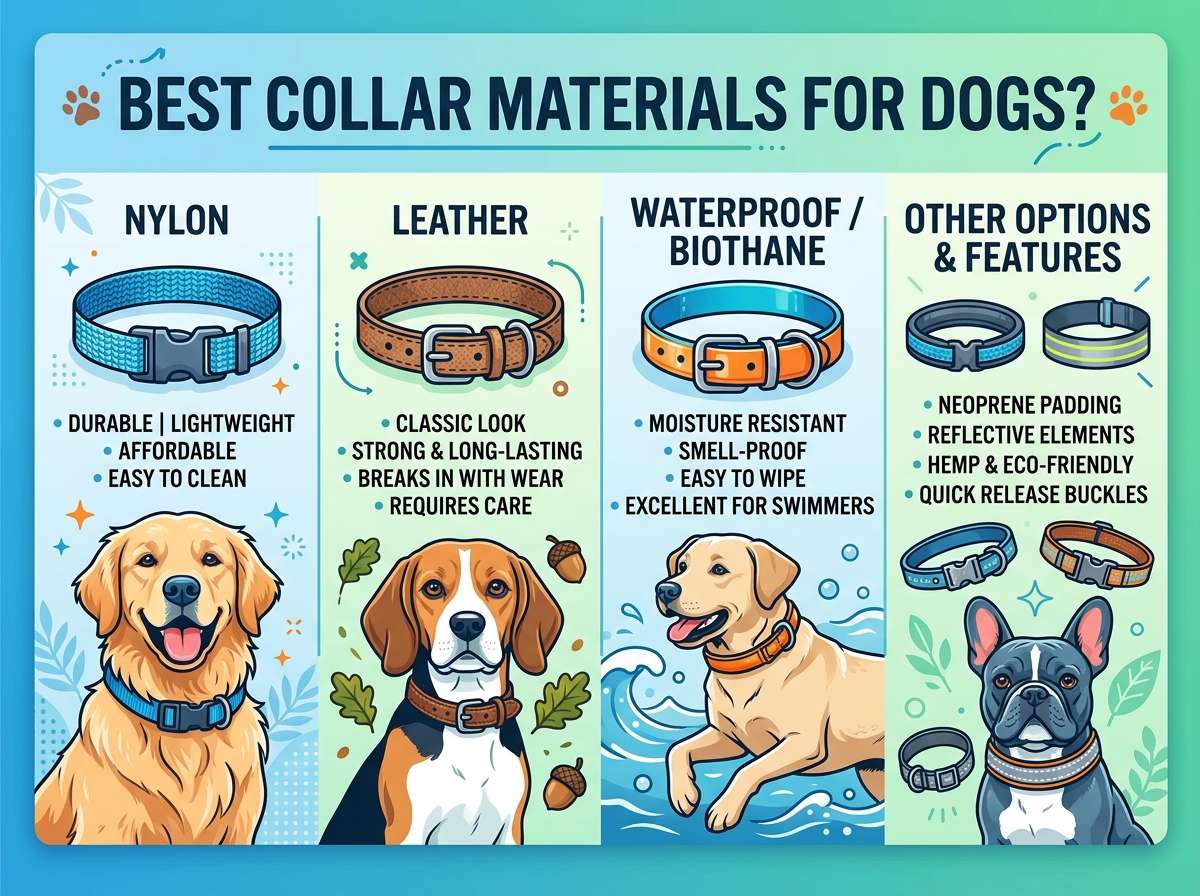
Nylon collars are super popular, and you see them everywhere. They are a go-to for many dog owners, and for good reason! This material is a type of synthetic fabric, which means it’s made by people, not found in nature.
What makes it good
Nylon is quite tough and hardy. It can handle a lot of pulling and tugging, making it a good choice for strong dogs or those who are still learning leash manners. It’s also fairly good at standing up to different weather. You can hose it off if it gets dirty, and it air dries pretty well. Also, nylon comes in tons of colors and cool patterns, so you can really show off your dog’s personality. It’s also usually pretty affordable, which is a big plus for many folks.
Things to think about
While great for many things, nylon can soak up water. This means if your dog goes swimming or gets caught in the rain, the collar will get wet and stay wet for a bit. A damp collar can sometimes rub on your dog’s skin, leading to discomfort or even hot spots if not dried properly. It can also start to smell a bit “doggy” if it’s constantly damp and not cleaned regularly. For very strong super pullers, nylon might stretch out a little over time, though good quality nylon usually resists this pretty well.
Leather
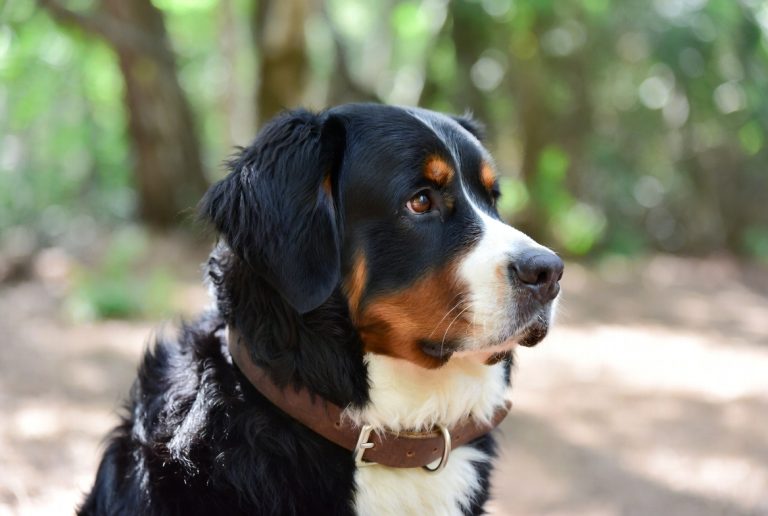
Leather collars have a classic look that many people love. They often look very stylish and can give off a real traditional vibe. Leather is a natural material, usually made from cowhide, and it feels nice to the touch.
What makes it good
One of the best things about leather is how strong it is. A well-made leather collar can last for many, many years, sometimes even a dog’s whole lifetime, if you take care of it. Over time, good leather softens up and molds to your dog’s neck, becoming super comfy for them. It also looks really classy and stylish. Many people prefer the look and feel of real leather. It’s also generally not too harsh on a dog’s fur or skin once it’s broken in.
Things to think about
Leather needs a little more love to keep it in tip-top shape. It’s not a fan of getting soaking wet often, as this can make it stiff, dry out, and even crack over time. If it does get wet, it needs to be carefully dried and sometimes conditioned. It can also be more expensive upfront than other materials. For dogs that love to swim or play in mud often, leather might not be the easiest choice. Also, some dogs might be a bit sensitive to leather, though this is rare.
Biothane
Biothane is a modern material that’s quickly becoming a favorite for lots of dog owners, especially those with active pups. Think of it as a super-powered coated webbing. It’s a polyester webbing that’s coated with a special layer, often PVC or TPU, which makes it feel a bit like real leather but with extra benefits.
What makes it good
This material is incredibly durable and strong, often even stronger than traditional nylon or leather. The best part? It’s completely waterproof and stinks-proof! Since it doesn’t soak up water or moisture, it won’t get smelly, no matter how many muddy puddles or ocean swims your dog enjoys. It’s also really easy to clean – just wipe it down with a damp cloth, and it looks new again. That means no more scrubbing or waiting for collars to dry. It keeps its color well and resists fading, which is great for a long-lasting look.
Things to think about
Biothane collars can sometimes be a bit stiffer than nylon or broken-in leather right out of the box, though they do soften up with use. They might also be a bit more expensive than basic nylon collars. While the coating is fantastic for resisting water and smells, it can sometimes feel a little less soft to the touch compared to a very soft nylon or conditioned leather.
Neoprene
If your dog loves the water, or you just want something extra soft, neoprene might be a great option. This is the same material you find in wetsuits, and it brings those same qualities to dog collars.
What makes it good
Neoprene is fantastic because it’s wonderfully soft and stretchy. This makes it super comfortable for your dog to wear, reducing the chances of rubbing or irritation, especially for dogs with sensitive skin or very short coats. It’s also water-resistant and dries really fast, which is a huge bonus for water-loving dogs. The material provides a nice cushion, which can make it feel extra gentle on your dog’s neck during walks. It often comes paired with nylon webbing for extra strength.
Things to think about
While water-resistant, neoprene isn’t always as tough against chewing or scratching as super-durable materials like Biothane or thick leather. It usually needs a tough outer layer, like nylon, to give it good strength. For dogs that are really rough on their gear, an all-neoprene part might not hold up as long. Also, collars made mostly of neoprene might not offer the same range of colors and patterns as pure nylon ones.
Canvas / Cotton
These natural fabric collars are often chosen for their soft feel and breathable qualities. They are usually made from cotton or a blend of cotton and other fibers.
What makes it good
Canvas or cotton collars are very soft against a dog’s skin and fur, which makes them quite comfortable. They are also breathable, which can be nice in warmer weather. For owners who prefer natural materials, these are a good pick. They often come in natural, earthy tones and sometimes have a more rustic or handmade look. They are usually gentle and won’t snag fur.
Things to think about
These materials are not very water-resistant at all. They soak up water easily and take a long time to dry, which can lead to smells, mildew, and skin issues if not properly managed. They also tend to stain more easily and might not be as strong or durable as synthetic options for very active or strong dogs. They really need regular cleaning to stay fresh and might wear out faster than tougher materials.
Hemp
Hemp is another natural fiber that’s becoming more popular for dog products, including collars. It’s known for being friendly to the environment and having some unique benefits.
What makes it good
Hemp collars are known for being surprisingly strong and durable, even though they are natural. They are also very soft and breathable, getting even softer with use, which is great for your dog’s comfort. Hemp is naturally hypoallergenic, meaning it’s less likely to cause allergic reactions, and it’s also resistant to mildew and odors, which is a big plus. If you care about natural and eco-friendly products, hemp is a wonderful choice. It has a lovely texture and a natural look.
Things to think about
Hemp collars can sometimes be a bit more expensive than regular nylon ones. While they resist mildew, they can still absorb water, so they’re not fully waterproof like Biothane. They usually needs to air dry if they get wet. Also, the color options might be more limited compared to nylon, often sticking to natural or muted tones.
Reflective Materials
While not a material on its own, reflective elements are often added to other materials like nylon or Biothane. These are super important for keeping your dog safe when it’s dark outside.
What makes it good
Reflective collars help cars, bikes, and even other walkers see your dog from far away in low light conditions. This can seriously reduce the risk of accidents when you’re out for evening walks or if your dog loves to wander in the yard after sunset. It gives you extra peace of mind knowing your dog is more visible.
Things to think about
The reflective part is usually just a stripe or stitching on top of another material. So, you still need to think about the base material’s pros and cons. The reflective coating itself can sometimes crack or peel over time with heavy use or if it’s not good quality. Make sure to get a collar that reflects light brightly and truly stands out in the dark.
Factors to Consider When Picking a Material
Now that you know about the different materials, let’s think about what really matters when you make your choice. It’s not just about what looks good; it’s about what works best for your unique dog and your daily routine.
Your Dog’s Activity Level and Lifestyle
This is a big one. Does your dog love to swim in the lake every day? Is your dog a couch potato who only goes for short walks? Or are they an adventurous explorer who loves to roll in anything muddy they find?
For water-loving dogs or those who get really messy, materials that are waterproof and easy to clean, like Biothane or quick-drying neoprene, are fantastic. If your dog is mostly indoors and goes for calm walks, a soft cotton or even a nice leather collar might be perfect. High-energy dogs who might tug on the leash a lot will benefit from strong, durable materials like tough nylon, Biothane, or good quality leather. Think about how often they’ll get wet, whether they’ll be in dusty places, or if they tend to chew on things.
Durability and Strength Needed
Some dogs are just tougher on their gear than others. A tiny chihuahua might not need a super heavy-duty collar, but a strong, large breed dog definitely will.
If your dog is a big puller, or if they often play rough with other dogs (where collars can get snagged), you’ll want something very strong. Leather, Biothane, and sturdy nylon are excellent choices for strength and durability. They can withstand a lot of force and won’t break easily. For smaller, gentler dogs, a less robust material might be sufficient, but safety is always key, so don’t go too flimsy.
Comfort for Your Dog
Your dog is going to wear this collar for many hours a day, so comfort is super important. A bad-fitting or scratchy collar can cause hot spots, hair loss, or just generally make your dog unhappy.
Soft materials like neoprene, natural hemp, or well-broken-in leather are usually very comfortable. Consider your dog’s fur type too. Dogs with very short fur might be more sensitive to rough materials, so a soft, padded collar makes a lot of sense. Dogs with long fur might need a collar that won’t snag or mat their hair. Always check that the collar doesn’t rub or pinch anywhere.
Ease of Cleaning and Maintenance
No one wants a stinky, dirty collar! How much effort are you willing to put into keeping your dog’s collar clean?
If you prefer low-maintenance, waterproof materials like Biothane are amazing because you can just wipe them clean. Nylon is also pretty easy to clean with soap and water. Leather requires a bit more care; it needs to be dried properly and sometimes conditioned. Cotton or canvas collars soil easily and need frequent washing and thorough drying, which can be a bit more work. Think about how often your dog gets dirty and how often you’re willing to clean their collar.
Weather Conditions and Environment
Where do you live? What’s the weather usually like? This can impact how well certain materials perform.
If you’re in a rainy or humid area, or if your dog loves the water, waterproof and quick-drying options are ideal to prevent smells, mildew, and skin issues. Biothane and neoprene are excellent for these conditions. In very hot, dry climates, breathable materials like cotton or hemp might be nice, but remember their other drawbacks. For cold and icy conditions, most durable materials will be fine, but you’ll still want something that resists moisture if snow is involved.
Aesthetic Appeal and Style
Let’s be honest, we all like our dogs to look good! While not the most important factor, style definitely plays a role in what you pick.
Nylon collars come in a rainbow of colors and patterns, letting you show off your dog’s personality. Leather offers a classic, sophisticated look that can be very attractive. Biothane also comes in lots of vibrant colors that don’t fade. Hemp and cotton have a more natural, earthy vibe. Find something that matches your dog’s personality and your own taste.
Frequently Asked Questions
How do I clean a nylon dog collar?
You can usually clean a nylon collar with warm water and a bit of mild soap. Scrub it gently, rinse thoroughly, and then let it air dry completely before putting it back on your dog. For tougher stains, a baking soda paste can help.
Is leather good for dogs who swim a lot?
Not really. Leather can get stiff, dry out, and even crack if it gets soaked often without proper care. It’s much better for dogs who stay mostly dry.
What kind of collar is best for a puppy?
For puppies, a soft, lightweight nylon or comfortable neoprene-lined collar is often a good start. Look for something that’s easy to adjust as they grow and is gentle on their young skin.
Can a collar cause skin irritation?
Yes, a collar can cause irritation if it’s too tight, made from a rough material, or if it stays wet for too long. Always make sure the collar fits well and is clean and dry.
How do I know if the collar fits well?
You should be able to comfortably slip two fingers between the collar and your dog’s neck. It needs to be snug enough not to slip off, but loose enough not to choke or rub.
Are there eco-friendly collar options?
Absolutely! Hemp collars are a great eco-friendly choice because hemp is a sustainable plant. There are also collars made from recycled materials, which are good for the planet.
Do reflective collars work well in the dark?
Yes, good quality reflective collars work very well! They contain special materials that bounce light back to its source, making your dog much more visible to headlights and streetlights in low light conditions. They are a great safety feature.
Keeping Your Dog Safe and Comfy
Picking the right collar material is a key decision for any dog owner. It’s not just about looking good; it’s about making sure your dog is safe, comfortable, and that their collar stands up to their lifestyle. By thinking about all the points we talked about – your dog’s activity, the weather, ease of cleaning, and how it feels on their skin – you can make an informed choice.
Remember, a collar is an important piece of your dog’s everyday gear. Taking the time to find one made from the best material for them will pay off in comfort, durability, and peace of mind for both of you. So go ahead, consider these factors, and find that perfect collar for your loyal friend!
Hi, I’m Mary, the founder of PetGadgetPro.com. I’m a passionate pet lover with a special place in my heart for dogs and cats. I share practical advice and honest insights on pet gear to help pet parents make better choices. My dedicated research team studies products in depth, and our writers create reviews using trusted, authentic sources—so you can feel confident choosing the best for your pets.