What Size Litter Box Does My Cat Need?
Your cat spends a good portion of their day using the litter box. Getting the right size matters more than you might think. A litter box that’s too small creates stress for your cat and turns bathroom time into an uncomfortable experience. One that’s too big takes up unnecessary space in your home. Finding that sweet spot means a happier cat and fewer accidents outside the box.
This guide walks you through everything you need to know about picking the perfect litter box size for your feline friend.
Why Size Actually Matters for Your Cat’s Bathroom
Your cat needs enough room to turn around, dig, and bury their waste comfortably. When you give them a cramped box, they get frustrated. Some cats will refuse to use a box they find too small and will go somewhere else in your home instead. Nobody wants that.
The right size also prevents litter from flying everywhere. A larger surface area keeps most of the litter inside the box instead of scattered across your floor. This saves you time and keeps your home cleaner.
Think about your own bathroom habits. You’d hate using a tiny toilet stall with no room to move around. Your cat feels the same way about their litter box. Comfort matters to them just as much as it matters to you.
A properly sized litter box also reduces stress on your cat’s joints and back. Older cats and cats with arthritis or joint problems especially benefit from boxes they can use without contorting their bodies. The right box makes their daily routine easier and less painful.
The Standard Litter Box Dimensions You Need to Know
Most standard litter boxes measure around 22 inches long, 16 inches wide, and 6 inches tall on the inside. This is considered the minimum size for most adult cats. But here’s the thing: this minimum doesn’t mean it’s ideal. It’s just the smallest you should go.
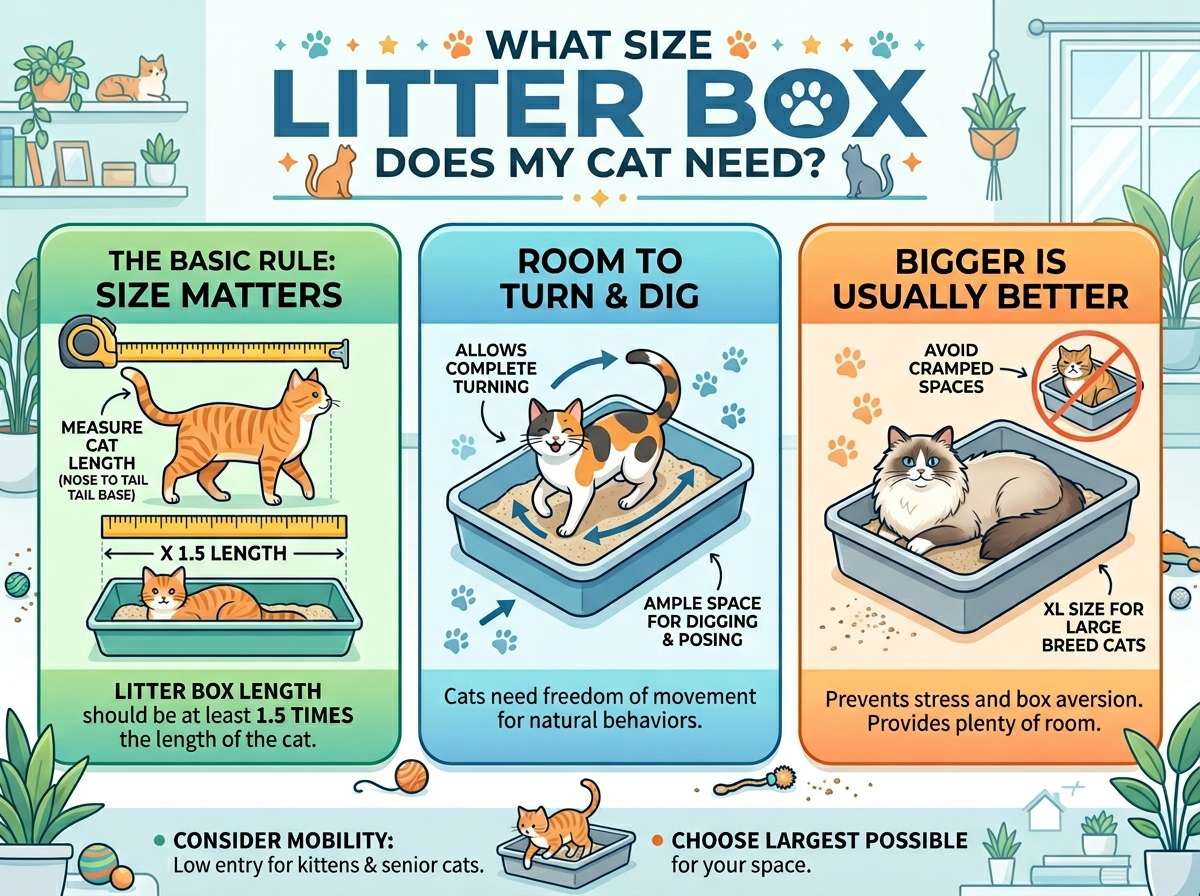
Many experts actually recommend a box that’s at least 1.5 times the length of your cat from their nose to the base of their tail. This gives them plenty of wiggle room and makes them feel safer while they do their business.
Let’s talk about specific sizes so you can picture what you’re working with. A small litter box typically measures around 16 by 12 inches. This works for kittens and very small cat breeds, but most adult cats find these too cramped. Medium boxes usually run 20 by 15 inches, which fits many average-sized cats. Large boxes start at 24 by 18 inches and go up from there. Extra large and commercial boxes can measure 30 inches or more in length.
Height matters too, though it’s often overlooked. A litter box that’s too tall makes it hard for older cats and kittens to climb in and out. A box that’s too shallow lets litter spray out everywhere. You’re aiming for something in the 4 to 6-inch range as a good middle ground. This height keeps litter contained while staying accessible for cats of all ages.
Finding the Right Size for Your Specific Cat
Your cat’s size is the biggest factor in choosing the right litter box. Measure your cat from the tip of their nose to where their tail begins. Your litter box should be at least as long as this measurement, but ideally longer. A box that’s too small will make your cat feel vulnerable, especially while they’re in a vulnerable position.
If you have a large breed cat like a Maine Coon or a Bengal, you’ll need a bigger box than the standard options. These cats can be 15 to 20 inches long, so a standard 22-inch box might still feel tight. Look for boxes that measure at least 28 to 32 inches long for large breeds. These roomy boxes give them the space they need.
Small and petite cats do fine with smaller boxes, but don’t go too minimal. Even a small cat should have at least some room to turn around. A box that’s 18 to 20 inches long works well for most small adult cats.
Overweight cats need bigger boxes too. Extra size helps them position their bodies comfortably and prevents them from feeling cramped. A cat carrying extra weight will be happier with a large box than trying to squeeze into something standard-sized.
Age plays a role as well. Kittens have smaller bodies but they’re also more active and playful. They might knock litter around more, so a slightly larger box helps contain the mess. Senior cats move more slowly and carefully. They need easy access and enough room to position themselves without strain.
How Many Litter Boxes You Should Have
Size isn’t just about the individual box. You also need to think about quantity. The general rule says you should have one litter box per cat, plus one extra. So if you have two cats, you should have three boxes.
This rule helps prevent territorial issues and ensures every cat has access to a clean bathroom. When boxes are spread out, cats don’t fight over them or make other cats wait. Waiting leads to accidents, and accidents lead to unhappy homes.
The size of your home matters here too. If you have a large house, spread multiple boxes throughout different areas. Put one upstairs and one downstairs. Keep one away from food and water areas. Cats like having options and privacy, so multiple boxes in different locations helps them feel comfortable.
In small apartments, space might be tight. Even so, try to fit at least two boxes in different rooms if you have multiple cats. If you can only fit one box, make sure it’s a larger size so it feels less like a shared space.
Top Litter Box Types and Their Dimensions
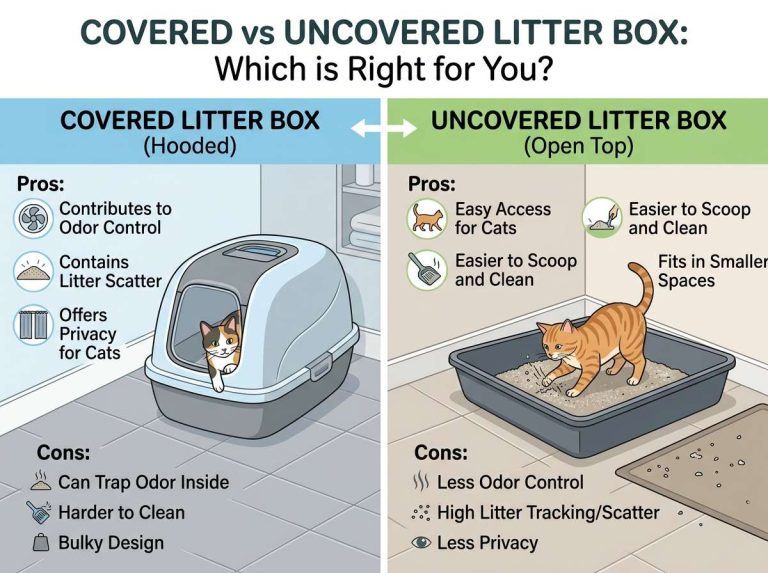
Open litter boxes are the most common and come in tons of size options. These come in small (around 16 by 12 inches), medium (20 by 15 inches), large (24 by 18 inches), and extra large (30 by 20 inches) sizes. Open boxes let your cat hop in easily and give you good visibility for cleaning. The downside is litter gets tracked out more easily.
Covered litter boxes contain mess better but require bigger interior dimensions than their overall size suggests. Don’t get fooled by a covered box that looks big on the outside. Check the actual interior measurements. Some covered boxes are quite cramped inside even though they appear spacious.
Top-entry litter boxes have a hole on top instead of an open side. Your cat jumps in from above. These boxes are great for keeping litter contained, but they don’t work well for cats that are older, overweight, or have mobility issues. Make sure your cat can handle the jumping motion before buying this style.
Corner litter boxes fit into room corners to save space. They’re clever for small homes, but they’re usually smaller than rectangular boxes. Only use corner boxes if your cat is also small and you don’t have room for anything bigger.
The XL or extra large litter boxes measure 30 inches or more. These are becoming more popular as people realize cats need more space than they thought. If you have a large cat or multiple cats sharing a box, an XL box is worth the extra space it takes up.
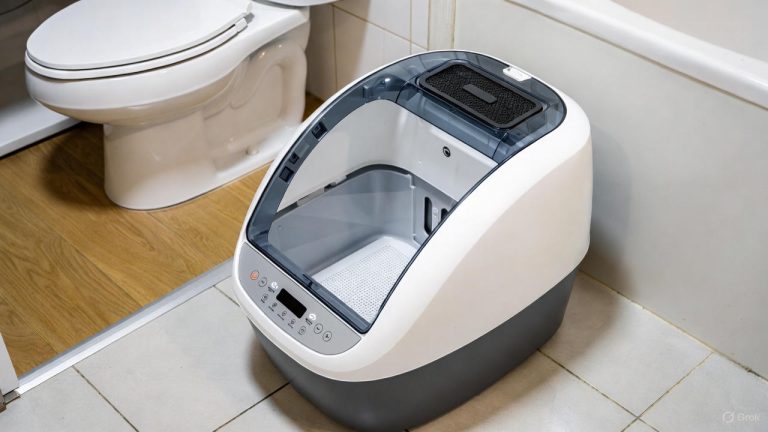
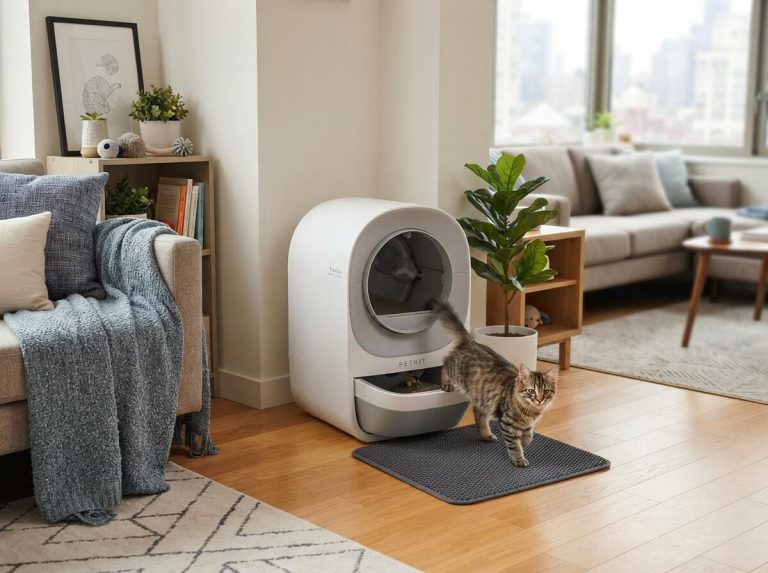
Automatic litter boxes might be fancy, but size still matters. Make sure the interior area is big enough for your cat to fit comfortably. Some automated boxes are actually smaller than they look because the mechanical parts take up space inside.
Getting Your Measurements Right
Before you buy any litter box, take time to measure your cat. Use a soft measuring tape and stretch it from your cat’s nose to the base of their tail. Write this number down. Your litter box should be at least this long, and honestly, a few inches longer is even better.
Measure from the floor to your cat’s back when they’re standing up. This helps you figure out the right height. A box that reaches to about the middle of their leg when they’re standing is a good target height.
After you pick out a litter box and bring it home, watch how your cat uses it. Do they crouch down comfortably? Can they turn around? Do they ever hang their rear end over the edge while going to the bathroom? These signs tell you if the size is right.
If your cat seems uncomfortable, squished, or if litter ends up all over your floor, you probably picked a box that’s too small. Upgrade to a bigger size. Your cat will appreciate it.
Common Mistakes People Make When Picking Litter Box Size
One big mistake is assuming all cats are the same. Your friend has a cat that uses a small box, but that doesn’t mean your cat will be happy with one. Every cat is different, and size preferences vary.
Another common error is buying a box based on how it looks in a picture rather than checking actual dimensions. A box might look huge online, but the measurements tell the real story. Always check the specs before ordering.
People often underestimate how much room their cat needs. They think a snug fit is fine, but cats actually prefer having extra space. A box that feels roomy to you probably feels perfect to your cat.
Some folks put the litter box in a tight corner or under a table where the cat has limited access. This defeats the purpose of having a big box. Your cat needs room to approach the box, climb in, and climb out. Factor in accessibility when deciding on size.
Ignoring your cat’s behavior is another mistake. If your cat is pooping outside the box or acting reluctant to use it, size could be the problem. Before trying different litter or locations, make sure the box itself is big enough.
Special Situations That Change Your Box Size Needs
If you have a pregnant cat, she needs extra space and comfort. A larger box gives her room to nest and position herself. Don’t wait until she’s about to give birth to upgrade. Do it as soon as you know she’s pregnant.
Cats with medical conditions sometimes need bigger boxes. A cat with diarrhea needs room to move around. A cat with arthritis needs space to position themselves without pain. A cat recovering from surgery benefits from easy access and comfort.
Multi-cat households sometimes benefit from bigger boxes. If cats are sharing space, a larger box reduces conflict. Some cats feel safer in bigger boxes when other cats are around because they have more room to watch their surroundings.
Foster cats that are new to your home might feel nervous. Giving them a nice, big, open litter box helps them feel secure. They can escape quickly if they feel threatened, and they have plenty of space to explore the box at their own pace.
Making Your Litter Box Work Better With the Right Size
Once you have the right size, maintenance becomes easier. A bigger box means more surface area to clean. More surface area means you can scoop more easily without having to dig through piled-up waste.
The larger space also means litter lasts longer before needing a complete change. With more surface area, clumps spread out instead of piling up, so you waste less litter when you scoop.
A properly sized box also means fewer accidents. When your cat is comfortable, they’re more likely to use the box consistently. Fewer accidents means less stress on you and your cat.
Litter depth works better too. In a bigger box, you can use 2 to 3 inches of litter instead of cramming it into a small space. This depth lets your cat dig and bury their waste naturally, which makes them happy.
Budget-Friendly Ways to Get a Big Litter Box
You don’t need to spend a fortune on a fancy litter box. A large plastic storage bin from a hardware store can work great and costs way less than a commercial litter box. Just cut a hole in one side for entry and you’re done.
Some people use large under-bed storage containers. These are long and spacious, perfect for cats that need room. You might need to add a door, but the base cost is minimal.
Garage sales and secondhand sites often have litter boxes for cheap. You can buy a bigger size used and save money while upgrading.
Pet stores sometimes have sales and discounts. Keep an eye out for deals on larger boxes. Buying during promotional periods saves you cash.
Making your own litter box from a large bin costs even less than buying used. It takes just a few minutes and a utility knife, and you end up with a perfectly sized box for your cat.
Signs Your Cat Needs a Bigger Litter Box
Your cat will tell you if their box is too small, but you need to know what to listen for. If your cat is having accidents outside the box, size could be the culprit. This is especially true if they’re healthy and the accidents are random.
Litter everywhere is another sign. A little tracking is normal, but if there’s a huge pile of litter outside the box, your cat might be kicking it out intentionally to create more space.
If your cat seems hesitant to use the box, crouches awkwardly, or takes a long time to position themselves, they probably feel cramped. Reluctant behavior at the box is a red flag.
Some cats will use part of a small box and avoid part of it. This is their way of maximizing space. If you notice your cat only using one end, the box is too small.
Aggressive or territorial behavior between cats sometimes stems from having to share a tight space. Upgrading to bigger boxes can improve peace in multi-cat homes.
Making the Transition to a New Litter Box Size
When you bring home a new, bigger box, introduce it slowly if your cat is attached to their old one. Put the new box right next to the old one for a few days. Let your cat explore and get used to it.
After your cat shows interest in the new box, you can remove the old one. Don’t rush this process. Some cats get anxious about change, even positive change.
If your cat ignores the new box at first, put some of their waste from the old box into the new one. The familiar smell helps them understand it’s their bathroom.
Make sure the new box is as clean and inviting as possible. Use a litter type your cat already likes. Don’t try switching to a new litter and a new box at the same time. That’s too many changes at once.
Praise your cat when they use the new box. Cats respond to positive reinforcement. A little encouragement goes a long way.
The Bottom Line on Litter Box Sizes
Your cat deserves a litter box that’s big enough and comfortable. Bigger is usually better when it comes to litter boxes, and the benefits are worth the extra space. Your cat will use it more consistently, accidents will decrease, and your cat will feel less stressed.
Measure your cat. Check the interior dimensions of any box you’re considering. Remember that bigger cats, multiple cats, and senior cats all benefit from extra space. Your small cat will also appreciate having room to move around.
Don’t get too hung up on fancy designs or brand names. What matters is that the box is the right size for your cat’s body and your cat’s needs. A simple, spacious box beats a tiny trendy one every time.
Take the time to set up your cat’s bathroom space the right way. Your cat will thank you with consistent box use and good bathroom habits. That’s worth more than any amount of space in your home.
Start shopping for a bigger litter box today. Your cat might have been trying to tell you they need more room all along.
Hi, I’m Mary, the founder of PetGadgetPro.com. I’m a passionate pet lover with a special place in my heart for dogs and cats. I share practical advice and honest insights on pet gear to help pet parents make better choices. My dedicated research team studies products in depth, and our writers create reviews using trusted, authentic sources—so you can feel confident choosing the best for your pets.