
5 Best Automatic Litter Box In 2026
Taking care of your feline friend comes with many joys, but scooping litter isn’t one of them. Thankfully, automatic self-cleaning litter boxes have revolutionized pet care. These smart devices handle the dirty work while you focus on what matters most – spending quality time with your cat.
This comprehensive guide breaks down the top automatic cat litter boxes available right now. Each model brings unique features to solve specific problems that cat owners face daily. From open-top designs that reduce anxiety to app-controlled systems that track your pet’s health, modern self-cleaning litter boxes offer impressive technology wrapped in practical solutions.
Before diving into individual reviews, it’s worth understanding what makes these devices valuable. Traditional litter boxes require daily scooping, generate unpleasant odors, and demand constant attention. Automatic models eliminate these hassles through rotating drums, smart sensors, and sealed waste compartments. The result? Fresh litter after every use, minimal odor, and weeks between maintenance sessions.
Let’s explore five outstanding automatic litter boxes that have earned praise from real cat owners. Each review covers essential details like capacity, safety features, app functionality, and value for money.
Cumrige Self Cleaning Litter Box – The Spacious Option
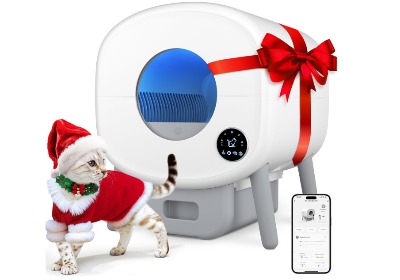
The Cumrige self-cleaning litter box stands out with its massive 95L drum capacity. This generous size makes it perfect for households with multiple cats or larger breeds.
Product Description
This automatic litter box features an enclosed rotating drum design. The system detects when your cat exits and begins a cleaning cycle that sifts waste into a separate 15L waste bin. The unit connects to your home WiFi network through the Tuya Smart app, giving you remote control over cleaning schedules and monitoring capabilities.
The drum accommodates cats weighing between 2.2 and 33 pounds. A detachable waterproof liner simplifies maintenance, while the deodorizing design prevents odor leakage. The box works with most clumping litter types including mineral, hybrid, and bentonite.
Advanced sensors form the safety system. When weight sensors detect your cat’s presence, cleaning cycles pause automatically. This ensures your pet stays safe during bathroom breaks. The infrared detection adds another protective layer by monitoring movement near the unit.
Pros
Exceptional Capacity: The 95L drum handles multiple cats comfortably. Users report the 15L waste bin lasts up to 15 days before needing emptying, making it ideal for busy schedules or travel.
App Control Flexibility: The Tuya Smart app provides comprehensive management. You can trigger cleanings, track your cat’s bathroom habits, receive full-bin alerts, and monitor overall usage patterns from your smartphone.
Safety First Design: Multiple sensor types work together to protect your pet. The system won’t start cleaning if it detects movement or weight inside the drum.
Easy Maintenance: The removable liner makes cleaning simple. Just wipe it down without wrestling with stuck-on waste. The waterproof design prevents leaks during washing.
Quiet Operation: The motor runs whisper-quiet, so it won’t startle nervous cats or disturb your sleep during nighttime cleaning cycles.
Cons
WiFi Limitations: The app requires 2.4GHz WiFi only. Modern dual-band routers need proper configuration, which can frustrate less tech-savvy users during setup.
Learning Curve: Some users report confusion during initial assembly and app pairing. The process isn’t difficult, but it takes time to understand all features.
Size Considerations: The large capacity comes with a larger footprint. Make sure you have adequate floor space before purchasing.
Initial Adaptation: A few cats take several weeks to accept the enclosed design. Patience and gradual introduction help smooth the transition.
The Cumrige delivers excellent value for multi-cat households. Its combination of capacity, smart features, and safety mechanisms creates a reliable system that truly reduces maintenance time. Real users consistently praise how the large waste bin extends time between disposals.
Automatic Cat Litter Box with Weight Monitoring – The Health Tracker
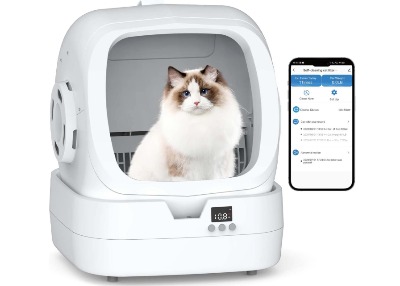
This smart litter box puts health monitoring at the forefront. It combines automatic cleaning with detailed tracking that helps you catch potential health issues early.
Product Description
The system uses high-precision sensors to monitor your cat’s weight and bathroom habits. Each time your pet uses the box, the unit records weight, duration of visit, and frequency. This data syncs to the companion app, where you can view trends and receive alerts about unusual patterns.
The rotating drum mechanism separates waste from clean litter efficiently. A sealed waste drawer locks away odors while the anti-pinch design protects curious paws. The unit works with various clumping litter types and features ultra-quiet operation suitable for light sleepers.
Safety sensors form a comprehensive protection system. Infrared detectors monitor the surrounding area, while weight sensors detect your cat inside the drum. If the system senses any presence, cleaning pauses immediately. The anti-pinch motor prevents accidental injuries during operation.
Pros
Comprehensive Health Tracking: The weight monitoring feature alerts you to significant changes that might indicate health problems. Early detection can lead to faster veterinary intervention.
Multi-Cat Recognition: The system can distinguish between different cats based on weight profiles. This helps households track individual health metrics for each pet.
Excellent Safety Features: Ten high-precision sensors provide environmental detection from multiple angles. The 360-degree radar coverage ensures thorough protection.
App Notifications: Real-time alerts keep you informed about usage patterns, full waste bins, and maintenance needs. The data generates health trend reports over time.
Medium Cat Friendly: The design works particularly well for medium-sized cats and kittens. The entrance height and interior space suit these sizes perfectly.
Cons
Weight Accuracy Challenges: Cats with similar weights can confuse the recognition system. If your cats weigh within a pound of each other, tracking may merge their data.
Assembly Required: Unlike some competitors, this model requires assembly out of the box. The process takes time and careful attention to instructions.
Price Point: The advanced monitoring features come at a premium price compared to basic self-cleaning models.
Limited Maximum Weight: While suitable for most cats, the upper weight limit may exclude exceptionally large breeds.
This litter box excels when health monitoring matters most. Senior cats, those with chronic conditions, or households managing multiple pets benefit tremendously from the detailed tracking. The peace of mind knowing you’ll receive alerts about potential health changes makes the investment worthwhile.
Self Cleaning Litter Box with Open Top Design – The Low-Stress Solution
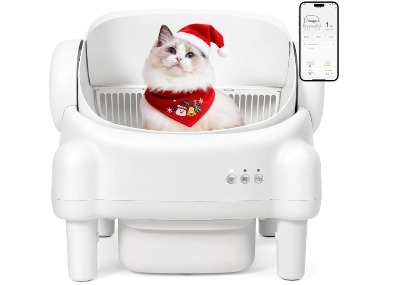
Some cats refuse enclosed litter boxes due to anxiety or claustrophobia. This open-top model addresses that concern while maintaining excellent cleaning performance.
Product Description
The open-top design removes the intimidation factor many cats experience with enclosed boxes. Your pet can see their surroundings during bathroom breaks, which reduces stress and increases acceptance rates. The wide entrance accommodates all sizes comfortably, from petite kittens to hefty Maine Coons.
Inside, a rotating drum system sifts waste automatically after each use. Clean litter stays in the drum while waste drops into a large capacity bin. An included litter mat catches particles as your cat exits, reducing tracking throughout your home.
App connectivity provides remote management. Schedule cleaning cycles, monitor litter levels, and receive notifications when maintenance is needed. The system supports multiple cats and can track usage patterns for each pet based on weight differences.
Safety sensors protect your cat during operation. The unit pauses immediately if it detects movement or weight. Odor control comes from multiple deodorizing layers and a sealed waste compartment that traps smells effectively.
Pros
High Acceptance Rate: The open design dramatically increases the likelihood that reluctant cats will use an automatic box. Many users report immediate acceptance even from previously resistant pets.
Spacious Interior: The generous space inside accommodates larger cats and those who prefer more room during elimination. Cats up to 33 pounds use it comfortably.
Visual Monitoring: The open top lets you quickly check litter levels and cleanliness without opening anything. This visibility also helps cats feel more secure.
Excellent for Multiple Cats: The large capacity and quick cleaning cycles make it practical for multi-cat households. The waste bin holds enough for up to two weeks with proper litter depth.
Easy Litter Addition: Adding fresh litter requires no special procedures. Simply pour it into the open top and let the system level it automatically.
Cons
Litter Tracking: The open design means more litter can get kicked out during digging. The included mat helps but doesn’t eliminate the issue completely.
Less Privacy: Cats who prefer privacy may not appreciate the exposed position. However, most adapt quickly once they realize the convenience.
Dust Exposure: Open tops expose the surrounding area to more litter dust during cleaning cycles compared to enclosed models.
Odor Management: While good, the open design can’t contain odors as completely as fully enclosed alternatives. Regular waste bin emptying becomes more important.
This model solves the biggest barrier to automatic litter box adoption: cat acceptance. If you’ve tried enclosed automatic boxes before and your cat rejected them, this open-top design likely succeeds where others failed. The trade-off of slightly more cleanup around the box is minimal compared to the convenience gained.
PetPivot Self Cleaning Litter Box – The Budget-Friendly Champion
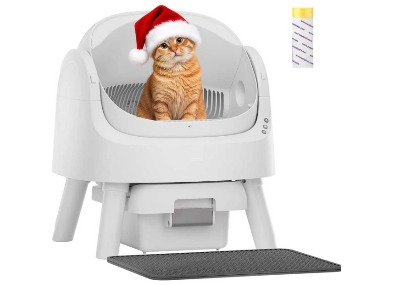
The PetPivot delivers solid automatic cleaning performance without the premium price tag. It’s proof that effective self-cleaning technology doesn’t require breaking the bank.
Product Description
This straightforward automatic litter box focuses on core functionality. The rotating drum separates clean litter from waste using a simple but effective sifting system. After your cat exits, sensors trigger a cleaning cycle that deposits waste into a sealed drawer below.
The unit operates in two modes: automatic and manual. Automatic mode cleans after detecting your cat has left. Manual mode lets you trigger cleaning cycles with a button press, which helps during the transition period for nervous cats.
Four sets of infrared sensors and three sets of Hall sensors work together to detect your cat’s presence. The anti-pinch design prevents injuries if your pet returns during a cleaning cycle. The system runs at approximately 35 decibels, quieter than normal conversation.
The open-top entry measures 16.34 inches by 15.35 inches, providing comfortable access for most cat sizes. The waste drawer holds enough for approximately 10 days with a single cat, depending on litter depth and usage patterns.
Pros
Affordable Price: The PetPivot costs significantly less than premium competitors while delivering reliable automatic cleaning. It offers excellent value for first-time buyers.
No App Required: The simple button interface means no WiFi setup, app downloads, or connectivity troubleshooting. Just plug it in and press buttons.
Ultra-Quiet Operation: At 35dB, it’s one of the quietest automatic litter boxes available. Many owners report their cats sleep through cleaning cycles.
Easy Setup: The included video tutorial makes assembly straightforward. Most users report setup taking under 30 minutes.
Generous Waste Capacity: The 10L waste drawer means less frequent bag changes compared to smaller competitors.
Cons
Limited Smart Features: No app means no remote monitoring, health tracking, or usage statistics. You sacrifice convenience for simplicity.
Sensor Sensitivity Issues: Some users report the safety sensors only detect cats in certain positions. Objects or paws near the edges may not trigger the pause mechanism consistently.
Basic Design: The appearance is purely functional without the polished look of premium models.
Cleaning Mechanism: The rudimentary sifting system sometimes leaves smaller waste bits in the litter bed, requiring occasional manual cleaning.
Short Power Cord: The 3-4 foot cord limits placement options unless you use an extension.
The PetPivot makes sense for cat owners who want to try automatic cleaning without committing significant money upfront. It handles the essential job – eliminating daily scooping – with acceptable reliability. The lack of smart features bothers some users, but others appreciate the simplicity. For budget-conscious shoppers or those skeptical about automatic litter boxes, this provides a low-risk entry point.
Neakasa M1 Plus Bundle – The Premium Complete Package
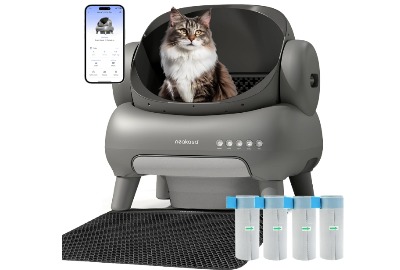
The Neakasa M1 Plus represents the premium tier of automatic litter boxes. It combines cutting-edge technology with thoughtful design that addresses common pain points comprehensively.
Product Description
This open-top automatic litter box features an innovative backward-rotating drum system. Unlike traditional side-to-side rotation, the backward tilt helps dislodge stuck clumps more effectively. The spacious design accommodates cats from 2.2 to 33 pounds comfortably.
The M1 Plus uses six sweeping infrared sensors instead of fixed ones. This dynamic detection web tracks your cat’s movement, size, and position in real-time. When combined with four weight sensors and motion detection, the system creates multiple layers of safety protection.
A unique “Pull and Wrap” waste disposal system simplifies maintenance. After the waste bin fills, you simply pull a drawstring to seal everything in an odor-blocking bag. No touching or scooping required. The system comes with four rolls of waste bags (60 pieces total in the bundle).
The Neakasa app provides extensive control and monitoring. Track individual cats’ bathroom habits, monitor litter levels, receive maintenance alerts, and control cleaning schedules remotely. The app even provides health insights based on usage patterns.
A custom-fit sealing layer between the litter chamber and base prevents up to 95% of urine leaks. The high-density hydrophobic bristle strip replaced older mechanical doors, improving odor containment without moving parts that might fail.
Pros
Best-in-Class Safety System: The six-array sweeping infrared system detects cats from more angles than any competitor. It pauses before cats even enter, preventing any contact with moving parts.
Superior Odor Control: Five layers of deodorization combine with the sealing bristle strip and sealed waste compartment. The result is exceptional odor management that keeps homes fresh.
Excellent App Integration: The Neakasa app offers intuitive controls and valuable insights. Multi-cat tracking works reliably when cats have different weights.
Extended Capacity: The 7.17L litter capacity and 11.23L waste bin support up to 14 days of operation. Perfect for frequent travelers or busy professionals.
Complete Bundle: The Plus bundle includes everything needed: extra waste bags, litter mat, and all accessories. You won’t need additional purchases immediately.
Easy Cleaning: The fully detachable design makes deep cleaning simple. All components separate without tools for thorough washing.
Cons
Premium Price: This is one of the most expensive automatic litter boxes available. The investment is substantial, though many users consider it worthwhile.
Size Requirements: The generous capacity means it requires more floor space than compact competitors.
Elevated Entry: Cats with mobility issues or very young kittens may struggle with the entry height. An optional ramp accessory helps but costs extra.
WiFi Dependency: While the app adds tremendous value, it requires stable 2.4GHz WiFi. Connection issues can temporarily limit remote features.
Learning Curve: The extensive features take time to explore fully. Some users feel overwhelmed initially by all the settings and options.
The Neakasa M1 Plus justifies its premium price through superior engineering and comprehensive features. Every aspect shows refinement based on real-world feedback. The safety system outperforms competitors, the odor control truly works, and the app provides genuinely useful information. For cat owners who want the absolute best automatic litter box regardless of cost, this is the clear choice.
Complete Buying Guide: Choosing Your Automatic Litter Box
Understanding key features helps you match a litter box to your specific needs. Not every household requires premium features, while others benefit tremendously from advanced capabilities.
Capacity Considerations
Drum capacity determines how much litter the box holds. Larger capacities mean less frequent litter additions but require more floor space. Single-cat households manage fine with standard capacities around 60-75L, while multiple cats need 85-95L or more.
Waste bin size directly impacts maintenance frequency. Bins holding 10L or more let single-cat owners go 10-14 days between bag changes. Multi-cat households may need weekly emptying regardless of bin size.
Safety Features Matter Most
All automatic litter boxes need robust safety systems. At minimum, look for weight sensors that detect when your cat enters and pause cleaning immediately. Better models add infrared detection that monitors approach before entry.
Anti-pinch mechanisms prevent injuries if cats investigate moving parts. The best systems combine multiple sensor types with software that double-checks conditions before starting any movement. Never compromise on safety to save money – a injured cat creates costs that dwarf any savings.
App Control Value
Smart apps add convenience but aren’t essential for everyone. Basic models without apps cost less and work reliably through simple button controls. You sacrifice remote management and usage tracking but eliminate WiFi setup hassles.
Apps become valuable for several scenarios: tracking multiple cats individually, monitoring health through usage patterns, managing the box while traveling, or simply wanting detailed statistics. If these benefits matter to you, ensure the app has good reviews for reliability and ease of use.
Open vs. Enclosed Design
This choice dramatically affects cat acceptance rates. Enclosed boxes provide privacy and contain odors better, but many cats reject them due to feeling trapped. Open-top designs reduce anxiety and work for larger cats, though they offer less odor containment and may increase litter tracking.
Consider your cat’s personality and past litter box preferences. Cats who currently use open boxes adapt more easily to open automatic models. Those comfortable with covered boxes may accept enclosed automatic versions without issues.
Noise Levels
Operation volume ranges from 35dB to 50dB+ across different models. Quieter operation costs more but matters immensely if the box sits near bedrooms or if you have noise-sensitive cats or household members. Look for brushless motors and acoustic insulation for the quietest performance.
Most cats adapt to consistent mechanical sounds quickly. Sudden, loud operation can startle nervous cats and create negative associations. Prioritize quiet operation if your cat already shows anxiety around noises.
Litter Compatibility
Most automatic boxes require clumping litter for proper waste separation. Clay-based clumping litters work universally well. Some models specifically prohibit crystal, tofu, or wood-based litters because these don’t clump sufficiently or have particles that jam mechanisms.
Verify compatibility before purchasing specialty litters. Using wrong litter types can damage motors, clog sifting mechanisms, or simply fail to separate waste effectively.
Maintenance Requirements
Even automatic boxes need regular maintenance. Drums require periodic washing to remove stuck-on waste and prevent bacterial buildup. Some models feature detachable drums that simplify this process, while others require reaching inside to scrub.
Waste bins need emptying and washing regularly regardless of capacity. Odor-control features like carbon filters require replacement every few months. Factor in both time and ongoing costs for filters, bags, and cleaning supplies.
Price vs. Value
Budget models starting around $180-250 deliver basic automatic cleaning without smart features. They work well if you want to eliminate daily scooping and don’t need health tracking or app control.
Mid-range options ($300-450) typically add app connectivity, better safety sensors, larger capacities, and improved build quality. These provide the best balance for most buyers.
Premium models ($500-700) include cutting-edge safety systems, comprehensive health monitoring, superior odor control, and the most refined user experiences. They’re worthwhile if you have multiple cats, travel frequently, or want maximum peace of mind about safety and reliability.
Making the Final Decision
Each automatic litter box reviewed here solves specific problems effectively. Your ideal choice depends on priorities, budget, and your cat’s preferences.
The Cumrige excels for multi-cat households needing maximum capacity. Its 95L drum and 15L waste bin provide the longest maintenance intervals. The app connectivity adds modern convenience at a mid-range price point.
The weight monitoring model serves health-conscious owners best. Early detection of changes in bathroom habits can prevent serious problems. If you have senior cats or those with chronic conditions, the tracking capabilities provide invaluable data.
The open-top design wins over cats who refuse enclosed spaces. High acceptance rates make it perfect when previous automatic boxes failed due to cat rejection. The slight compromise in odor containment is worthwhile for stress-free adoption.
The PetPivot offers budget-friendly entry into automatic cleaning. It skips fancy features but handles the core job reliably. First-time buyers uncertain about automatic litter boxes risk less money while discovering if this technology suits their lifestyle.
The Neakasa M1 Plus represents the ultimate in automatic litter box technology. Everything about it works exceptionally well, from safety systems to odor control to app functionality. The premium price reflects genuine quality and refinement that daily users appreciate.
Common Questions About Automatic Litter Boxes
How long do cats take to adapt? Most cats use automatic boxes within 1-2 weeks. Start by placing the new box beside their current box with automatic cleaning disabled. Let them explore and use it normally for several days. Gradually enable features once they’re comfortable. Some cats use it immediately, while others need gentle encouragement.
Do they really eliminate odors? No automatic box eliminates odors completely, but modern designs control them remarkably well. Sealed waste bins, deodorizing filters, and quick waste removal after each use keep smells minimal. Daily waste disposal isn’t necessary, though weekly emptying prevents any buildup.
Are they reliable long-term? Quality models from established brands typically last 3-5 years with proper maintenance. Motors eventually wear out, but good customer service means replacements or repairs are available. Regular cleaning prevents most mechanical failures caused by litter buildup jamming parts.
What about power outages? Most models return to standby after power restoration. Some wait 30 minutes before resuming automatic mode to ensure any frightened cats have cleared the area. Manual cleaning modes work when you need to control timing after disruptions.
Can kittens use them safely? Kittens over six months old and weighing more than three pounds can safely use automatic modes on most models. Younger or smaller kittens should use manual-only modes until they reach safe weights. The system won’t detect very light kittens consistently, creating potential safety issues.
Do they work for large cats? Open-top models accommodate large cats best. Look for maximum weight capacities of 30-33 pounds and large drum openings. Some enclosed boxes feel cramped for cats over 15 pounds. Always check both weight limits and physical space dimensions.
Maintenance Tips for Long-Term Success
Regular care extends your automatic litter box’s lifespan and ensures optimal performance. Follow these practices for best results.
Weekly Tasks: Empty and rinse the waste bin even if not completely full. Wipe down the exterior and entrance area where litter accumulates. Check sensors for litter dust buildup and clean with a soft, dry cloth.
Monthly Maintenance: Remove and wash the drum thoroughly with warm water and pet-safe cleaner. Inspect all seals and gaskets for wear or damage. Replace carbon filters or deodorizing cartridges as specified by manufacturer.
Litter Management: Maintain litter levels within recommended fill lines. Too much causes waste to miss the collection bin during cycling. Too little doesn’t cover waste effectively. Top off litter weekly to maintain optimal depth.
Sensor Care: Keep all sensor areas free from dust and debris. Buildup can cause false detections or missed readings. Use compressed air to clean hard-to-reach sensor areas safely.
Firmware Updates: Check the companion app regularly for firmware updates. Manufacturers release updates that improve performance, fix bugs, and sometimes add new features. Keep your unit current for optimal function.
Environmental Considerations
Automatic litter boxes impact the environment through energy use, waste generation, and consumables. Making informed choices minimizes this footprint.
Energy Consumption: Most units use 5-10 watts per cleaning cycle, roughly equivalent to a LED light bulb. Annual electricity costs typically run under $5-10. Some models enter low-power standby modes between uses to conserve energy.
Bag Waste: Disposable waste bags create plastic waste. Each household generates different amounts based on cat count and cleaning frequency. Some manufacturers offer biodegradable bag options that decompose more readily than standard plastic. Reusable bins paired with compostable liners provide the most eco-friendly option.
Litter Disposal: Automatic boxes use standard clumping litters, which go to landfills like traditional boxes. The automatic system doesn’t increase litter consumption – you use the same amount as manual scooping. Some plant-based clumping litters offer better environmental profiles than traditional clay.
Product Longevity: A quality automatic box lasting 4-5 years creates less waste than replacing traditional boxes every 1-2 years. Durable construction and available parts for repairs improve the environmental equation versus disposable products.
Final Thoughts
Automatic litter boxes have matured from novelty items into genuinely useful products. Modern designs reliably reduce daily maintenance while improving hygiene for both cats and owners. The technology works as promised when matched appropriately to your situation.
Success depends on three factors: buying a quality unit, properly introducing it to your cat, and performing regular maintenance. Cheap knockoffs create frustration through mechanical failures and poor safety systems. Proper introduction ensures cat acceptance. Regular cleaning prevents performance degradation and mechanical issues.
The models reviewed here represent proven performers with real user success stories. Any would serve most households well, with specific features making certain models ideal for particular situations. Trust your judgment about which features matter most for your circumstances.
Remember that even the best automatic box can’t completely replace supervision. Monitor your cat’s litter box habits regardless of automation. Changes in frequency, duration, or volume can indicate health issues requiring veterinary attention. Automatic boxes make tracking these patterns easier through app logging, but you still need to notice and respond to changes.
The investment in automatic cleaning pays dividends in time saved, reduced odors, and improved home cleanliness. Calculate how much time you spend scooping manually – probably 5-10 minutes daily for most owners. Across a year, that’s 30-60 hours returned to you. The financial cost of any model reviewed here represents excellent value when measured against time recovered.
For households with multiple cats, elderly owners with mobility challenges, or professionals with demanding schedules, automatic litter boxes aren’t luxuries – they’re practical solutions to real problems. The technology has reached a maturity level where reliability is expected rather than hoped for.
Cat ownership brings tremendous joy, companionship, and entertainment. Modern automatic litter boxes remove one of the few unpleasant aspects, letting you focus entirely on the positive parts of living with feline friends. Your cat gets consistently fresh litter while you reclaim time for activities you actually enjoy.
The future of cat care continues advancing with each generation of automatic boxes. Today’s premium features become tomorrow’s standard offerings as manufacturing costs decrease and technology improves. Buying now means joining hundreds of thousands of satisfied users who wonder why they didn’t switch sooner.
Make your choice based on honest assessment of your needs, budget, and household situation. Any of these five models will dramatically improve your daily routine and your cat’s bathroom experience. The only wrong decision is continuing to scoop manually when better solutions exist.
Hi, I’m Mary, the founder of PetGadgetPro.com. I’m a passionate pet lover with a special place in my heart for dogs and cats. I share practical advice and honest insights on pet gear to help pet parents make better choices. My dedicated research team studies products in depth, and our writers create reviews using trusted, authentic sources—so you can feel confident choosing the best for your pets.