How to Walk Two Dogs with One Leash?
Walking two dogs at the same time can feel like a real challenge, especially when you only have one leash. The good news? It’s totally doable. Once you learn the right techniques and approach, you can take both of your furry friends out for a walk without breaking a sweat. This guide will show you exactly how to do it.
Why Walk Two Dogs Together?
Before we dive into the how, let’s talk about the why. Walking multiple dogs at once saves time. You get both dogs the exercise they need in a single trip. This matters because dogs need daily walks to stay healthy and happy. When you combine walks, you also strengthen the bond between your two pups. They learn to behave together and develop good social skills.
Another big reason is cost. A double dog leash setup can be cheaper than paying someone to walk your second dog. Plus, you’re teaching your dogs to behave well around each other, which helps with their overall training and development.
What Equipment Do You Need?
The right gear makes walking two dogs on one leash so much easier. Let me break down what works best.
The Coupler Leash
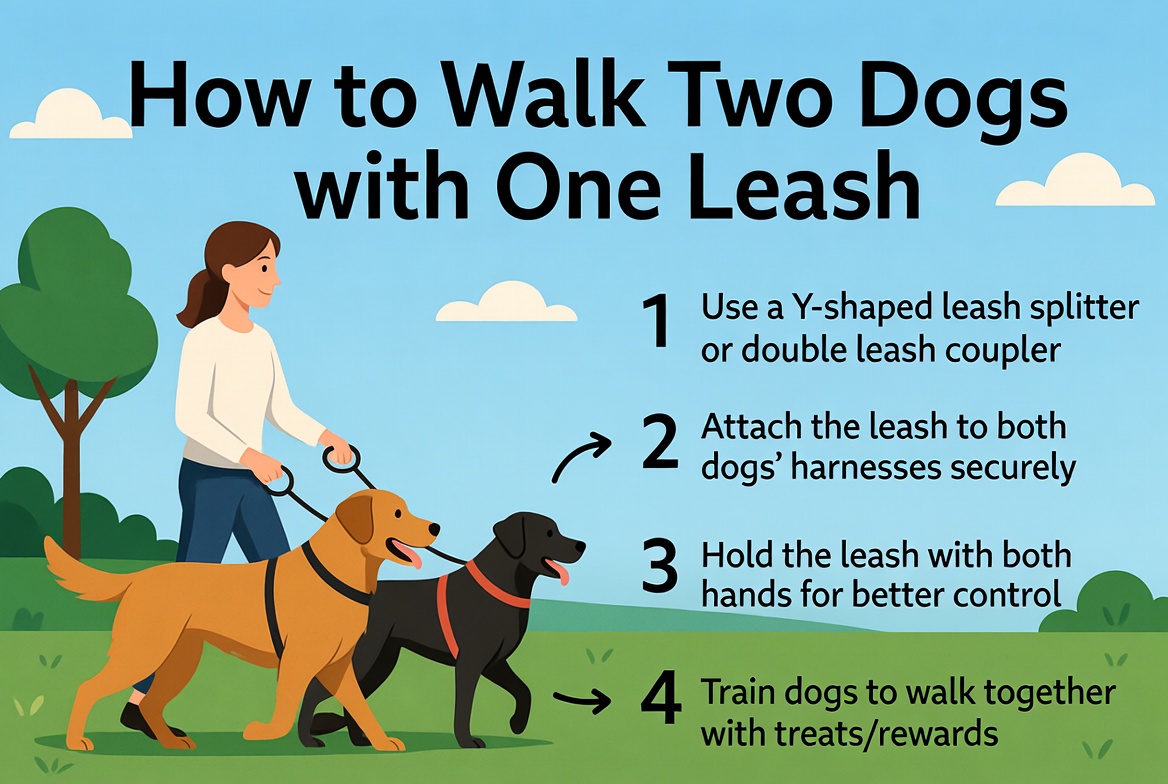
A coupler leash is your best friend here. This leash has one handle and splits into two separate leads, so each dog gets their own line. The split usually happens a few inches down from the handle. This design gives you control over both dogs while keeping them separate enough to move naturally.
When shopping for a coupler, look for one made from sturdy material like nylon or leather. The handle should feel comfortable in your hand, even after a long walk. Some couplers have padded handles, which many dog owners prefer. You want something that won’t slip out of your grip if one dog pulls hard.
Harnesses vs Collars
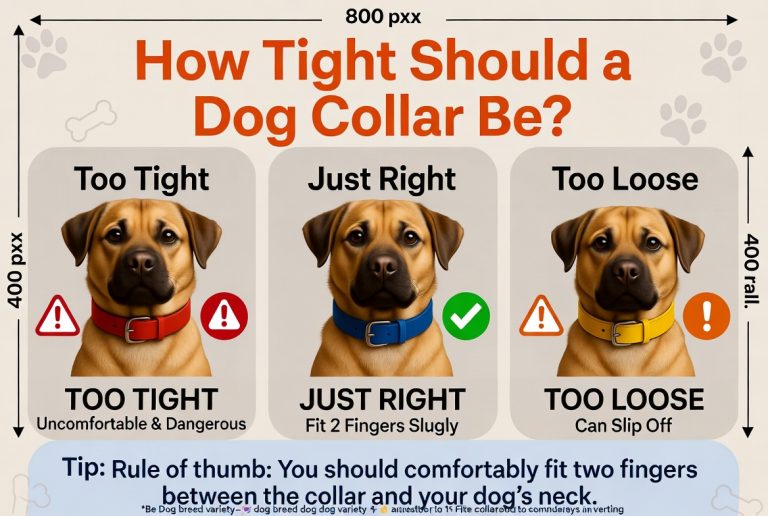
For multi-dog walking, a harness is usually better than a collar. Here’s why: when a dog wears a harness, the pressure spreads across their chest and body. With a collar, all the pulling force focuses on their neck, which can hurt them over time.
If your dogs pull a lot, consider a front-clip harness. This type connects at the dog’s chest, not at their back. When your dog pulls, the harness naturally turns them toward you. This makes it much harder for them to drag you along.
Additional Gear to Consider
A treat pouch keeps rewards right at your side. You’ll use these treats to reinforce good behavior during walks. A small flashlight or LED light helps if you walk during dawn or dusk. Some dog owners love hand-held water bottles for their pups to drink from on hot days.
Training Your Dogs to Walk Together
Equipment is just one piece of the puzzle. The real work happens in training. Dogs need to learn how to walk politely on a leash, and they need to learn how to do it alongside another dog.
Start with Basics
Before you attempt a walk with both dogs on one leash, make sure each dog walks well on a regular leash alone. This is super important. If one dog pulls constantly or doesn’t respond to you, focus on single-dog walks first.
Teach your dogs to walk at your pace. Hold the leash loosely and practice in your yard or a quiet area. When your dog walks next to you without pulling, give them praise and treats. When they pull, stop walking. Don’t move forward until the leash goes slack. This teaches them that pulling doesn’t get them anywhere.
Practice the Two-Dog Setup at Home
Once both dogs have the basics down, start practicing with your coupler at home. Let them wear it while you’re inside, sitting on the couch or doing chores. Get them used to being connected to each other without the stress of actual walking.
Next, do some short walks around your house or in your yard. Keep these first attempts brief, maybe just five or ten minutes. Watch how your dogs interact. Do they walk well together? Does one dog try to sniff everything while the other wants to move forward? These small sessions help you figure out what might be tricky once you hit the road.
Building Endurance and Good Behavior
Gradually increase walk length as your dogs improve. Start at ten minutes and add five minutes each week. This builds their endurance and gives you time to see what works and what doesn’t.
Reward good behavior constantly. When both dogs walk nicely, tell them they’re doing great. Use treats when they walk past another dog without reacting. Praise them when they move at the same pace without one dragging the other around.
Techniques for Walking Two Dogs Successfully
Now let’s get into the real strategies that make walking two dogs on one leash work smoothly.
The Position and Pace Method
Most dog owners find that walking two dogs works best when you keep them on either side of your body. If you’re right-handed, put your stronger dog on your left. This lets your dominant hand stay free to adjust the leash or reward dogs.
Set a steady pace and stick to it. Dogs do better with consistency. If you walk slowly one day and fast the next, they get confused. Pick a speed that lets both dogs keep up without pulling, and stay with it.
Managing Different Sizes
Walking a large dog and a small dog together brings special challenges. The big dog’s natural pace might be too fast for the little one. You need to go slower than the big dog wants and faster than what feels right to the small dog.
Use positive reinforcement to help with this. Tell the large dog “easy” or “slow” when they get too fast, then reward them for slowing down. Encourage the smaller dog with treats and praise when they speed up slightly to keep pace.
Preventing Tangling
Two dogs on one leash can get tangled, which is annoying and stressful. To prevent this, teach your dogs to stay on their assigned side. Walk the same route many times. Dogs learn through repetition. After several walks, they start to understand which side belongs to them.
If tangling happens, stop walking. Gently untangle them while staying calm. Don’t yank or pull hard. Once they’re untangled, praise them and keep going. Your dogs pick up on your emotions, so if you stay relaxed, they will too.
Crossing the Street Safely
Crossing streets with two dogs requires extra caution. Teach both dogs to stop at the curb. Practice this in your neighborhood before tackling a busy street. Stand at the curb, use a command like “wait,” and don’t move until traffic clears and both dogs are calm.
When you cross, keep both dogs close to you. A coupler leash naturally keeps them near, but stay alert anyway. Hold the leash firmly but not too tight. Cross at a steady pace without rushing.
Handling Challenging Situations
Even with good training, you’ll run into tricky moments. Here’s how to deal with them.
When Dogs React to Other Dogs
Some dogs get excited or reactive when they see other dogs. If this happens with your duo, stay calm and keep walking. Create distance from the other dog if you can. Cross the street or walk around a different way.
Don’t punish your dogs for reacting. Instead, reward them heavily when they ignore other dogs. If your dog is seriously aggressive toward other dogs, work with a professional trainer on this issue before attempting double-dog walking.
Dealing with Distractions
Dogs love sniffing everything. When one dog stops to sniff while the other wants to move, you have a standoff. The coupler leash keeps them connected, which forces them to find a compromise.
Stay patient. Give them a few seconds to sniff, then gently move forward. Use a command like “let’s go” and reward them for moving with you. Consistent practice teaches them when sniffing time happens and when it’s time to walk.
Managing High Energy
Some dogs have endless energy. Walking them can feel exhausting. If you have two high-energy dogs, split your walks into two shorter trips instead of one long one. Two fifteen-minute walks might work better than one thirty-minute walk.
You can also add some training exercises to your walks. Teach them to sit or down while you stand still. Ask them to do a quick about-face and change direction. These mental challenges tire dogs out as much as running does.
Rain, Heat, and Weather
Bad weather makes walking tricky. Rain makes leashes slippery and puddles confuse dogs. Heat exhausts dogs fast. Cold weather bothers some dogs more than others.
In hot weather, walk early in the morning or late in the evening when it’s cooler. Check the pavement with your hand—if it’s too hot for you to hold your palm on it, it’s too hot for your dog’s paws. In cold weather, some dogs need dog boots or a sweater. Always bring water on walks, especially on warm days.
Common Mistakes to Avoid
Learning what not to do matters just as much as learning what to do.
Don’t Use Retractable Leashes
Retractable leashes are terrible for walking two dogs. They don’t give you enough control and they’re easy to tangle. Stick with a quality coupler designed for multiple dogs.
Don’t Skip Training
Jumping straight to walking two dogs without proper training is a recipe for disaster. Take time to train each dog individually first. This foundation makes everything else easier.
Don’t Walk When Dogs Are Stressed
If your dog is nervous, sick, or acting strange, skip the walk. A stressed dog doesn’t learn well and makes the experience harder for both dogs.
Don’t Let Your Guard Down
Even after you get good at this, stay alert on walks. Watch for cars, other dogs, and hazards. Don’t use your phone or get distracted. Your job is to keep both dogs safe.
Don’t Force It if Dogs Don’t Get Along
Sometimes two dogs just don’t walk well together, and that’s okay. Some dogs need their own space. If your dogs are constantly fighting on walks, do separate walks instead. Your dogs’ safety comes first.
Building Good Habits Over Time
Walking two dogs becomes easier the more you do it. Here’s how to build good habits that stick.
Keep a Walking Routine
Dogs thrive on routine. Walk at the same time each day if possible. Your dogs will get excited at that time, and they’ll know what to expect. Routine also helps regulate their bathroom schedule, which makes housetraining easier.
Stay Consistent with Training
If you reward your dogs for good behavior on Tuesday but not on Thursday, they get confused. Be consistent. Always reward good walking. Always address pulling or tangling. Your dogs learn through repetition and consistency.
Celebrate Small Wins
Got through a walk without any pulling? That’s a win. Your dogs walked past another dog calmly? Celebrate it. Small improvements add up to big changes over time.
Know When to Get Help
If your dogs are aggressive, fearful, or just won’t cooperate, don’t struggle alone. A professional dog trainer can spot issues you might miss and give you specialized techniques.
Health Benefits of Regular Walking
Walking two dogs together gives both of them important benefits. Dogs need daily exercise to stay healthy. Regular walks help maintain a healthy weight, which prevents joint problems and diseases like diabetes.
Walking also keeps their minds sharp. New sights, smells, and sounds provide mental stimulation. A mentally tired dog is often a well-behaved dog. You’ll notice your pups are calmer and happier after regular walks.
Plus, walks give you time to bond with your dogs. You’re paying attention to them, rewarding their good behavior, and spending quality time together. That builds a strong relationship.
Special Tips for Different Dog Temperaments
Not all dogs are the same. Here are tips for different personality types.
For Nervous Dogs
A nervous dog walks better when you stay calm and confident. Use a confident tone of voice. Don’t baby talk them or act worried. Reward them for brave behavior. Take quiet routes where they see fewer people and cars.
For Stubborn Dogs
Stubborn dogs need firm, consistent leadership. Set clear rules and stick to them every single time. Use high-value treats to motivate them. Make walking exciting by varying your route sometimes.
For Overly Social Dogs
Dogs that love every person and animal they meet might try to greet everyone. Teach them impulse control. Practice the “wait” command. Reward them for walking past people without jumping or lunging.
For Senior Dogs
Older dogs tire faster and might have joint problems. Shorter, slower walks work better. Supportive harnesses help with mobility. Pay attention to signs of pain or exhaustion.
Supplies Checklist for Walking Two Dogs
Before you head out, make sure you have what you need:
- Well-fitting coupler leash
- Proper harnesses or collars for both dogs
- Treats for training and rewards
- Poop bags for cleanup
- Water and a collapsible bowl
- ID tags on both dogs
- A flashlight if walking at dawn or dusk
- First aid supplies in a small pack
Final Thoughts
Walking two dogs with one leash is totally achievable. It takes patience, practice, and the right equipment, but you can do it. Start with good training, invest in a quality coupler leash, and stay consistent with your approach. Your dogs will learn to walk well together, and you’ll enjoy the benefits of taking both of them out at once.
The key is to remember that every dog is different. What works for someone else might need tweaking for your specific pups. Pay attention to how they respond, adjust your methods as needed, and celebrate the progress you make together.
Before long, walking two dogs on one leash becomes second nature. You’ll do it without thinking much about it, and your dogs will be healthier, happier, and better behaved because of it. That’s worth the initial effort it takes to get started.