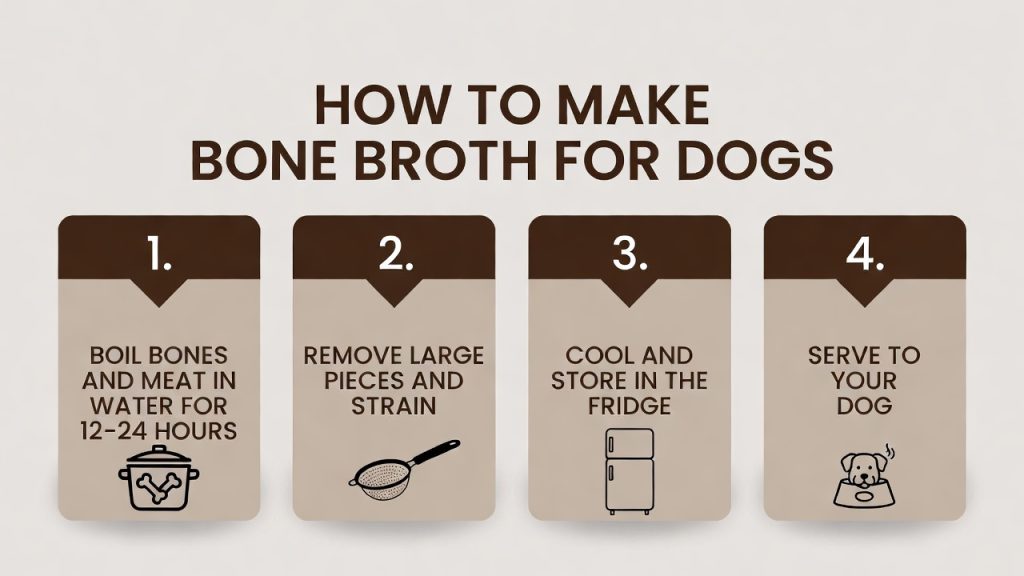
How to Make Bone Broth for Dogs?
Your dog bounces excitedly when it’s dinner time. The wagging tail. The hopeful eyes. We want to give our furry friends the best nutrition possible. Bone broth for dogs is one of the simplest ways to boost their health from the inside out. It’s not some fancy dog supplement you need to buy at a pet store. You can make it right in your own kitchen with basic ingredients you probably already have.
Let me walk you through everything you need to know about making homemade bone broth for your pup.
What Is Bone Broth for Dogs?
Bone broth is a liquid created by simmering animal bones in water for a long time. The bones slowly break down, releasing nutrients into the water. What you get is a nutrient-rich liquid that dogs absolutely love to eat.
Think of it as a liquid supplement wrapped in flavor. Dogs go crazy for it. They don’t just eat it because it tastes good. The broth gives their body real nutrition that supports their health.
When you cook bones over many hours, the collagen in the bones transforms into gelatin. Amino acids leak out of the bones into the water. Minerals from the bones dissolve into the liquid. All of these good things end up in your final product. That’s what makes bone broth so special for dogs.
You can serve bone broth to your dog warm or cold. You can pour it over their regular food. You can freeze it into ice cube treats. You can use it as a topper or mix it into their meals.
Why Your Dog Needs Bone Broth
Dogs benefit from bone broth in several ways. Let me break down the main reasons you should add it to your dog’s diet.
Supports Joint Health
Your dog runs and jumps and plays. Their joints take a beating. Collagen and gelatin are the building blocks of healthy joints. When your dog eats bone broth, they get these compounds directly. Dogs with joint issues often see improvement when bone broth becomes part of their diet.
This is especially true for older dogs or large breed dogs. Larger dogs put more pressure on their joints. Older dogs have joints that need more support. Bone broth gives them what they need.
Helps Digestion
The gelatin in bone broth coats the digestive system. A healthy gut means a healthy dog. Dogs with digestive trouble often improve when you add bone broth to their food.
The amino acids in broth help repair the gut lining. If your dog has a sensitive stomach or digestive issues, this can make a real difference. You’ll see better energy, healthier skin, and a happier pup.
Boosts Immune System
Bone broth contains amino acids that support immune function. It has minerals like calcium and magnesium. It has compounds that help fight inflammation in the body.
A strong immune system means fewer vet visits. Your dog fights off illness better. They stay healthier overall.
Improves Skin and Coat
The collagen and amino acids in bone broth support skin and coat health. You’ll notice your dog’s fur becomes shinier. Their skin becomes healthier. They scratch less.
If your dog deals with dry skin or a dull coat, bone broth can help turn things around.
Supports Overall Wellness
Beyond the specific benefits, bone broth just makes dogs feel better. It’s good for their bones. It’s good for their muscles. It’s good for their ligaments. It helps them age better.
Most dogs that eat bone broth regularly have more energy and act younger and more playful.
What Bones to Use for Dog Bone Broth
Not all bones are created equal. Some bones work better for broth than others.
Best Bones for Dog Broth
Raw knuckle bones work great. They have a lot of collagen. Marrow bones are excellent. Beef bones give you a rich, hearty broth. Chicken bones work well too, especially if you’re making smaller batches. Turkey bones are another good option.
You can use bones from beef, chicken, turkey, or lamb. Any of these animals give you bones suitable for broth.
Where to Get Bones
Ask your butcher. Most butchers have bones available. They often sell them cheap because they’re using bones that came from other cuts of meat. Some butchers will give you bones for free if you ask nicely.
Check your local grocery store’s meat counter. Many stores will set aside bones for customers who ask.
Buy raw bones. Avoid cooked bones. Cooked bones can splinter and hurt your dog. Cooked bones don’t make good broth anyway.
Some pet stores sell raw frozen bones. This is another solid option if you can’t find bones at a butcher.
How Much Bone to Use
Use about one pound of bones per quart of water. So if you’re making two quarts of broth, use two pounds of bones.
The exact amount isn’t critical. More bones will make stronger broth. Less bone will make weaker broth. Both work fine for your dog.
Ingredients You’ll Need
The beauty of bone broth is its simplicity. You don’t need much.
Essential Ingredients
Water is your main ingredient. Use filtered water if you can. Tap water works too.
Bones. That’s it. Seriously. Water and bones are all you need to make bone broth.
Optional Ingredients to Consider
Apple cider vinegar. A small splash of raw, unfiltered apple cider vinegar can help pull minerals from the bones. Use just a tablespoon or two for a big pot. This is optional but helpful.
Vegetables. A carrot, some celery, or a handful of spinach adds extra nutrition. Keep vegetables very plain. No onions or garlic. No seasonings. Just plain veggies.
Ginger or turmeric. A small piece of fresh ginger adds flavor and has anti-inflammatory benefits. Turmeric does too. Use tiny amounts. These are optional extras.
What NOT to Add
Never add salt. Dogs don’t need added salt in their food. Bone broth should be salt-free for dogs.
Never add onions or garlic. These vegetables are toxic to dogs.
Never add spices or seasonings beyond ginger or turmeric.
Never add bones from cooked meats that had seasoning on them. You want clean, plain bones.
Step-by-Step Instructions for Making Dog Bone Broth
Now we get to the actual process. Don’t worry. It’s super easy.
Step 1: Prepare Your Bones
Get your raw bones. Rinse them under cold water. You don’t need to clean them intensely. Just a quick rinse.
If you want to blanch the bones first, you can. Boil them in water for a few minutes, then drain and rinse. This removes some impurities. It’s optional. Many people skip this step and do just fine.
Step 2: Add Water to Your Pot
Place your bones in a large pot. Cover the bones with water. You want to use about one quart of water per pound of bones. Add a little extra water to be safe. You can always boil off extra liquid later.
If you have apple cider vinegar, add a tablespoon or two now. Don’t worry if you don’t have it.
Step 3: Bring to a Boil
Turn the heat to high. Let the water come to a full boil. You’ll see foam and impurities rise to the surface.
Skim off this foam with a spoon or ladle. You don’t need to get every bit. Just skim off the big stuff.
Step 4: Reduce Heat and Simmer
Turn the heat down to low. You want a gentle simmer. Not a rolling boil. Just little bubbles coming up here and there.
This is where patience comes in. Bone broth needs time to extract all those good nutrients from the bones.
Step 5: Let It Cook
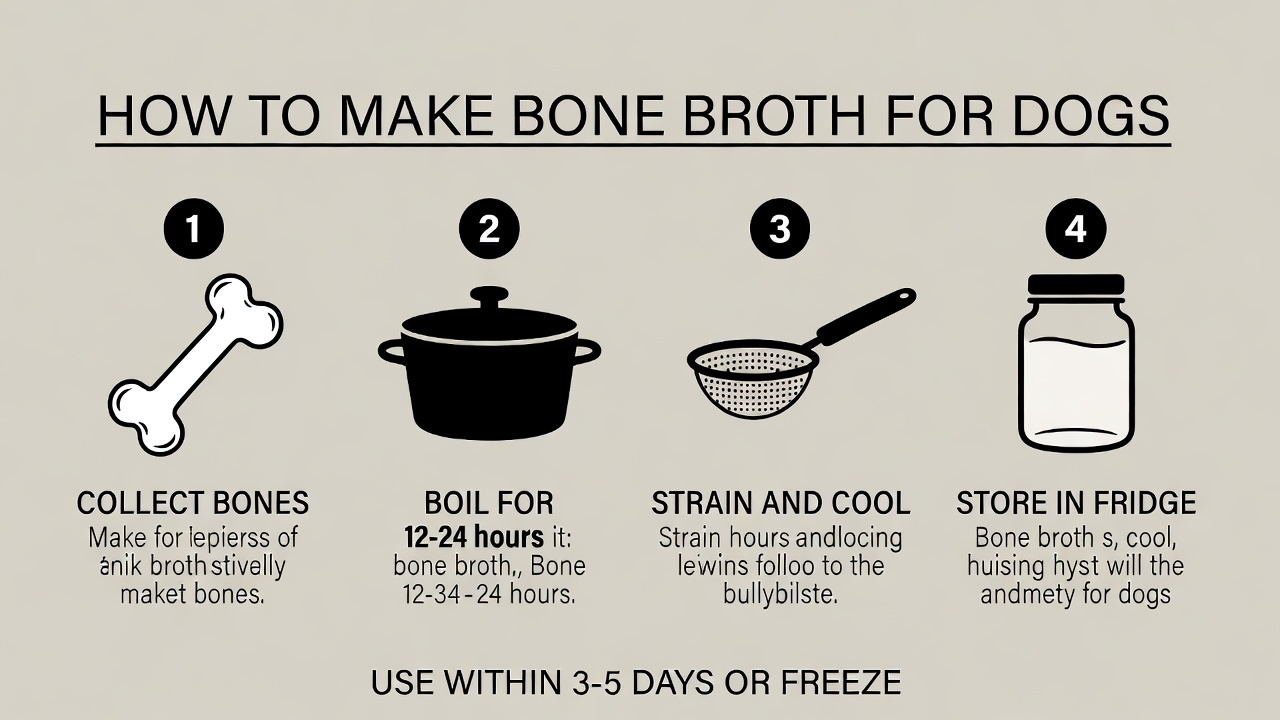
For chicken bones, simmer for 12 to 24 hours. For beef or lamb bones, simmer for 24 to 48 hours. Longer cooking means more nutrients extracted.
You don’t need to watch it. Just let it go. Check on it occasionally to make sure there’s still water in the pot. If it’s getting low, add more water.
The smell will be amazing. Your kitchen will smell like a cozy restaurant.
Step 6: Strain the Broth
Once your broth has cooked long enough, it’s time to strain it. Use a fine mesh strainer or cheesecloth. Pour the broth through it into a clean pot or large bowl.
The bones should be soft and falling apart at this point. That’s exactly what you want. It means they’ve given up all their nutrients.
You can compost the bones or throw them away. Don’t give them to your dog. They’re too soft and can cause intestinal blockage now.
Step 7: Cool and Store
Let the broth cool to room temperature on your countertop. This takes an hour or two.
Once it’s cool, put it in the fridge. As it cools completely, the fat will rise to the top and solidify. This fat layer actually protects the broth and keeps it fresh longer.
You can skim off this fat if you want, but leaving it is fine. Dogs don’t mind the fat.
How to Store Bone Broth for Dogs
You made your broth. Now you need to store it correctly so it lasts.
Refrigerator Storage
Bone broth keeps in the refrigerator for up to five days. Store it in a glass container with a lid. Make sure the container is airtight.
Don’t open and close the container too much. Every time you expose it to air, bacteria can get in.
If you notice any mold or smell anything off, throw it out. Trust your nose.
Freezing Your Broth
Freezing is the best way to store bone broth long term. You can freeze it for up to three months.
Pour the cooled broth into freezer containers or ice cube trays. If you use ice cube trays, once they freeze, pop the cubes out and put them in a freezer bag. This saves space.
Label your containers with the date you made it. This helps you use older batches first.
Thaw frozen broth in the fridge overnight before using it.
Thawing and Using
Thaw your broth in the refrigerator. Never thaw on the countertop. This lets bacteria grow.
Once thawed, use it within three to four days.
You can heat it slightly before serving, but it’s not necessary. Dogs will eat it cold or warm.
How Often to Give Bone Broth to Your Dog
You don’t need to give bone broth every day. Even a little bit helps.
For Healthy Dogs
Healthy adult dogs can have bone broth three to four times per week. Serve it as a topper on their regular food. A quarter cup for small dogs. A half cup for medium dogs. A cup for large dogs.
You can give it less often and see benefits. Once or twice a week is still helpful.
For Dogs with Health Issues
Dogs with joint problems benefit from daily bone broth. Same with dogs with digestive issues. You can give these dogs more frequent servings.
Start with small amounts. Build up the serving size slowly. This gives their digestive system time to adjust.
For Puppies
Puppies can have bone broth too. Use smaller portions. A tablespoon or two mixed into their food is fine.
Start early and you’re setting your puppy up for a lifetime of better health.
For Senior Dogs
Older dogs benefit greatly from bone broth. The joint support and immune boost are exactly what aging dogs need. You can give senior dogs bone broth several times a week or even daily.
How to Serve Bone Broth to Your Dog
There are many ways to incorporate bone broth into your dog’s diet.
Mixed Into Dry Food
This is the simplest method. Pour some broth over your dog’s dry kibble. Let it soak in for a minute. The kibble absorbs the broth and becomes more flavorful and nutritious.
Your picky eater might suddenly get excited about their food.
As a Standalone Treat
Serve bone broth in a bowl as a special treat. Dogs love it. It’s like a warm soup for them.
On hot days, you can freeze it in a bowl for a cooling treat.
Frozen Into Ice Cubes
Pour broth into ice cube trays. Freeze completely. Pop cubes out and store in a freezer bag.
These become perfect training treats or just fun toys for your dog to lick and enjoy.
Mixed Into Wet Food
If your dog eats canned dog food or fresh raw food, add broth to it. It adds nutrition and moisture.
In Homemade Dog Food
If you make your own dog food, broth is a perfect addition. Use it as the liquid base in your recipes.
As a Gravy
Think of bone broth as a natural gravy for your dog’s meals. It makes eating more enjoyable and adds real nutrition.
Common Problems and Solutions
You’ll want to avoid a few things when making bone broth.
The Broth Smells Bad
If your finished broth smells sour or off, throw it out. This means bacteria got into it somehow.
Next time, make sure your equipment is clean. Make sure you cool the broth quickly after cooking.
The Broth Turned Cloudy
Cloudy broth happens when impurities aren’t removed during cooking. It’s still safe to drink. It just means you’ll want to strain it better next time.
Use cheesecloth or a very fine strainer for clearer broth.
There’s Too Much Fat
If you don’t like how much fat is in your broth, refrigerate it. The fat solidifies on top. Skim it off with a spoon.
Some fat is fine for dogs. The fat is actually nutritious. But if there’s too much for your preference, remove it.
The Broth Is Too Weak
If your broth doesn’t taste strong and beefy, you used too little bone or didn’t cook it long enough.
Next time, use more bones or cook for longer. You can also strain your finished broth and cook it again with new bones.
The Pot Boils Dry
You forgot to check on it. It happens. Next time, set a reminder on your phone to check the water level every few hours.
You can prevent this by using a larger pot with more water. The more water, the longer it takes to boil dry.
Bone Broth for Dogs vs. Human Bone Broth
You might wonder if bone broth for humans is the same as bone broth for dogs. It’s similar but with important differences.
Human bone broth often has salt added. Dogs shouldn’t have added salt. Always make dog broth without salt.
Human bone broth might have herbs and spices. Dogs don’t eat herbs and most spices. Keep dog broth plain except for optional ginger or turmeric.
Human bone broth is sometimes made with vinegar. A little vinegar is fine for dog broth, but use less than you would for human broth.
You can make a big batch and set aside a plain version for your dog. Then add salt and seasonings to the rest for yourself.
Frequently Asked Questions About Dog Bone Broth
Let’s answer some common questions you might have.
Can I give raw bones instead of bone broth?
Raw meaty bones can be good for dogs too. They’re different from bone broth. Raw bones clean teeth and provide mental stimulation. Bone broth is easier to digest and better for absorption of nutrients. Both have a place in your dog’s diet.
How will I know if bone broth helps my dog?
Watch for increased energy. Notice shinier coat. See if they scratch less. Check if they move with more ease. These changes usually show up within a few weeks of regular bone broth consumption.
Can puppies have bone broth?
Yes, puppies can have bone broth. Start with small amounts. A tablespoon mixed into their food is plenty. Build up slowly.
What if my dog has allergies?
If your dog has meat allergies, check with your vet before giving bone broth. If your dog is allergic to chicken, avoid chicken bone broth. Stick to beef or lamb instead.
Is bone broth safe for all dog breeds?
Yes, bone broth is safe for all dog breeds and sizes. Just adjust portion sizes based on your dog’s weight.
How many calories does bone broth add?
Bone broth is very low in calories. A cup of bone broth has about 15 to 20 calories. It’s a great addition to any dog’s diet without concern about weight gain.
Can I give bone broth if my dog is on a special diet?
Check with your vet if your dog is on a therapeutic diet. Most vets will say plain bone broth is fine. It shouldn’t interfere with any special diets.
What if I don’t have time to make bone broth?
You can buy prepared bone broth for dogs. Look for brands that make it specifically for dogs. They don’t add salt or seasonings. You can also find bone broth at many pet supply stores. Homemade is cheaper, but store-bought works too.
Ingredients That Make the Best Bone Broth
Let me go back to the ingredients for a moment because it matters.
The best bone broth starts with the best bones. Bones from grass-fed animals are superior to bones from factory-farmed animals. They have more nutrients.
If you can get bones from grass-fed beef, your dog gets extra nutrition.
Chicken bones from free-range chickens are better than conventional chicken bones.
If you can’t find grass-fed or free-range bones, conventional bones still work. They still give your dog benefits.
Water quality matters too. Filtered water makes slightly better broth than tap water. But tap water is fine if that’s what you have.
Making Bone Broth a Part of Your Dog’s Diet
You’ve learned how to make bone broth. You know why it’s good for your dog. Now it’s time to actually do it.
Start this weekend. Get some bones from your butcher. Follow the simple steps. Make your first batch.
Your dog will show you how much they love it. They’ll come running when they smell it. They’ll clean their bowl completely.
More importantly, they’ll get real health benefits. You’ll see improvements in their energy, their coat, their digestion, and their overall well-being.
Bone broth isn’t expensive. It’s not hard to make. It takes a little time, but most of that time is just simmering while you do other things.
Your dog has been a loyal companion. They’ve brought you joy. Bone broth is one simple way to return that loyalty by supporting their health.
Make it once a week or once a month. Do whatever fits your schedule. Even occasional bone broth helps.
Your dog deserves the best nutrition you can give them. Homemade bone broth is one of the easiest ways to provide that.
Final Thoughts on Homemade Bone Broth for Dogs
Making bone broth for your dog shows that you care. It’s not just about nutrition. It’s about doing something extra for your furry best friend.
Your dog looks at you with complete trust. They depend on you for their well-being. Bone broth is a simple, affordable way to meet them halfway.
Start with one batch. See how your dog responds. Notice the improvements. Then keep making it.
Your kitchen will smell amazing. Your dog will be healthier and happier. That’s the whole point.
Bone broth for dogs is one of those rare things that’s easy, affordable, and genuinely beneficial. You won’t regret adding it to your dog’s life.
Go get those bones. Fire up your pot. Make some magic happen for your pup. They’re worth it.