
How to Clean a Bunny?
Bunny care can seem tricky at first. Many new rabbit owners worry about bathing their pets. The truth is that cleaning a bunny doesn’t have to be hard. Most rabbits groom themselves. But they still need help from you in certain ways.
This guide walks you through every step of keeping your bunny clean. You’ll learn safe methods. You’ll find out what to avoid. By the end, you’ll know exactly how to care for your fluffy friend.
Why Rabbit Cleaning Matters
Your bunny’s health depends on staying clean. Dirty fur can cause skin problems. It can lead to infections. Matted hair traps moisture and heat. This creates a perfect home for bacteria.
Pet rabbits can’t always reach every part of their bodies. Long-haired rabbits have extra trouble. They need regular grooming help from their owners.
Keeping your rabbit clean also means keeping the hutch clean. A dirty home spreads illness fast. Your bunny spends most of its time in this space. A clean cage equals a healthy rabbit.
Good hygiene also stops parasites. Mites and fleas love dirty fur. They multiply quickly in unclean conditions. Regular cleaning and grooming prevent infestations.
Understanding Your Rabbit’s Grooming Habits
Rabbits are very clean animals by nature. They spend hours each day licking their fur. They groom themselves much like cats do. But rabbits have some limits.
Short-haired rabbits handle self-grooming well. These breeds rarely need baths. Their short coat prevents matting. They keep themselves tidy most of the time.
Long-haired rabbits are different. Breeds like Angoras and Lionheads have thick, fluffy coats. Their fur tangles easily. They can’t reach their back end well. These breeds need regular human help to stay clean.
Rabbits can’t handle getting too wet. Their fur takes forever to dry. Damp fur puts them at risk for serious illness. Cold and moisture combined can be deadly for rabbits. This is why proper drying matters so much.
Rabbits also don’t like being held under running water. It scares them. It makes them thrash around. They can hurt themselves. This stress can cause health problems.
When Your Bunny Needs a Bath
Most pet rabbits never need a full bath. Spot cleaning works better. But sometimes a bath becomes necessary.
Your rabbit needs a bath if it has fecal staining. This happens when poop sticks to its rear end. Overweight rabbits can’t clean this area. Older rabbits struggle too.
Urine staining is another reason. Rabbits with mobility issues sometimes get wet fur. Sick rabbits may lie in their own waste. Soiled fur needs careful cleaning.
You might bathe a bunny after it gets into something messy. Maybe it rolled in the garden. Maybe it got dirty bedding stuck to its coat. A spot bath can help here.
Skin conditions sometimes call for medicated baths. Your vet might prescribe these. Always follow your vet’s instructions exactly.
Some owners bathe their rabbits during shedding season. This helps remove loose fur. But quick spot baths work just as well.
Never bathe a healthy rabbit just because you think it’s dirty. Rabbits hate water baths. The stress alone can harm them.
Getting Ready: Supplies You’ll Need
Before you even think about bathing, gather your supplies. Being prepared makes the whole process faster and safer.
You’ll need warm water. Not hot. Not cold. Lukewarm water is best. Test it on your wrist like you would for a baby.
Get a small sink or large basin. A kitchen sink works great. Fill it with just a few inches of water. You won’t dunk your rabbit. You’ll use a washcloth instead.
Grab several soft washcloths. Flannel works well. Don’t use rough or scratchy materials. Bunny skin is tender and sensitive.
Have clean towels ready. Get three or four. You’ll need them for drying. Soft, absorbent towels work best.
Get a gentle, rabbit-safe shampoo. Baby shampoo works in a pinch. But buy rabbit-specific shampoo if possible. Never use human shampoos. They have too many chemicals.
A small spray bottle helps with spot cleaning. Fill it with lukewarm water. You can target specific areas without dunking your bunny.
Keep treats nearby. You’ll reward your rabbit after cleaning. Positive associations help next time.
Have a secure area ready. Pick a warm, draft-free space. Keep other pets out. You need to focus fully on your bunny.
A grooming brush is essential. Slicker brushes work well. Metal combs help too. You’ll use these before and after cleaning.
Step-by-Step: How to Bathe Your Rabbit Safely
Bathing a rabbit takes patience. Go slow. Keep your bunny calm. Never rush the process.
First, brush your rabbit thoroughly. Remove mats and loose fur. A clean bunny is easier to bathe. Brushing also calms your pet.
Get your rabbit used to water sounds. Run water from the spray bottle. Let it hear the sound. Let it see you handle the bottle calmly.
Fill your sink or basin with a few inches of lukewarm water. Test the temperature with your elbow or wrist. It should feel warm but not hot.
Gently place your rabbit in the water. Keep your hand on its back. Talk softly. Act calm and confident. Your rabbit will sense your mood.
Use a wet washcloth to dampen your rabbit’s fur. Start at the neck. Work toward the back. Never spray water directly on its face.
Apply a tiny bit of shampoo. Gently massage it into the wet fur. Don’t scrub hard. Use soft, gentle motions. Focus on dirty areas.
Rinse carefully with fresh water. Dip a clean washcloth in clean water. Wipe the shampoo away. Repeat until the shampoo is gone. Soapy residue irritates skin.
Support your bunny firmly. Hold the back legs. Support the chest. Rabbits panic when they feel unsupported. A secure hold calms them.
Keep the process quick. Five to ten minutes is plenty. Longer baths stress your rabbit out.
Lift your bunny out gently. Place it on a soft towel immediately. Don’t let it shake itself dry. Water goes everywhere. Your bunny gets cold.
Drying Your Rabbit Properly
Drying matters as much as the bath itself. A wet rabbit can develop serious health issues quickly.
Pat your bunny gently with a towel. Don’t rub hard. Gentle patting removes water without hurting your rabbit’s skin.
Use multiple towels. As one gets damp, switch to a dry one. Keep patting until the fur is mostly dry.
Some owners use a low-heat hair dryer. Keep it on the lowest setting. Move it constantly. Never hold it in one spot. Test the air with your hand first. It should feel barely warm, not hot.
Hold your bunny close while drying. Your body heat helps. The closeness also calms your pet.
Keep your rabbit in a warm room. No drafts. No air conditioning. A bunny in wet fur is very vulnerable to cold.
Continue gentle drying for ten to fifteen minutes. The goal is to remove as much moisture as possible. The fur should feel mostly dry, not soaking wet.
Let your rabbit rest in a warm, safe space. It just went through a stressful experience. Give it recovery time.
Spot Cleaning Without a Full Bath
Spot cleaning is safer and easier than full baths. Most rabbits need spot cleaning, not full baths.
Spot cleaning means washing just one dirty area. You use a damp washcloth. You don’t dunk your rabbit.
Dip a soft washcloth in lukewarm water. Gently wipe the soiled fur. Be patient. Work slowly. Let the water do the work.
For stubborn dirt, add a tiny drop of gentle shampoo. Dampen and wipe again. Rinse with a clean, wet washcloth.
Pat the area dry with a towel. Use the same gentle patting motion as a full bath.
Spot cleaning takes just a few minutes. Your rabbit stays calmer. Drying is much faster. The whole process is less stressful for everyone.
Use spot cleaning for rear end soiling. Wipe the area gently. Repeat as needed. Do this regularly to prevent buildup.
Clean your rabbit’s face with plain water only. No shampoo near the eyes or nose. Dip a corner of a washcloth in warm water. Gently wipe around the face. Be very careful.
For sticky substances, a damp cloth usually removes them. Sometimes you need to work at it a bit. Stay patient. Your bunny will cooperate better if you stay calm.
Grooming: The Best Cleaning Method
Regular grooming keeps your rabbit cleaner than baths ever could. Brushing removes dirt before it builds up.
Brush your short-haired rabbit two or three times per week. Long-haired rabbits need brushing every day. This prevents mats. It removes loose fur.
Start at the head. Work toward the tail. Brush in the direction of hair growth. Never brush backward.
Use gentle, smooth strokes. Your bunny should enjoy brushing. It feels like a massage. Many rabbits relax during grooming.
A slicker brush gets most mats out. A metal comb finds remaining tangles. Use both tools together.
During shedding season, brush even more often. Your rabbit sheds tons of fur. Removing it prevents ingestion. Swallowed fur can cause blockages.
Brush your rabbit’s belly gently. The underside has sensitive skin. Use lighter pressure here.
Check your rabbit’s rear end during grooming. If you see matting, address it right away. Mats trap moisture and bacteria.
Regular grooming keeps your rabbit’s coat fresh. It reduces odors. It prevents skin issues. It’s much safer than bathing.
Make grooming a bonding activity. Talk to your bunny. Give treats. Make it positive. Your rabbit will look forward to grooming time.
Cleaning Your Rabbit’s Ears
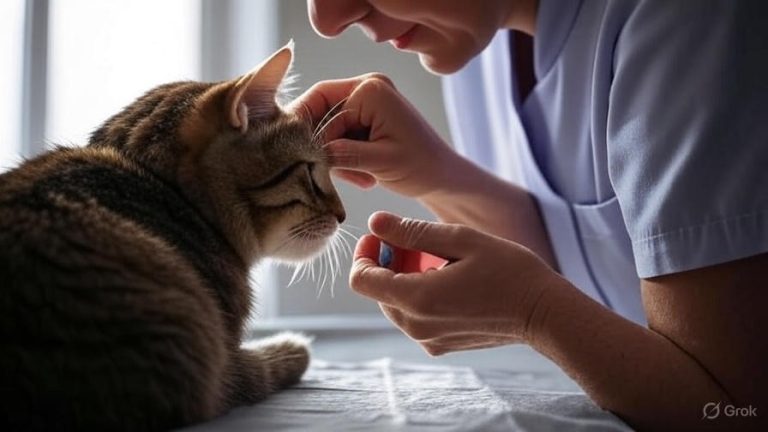
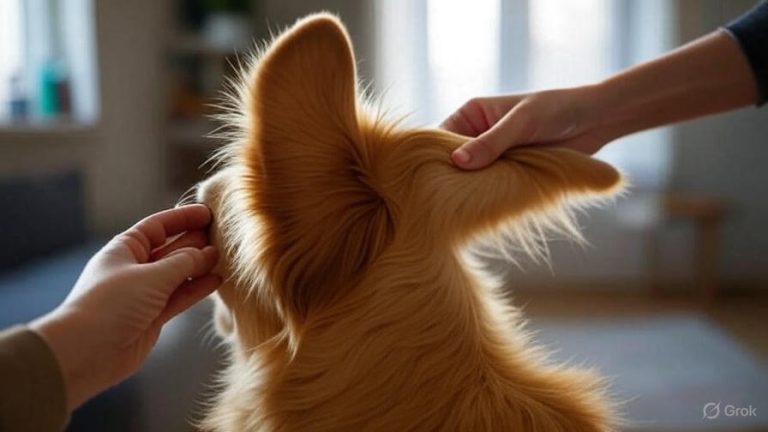
Ears need regular cleaning too. Rabbits’ ears are delicate. They need gentle care.
Check your rabbit’s ears weekly. They should be pink inside. You should see minimal wax buildup.
Some rabbits have dirty ears. Rabbit-safe ear cleaner helps. Your vet can recommend brands.
Never use cotton swabs in your rabbit’s ears. You could damage the inner ear. Serious injury can result.
Use a damp cotton ball instead. Gently wipe the inside of the ear flap. Don’t go deep into the ear canal. Just clean the visible areas.
If your rabbit has ear mites, you’ll see brown or black debris. It looks like coffee grounds. This needs vet treatment. Don’t try to treat it yourself.
Regular ear checks prevent problems. Clean ears stay healthier. Your rabbit will thank you.
Nail Care for Your Bunny
Nails need regular trimming. Dirty nails can cause problems too.
Check your rabbit’s nails every two to four weeks. Nails grow continuously. They need regular maintenance.
Trim nails with nail clippers made for rabbits. Human nail clippers don’t work well. Rabbit nails are shaped differently.
Trim only the clear or white part of the nail. Avoid the dark inner part. That contains blood vessels. Cutting here causes pain and bleeding.
If you’re unsure about trimming, ask your vet. They can show you the proper technique.
Long nails attract dirt. They collect bedding and poop. Trimmed nails stay cleaner naturally.
Long nails also scratch your rabbit’s feet. They cause sores. Infection can follow.
Nail care is part of overall hygiene. Keeping nails trimmed helps keep your bunny clean and healthy.
Managing Shedding Season
Shedding season brings extra challenges. Your rabbit sheds tons of fur. It goes everywhere.
Shedding happens naturally. Most rabbits shed at least twice yearly. Some shed continuously.
Brush daily during shedding season. Maybe even twice daily. Removing loose fur before it falls prevents buildup in the cage.
Loose fur in the cage looks dirty. It makes the space seem less clean. Regular brushing solves this problem.
Swallowed fur causes blockages. Removing loose fur before ingestion prevents this. Daily brushing during shedding season is essential.
Provide hay racks and feeders. These keep hay clean and off the floor. They reduce the amount of hay your bunny sits in.
Change bedding more often during shedding season. Use soft, absorbent bedding. Change it every two to three days instead of once weekly.
Vacuum the area around your rabbit’s hutch frequently. Shed fur accumulates. Regular vacuuming keeps the space fresh.
Your rabbit’s coat will look better with daily brushing. Less shed fur sticks to clean areas. Your bunny looks neater overall.
Dealing with Matted Fur
Mats are the enemy of bunny cleanliness. They trap moisture, dirt, and bacteria.
Small mats can be brushed out. Use your slicker brush. Work gently. Approach from different angles.
Start at the edge of the mat. Never pull from the center. Work small sections free. Be patient.
If the mat is tight against the skin, work even more carefully. You don’t want to pull out healthy fur.
Wet mats are harder to remove. Dry mats come out easier. So brush before your rabbit’s rear end area gets too soiled.
Large mats sometimes need trimming. Use scissors with rounded tips. Never use sharp scissors near your rabbit’s skin. Skin tears easily.
Cut the mat from the skin, not parallel to it. Work slowly. You can always cut more. You can’t undo cutting too close.
After removing mats, brush that area daily. Prevent new mats from forming.
Prevent mats by brushing regularly. Daily brushing stops mats before they form. It’s much easier than dealing with existing mats.
Long-haired rabbits are mat magnets. They need daily attention. Skipping even a few days allows mats to form.
Cleaning Your Rabbit’s Living Space
Your bunny’s cleanliness depends on cage cleanliness. A dirty hutch makes your rabbit dirty.
Spot clean the cage daily. Remove soiled bedding. Take out uneaten fresh food. Clean water dishes.
Do a full bedding change two to three times weekly. Rabbits are clean. They naturally use specific areas as bathrooms. Change that area daily.
Wipe down cage surfaces weekly. Use rabbit-safe cleaners. Never use harsh chemicals. They can harm your bunny.
Provide a litter box. Most rabbits naturally use one area as their toilet. Place a box there. Fill it with hay and pelleted litter.
Your rabbit will keep itself cleaner with a clean litter box. A soiled box makes your bunny dirty. A clean box prevents this.
Ventilate the cage well. Poor ventilation causes moisture buildup. Damp conditions make your rabbit dirty and sick.
Keep the cage away from direct sunlight. Heat and light cause bedding to break down faster. They also stress your rabbit.
Clean feeders and water dishes daily. Old food grows bacteria. Stale water tastes bad. Dirty dishes make your bunny sick.
Special Cleaning Situations
Some situations need extra attention. Old or sick rabbits sometimes need help.
Senior rabbits can’t groom themselves fully. They need spot cleaning more often. Be gentle. Old bones are fragile.
Overweight rabbits can’t reach their rear ends. They need regular assistance. This prevents bacterial infections.
Rabbits with mobility issues may lie in their waste. They need frequent cage changes. Spot cleaning helps too.
Sick rabbits sometimes stop grooming. They may get soiled. Gentle spot cleaning is important. But don’t stress your sick bunny more than necessary.
Rabbits recovering from surgery need careful handling. Don’t bathe them without vet permission. A dirty rabbit is better than a stressed one recovering from surgery.
Talk to your vet about special cleaning needs. Every rabbit is different. Your vet knows your bunny’s health. They’ll guide you properly.
Health Signs to Watch During Cleaning
Grooming and cleaning time let you inspect your rabbit’s skin.
Look for sores or scabs. These can indicate mites or infections. Report them to your vet.
Check for bald spots. Some hair loss is normal during shedding. But bald patches are not. These suggest health problems.
Feel for lumps or bumps. Healthy skin feels smooth. Lumps might indicate cancer. Get these checked.
Watch for excessive scratching. A little scratching is normal. Constant scratching suggests parasites or allergies.
Sniff your rabbit’s fur. It should smell fresh and slightly sweet. A bad smell suggests infection or poor hygiene.
Check the skin under the fur. It should be pink. Very red or very pale skin suggests problems.
Look at the rear end closely. It should be dry and clean. Staining that won’t clean up might mean digestive issues.
Inspect the genital area. It should be clean and dry. Discharge suggests infection.
Regular inspection catches problems early. Early treatment is always better. Your grooming time doubles as health checks.
Common Mistakes to Avoid
Many new owners make cleaning mistakes. Learning from others saves you stress.
Never use human shampoo. It’s too harsh. It irritates rabbit skin. Stick to rabbit-specific products.
Don’t bathe healthy rabbits unnecessarily. Stress from bathing can cause serious health issues. Spotting clean unless truly needed.
Never submerge your rabbit’s head. Water in the ears or nose can cause infections. Keep the face dry always.
Don’t use hot water. Rabbit skin is sensitive. Lukewarm water is safest.
Never leave your rabbit wet. Damp fur causes illness. Thorough drying is essential.
Avoid restraining your rabbit too tightly during baths. They need some freedom of movement. Over-restraint causes panic and injury.
Don’t bathe too frequently. Even necessary baths stress rabbits out. Once every few months maximum for most rabbits.
Never use a hair dryer on high heat. You’ll burn your bunny’s skin. Low heat only, if you use a dryer at all.
Don’t neglect ear cleaning. Dirty ears lead to infections. Regular checks prevent problems.
Avoid ignoring mats. They get worse quickly. Daily brushing prevents them.
Tips for Making Cleaning Easier
Some tricks make cleaning your rabbit simpler and faster.
Build positive associations. Reward your rabbit after cleaning. Use treats it loves. Make it seem worth the bother.
Start young if possible. Baby rabbits get used to handling. Adults take more time.
Keep cleaning supplies in one place. Organized supplies mean quick sessions. Quick sessions stress your bunny less.
Choose calm times. Don’t bathe when your rabbit is already stressed. Afternoon often works better than morning.
Enlist help. Having someone hold your bunny while you wash makes things easier. Two pairs of hands are better than one.
Practice dry runs. Handle your rabbit near water without bathing. Get it used to the environment. This reduces shock during actual cleaning.
Use your bathroom sink. It’s the right height. It’s easy to fill. It’s a contained space.
Keep a schedule. Regular grooming is easier than catching up later. Mark it on your calendar. Make it routine.
Play soft music. Calming sounds help your bunny relax. Classical music works well.
Speak in calm, soothing tones. Your rabbit senses your emotions. Stay peaceful and your bunny will too.
When to Call the Vet
Some situations need professional help. Know when grooming is beyond your ability.
If your rabbit has serious matting, ask your vet for help. Some vets offer grooming services. They can remove mats safely.
Skin problems need vet attention. Don’t try treating these yourself. Infections get worse without proper care.
If your rabbit refuses to eat after bathing, call your vet. This can indicate serious stress or shock.
Discharge from the rear end needs investigation. This suggests medical issues. Your vet needs to see this.
Bald spots that appear suddenly need vet evaluation. These can indicate serious problems.
If your rabbit gets cold and shivers after bathing, seek help immediately. This is an emergency.
Your vet is your best resource. Don’t hesitate to call with questions. They know your bunny. They’ll give the best advice.
Building a Cleaning Routine
Consistency is key with rabbit care. A regular routine keeps your bunny cleanest and healthiest.
Establish a grooming schedule. Short-haired rabbits need brushing two to three times weekly. Long-haired rabbits need daily brushing.
Do spot cleaning as needed. Check your rabbit daily. Clean soiled areas immediately.
Change cage bedding regularly. Make this a weekly habit. Add spot changes as needed.
Clean water and food dishes daily. This is non-negotiable.
Trim nails every three to four weeks. Put this on your calendar.
Check ears weekly. Make this part of your routine.
Bathe only when necessary. Have supplies ready just in case. But aim for zero baths yearly for healthy rabbits.
Plan extra grooming during shedding season. Double your normal brushing frequency.
Review your bunny’s health during grooming. Use this time to check for problems.
Keep your supplies organized. Knowing where everything is saves time.
Make cleaning a bonding activity. Your rabbit will associate it with attention and care.
Final Thoughts
Keeping your bunny clean is part of responsible ownership. It’s not hard once you know how. Most of the work involves brushing and cage maintenance.
Full baths are rare. Spot cleaning works better for most situations. Regular grooming prevents most problems.
Your rabbit depends on you for health and cleanliness. The effort you put in now prevents serious problems later.
Start with a good routine. Stay consistent. Your bunny will thank you with happiness and good health.
Clean, healthy rabbits live longer. They’re happier too. They’ll enjoy your company more. They’ll be better pets overall.
Take time to learn proper techniques. Talk to your vet. Join rabbit owner groups. Learn from others’ experiences.
Your bunny is counting on you. With the information in this guide, you can keep your rabbit clean, healthy, and happy. The investment of time and effort pays off in a wonderful, long relationship with your fluffy friend.

Hi, I’m Mary, the founder of PetGadgetPro.com. I’m a passionate pet lover with a special place in my heart for dogs and cats. I share practical advice and honest insights on pet gear to help pet parents make better choices. My dedicated research team studies products in depth, and our writers create reviews using trusted, authentic sources—so you can feel confident choosing the best for your pets.