5 Best Pellet Cat Litter In 2026
As an Amazon Associate we earn from qualifying purchases.
Pellet cat litter is a type of litter made from small, compressed granules rather than loose sand or grit. Many cat owners choose it because the pellets tend to produce less dust and can hold odors well. If you are new to this type of litter, the choice can feel confusing, since pellets come in several materials, sizes and designs.
This guide looks at five pellet cat litter products and explains how they compare. It is written for beginners who want to understand the main differences before buying. The comparison rests on the listed features and typical use of each product, not on personal testing, so the points below describe what buyers commonly expect from products of this kind.
Pellet materials vary widely. Some are made from wood, some from paper, and some from plant fibers such as corn or wheat. Each material handles moisture, odor and weight a little differently, so it helps to know what you want before comparing labels.


1. Fresh News Original Pellet Non-Clumping Paper: best for budget-minded paper litter fans
What this litter is and who it suits
This is a pellet litter made from 100% post consumer recycled paper, which means the paper came from recycling centers rather than new material. It is unscented and does not clump, so urine soaks into the pellets instead of forming solid balls. It suits owners who want a plant-based, paper-based option and who do not need clumping for easy scooping.
Non-clumping litter works differently from clay clumping litter. Instead of lifting out a single ball, you remove solid waste and any saturated pellets, then add fresh litter to keep the layer at a usable depth. Owners who prefer a simple routine often find this approach easy to manage.
Key features in plain words
The pellets contain baking soda, which helps reduce odors. The maker says the paper absorbs about three times more than clay, and the pellets are described as holding their shape when wet. The product is also described as biodegradable when composted, which may appeal to people who want to reduce waste.
Keep in mind that composting paper litter usually requires a suitable compost system, and not every household or local program accepts it. Check local rules before assuming the litter can go into a compost bin or green waste collection.
Daily use and performance
In everyday use, pellets like these usually need to be replaced as a full layer when they become saturated, because they do not form clumps you can lift out. Owners often find that the pellets stay in place and create little dust. Odor control depends on how often the box is cleaned, so regular spot cleaning still matters.
A practical habit is to remove solid waste daily and check the bottom of the box for soggy pellets. Replacing the litter on a schedule that matches your number of cats and box size can help keep odors in check.
Ease of use and value
Because the litter does not clump, cleaning means removing solids and wet pellets, then topping up fresh litter. The 25-pound bag is a large amount, which can suit homes with one cat and a steady supply need. At this listed price, the cost per pound is modest for a product of this type.
Large bags can be heavy to carry and store, so consider where you will keep the litter before buying. A sealed container in a dry spot helps protect the pellets from moisture and pests.
Pros
- Made from 100% post consumer recycled paper
- Described as 99% dust free and non-allergenic
- Unscented, which suits sensitive noses
- Large bag size for steady supply
Cons
- Non-clumping means full box changes rather than scooping
- Paper pellets may need more frequent replacement than clumping litter
- Odor control relies on regular cleaning
2. Tidy Cats Breeze Zeolite Pellet: best for a pellet system with a month-long supply
What this litter is and who it suits
This product is a zeolite pellet litter designed for use with the Breeze litter system. Zeolite is a natural mineral that is commonly used in cat litter for its ability to trap moisture and odor. The pellets are unscented, which suits households with sensitive noses or multiple cats.
Because the litter is built around a specific tray and routine, it suits owners who are comfortable following a set process. People who prefer a simple pour-and-scoop litter with no system to learn may find other options easier to use.
How the system is meant to work
The product is described as letting urine pass through the pellets while solid waste stays on top. Solids can then be scooped away, which is the main idea behind the Breeze approach. The pellets are described as anti-tracking and 99.9 percent dust free, which can reduce mess around the box.
In a typical routine, owners remove solid waste each day and keep the pellets in place rather than dumping the full box. This method limits how much litter is thrown out and keeps the tray doing its job between changes. Following the system’s written steps closely is what allows the design to work as described.
Real-life use and longevity
In practice, owners of a pellet system like this usually add fresh pellets rather than emptying the whole box. The product states that the litter lasts up to 30 days when used as directed. Keeping the tray in good condition and following the system’s instructions helps the pellets perform as intended.
Actual lifespan can vary with the number of cats, how often solids are removed, and the size of the tray. A single cat in a small household may stretch the pellets further than several cats sharing one box. Owners who track how quickly the pellets are used will get the most reliable sense of their own supply.
Value for money
The 3.5-pound pack is priced at a level that works out well when the stated 30-day supply is taken into account. Compared with buying larger bags of loose litter, the monthly cost can be easy to plan for. Because the pack is small, it suits a single cat or a household that only needs one box refreshed at a time.
Value also depends on if the tray and pellets are used together as intended. If the system is set up correctly, the cost per month stays predictable. Households with several cats should compare the total spend against their own usage before deciding.
Pros
- Unscented zeolite pellets that suit sensitive noses
- Described as 99.9 percent dust free and anti-tracking
- Stated to last up to 30 days when used as directed
- Works well for multi-cat homes according to the product description
Cons
- Tied to the Breeze system, so it is not a drop-in fit for every box
- The pack is small, so frequent buyers may need several bags
- Results depend on following the system’s routine closely
3. HONEY CARE Petrichor Mix Cat Litter: best for natural bean husk and clumping fans
What this litter is and who it suits
This litter is made from bean husks, the same plant material used in tofu, combined with bentonite clay. It is designed to clump quickly when wet, which lets owners lift out solid clumps and remove wet areas. It suits people who prefer clumping litter and want a plant-based base.
Owners who want a litter with a lighter environmental footprint may find the plant-based base appealing. Those who need a fully clay-free product should look at the ingredient list more closely, since bentonite is part of the mix.
Scent and odor control
The product is described as releasing a jasmine scent when it contacts cat urine. Some owners prefer a light fragrance, while others want no scent at all, so this detail matters for personal taste. The maker describes the odor control as long lasting, which is a common selling point for clumping litters.
Scent is a personal call, and a fragrance that is pleasant to one person can be too strong for another. Households with cats that are sensitive to smells may want to try a small bag first. Odor control also depends on how often wet clumps are removed, so regular scooping supports the best results.
Dust, tracking and pellet size
The pellets are described as 2 millimeters in size, which is small enough to stay mostly in the box. The low-dust formula is intended to reduce paw prints around the home. Because the product is pellet-based, owners may notice less tracking than with fine clumping sand.
Pellet size affects how the litter feels underfoot and how easily it spreads. Smaller pellets can be gentler for some cats, though preferences differ from one animal to the next. Owners with hardwood or carpeted floors may notice a difference in how much litter ends up outside the box.
Ease of use and value
Quick clumping makes scooping straightforward, since wet areas form solid balls that lift out cleanly. The 24-pound value pack comes in four 6-pound bags, which can spread cost across a longer period. The price is higher than some other options, so the value depends on how much a household uses.
Buying the larger pack can lower the cost per pound, but only if the litter is used before it is needed elsewhere. Households with one cat may find that a single smaller bag fits their needs better. Comparing the price per pound gives a clearer picture than comparing bag prices alone.
Pros
- Plant-based bean husk and bentonite blend
- Quick clumping for easy scooping
- Low-dust formula with small 2 millimeter pellets
- Vacuum-sealed packaging to keep pellets intact in transit
Cons
- Jasmine scent may not suit everyone
- Higher total price for the value pack
- Bentonite is a clay component, so it is not fully clay-free
4. Cat Litter Pellets Exclusively: best for double-layer litter boxes
What this litter is and who it suits
This zeolite pellet litter is made for double-layer litter boxes with wet and dry separation. The idea is that a pee pad sits underneath, while the pellets sit on top to control odor. It suits owners who already use or want to use a double-layer box setup.
Zeolite is a mineral that is often used in cat litter because of its ability to absorb liquids. In this product, the pellets are meant to work with the pad below rather than replace it. Owners who prefer a simple single-tray box may find this system less convenient.
How the double-layer design works
In this setup, urine drains through the top layer and is held below, so the top stays drier. The product is described as separating waste so that solids stay on top, which makes scooping easier. Pairing the pellets with disposable pads is suggested as a way to speed up changes.
A typical double-layer box has a perforated top tray and a solid bottom tray. The pad sits in the bottom tray, and the pellets sit in the top tray above it. Owners should check that their box has this kind of design before buying, since the system depends on the layers working together.
Cleaning routine and dust
Because the litter is non-clumping, cleaning relies on removing solids and replacing the top layer. Owners who use pads may find routine changes quicker than with traditional boxes. The product is described as 99.9 percent dust free, with large granules that stay in the box.
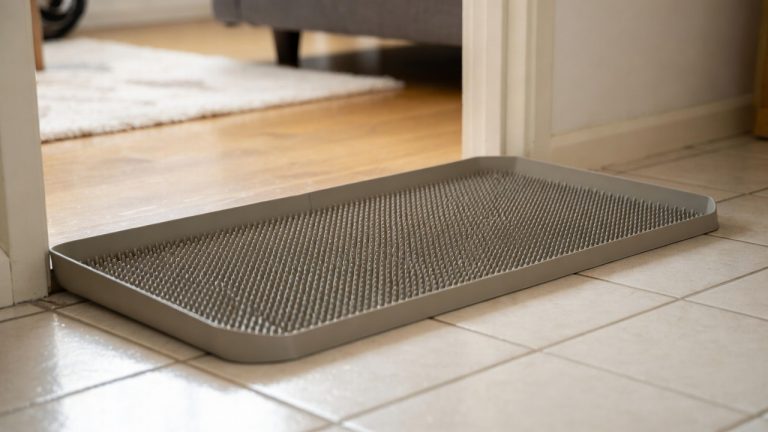
Large granules can also help reduce the amount of litter that gets kicked out of the box. Cats that dig vigorously may still send some pellets onto the floor, so a mat under the box can be a practical addition. Regular scooping of solids each day keeps the top layer fresher between full changes.
Value and bag size
The 3.6-pound bag is stated to last about 30 days. That makes the monthly cost easy to estimate. Because the litter depends on a double-layer box, owners who do not have the setup may need to buy the box and pads as well, which adds to the total cost of this system.
To estimate the real cost, owners can add together the price of the litter, the pads and any new box. Pads are a recurring expense, so they should be included in the monthly total. Comparing this full figure with a standard clumping litter will give a clearer picture of value.
Pros
- Designed for double-layer boxes with wet and dry separation
- Zeolite pellets described as adsorbing ammonia and neutralizing odors
- Unscented, non-clumping, and low-tracking
- Stated to last about 30 days
Cons
- Works best only in a double-layer box and with pads
- Non-clumping means full changes of the top layer
- Setup costs can add up if a suitable box is not already owned
5. Fresh News Multi-Cat Pellet Non-Clumping Paper: best for multi-cat homes that want scented paper pellets
What this litter is and who it suits
This is a paper pellet litter made from 100% post consumer recycled paper, like the original Fresh News product. The key difference is that this version is listed as scented. It suits households with more than one cat that prefer a paper-based litter and a light fragrance.
Post consumer recycled paper comes from paper products that have already been used and collected by households or businesses. Paper-based litters are often chosen by owners who want a plant-based alternative to clay. Because this version is scented, owners who want a fully unscented option should look at other products.
Scent, odor control and absorption
The pellets contain baking soda and are described as moisture-locking, which helps reduce odors and keep the box feeling fresh. The product is described as three times more absorbent than traditional clay litters. Because of the added scent, some buyers may prefer it, while others with sensitive noses may not.
Baking soda is a common odor absorber, and it is often used in home products for that reason. A scented litter may mask smells in a room, but good odor control also depends on regular scooping. Cats can be sensitive to strong fragrances, so owners should watch for changes in litter box use after switching.
Tracking and dust
The softer pellets are described as retaining their form when wet, which can reduce tracking on paws and floors. The product is also described as over 99 percent dust free and non-allergenic. These features make it suitable for a clean, low-mess setup.
Paper pellets are generally lighter than clay granules, so they may be easier to carry on paws if they break apart. A litter mat placed outside the box is still a helpful habit in any home. Owners with allergies may find dust-free litters easier to live with, though they should still wash their hands after cleaning the box.
Ease of use and value
Like the original version, this litter does not clump, so owners remove wet pellets and solids and add fresh litter. The 25-pound bag provides a large supply, which can suit multi-cat homes that use more litter. At this listed price, the cost per pound is close to that of the original Fresh News product.
Because the litter does not clump, owners will need to replace the full box more often than with clumping litter. Multi-cat homes may find that the large bag helps cut down on how often they reorder. Checking the price per pound on the current listing before buying is a simple way to compare options.
Pros
- Made from 100% post consumer recycled paper
- Scented version for owners who want a light fragrance
- Described as low-tracking and virtually dust free
- Large bag size suits homes with several cats
Cons
- Scent may not suit cats or people who prefer unscented litter
- Non-clumping means full changes of wet pellets
- Multi-cat homes may go through the bag quickly
Comparison insights: how these pellet litters differ
The five products fall into two main groups. Two are paper-based pellets from Fresh News, while the other three use zeolite or a bean husk and bentonite blend. Each group has different strengths in absorption, scent and cleaning routine.
Paper pellets and zeolite products are generally built around odor control and absorption. Paper pellets break down into a fine material when wet, which is why they are often sold as non-clumping. Zeolite grains trap moisture inside their structure, so they hold liquid without forming solid balls.
The HONEY CARE product puts more weight on quick clumping. Clumping litter lets owners scoop out only the wet areas and solids, so the rest of the box can stay in use. Owners who want to scoop daily without replacing the whole box may prefer this option.
Owners who accept full changes may find the non-clumping pellets simpler to manage. A full change every one to two weeks is a common routine for non-clumping litter, though the right schedule depends on the number of cats and the box size. Each owner should follow the product’s own guidance on when to replace it.
For ease of use, the double-layer product and the Breeze system ask owners to follow a set routine. These setups usually need specific pads or a particular tray arrangement, so the steps are more involved than with a standard box. Owners who enjoy a structured routine may find this manageable, while others may prefer something simpler.
The Fresh News products are simpler, since they work in a standard box with full changes. They do not require special trays or extra pads, which makes them a practical choice for a first-time owner. Setup takes little more than emptying the old litter and adding the new pellets.
Scent is another difference, with the Fresh News Multi-Cat and HONEY CARE products carrying a noticeable fragrance. A fragrance can help mask odor between cleanings, but some cats and owners find strong smells unpleasant. Anyone sensitive to scent should look at the unscented options in the list before deciding.
On value for money, the listed prices range from about $20 to about $34. Bag size and stated longevity matter more than the sticker price. A 30-day supply from a smaller pack can cost more over a year than a large bag that lasts longer, depending on use.
To compare fairly, divide the price by the number of days the bag is expected to last. This gives a cost per day that works across different bag sizes. Cats that use the box heavily will go through litter faster, so the real cost per day can vary from one household to the next.
Buying guide: key factors explained in plain words
Before picking a pellet litter, it helps to know what the terms mean. Pellets are small compressed pieces that hold moisture and odor. Clumping litter forms solid balls when wet, while non-clumping litter absorbs urine without forming them.
Absorption describes how much liquid a litter can take in, as well as how fast it takes it in. Odor control refers to how well the litter reduces smells, often through baking soda, zeolite or other materials. Dust is the fine powder that rises when litter is poured or stirred, and tracking is litter that sticks to paws and gets carried out of the box.
Material and clumping style
Paper pellets are plant-based and often non-clumping. Zeolite is a natural mineral that traps moisture and odor. Bean husk blends with bentonite clay tend to clump, which lets owners lift out wet areas. Each material suits a different cleaning routine, so the choice should match how much cleaning time an owner wants to spend.
Scent and sensitivity
Some litters are unscented, while others carry a fragrance that appears when urine contacts the pellets. Cats can be sensitive to strong smells, and some owners are too. Unscented options are often the safer starting point for beginners.
Dust, tracking and size
Low-dust pellets help keep the air and floors cleaner. Larger or heavier pellets usually track less than fine granules. Pellet size also affects how easily the litter stays in the box, so it is worth checking the stated dimensions where listed.
Box type and setup
Standard boxes work with most non-clumping and clumping pellets. Double-layer boxes need a litter designed for that setup, along with pads. Owners should check the box they already use before buying a specialized litter.
Bag size and cost per use
Large bags often cost less per pound, but they only make sense if the litter is used before it goes stale. Smaller packs may cost more over time but suit a single cat or a trial period. Comparing the stated supply length with the listed price gives a clearer picture than the sticker price alone.
Who should buy these products: matching buyers to a product
Each of these litters suits a different kind of household. The right choice depends on the number of cats, the type of box, and how much cleaning the owner wants to do. The matches below are based on the features and typical use described for each product.
Owners who want a recycled paper option on a budget may find the original Fresh News pellets a good fit. Those with several cats who prefer a light scent may consider the Fresh News Multi-Cat version. Owners who want a plant-based clumping litter with a noticeable scent may look at HONEY CARE.
Owners who already use the Breeze system will find the Tidy Cats product a natural match. People with a double-layer box and pads may prefer the Cat Litter Pellets Exclusively product. Each choice works best when it matches the box and routine already in place.
Final verdict: which pellet cat litter fits best
There is no single pellet litter that suits every household. Paper pellets suit owners who want recycled material and a large bag. Zeolite pellets suit those who value odor control and a monthly supply. Clumping bean husk pellets suit people who want to scoop wet areas.
In short, the best starting point is to consider the box, the number of cats and the cleaning routine. Even so, a small trial pack can show if a litter works well in a specific home. Reading the stated features against real needs will lead to a more confident choice.
Frequently Asked Questions
What is pellet cat litter?
Pellet cat litter is made from small compressed granules rather than loose sand. Pellets often produce less dust and can help control odors. They come in materials such as paper, zeolite and bean husk blends.
Is non-clumping litter harder to clean?
Non-clumping litter cannot be scooped in solid clumps, so owners usually remove solids and wet pellets and then replace the litter more often. Some owners find this routine simple, while others prefer clumping litter for scooping convenience.
Are paper pellets safe for cats?
The Fresh News products describe themselves as made from 100% post consumer recycled paper and safe for all animals. Owners should still watch their cat for any unusual reactions and check with a veterinarian if they have concerns.
How often should pellet litter be replaced?
Replacement timing depends on the product, the number of cats and how often the box is cleaned. Some zeolite products state.
Following the manufacturer’s instructions gives the most reliable guide. Owners should also replace litter sooner if odors return or the pellets look saturated.
Is a double-layer litter box necessary for these products?
No, most of these pellets work in a standard box. The Cat Litter Pellets Exclusively product is designed for double-layer systems, so owners without that setup should choose a different option.
Frequently Asked Questions (continued)
Which pellet litter is best for beginners?
Beginners often start with an unscented, low-dust option that matches their existing box. The original Fresh News paper pellets and the Tidy Cats Breeze product are common starting points because their routines are easy to follow.

Hi, I’m Mary, the founder of PetGadgetPro.com. I’m a passionate pet lover with a special place in my heart for dogs and cats. I share practical advice and honest insights on pet gear to help pet parents make better choices. My dedicated research team studies products in depth, and our writers create reviews using trusted, authentic sources—so you can feel confident choosing the best for your pets.