5 Best Chew Toys for Hard Chewers In 2026
If you have a dog that destroys every toy within minutes, you’re not alone. Many dog owners struggle to find toys that can survive their pup’s aggressive chewing habits. A destroyed toy isn’t just frustrating – it can be dangerous if your dog swallows pieces of shredded material.
Hard chewers need special toys built to last. These dogs have strong jaws and a natural urge to chew that won’t quit. Regular plush toys simply won’t cut it. You need something tougher, smarter, and designed specifically for power chewers.
This guide looks at five popular chew toys that claim to handle aggressive chewers. We’ll break down what makes each one work, who they’re best for, and whether they’re worth your money. By the end, you’ll know exactly which toy fits your dog’s needs.
Why Hard Chewers Need Special Toys
Dogs chew for many reasons. Some do it to relieve stress. Others chew because they’re bored or teething. Certain breeds are just natural chewers – it’s in their DNA. Labs, pit bulls, German shepherds, and many terrier breeds fall into this category.
The problem starts when regular toys can’t handle the pressure. Cheap toys fall apart quickly. This creates two big issues. First, you waste money replacing toys constantly. Second, torn pieces pose a choking hazard or can cause intestinal blockages if swallowed.
Toys made for aggressive chewers use tougher materials. Natural rubber, reinforced fabric, and specialized plastics can withstand serious bite force. These toys also tend to have better construction with reinforced seams and no loose parts.
Good chew toys also serve a purpose beyond just surviving. They help clean teeth, massage gums, and provide mental stimulation. Some include squeakers or treat compartments to keep dogs engaged longer. The best ones become a healthy outlet for your dog’s chewing instinct.
Product Reviews
1. Duck Dog Toy for Aggressive Chewers – Yellow
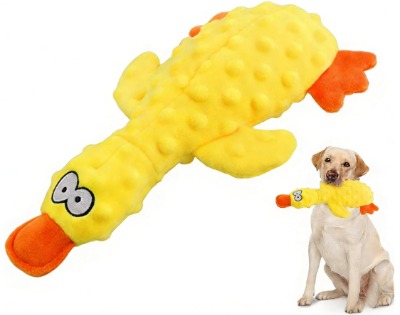
This plush duck toy targets dogs who love both chewing and interactive play. The yellow version features a built-in squeaker that encourages engagement. Despite being a plush toy, the manufacturer claims it can handle aggressive chewing through reinforced construction.
Product Description
The yellow duck stands out with its bright color and soft exterior. It’s designed for larger dogs but works for medium-sized breeds too. The toy includes multiple layers of fabric with reinforced stitching at stress points. The squeaker sits in a protected pocket to prevent easy access.
The duck shape appeals to dogs’ prey drive. The soft texture feels good in their mouth while still being durable enough to last. It measures about 10 inches long, making it easy for most dogs to carry and toss around.
Best Use Cases
This toy works well for dogs who like variety in their play. If your dog enjoys both gentle mouthing and harder chewing sessions, this duck can handle both. It’s also great for fetch games since the shape is easy to grab and throw.
Dogs who get bored easily benefit from the squeaker feature. The sound provides instant feedback that keeps them interested. For pups who destroy regular plush toys in seconds, this offers a step up in durability without losing that soft texture they love.
Key Features
The reinforced stitching uses heavy-duty thread that resists tearing. Each seam gets double or triple stitching in high-stress areas. The fabric layers include a tough inner lining that adds extra protection.
The squeaker uses a protected design. Instead of sitting loose inside, it’s enclosed in a separate chamber. This makes it harder for dogs to rip out compared to standard plush toys.
The bright yellow color makes the toy easy to find in the yard or park. Dogs can spot it quickly during fetch games. The soft but durable material is gentle on gums while still providing satisfying chewing resistance.
Real-Life Usage Insights
Users report this duck lasts longer than typical plush toys. Dogs who normally shred soft toys within hours can play with this one for days or even weeks. The squeaker tends to survive longer than cheaper alternatives.
Some dogs carry the duck everywhere like a comfort toy. The soft texture appeals to dogs who like to cuddle with their toys between chewing sessions. Other dogs focus purely on the chewing aspect and still get good durability.
The toy holds up best with supervised play. Dogs left alone with it for extended periods may eventually find weak spots. But for interactive play sessions, it performs well above average.
Honest Pros and Cons
Pros:
- Lasts much longer than regular plush toys
- Squeaker stays protected and functional
- Soft texture appeals to dogs who dislike hard rubber
- Bright color makes it easy to locate
- Good size for medium to large dogs
- Engages dogs who like interactive play
Cons:
- Not truly indestructible despite claims
- Some dogs can still destroy it with determined chewing
- Squeaker may eventually stop working
- Not suitable for extreme power chewers
- Needs supervision for best results
- May not satisfy dogs who only like hard chew toys
Performance Discussion
For a plush toy, this duck delivers impressive durability. It bridges the gap between regular soft toys and heavy-duty rubber options. The reinforced construction really does make a difference compared to basic plush toys.
The squeaker engagement keeps dogs interested longer than silent toys. This mental stimulation can actually reduce destructive chewing since the dog stays focused on appropriate play. When dogs enjoy their toys more, they tend to chew them more carefully.
That said, calling it “indestructible” overstates the case. Truly aggressive chewers will eventually find its limits. It’s more accurate to call it “highly durable” or “reinforced” rather than indestructible.
Ease of Use
This toy requires zero setup. Just hand it to your dog and let them play. The shape is easy for dogs to pick up and carry. The weight feels natural in their mouth without being too heavy or too light.
Cleaning is straightforward. Most owners spot clean with mild soap and water. The toy air dries relatively quickly. Some users report machine washing on gentle cycles, though this may reduce the toy’s lifespan.
Value for Money
The price sits in the mid-range for durable dog toys. You pay more than basic plush toys but less than premium rubber chew toys. Given the increased durability, it offers good value for dogs who destroy regular plush toys quickly.
If your dog shreds a $5 toy every few days, spending a bit more for something that lasts weeks makes financial sense. The cost per day of use drops significantly.
2. Duck Dog Toy for Aggressive Chewers – Grey
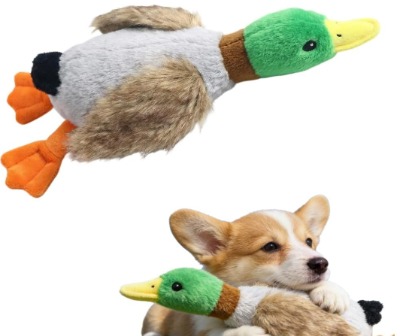
This grey version offers the same core design as the yellow duck but with a different color option. It targets the same audience of aggressive chewers who appreciate plush toys with extra durability.
Product Description
The grey duck maintains identical construction to its yellow counterpart. It features the same reinforced stitching, protected squeaker, and multi-layer fabric design. The only real difference is the grey color scheme, which some owners prefer for aesthetic reasons.
The size and shape match the yellow version exactly. It’s built for medium to large dogs and uses the same duck profile that triggers prey drive and play instincts.
Best Use Cases
This toy serves the same purposes as the yellow version. It excels for dogs who like interactive play, fetch games, and varied chewing experiences. The grey color may hide dirt better than yellow, which some owners appreciate for outdoor play.
Dogs who already love the yellow version can benefit from having a grey backup. Rotating between two toys can extend their lifespan since each gets a break between use.
Key Features
The features mirror the yellow duck completely:
- Reinforced multi-layer construction
- Protected squeaker design
- Heavy-duty stitching at stress points
- Soft yet durable fabric
- Size appropriate for medium to large breeds
- Interactive design for engaging play
The grey color is the only distinguishing factor. Some dogs show no color preference, while others may favor one over the other.
Real-Life Usage Insights
Performance reports match the yellow version closely. Dogs treat both colors the same way, and durability appears identical. The grey color does seem to show wear and dirt differently – it may look cleaner longer in some situations and dirtier faster in others, depending on your environment.
Having multiple colors lets you identify which toy is which if you buy several. This helps track which ones get used most or show more wear.
Honest Pros and Cons
Pros:
- Same proven durability as yellow version
- Grey color offers variety
- May hide certain stains better
- All benefits of reinforced plush design
- Good for dogs who need toy rotation
- Protected squeaker feature
Cons:
- Shares same limitations as yellow version
- Not for extreme power chewers
- Still requires supervision
- May show wear patterns differently
- Same price point with no functional upgrade
- Not truly indestructible
Performance Discussion
The grey duck performs identically to the yellow one. Both use the same materials and construction methods. Your choice between them comes down purely to color preference or whether you want variety in your dog’s toy collection.
Some trainers recommend having multiple similar toys in different colors. This can help with toy rotation strategies and keeps dogs from fixating on a single item.
Ease of Use
Setup and use match the yellow version perfectly. No learning curve exists. Dogs interact with it the same way they would with any plush toy, just with longer-lasting results.
Value for Money
The value proposition stays the same as the yellow duck. You get a more durable plush toy at a reasonable price point. If you’re buying both colors, you’re essentially getting backup toys with identical benefits.
3. WinTour Tough Dog Toy for Aggressive Chewers
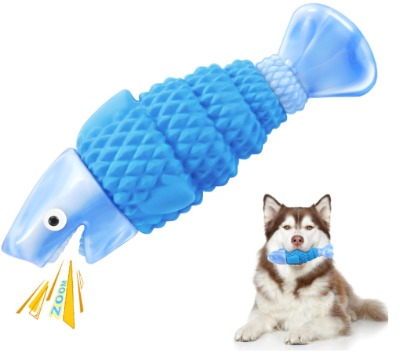
This bacon-flavored rubber toy takes a completely different approach from the plush ducks. It targets serious chewers who need maximum durability and teeth-cleaning benefits.
Product Description
The WinTour toy uses tough rubber construction designed to withstand extreme chewing. The material is dense and firm, providing serious resistance to even powerful jaws. It includes a built-in squeaker for added engagement.
The bacon flavor is infused into the rubber itself, not just applied to the surface. This means the taste lasts longer and keeps dogs interested through many chewing sessions. The toy comes in a bone or stick shape that’s easy for dogs to grip and hold.
Best Use Cases
This toy is built for the toughest chewers. If your dog destroys everything else, this offers a real challenge. It’s perfect for power chewing breeds like pit bulls, Rottweilers, and mastiffs.
The toy also excels for dental health. The firm rubber massages gums and helps scrape away plaque and tartar. For dogs who need more dental care, this serves double duty as both toy and tooth cleaner.
Dogs who get anxious or bored benefit from the long-lasting chewing satisfaction. It keeps them occupied for extended periods, reducing destructive behavior directed at furniture or shoes.
Key Features
The natural rubber construction provides exceptional durability. It flexes slightly under pressure but bounces back without tearing. This flexibility actually makes it harder to destroy than completely rigid toys.
The bacon flavor attracts dogs who might otherwise ignore rubber toys. The scent and taste keep them engaged longer than unflavored options. Since the flavor goes throughout the rubber, it doesn’t wash away quickly.
The squeaker adds acoustic stimulation. Even though the toy is primarily for chewing, the sound element increases playtime. Dogs who like vocal toys get both benefits in one package.
The textured surface massages gums and cleans teeth. Raised bumps and ridges create friction against tooth surfaces. This helps control plaque buildup naturally through play.
Real-Life Usage Insights
Heavy chewers often spend 30 minutes or more working on this toy in a single session. The rubber withstands intense gnawing that would destroy lesser toys. Some users report the same toy lasting months with daily use.
The bacon flavor really does make a difference in engagement. Dogs who normally lose interest in toys quickly will return to this one repeatedly. The scent stays noticeable for weeks or even months.
Some dogs figure out how to extract the squeaker over time, but this usually takes considerable effort. The rubber construction makes it much harder than plush toys. Even without the squeaker, most dogs continue enjoying the chewing experience.
Honest Pros and Cons
Pros:
- Extremely durable rubber construction
- Handles true aggressive chewing
- Bacon flavor increases engagement significantly
- Helps clean teeth and massage gums
- Squeaker adds interactive element
- Good for anxious or bored dogs
- Lasts months with proper use
- Better value long-term due to durability
Cons:
- Hard texture not appealing to all dogs
- Some dogs don’t like rubber taste/feel
- Can be heavy for smaller dogs
- May be too tough for gentle chewers
- Higher initial price point
- Dogs can still destroy it given enough time
- Not as cuddly as plush options
- Some dogs lose interest without flavor variety
Performance Discussion
This toy delivers on its promise for aggressive chewers. The rubber formulation clearly surpasses standard toy materials. It bends and flexes under bite pressure but resists tearing remarkably well.
The bacon flavoring isn’t just a gimmick. It genuinely increases toy engagement time. Dogs return to it more frequently and chew longer compared to unflavored versions.
For dental health, the texture provides real benefits. Regular chewing sessions help reduce plaque buildup. While it’s not a replacement for proper dental care, it’s a useful supplementary tool.
The squeaker durability impresses compared to many toys. The thick rubber protects it well. When it eventually fails, the toy still functions as a pure chew toy.
Ease of Use
This toy requires no preparation. Simply give it to your dog and supervise initial use. Some dogs take to it immediately, while others need encouragement to try something new.
Cleaning is simple – just rinse with water or use mild soap. The non-porous rubber doesn’t absorb dirt or bacteria easily. It air dries quickly.
Value for Money
The initial cost runs higher than basic toys, but the durability justifies it. If this toy lasts six months and replaces ten cheaper toys, you save money overall. The cost per use drops significantly over time.
For aggressive chewers, this represents one of the better value propositions available. The combination of durability, dental benefits, and engagement makes it a worthwhile investment.
4. Natural Rubber Dog Toy with Bacon Flavor – Blue
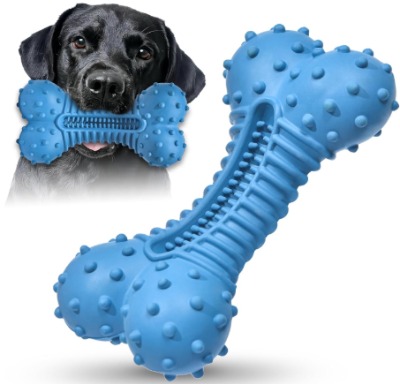
This blue rubber toy offers another bacon-flavored option with a slightly different design approach. It uses natural rubber and targets medium to large aggressive chewers.
Product Description
The blue toy features natural rubber construction that’s both durable and safer than synthetic alternatives. Natural rubber tends to be more elastic and less likely to cause issues if small pieces are swallowed. The bright blue color makes it highly visible.
The bacon flavor works throughout the material, similar to the WinTour option. The shape varies depending on the specific model but typically includes a bone, stick, or ball design. The size suits medium to large dogs well.
Best Use Cases
This toy works best for health-conscious owners who prefer natural materials. The natural rubber offers durability without synthetic chemicals. It’s ideal for aggressive chewers who need something tough but non-toxic.
Dogs with sensitive stomachs may do better with natural rubber. If your dog occasionally swallows small pieces of toys, natural rubber is generally safer to pass through the digestive system.
The toy also serves well for outdoor play. The blue color stands out against grass and dirt, making it easy to find. It handles weather exposure better than fabric toys.
Key Features
Natural rubber provides a different chewing experience than synthetic materials. It has a slightly different texture and flexibility. Many dogs find it more appealing.
The bacon scent attracts picky dogs who might reject plain rubber toys. The flavor integration means it lasts through many play sessions rather than washing away after the first use.
The blue color offers practical benefits beyond aesthetics. High visibility means fewer lost toys in the yard or park. Some owners report dogs can spot and retrieve blue toys more easily than other colors.
The durability matches other quality rubber toys. It withstands serious chewing while remaining flexible enough to avoid cracking. The material bounces well, adding fetch game potential.
Real-Life Usage Insights
Dogs who prefer natural textures often favor this toy over synthetic options. The rubber has a slightly different mouth feel that some dogs find more satisfying. The chewing resistance provides good jaw exercise without being impossibly hard.
The bacon flavor keeps dogs engaged through multiple sessions. Even dogs who normally lose interest in toys quickly will return to this one. The scent remains detectable for extended periods.
Some users note the natural rubber shows teeth marks more visibly than harder synthetic versions. This doesn’t affect function but makes the toy look more used over time. The structural integrity remains solid even when cosmetically worn.
Honest Pros and Cons
Pros:
- Natural rubber is safer and more eco-friendly
- Bacon flavor increases appeal
- Durable enough for aggressive chewers
- Blue color highly visible
- Good for outdoor play
- Bounces well for fetch games
- Slightly softer than some synthetic options
- Generally safe if small pieces swallowed
Cons:
- May show wear marks more than synthetic rubber
- Some dogs prefer harder resistance
- Natural rubber has distinct smell some don’t like
- Can be pricey for natural materials
- Not as rigid as some alternatives
- May not satisfy extreme power chewers
- Color may fade with sun exposure
- Requires supervision like all chew toys
Performance Discussion
The natural rubber performs admirably for most aggressive chewers. It provides good resistance without being rock-hard. The slight give actually makes it more engaging for many dogs.
The bacon flavoring works as advertised. Dogs show increased interest compared to unflavored natural rubber toys. This boost in engagement often translates to longer, more focused chewing sessions.
For dental health, the texture helps clean teeth reasonably well. It’s not as aggressively textured as some options but still provides friction against tooth surfaces.
The toy’s flexibility serves it well. Dogs can bend it while chewing, which provides variety in the chewing experience. This seems to keep them interested longer than completely rigid toys.
Ease of Use
No setup required – just hand it to your dog. The natural rubber doesn’t require special care. Regular rinsing keeps it clean. It dries quickly and doesn’t retain odors like some materials.
The blue color makes it easy to keep track of during play. You won’t spend time searching for a camouflaged toy in the grass.
Value for Money
Natural rubber typically costs more than synthetic alternatives. The price reflects the material quality and eco-friendly production. For owners who prioritize natural products, the premium is worth it.
The durability ensures good long-term value. One toy lasting several months beats buying cheaper options monthly. The safety factor of natural materials adds intangible value for peace of mind.
5. WinTour Dog Chew Toys 3-Pack
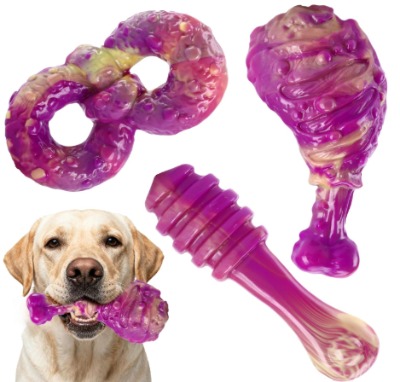
This set offers three beef-flavored rubber toys in a purple color. The multi-pack approach provides variety and backup options for aggressive chewers.
Product Description
The three-pack includes differently shaped rubber toys, all made from durable material. The variety gives dogs options and helps prevent boredom. Each toy features beef flavoring infused throughout the rubber.
The purple color distinguishes these from other toys in the line. All three pieces suit small, medium, and large breeds, though larger dogs get the most benefit. The set typically includes a bone, stick, and textured ball or similar combination.
Best Use Cases
This pack excels for multi-dog households. Each dog can have their own toy, reducing resource guarding and conflict. The different shapes also let dogs pick favorites.
Single-dog owners benefit from rotation. Using one toy while storing the others keeps things fresh. Rotation extends the life of each individual toy since they get breaks between use.
The variety helps identify what shapes your dog prefers. Some dogs love bones, others prefer sticks or balls. This set lets you discover preferences without buying multiple single toys.
Key Features
The beef flavor offers a different taste profile than bacon options. Some dogs prefer beef, while others like bacon better. The flavoring goes through the rubber for lasting appeal.
Having three toys means you always have a backup. If one gets lost or damaged, you have immediate replacements. This prevents toy-less periods that might lead to destructive chewing.
The purple color helps differentiate these from other toys. If you have multiple dogs or toy types, the distinctive color makes identification easy.
Each toy in the pack uses the same durable rubber construction as WinTour’s other products. They handle aggressive chewing across all three pieces.
Real-Life Usage Insights
Multi-dog homes find this pack particularly valuable. Dogs can each claim a toy without fighting. The beef flavor appeals to most dogs, though individual preferences vary.
Rotating the toys keeps dogs interested longer. Instead of getting bored with one toy, they have variety. This mental stimulation complements the physical chewing outlet.
Some users report one shape gets used more than others. This actually works out well – the favorite gets worn first while the others stay newer. When the favorite finally wears out, a fresh replacement is ready.
The pack format often proves more economical than buying three separate toys. The cost per toy drops compared to individual purchases.
Honest Pros and Cons
Pros:
- Three toys provide variety and backups
- Good value compared to buying separately
- Beef flavor appeals to many dogs
- Perfect for multi-dog households
- Enables toy rotation strategy
- All pieces durable enough for hard chewers
- Purple color easy to identify
- Different shapes prevent boredom
Cons:
- Dogs may strongly prefer one shape over others
- Takes up more storage space
- All three have same flavor
- May be overkill for single small dogs
- Can’t mix and match flavors
- Purple color may not appeal to all owners
- Must store unused toys properly
- Initial cost higher than single toy
Performance Discussion
Each toy in the pack performs as well as comparable single toys. The rubber quality stays consistent across all three pieces. Dogs can’t destroy them easily, even with dedicated effort.
The beef flavor maintains appeal through many sessions. Dogs who love beef taste will use these toys repeatedly. The scent remains noticeable for weeks or months, depending on use frequency.
The variety of shapes provides different chewing experiences. A bone offers certain grip points, while a ball or stick provides others. This diversity helps exercise different parts of the jaw and keeps chewing interesting.
Ease of Use
The toys require no assembly or preparation. Just give them to your dog. The different shapes make it easy to grab whichever one your dog wants at the moment.
Cleaning three toys takes more time than one, but the process is still simple. A quick rinse handles most cleaning needs. Having multiple toys means you can clean one while others remain available.
Value for Money
The three-pack usually costs less than buying three individual toys. This bulk discount makes it a smart purchase for anyone who knows they’ll need multiple toys.
For multi-dog homes, the value is clear. Three dogs need three toys, and this pack delivers exactly that. Even single-dog owners benefit from the reduced per-toy cost and built-in rotation system.
Comparison Insights
When you look at all five toys together, clear patterns emerge. The plush duck options serve a different audience than the rubber toys. They bridge the gap between regular toys and heavy-duty chewers.
The yellow and grey ducks offer identical performance with just color differences. If you want a plush option, either works fine. Get both only if you want variety or backups.
Among the rubber toys, the WinTour bacon-flavored single toy and the natural rubber blue toy serve similar purposes with minor differences. The WinTour may be slightly tougher, while the natural rubber offers health-conscious appeal. The bacon versus natural scent is the main experiential difference.
The three-pack stands out for value and variety. If you know you’ll use multiple toys, it’s the smart buy. Single-toy purchases make sense only if you’re testing what your dog likes first.
Flavor matters more than you might think. Dogs show clear preferences between bacon and beef. If your dog has tried one and loves it, stick with that flavor. If you’re new to flavored toys, bacon seems to have broader appeal based on user feedback.
Durability-wise, all the rubber options perform similarly against aggressive chewing. None are truly indestructible, but all last significantly longer than regular toys. The plush ducks last longer than typical plush toys but can’t match rubber durability.
For teeth cleaning, the rubber toys win hands down. Their firm texture and surface patterns provide better dental benefits. The plush ducks offer minimal teeth-cleaning capability.
Price per toy favors the three-pack for long-term value. The individual rubber toys cost more upfront but last longer than plush options. The plush ducks cost less initially but may need replacement sooner with truly aggressive chewers.
Buying Guide
Material Matters
Natural rubber offers safety and eco-friendliness. It costs more but provides peace of mind about chemicals. Synthetic rubber can be equally durable and usually costs less. Both work well for aggressive chewers.
Plush toys with reinforced construction suit dogs who like softer textures. They won’t last as long as rubber but provide comfort some dogs crave.
Size Considerations
Match toy size to your dog. Too small creates choking hazards. Too large makes the toy awkward to carry and chew. Most medium and large dogs handle the toys reviewed here well.
Small dogs may struggle with standard sizes. Look for small breed versions if available. Large and giant breeds might need extra-large options for proper fit.
Flavor and Scent
Flavored toys increase engagement time. Bacon and beef are most common and widely liked. Some dogs show strong preferences for one over the other.
Unflavored toys work fine for many dogs. They cost less and still provide chewing satisfaction. Try flavored options if your dog seems uninterested in plain toys.
Squeaker or Silent
Squeakers add interactive fun but eventually fail. Some dogs lose interest when the squeak dies. Others continue enjoying the toy.
Silent toys offer simpler durability. No squeaker means one less component to break. Some dogs prefer quiet chewing anyway.
Supervision Needs
All toys need some supervision, especially during first use. Even “indestructible” toys have limits. Watch how your dog interacts and remove toys showing serious damage.
Some toys handle unsupervised use better than others. Rubber toys generally prove safer alone than plush options.
Budget Planning
Quality chew toys cost more upfront but save money long-term. Calculate cost per week of use rather than just purchase price.
Multi-packs offer better value if you’ll use all pieces. Single toys make sense when testing preferences or replacing specific items.
Health Benefits
Toys with textured surfaces help clean teeth. They’re not dental care replacements but useful supplements. Natural materials may be safer if your dog swallows small pieces.
Chewing provides mental stimulation and stress relief. A good toy can reduce anxiety and destructive behavior. This health benefit has real value beyond just entertainment.
Who Should Buy These Products
The Plush Duck Toys
Dog owners dealing with moderate chewers who destroy regular plush toys will appreciate these. If your dog loves soft toys but ruins them constantly, the reinforced ducks offer a solution. They work well for dogs who want cuddle toys but also like to chew.
Owners who play fetch and interactive games with their dogs benefit from the plush design. The soft exterior makes retrieving more appealing than hard rubber. Dogs who carry toys around the house prefer plush texture.
The Single Rubber Toys
Heavy-duty chewer owners need these. If you have a pit bull, Rottweiler, German shepherd, or similar power breed, rubber toys are essential. They also suit any dog who destroys everything else.
Owners focused on dental health should consider rubber toys. The teeth-cleaning benefits justify the purchase even beyond durability. Dogs with plaque buildup gain extra value.
The Three-Pack
Multi-dog households get the most from this set. Three dogs need three toys, and this delivers efficiently. The pack also suits single-dog owners who want variety and backups.
Budget-conscious buyers appreciate the pack’s value. Spending more upfront for three toys costs less than buying three separately over time. The rotation strategy also extends total lifespan.
Common Mistakes to Avoid
Wrong Size Selection
Many buyers grab toys that look right without checking size recommendations. A toy too large frustrates small dogs. Too small toys endanger large dogs. Always verify size compatibility with your dog’s weight and breed.
Leaving Toys Unsupervised Initially
Never introduce a new toy and immediately leave your dog alone with it. Supervise first sessions to see how your dog interacts. Some dogs approach toys aggressively and might damage them quickly or hurt themselves.
Ignoring Damage Signs
Small tears, loose pieces, or exposed stuffing require immediate action. Don’t let your dog continue playing with damaged toys. Remove and replace them to prevent choking or intestinal issues.
Not Rotating Toys
Using the same toy constantly leads to faster wear and boredom. Rotate toys every few days. Store unused ones and bring them out fresh. This simple trick extends toy life and maintains interest.
Expecting True Indestructibility
No toy is completely indestructible. Marketing claims exaggerate durability. Set realistic expectations. Even the toughest toys will eventually show wear with aggressive chewing.
Skipping Cleaning
Dirty toys harbor bacteria and lose appeal. Rinse rubber toys regularly. Clean plush toys as directed. Simple maintenance keeps toys safe and interesting.
Buying Based Only on Price
The cheapest toy usually fails fastest. The most expensive isn’t always best either. Focus on value – durability and engagement per dollar spent. Sometimes the mid-range option offers the best balance.
Ignoring Your Dog’s Preferences
Some dogs hate rubber texture. Others won’t touch plush toys. Pay attention to what your dog actually enjoys. Don’t force a toy type just because it’s supposed to be better.
Not Having Backups
When the favorite toy finally breaks, having a replacement ready prevents toy-less periods. Those gaps often lead to destructive chewing on furniture or shoes. Always maintain backup toys.
Final Verdict
For aggressive chewers, the right toy makes life better for both dog and owner. These five options cover different needs and preferences. Your choice depends on your specific situation.
Best Overall for Hard Chewers: The WinTour bacon-flavored single toy delivers exceptional durability, engagement, and dental benefits. It handles serious chewing while the bacon flavor keeps dogs interested. The cost-per-use value is excellent for power chewers.
Best for Moderate Chewers Who Like Plush: Either duck toy works well here. They’re significantly tougher than regular plush toys while maintaining soft texture. Get yellow or grey based purely on color preference. Just know these won’t survive extreme chewers.
Best Natural Option: The blue natural rubber toy serves health-conscious owners well. It provides durability and engagement without synthetic materials. The premium price reflects material quality and eco-friendly production.
Best Value: The WinTour three-pack wins on pure economics. Three quality toys at a reduced per-piece price make sense for most situations. The variety and backup options add practical value beyond just savings.
Real Talk on Durability
None of these toys are truly indestructible. The plush ducks last days to weeks with hard chewers. The rubber toys last weeks to months. Even the toughest will eventually show wear. This is normal and expected.
What matters is getting significantly more use than cheap alternatives. If a $5 toy lasts two days and a $15 toy lasts two months, the expensive one is actually cheaper. Calculate value based on use time, not just sticker price.
Matching Toys to Dogs
Power chewer breeds need rubber. No exceptions. Labs, pit bulls, German shepherds, Rottweilers, and similar dogs will destroy plush options too quickly. Start with rubber and only try plush if your individual dog proves gentler than breed typical.
Moderate chewers have more options. Try the plush ducks first since they’re cheaper. If those last well, stick with them. If your dog destroys them quickly, upgrade to rubber.
Small and gentle dogs might find rubber toys too hard or heavy. They can often use regular toys successfully. Only move to heavy-duty options if destruction becomes an issue.
The Flavor Factor
If your dog ignores unflavored toys, scented options change the game. Bacon seems to have broader appeal than beef based on user experiences. Natural rubber scent works for some dogs but turns off others.
Try one flavored toy before buying multiples. Some dogs couldn’t care less about flavor. Others won’t touch toys without it. Know your dog’s response before investing heavily.
Making the Choice
Start by honestly assessing your dog’s chewing strength. Don’t underestimate power breeds. They need rubber from day one. For other breeds, consider individual behavior. Has your dog destroyed toys before? How quickly?
Think about toy preferences too. Does your dog love plush? Hate hard rubber? Like carrying toys around? These behaviors guide your selection.
Budget matters but focus on long-term cost. One quality toy beats five cheap ones if it lasts equally long and provides better engagement.
Moving Forward
Whichever toy you pick, supervise initial use. Watch how your dog interacts with it. Remove it if they’re swallowing pieces or being too aggressive. Most dogs settle into appropriate play after initial excitement.
Rotate toys to maintain interest. Clean them regularly. Replace damaged toys promptly. These simple habits maximize your investment and keep your dog safe.
The right chew toy reduces stress, cleans teeth, and prevents destructive behavior. It’s not just entertainment – it’s an important part of dog care. These five options give you solid choices for different needs and budgets.
Your power chewer deserves a toy that can keep up. With the information here, you can make the right choice and finally stop replacing destroyed toys every few days. Good luck finding your dog’s new favorite toy.
Hi, I’m Mary, the founder of PetGadgetPro.com. I’m a passionate pet lover with a special place in my heart for dogs and cats. I share practical advice and honest insights on pet gear to help pet parents make better choices. My dedicated research team studies products in depth, and our writers create reviews using trusted, authentic sources—so you can feel confident choosing the best for your pets.