5 Best Chew Toys for Lab Puppies In 2026
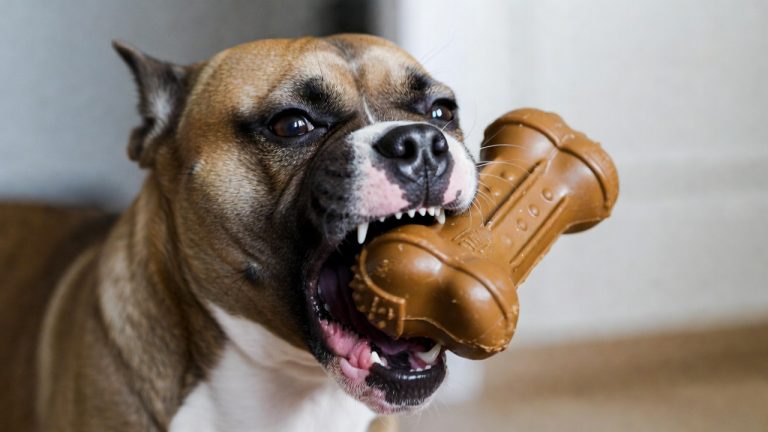
Lab puppies are bundles of energy and curiosity. They love to explore the world around them with their mouths. That’s why finding the right chew toys is so important. Good chew toys keep puppies entertained, help their teeth grow strong, and save your furniture from being destroyed.
When your lab puppy starts teething, they need something safe and fun to chew on. The right toys can make all the difference. They provide comfort during the teething phase and help develop healthy chewing habits that last a lifetime.
This guide covers the best chew toys for lab puppies on the market. We’ll look at five top products that many dog owners trust. Each one has something different to offer. Some are great for teething relief. Others work well for puppies that chew hard. A few options let you stuff treats inside. By the end, you’ll know exactly which toy fits your lab puppy best.
Why Lab Puppies Need Good Chew Toys
Lab puppies have a natural urge to chew. This isn’t bad behavior. It’s normal growth and development. Puppies explore their environment by chewing. They also use chewing to relieve pain when their teeth are coming in.
Teething puppies go through real discomfort. Their gums itch and hurt. A good chew toy gives them something to focus on besides your shoes and furniture. It soothes sore gums and keeps their mind busy.
Chewing also helps puppies develop strong jaw muscles. It cleans their teeth naturally and promotes good dental health. Regular chewing can even reduce tartar buildup. This means fewer dental problems later in life.
Lab puppies are big dogs, even as puppies. They need toys that can handle their size and power. A toy that’s too soft will fall apart. A toy that’s too hard could damage their teeth. You need to find the sweet spot. The right chew toy matches your puppy’s age, size, and chewing style.
1. Skylety 6 Pcs Puppy Teething Chew Toys
Product Description
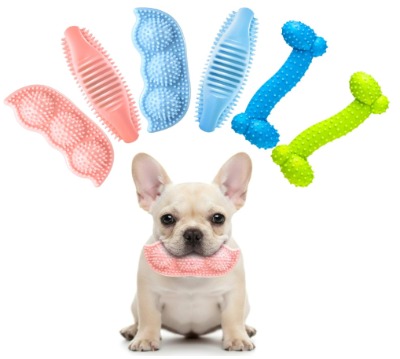
The Skylety set comes with six rubber bone-shaped chew toys in bright colors: blue, pink, yellow, and green. These toys are made from soft rubber that’s safe for young puppies. The set is designed for small dogs and puppies between two to eight months old. Each toy is lightweight and easy for a small mouth to grab.
Best Use Cases
These toys shine during the early teething phase. If your lab puppy is between two and four months old, this set is a good starting point. The soft rubber texture is gentle on brand-new baby teeth. These toys work best for puppies that don’t chew with extreme force yet.
You can also use these toys for gentle play and training. The bright colors make them easy to spot in grass. Some people use them as training toys to teach fetch. The lightweight design means even small puppies can carry them around.
Key Features Explained
The soft rubber material is the main benefit here. It doesn’t hurt tender gums. The bone shape is cute and grips easily. Each toy in the six-pack gives your puppy variety. They can have favorites and you can rotate the toys to keep things fresh.
The bright colors come in four different shades. This helps you keep track of toys and makes cleanup easier. The toys are small enough for a young puppy but sturdy enough to last if your pup doesn’t go crazy chewing.
Real-Life Usage Insight
Owners report that puppies grab these toys right away. The bone shape feels natural in a puppy’s mouth. The soft rubber gives just enough resistance without being too tough. During teething, puppies seem to chew on these for extended periods. Parents love that they don’t make loud noises when puppies play with them.
One common observation is that these toys work best when rotated. Puppies lose interest in the same toy every day. By switching between all six, you keep interest high. Some people even freeze these toys to make them feel colder and more soothing on sore gums.
Honest Pros and Cons
Pros:
- Soft texture perfect for young puppies
- Six toys for good variety and rotation
- Bright colors easy to spot
- Affordable entry-point for teething toys
- Safe rubber material with no small parts
- Lightweight for small mouths
Cons:
- May not last long if your puppy becomes an aggressive chewer
- Not ideal for puppies over four months old
- Limited use as puppies grow larger
- Rubber can degrade over time with heavy chewing
- Not designed for freezing (may crack)
Performance Discussion
These toys perform well for their intended purpose: early teething relief. They provide good gum comfort for young puppies. The rubber doesn’t splinter or break into dangerous pieces when chewed. They’re soft enough that puppies can chew without hurting their baby teeth.
However, they don’t hold up well to aggressive chewing. A puppy that likes to power-chew will destroy these quickly. They’re not toys that last until your puppy is fully grown. Think of them as temporary solutions for the first couple of months.
Ease of Use
These toys require zero preparation. Your puppy can start using them right away. Cleaning is simple. You can rinse them with water or toss them in the dishwasher on a low setting. They dry fast and don’t hold odors.
Value for Money
For the price, this set offers decent value. You get six toys instead of one. The cost per toy is low. If your puppy will transition to harder chew toys within a few months, this is a budget-friendly way to handle the early teething phase. You’re not investing a lot before moving on to more durable options.
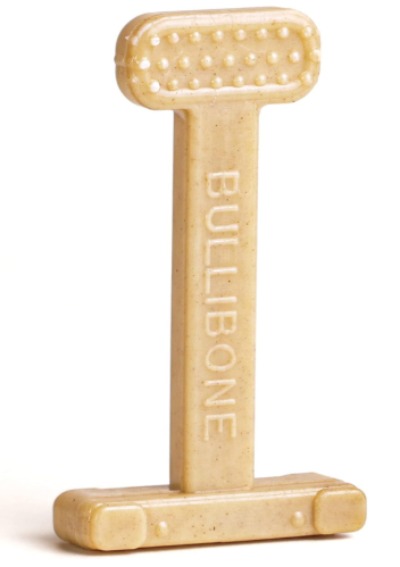
2. Bullibone Nylon Dog Chew Toy
Product Description
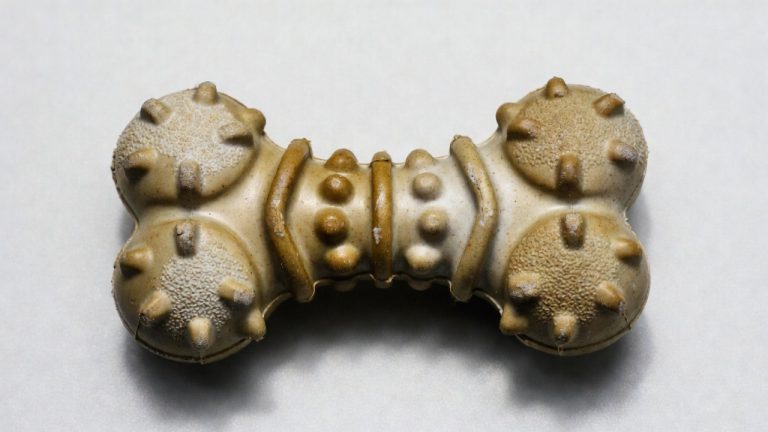
The Bullibone is a single nylon bone toy with a peanut butter flavor. It’s designed for dogs that chew with power. Unlike the soft rubber Skylety toys, this one is hard and durable. The nylon material is tough enough to handle aggressive chewing. It’s meant for small to medium dogs, making it suitable for growing lab puppies around three to six months old and beyond.
Best Use Cases
This toy works best for puppies that have graduated past early teething. If your lab puppy has started to chew harder, the Bullibone is ready for the challenge. It’s ideal for puppies that destroy softer toys in minutes. It also works great for puppies that need something to keep them busy for hours.
The peanut butter flavor appeals to most puppies. This makes it extra engaging. You can use it when you need to keep your puppy occupied while you’re busy. It’s also good for crate training and times when your puppy needs to settle down.
Key Features Explained
The nylon construction is the main strength here. Nylon is a petroleum-based polymer that resists tearing. It doesn’t splinter like some materials. It’s designed to stand up to powerful jaws. The material is hard but not so hard that it threatens tooth health.
The peanut butter flavor is embedded in the nylon. This makes the toy more appealing to puppies. The flavor lasts for a while. Your puppy will keep coming back for more chewing sessions because they enjoy the taste.
The bone shape provides grip points for different chewing angles. Your puppy can work at it from the sides, ends, and top. This keeps things interesting during long chewing sessions.
Real-Life Usage Insight
Owners of aggressive chewers rave about this toy. Puppies that destroy other toys often can’t break through Bullibone toys. They last weeks or months instead of days. Many owners report that their puppies return to these toys repeatedly throughout the day.
People also notice that the peanut butter smell attracts puppies even when they haven’t touched the toy in a while. The flavor keeps things fresh. Puppies seem to enjoy the challenge of gnawing on something so hard.
One practical tip from experienced users: give this toy only when you’re around. Hard toys can be choking hazards if pieces break off, though this rarely happens with Bullibone toys.
Honest Pros and Cons
Pros:
- Incredibly durable for aggressive chewers
- Peanut butter flavor adds appeal
- Lasts much longer than soft toys
- Won’t splinter or break into sharp pieces
- Good for mental stimulation through extended chewing
- Single toy eliminates rotation hassle
Cons:
- Hard material may not suit very young puppies
- Peanut butter flavor is strong (can stain)
- May not work for puppies with sensitive teeth
- More expensive than soft toy options
- Flavor fades over time
- Not stuffable for treat dispensing
Performance Discussion
Performance is where Bullibone excels. These toys stand up to serious chewing. Puppies can work on the same toy for weeks. The nylon doesn’t degrade easily. It maintains its shape and texture through countless chewing sessions.
The toy’s hardness provides excellent dental benefits. The friction from chewing helps clean teeth and gums. It strengthens jaw muscles more than soft toys do. Puppies get more of a workout from chewing on something this tough.
However, the hardness isn’t right for every puppy. Some puppies with baby teeth might hurt their mouths trying to chew on something so hard. You need to judge your individual puppy’s chewing ability.
Ease of Use
Setup is simple. Just hand it to your puppy. Cleaning involves basic rinsing. You can scrub it with a brush if peanut butter buildup occurs. It dries quickly and doesn’t trap moisture.
Value for Money
This toy costs more than the Skylety set, but you only get one. The value comes from durability. If this toy lasts three months while your puppy destroys five softer toys in the same period, it’s actually more economical. You’re paying more upfront but spending less overall.
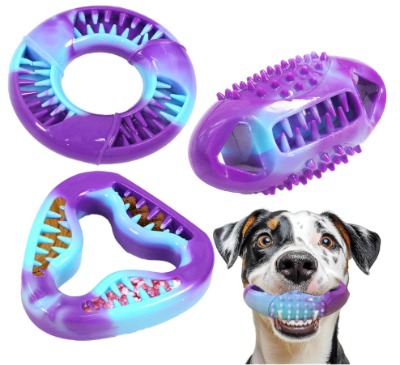
3. Padythyric 3 Pack TPR Rubber Chew Toys
Product Description
Padythyric offers three rubber chew toys made from TPR material. TPR stands for thermoplastic rubber. These toys are stuffable, meaning you can fill them with treats. They’re also freezable. You can pop them in the freezer for soothing cold sensations. The set includes different shapes for variety. It’s designed for puppies, small dogs, and senior dogs.
Best Use Cases
These toys work well during the teething phase when combined with treat stuffing. The ability to freeze them makes them perfect for days when your puppy’s gums are particularly sore. You can create cold, soothing toys that give relief.
They’re also excellent for anxiety relief. Puppies that get anxious in crates or when left alone benefit from the treat-dispensing feature. You stuff a toy with treats, and your puppy has to work to get them out. This keeps them focused on the toy instead of their anxiety.
The three-pack gives you options for different situations and allows rotation. One toy can be in the freezer while another is being used.
Key Features Explained
The TPR rubber is softer than nylon but tougher than regular rubber. It has a grippy texture that puppies enjoy. It’s safe for teeth and won’t cause damage when puppies chew on it.
The stuffable design is huge. You can fill these toys with kibble, treats, peanut butter, or even plain yogurt. This adds value because you’re combining a toy with a treat dispenser. Your puppy works for their reward.
The freezable feature transforms these toys. Cold temperatures numb sore gums. A frozen toy becomes extra satisfying during tough teething days. Freezing also makes the toy last longer because puppies chew slower on hard, frozen objects.
The three-pack comes with different designs. This prevents boredom. Each toy has different crevices and textures to explore.
Real-Life Usage Insight
People love the stuffing feature. It extends playtime significantly. A regular chew toy might hold a puppy’s attention for 10 minutes. Stuffed with treats, the same toy can engage them for an hour. That’s huge for busy owners.
The freezing tip gets rave reviews from teething puppy owners. They report that frozen toys provide visible relief. Puppies chew slower on frozen toys, which is actually safer. The cold sensation soothes inflamed gums beautifully.
One practical note: these toys work best when you vary what you stuff them with. Always using the same treat gets boring. Switch between kibble, peanut butter, treats, and even frozen broth for variety.
Honest Pros and Cons
Pros:
- Stuffable for interactive play
- Freezable for teething relief
- Three toys for variety and rotation
- TPR material safe for puppies
- Great for anxiety reduction
- Perfect for keeping puppies occupied longer
- Works for different life stages
Cons:
- TPR material may degrade with aggressive chewing
- Stuffing can get messy
- Need to remember to thaw before use
- Not ideal for puppies that swallow large pieces
- Texture traps treat residue
- May not satisfy power chewers
Performance Discussion
These toys perform excellently for their specialized purpose. The stuffing capability creates an interactive toy that engages puppies mentally and physically. The freezing aspect genuinely helps with teething pain.
The TPR material holds up decently to regular chewing. It’s not as tough as nylon, but it’s much more durable than soft rubber. These toys won’t last as long as Bullibone toys, but they last longer than basic rubber toys.
The real performance shines when you combine all features. A frozen toy stuffed with treats becomes a powerful tool for managing puppy behavior and teething discomfort.
Ease of Use
Using these toys is very straightforward. You fill them through the top opening. Frozen toys need to thaw before stuffing. Cleaning is simple but can be tedious if stuff gets stuck inside. A bottle brush helps. You can also run them through the dishwasher.
Value for Money
You get three toys plus the functionality of treat dispensers. If you’re already giving your puppy treats, stuffing these toys doesn’t cost extra. The value is strong because you’re getting multiple benefits: toys, treat dispensers, and teething relief all in one package.
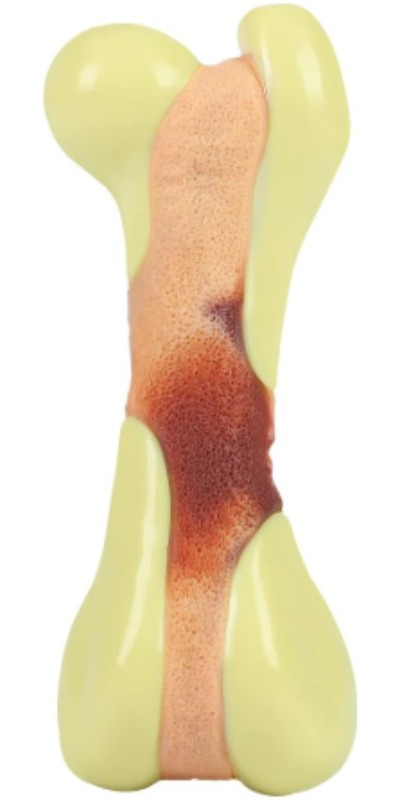
4. Tikaton Dog Chew Toys
Product Description
Tikaton offers durable chew toys shaped like bones with peanut butter flavor. They’re designed for puppies of various sizes, from small to large. The toys are made from hard, durable material that can handle aggressive chewing. The peanut butter flavor makes them appealing to most puppies. They work well for puppies during the teething phase and beyond.
Best Use Cases
These toys work best for puppies that are ready to graduate from soft toys. If your lab puppy is between three and five months old, Tikaton toys are appropriate. They’re also ideal for puppies that chew hard but aren’t extreme power chewers.
You can use them for general play, teething relief, and keeping puppies busy. They work well when your puppy needs mental stimulation. The chewing action keeps puppies engaged for extended periods.
The peanut butter flavor makes them especially useful as training aids. You can use them as rewards or to redirect unwanted chewing behavior.
Key Features Explained
The durable material is built to last. It’s tough enough to handle regular chewing from growing puppies. The material won’t splinter or break into pieces. It maintains its shape through weeks of use.
The peanut butter flavor is a major draw. Puppies are naturally attracted to the scent and taste. This flavor keeps them interested in the toy over time. It’s perfect for puppies that might otherwise lose interest.
The bone shape is classic and functional. It’s easy for puppies to grab and carry. The ends and sides provide different chewing angles. Your puppy can work the toy from multiple directions.
Real-Life Usage Insight
Owners report that puppies love the peanut butter flavor. Even puppies that ignore other toys will seek out Tikaton toys. The flavor seems to hold up reasonably well through extended use.
People also note that these toys are great for redirecting unwanted chewing. When your puppy heads for your couch or shoes, offering a Tikaton toy usually works. The appeal is strong enough to redirect attention.
The durability means these toys become staples in your puppy’s toy collection. Many owners keep multiple Tikaton toys on rotation for this reason.
Honest Pros and Cons
Pros:
- Excellent durability for the price
- Strong peanut butter appeal
- Won’t splinter or break easily
- Good size for growing puppies
- Flavor lasts a reasonable amount of time
- Great for redirecting chewing behavior
- Affordable for the quality
Cons:
- Peanut butter flavor is very strong (messy)
- Not ideal for very young puppies with sensitive teeth
- Flavor fades eventually
- May be too hard for puppies with tooth sensitivity
- Not as tough as professional-grade toys like Bullibone
- Single-material design limits interactive appeal
Performance Discussion
These toys perform very well for general-purpose chewing. They strike a good balance between durability and safety. They’re tougher than soft rubber toys but not as extreme as professional nylon chew toys.
Puppies get good mental stimulation from chewing on these toys. The resistance requires effort, which keeps puppies engaged. The flavor provides ongoing motivation.
The toys maintain their integrity through extended chewing. They don’t degrade quickly. The material is safe for puppy teeth even as puppies grow larger.
Ease of Use
No special preparation needed. Hand the toy to your puppy. Cleaning involves basic rinsing or washing. Peanut butter residue might build up, so occasional scrubbing helps. They dry quickly.
Value for Money
These toys offer excellent value. The price point is reasonable. The durability is strong. You get a toy that lasts weeks or months depending on chewing intensity. For the cost, you’re getting solid performance.
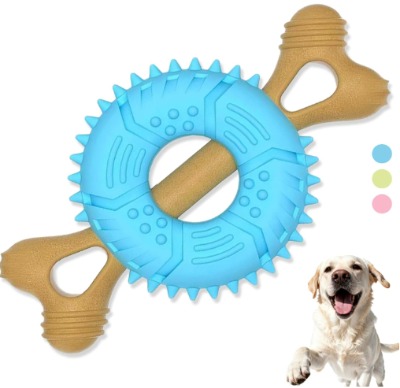
5. HORIBND Dog Chew Toys
Product Description
HORIBND makes indestructible chew toys designed for aggressive chewers. They’re made from tough rubber material shaped like bones and tires. The toys are specifically built to withstand powerful chewing. They’re suitable for small to medium dogs, making them good for growing lab puppies. The focus is on durability above all else.
Best Use Cases
These toys are perfect for puppies that are heavy chewers. If your lab puppy destroys other toys in hours, HORIBND is designed for that behavior. They work well for puppies that need a serious challenge.
They’re also good for anxiety relief. Puppies with separation anxiety benefit from toys that keep them occupied for hours. HORIBND toys can do that.
These toys work well when you need to keep your puppy busy while you’re out of the house. The extreme durability means you can leave them unsupervised with more confidence.
Key Features Explained
The rubber material is specifically formulated for strength. It’s different from regular rubber. It’s reinforced to resist tearing and puncturing. Even sharp puppy teeth struggle to damage it.
The bone and tire shapes offer different textures and grip points. Your puppy can chew from various angles. This variety keeps engagement high over extended periods.
The indestructible marketing isn’t just hype. These toys are genuinely built to last. The material doesn’t splinter. It’s designed to withstand abuse that would destroy normal toys.
Real-Life Usage Insight
Owners of powerful chewers swear by these toys. Puppies that go through a toy in an afternoon can chew on these for weeks. The durability is the main selling point.
People also report that these toys are great for building confident chewing habits. Puppies that have good toys to chew on are less likely to chew destructively on furniture and clothes.
The variety in shapes means your puppy doesn’t get bored. The bone shape feels different from the tire shape. Alternating between them keeps things fresh.
Honest Pros and Cons
Pros:
- Extremely durable for aggressive chewers
- Multiple shapes for variety
- Won’t break or splinter
- Long-lasting investment
- No flavor that might stain
- Good for outdoor play too
- Safe for powerful jaws
Cons:
- May be too hard for very young puppies
- Limited interactive features
- No flavor to maintain interest
- More expensive than basic options
- Not stuffable or freezable
- Heavy, some puppies may not grab easily
- Plain appearance
Performance Discussion
Performance is exceptional for aggressive chewers. These toys last far longer than most alternatives. A puppy chewing at full power might work on these toys for weeks or months.
The rubber material is specifically designed for strength. It outperforms standard rubber by a significant margin. It maintains its form and texture throughout extended use.
The lack of flavor might seem like a drawback, but it actually helps with durability. There’s no coating to wear away. The toy remains consistent throughout its life.
Ease of Use
Simple to use. Give it to your puppy. Cleaning involves basic rinsing. The heavy material might be hard to throw in a toy basket, but that’s a minor inconvenience.
Value for Money
These toys cost more than many alternatives. However, the value comes from longevity. If a toy lasts four times longer than a cheaper option, it’s actually more economical. You’re investing in durability.
Comparison Insights: Finding Your Perfect Fit
All five toys have different strengths. Here’s how they compare across key factors:
Teething Relief The Padythyric TPR toys win here because you can freeze them. The soft Skylety toys come in second. Bullibone and Tikaton don’t have special teething features. HORIBND is fine but not specialized.
Durability Bullibone and HORIBND take the top spots. Tikaton follows closely. The Padythyric toys are moderate. Skylety is the weakest for durability but isn’t meant for long-term use.
Engagement Time Padythyric wins because of the stuffing feature. Bullibone and Tikaton come next due to flavor. HORIBND is solid. Skylety holds attention the shortest.
Cost Per Day of Use This varies by chewing intensity. For light chewers, all options are affordable. For heavy chewers, Bullibone and HORIBND become most economical because they last so long.
Puppies Under Four Months Skylety is best. Padythyric works if you stuff them. Tikaton, Bullibone, and HORIBND are too hard for baby teeth.
Aggressive Chewers Bullibone and HORIBND dominate. Tikaton is solid. Padythyric and Skylety struggle with power chewers.
Versatility Padythyric wins with stuffing and freezing. Skylety offers many toys for variety. Others are specialized for one job.
Complete Buying Guide for Lab Puppy Chew Toys
Buying the right chew toy requires thinking about several factors. Let’s break down what to consider.
Age Matters Very young puppies (under three months) have baby teeth that hurt. They need soft toys. Skylety is your best choice. Avoid hard toys entirely.
Puppies between three and six months are transitioning. Their adult teeth are coming in. They can handle moderate firmness. Padythyric and Tikaton work well here.
Puppies over six months can handle harder toys. All options work depending on chewing style. This is when Bullibone and HORIBND become viable.
Chewing Style Light chewers can use anything. They won’t destroy toys quickly. You can choose based on other factors like price.
Regular chewers do best with moderate-durability toys like Padythyric and Tikaton. These last a good length of time without being excessive.
Aggressive chewers need Bullibone or HORIBND. Softer toys will be destroyed too quickly to make sense financially.
Power chewers require the most durable options. Even Bullibone and HORIBND might need replacement, but they’ll last much longer than anything else.
Your Schedule Busy owners benefit from toys that keep puppies occupied longer. Padythyric is best for this. Stuff them and they’ll chew for extended periods.
If you’re home often, you can use softer toys and supervise. Rotation keeps interest high. Skylety works well for hands-on owners.
Dental Needs Teething puppies benefit from cooling features. Padythyric frozen toys are ideal. Soft toys also help during early teething.
Growing puppies benefit from hard toys for jaw development. Bullibone and HORIBND provide excellent dental benefits through friction.
Budget Super tight budget: Skylety is cheapest upfront but wears out fast.
Moderate budget: Padythyric or Tikaton offer good value and reasonable durability.
Comfortable budget: Bullibone or HORIBND cost more but last much longer, becoming economical.
Living Situation Apartment dwellers benefit from toys that don’t make noise. All these options are quiet except when puppies enthusiastically chew. Skylety is gentlest.
Outdoor enthusiasts can use any toy, but HORIBND works great outdoors without wearing down quickly.
Who Should Buy These Products
The Early Teething Parent If your lab puppy just came home and is between two and four months old, Skylety is perfect. It’s affordable and gentle on baby teeth.
The Busy Professional Padythyric toys are your solution. Stuff them with treats and freeze them. Your puppy stays occupied during work hours. You save your furniture.
The Power Chewer Parent If your puppy destroys toys in hours, invest in Bullibone or HORIBND. The upfront cost is worth it because they last so long.
The Budget-Conscious Owner Tikaton offers the best balance of price and durability. You get a toy that lasts weeks without breaking the bank.
The Multi-Dog Household Padythyric’s three-pack is smart. You can have multiple toys at different stages (frozen, stuffed, regular). You also have backups.
The First-Time Dog Owner Start with Skylety. It’s forgiving, affordable, and appropriate for young puppies. It teaches you about your puppy’s chewing style without major investment.
The Traveling Owner Tikaton toys travel well. They’re lightweight and durable. They work anywhere. Padythyric toys are good too but need freezer access.
The Senior Dog Owner With a Young Puppy Padythyric works because it’s low-impact. The soft TPR material is gentle. The stuffing feature helps with anxiety for both old and young dogs.
Common Mistakes to Avoid When Buying Puppy Chew Toys
Mistake One: Getting Hard Toys Too Soon Hard toys cause pain and damage to baby teeth. Wait until your puppy is at least three months old before introducing hard toys. Start soft and transition gradually.
Mistake Two: Leaving Destructible Toys Unsupervised Small pieces from destroyed toys can become choking hazards. Always supervise when your puppy plays with toys that might break apart. Remove toys that are falling apart.
Mistake Three: Ignoring Choking Hazards Toys should be large enough that your puppy can’t swallow them whole. They shouldn’t have small parts that can detach. Always check toy condition regularly.
Mistake Four: Using Human Food for Stuffing Chocolate, xylitol, and grapes are toxic to dogs. Stick to dog-safe foods: plain peanut butter, kibble, carrots, and apple pieces. Avoid seasoned foods.
Mistake Five: Not Rotating Toys Puppies get bored. Rotating between several toys keeps interest high. This also extends toy life because you’re not using them constantly.
Mistake Six: Forgetting About Freezing Options If your toy is freezable, actually use that feature during teething. Frozen toys provide real relief and extend play time. It’s a powerful tool to ignore.
Mistake Seven: Buying Toys That Are Too Small Toys should challenge your puppy but not hurt them. Very small toys increase choking risk. Very large toys might frustrate your puppy. Match toy size to your puppy’s mouth size and strength.
Mistake Eight: Ignoring Allergic Reactions Some puppies react to certain materials or flavors. Watch for excessive drooling, skin irritation, or digestive issues after introducing a new toy. Switch toys if problems develop.
Mistake Nine: Expecting One Toy to Last Forever No toy lasts forever. All eventually wear out or become damaged. Budget for toy replacement. Having backups means you’re never without options.
Mistake Ten: Not Cleaning Toys Dirty toys grow bacteria. Clean toys regularly with hot water. Moldy toys can make puppies sick. Establish a cleaning routine.
Final Verdict: Your Best Options
After examining all five toys, here’s the honest bottom line.
Best Overall: Padythyric 3 Pack TPR Rubber Chew Toys
These toys offer the most versatility and value. The stuffing and freezing features solve multiple problems. You get three toys for good rotation. They’re safe for puppies and effective for anxiety relief. The price is reasonable. Whether your puppy is teething, anxious, or just needs occupation, these deliver.
Best for Aggressive Chewers: Bullibone Nylon Dog Chew Toy
If your puppy destroys toys quickly, this is your answer. The durability is unmatched in this price range. The peanut butter flavor keeps interest high. You’ll spend more upfront but save money long-term because this toy lasts so much longer.
Best Budget Option: Skylety 6 Pcs Puppy Teething Chew Toys
For young puppies and budget-conscious owners, this set is perfect. Six toys for a low price means you get variety and rotation. The soft material is gentle on baby teeth. Don’t expect these to last beyond early puppyhood, but they’re not meant to.
Best for Heavy-Duty Chewing: HORIBND Dog Chew Toys
For puppies that are extreme chewers, these toys stand up to the challenge. The indestructible reputation is earned. Multiple shapes add variety. The lack of flavor actually helps durability. These are investment-grade toys.
Best Overall Value: Tikaton Dog Chew Toys
These hit the sweet spot between price and quality. They’re affordable but durable. The peanut butter flavor is appealing. They work for a wide range of ages. They don’t have specialty features, but they do the basic job very well.
The Real Talk: Combining Toys Works Best
Here’s what experienced puppy owners know: you don’t need just one toy. Different toys serve different purposes.
Start with Skylety when your lab puppy arrives home. This handles early teething gently and affordably. Around three months, add Padythyric to the mix. The stuffing and freezing features will save you during tough teething days.
When your puppy is around five months old and shows consistent chewing habits, add either Tikaton or Bullibone depending on chewing intensity. Aggressive chewers go straight to Bullibone. Regular chewers do fine with Tikaton.
HORIBND is for puppies that still destroy other toys by six or seven months. It’s the advanced option for special situations.
This tiered approach means you’re never using one toy beyond its purpose. You’re investing gradually instead of all at once. You’re learning your puppy’s chewing style without making expensive mistakes.
Wrapping Up Your Chew Toy Journey
Your lab puppy needs good chew toys. It’s not optional. It’s essential for healthy development. Puppies chew. That’s nature. Your job is to direct that natural behavior toward appropriate toys.
The right toys reduce destructive chewing, provide teething relief, support dental health, and keep your puppy mentally stimulated. They’re not luxuries. They’re necessities.
Skylety works great for the first months. Padythyric offers outstanding versatility. Tikaton provides solid all-around performance. Bullibone handles aggressive chewing. HORIBND tackles extreme situations.
You have options. Each addresses different needs. The best choice depends on your puppy’s age, chewing style, and your lifestyle. Think about what you actually need. Invest accordingly.
Puppies grow fast. The right toys today might not work next month. That’s okay. Plan to evolve your toy selection as your puppy grows. Start soft, transition gradually, and adjust based on real-world performance.
Your lab puppy will appreciate quality toys. Your furniture will thank you. Your puppy’s teeth will grow strong and healthy. Everyone wins when you invest in proper chew toys.
Start with the toy that matches your puppy’s current stage. Watch how they interact with it. Learn their chewing style. Then expand your collection thoughtfully. Before you know it, you’ll have a puppy with excellent chewing habits and a collection of toys that serve real purposes.
That’s the path to happy puppies and happy homes. Your lab puppy deserves toys that work. These five options deliver exactly that.