5 Best Brush for Black Lab In 2026
Black Labradors are stunning dogs with dense double coats that require regular maintenance. Their thick fur sheds throughout the seasons, which means finding the right brush becomes essential for both your dog’s health and your home’s cleanliness. This comprehensive guide will help you discover the perfect grooming tool for your beloved black Lab.
Why Black Labs Need Special Grooming Attention
Labrador Retrievers have a unique coat structure that sets them apart from many other breeds. Their double-layer coat consists of a soft, insulating undercoat and a coarser, water-resistant outer coat. This combination keeps them warm in cold water and protects their skin from harsh elements.
The black coat color can sometimes make shedding less noticeable on your dog but more visible on light-colored furniture and clothing. Regular brushing helps manage loose hair before it ends up all over your home. Beyond cleanliness, proper grooming distributes natural oils throughout the coat, keeping it healthy and shiny.
Black Labs shed moderately year-round, with heavier shedding periods during seasonal transitions. During these times, you might notice clumps of fur coming out during brushing sessions. This natural process helps them adapt to temperature changes. A quality brush makes this process easier for both you and your dog.
Understanding Your Black Lab’s Coat Type
Before selecting a brush, you need to understand what makes your Lab’s coat special. The outer guard hairs are straight and lie flat against the body. These hairs repel water and protect against scratches and minor injuries. The undercoat is much softer and provides insulation.
This double coat means you need a brush that can reach through the topcoat to remove loose undercoat fur. Surface-level brushing won’t effectively manage shedding or prevent matting near the skin. The right tool penetrates both layers without causing discomfort.
Labs have relatively short hair compared to breeds like Golden Retrievers or German Shepherds. However, “short” doesn’t mean “low maintenance.” Their dense coat packs a lot of fur into a small space. This density requires specific brush designs that can handle the volume without pulling or scratching.
Top 5 Brushes for Black Labradors
1. Self Cleaning Shedding Brush – Skin Friendly Grooming Tool
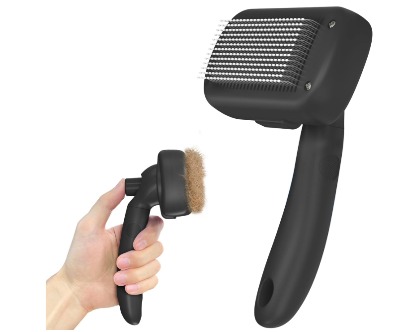
This innovative deshedding brush combines effectiveness with convenience. The self-cleaning mechanism sets it apart from traditional grooming tools.
Product Description: The brush features fine bent wire bristles designed to penetrate deep into your Lab’s coat. These bristles catch loose undercoat fur without damaging the topcoat. The ergonomic handle provides a comfortable grip during extended grooming sessions. The standout feature is the self-cleaning button that retracts bristles, making fur removal effortless.
Pros:
- Self-cleaning button saves time and keeps hands clean
- Gentle on sensitive skin
- Works effectively on both undercoat and topcoat
- Suitable for daily use
- Easy to maintain and clean
- Reduces shedding by up to 90%
- Comfortable grip prevents hand fatigue
Cons:
- Bristles may be too soft for extremely thick coats
- Retraction mechanism can wear out with heavy use
- Slightly more expensive than basic brushes
This brush works well for Labs with normal to slightly sensitive skin. The gentle bristles make grooming a pleasant experience rather than a chore. Your black Lab will likely enjoy the massage-like sensation during brushing sessions.
2. Swihauk Self Cleaning Slicker Brush for Dogs & Cats
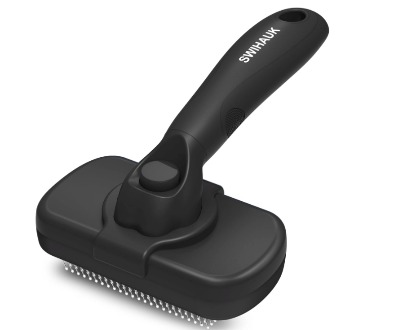
The Swihauk slicker brush offers professional-grade grooming at home. Its design focuses on efficiency and comfort.
Product Description: This slicker brush features angled bristles that grab loose fur from the undercoat. The pins are fine enough to catch shed hair but rounded at the tips to protect your dog’s skin. The self-cleaning feature allows you to press a button and watch the collected fur lift away from the bristles. The non-slip handle ensures secure grip even when your hands are wet.
Pros:
- Angled bristles reach deep into the coat
- Rounded pin tips prevent skin irritation
- One-click cleaning system
- Reduces grooming time significantly
- Non-slip grip handle
- Works on wet or dry fur
- Durable construction
Cons:
- May require multiple passes for very heavy shedding
- Handle might feel small for larger hands
- Bristles can bend if pressed too hard
Labs with thicker coats respond particularly well to this brush. The angled design helps remove stubborn undercoat fur that other brushes might miss. Regular use keeps your black Lab’s coat sleek and reduces loose hair around your home.
3. Gonicc Professional Pet Deshedding Comb Tool
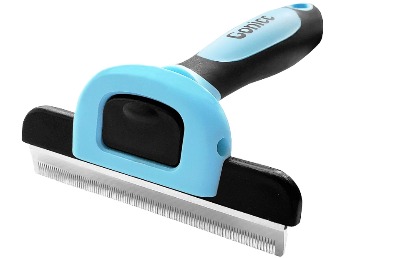
The Gonicc deshedding tool takes a different approach with its comb-style design. This professional-grade tool tackles heavy shedding head-on.
Product Description: This deshedding comb features a stainless steel blade with fine teeth that grab and remove loose undercoat fur. The 4-inch blade covers a good amount of surface area with each stroke. The ergonomic handle is designed for extended use without causing hand strain. The bright blue color makes it easy to spot in your grooming kit.
Pros:
- Professional-grade stainless steel construction
- Removes up to 95% of loose undercoat
- Reduces shedding dramatically
- Ergonomic design prevents hand fatigue
- Durable and long-lasting
- Easy to clean
- Effective on thick double coats
Cons:
- Requires proper technique to avoid discomfort
- Not ideal for daily use (weekly is better)
- More aggressive than gentle slicker brushes
- Blade needs occasional cleaning during use
This tool excels during heavy shedding seasons. Use it once or twice weekly rather than daily to prevent over-grooming. Your black Lab’s coat will look noticeably thinner and more manageable after each session. The comb design makes it easy to see how much fur you’re removing.
4. Hartz Groomer’s Best Deshedding Slicker Dog Brush
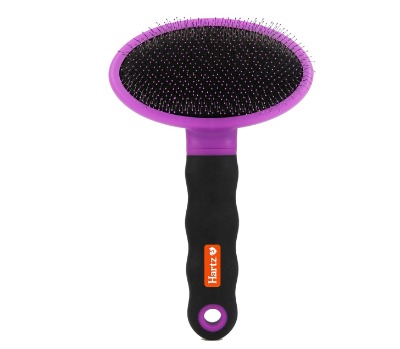
Hartz brings decades of pet care experience to this affordable yet effective brush. The design balances quality and value.
Product Description: This slicker brush features densely packed pins that glide through your Lab’s coat. The pins are slightly curved to follow your dog’s body contours. The violet and black color scheme looks professional and attractive. The cushioned pad beneath the pins provides flexibility, allowing the brush to conform to different body areas.
Pros:
- Budget-friendly price point
- Densely packed pins for thorough grooming
- Flexible cushioned pad
- Comfortable grip
- Trusted brand reputation
- Good for regular maintenance
- Removes loose fur and detangles
Cons:
- No self-cleaning feature
- Requires manual fur removal
- May not reach deep undercoat as effectively
- Pin tips could be slightly rounder
This brush serves as an excellent everyday grooming tool. Use it between sessions with more aggressive deshedding tools. The gentle action makes it suitable for Labs who are new to brushing or have sensitive skin. The price point makes it accessible for owners on a budget.
5. Hertzko Self Cleaning Slicker Brush
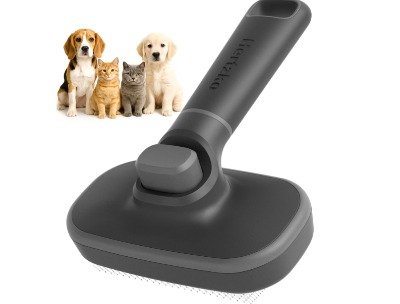
The Hertzko brush has earned a reputation as a reliable grooming tool among dog owners. Its design focuses on making grooming easy and effective.
Product Description: This brush combines fine bent wire bristles with a user-friendly self-cleaning mechanism. The bristles are angled to penetrate deep into the coat without scratching the skin. A simple button press retracts the bristles, allowing collected fur to fall away. The comfort grip handle reduces wrist strain during grooming sessions. The black finish gives it a sleek, professional appearance.
Pros:
- Effective self-cleaning mechanism
- Gentle on skin while removing loose fur
- Reduces shedding significantly
- Comfortable ergonomic handle
- Suitable for daily use
- Works on various coat lengths
- Painless detangling action
- Durable construction
Cons:
- Bristles may bend with very aggressive brushing
- Cleaning button can collect fur around edges
- Handle might feel lightweight to some users
This brush works wonderfully for regular grooming routines. Your black Lab will appreciate the gentle approach to removing loose fur. The self-cleaning feature makes post-grooming cleanup quick and hassle-free. Many Lab owners report this becoming their go-to brush for daily maintenance.
How to Brush Your Black Lab Properly
The right technique matters just as much as the right tool. Start by making sure your Lab is calm and comfortable. Find a quiet space where your dog feels relaxed. Some Labs enjoy grooming time, while others need to build positive associations gradually.
Begin brushing at the head and work your way back toward the tail. Use gentle, firm strokes that go with the direction of hair growth. Don’t brush against the grain, as this can cause discomfort. Pay special attention to areas where fur tends to mat, such as behind the ears, under the collar, and around the legs.
Apply moderate pressure. You want the bristles to reach through the topcoat to the undercoat without pressing so hard that you irritate the skin. Watch your dog’s body language. If they pull away, flatten their ears, or show other signs of discomfort, you might be brushing too hard.
Work in sections rather than trying to brush the entire dog at once. Complete one area thoroughly before moving to the next. This systematic approach ensures you don’t miss any spots. The chest, sides, back, and hindquarters should all receive equal attention.
During heavy shedding periods, you might need to clean your brush several times during a single grooming session. This prevents the brush from becoming clogged with fur, which reduces its effectiveness. Self-cleaning brushes make this process much easier.
Grooming Frequency for Black Labs
How often should you brush your black Lab? The answer depends on several factors, including the season, your dog’s individual coat, and your tolerance for loose fur around the house.
During normal periods, brushing your Lab two to three times per week maintains coat health and manages shedding. This frequency keeps the coat clean, distributes natural oils, and removes loose fur before it falls out on its own. Many owners find that establishing a regular schedule helps their dog anticipate and enjoy grooming time.
When shedding increases during seasonal transitions, daily brushing might be necessary. These periods typically last a few weeks as your Lab’s coat adjusts to temperature changes. Daily sessions during these times dramatically reduce the amount of fur floating around your home.
Some Labs have heavier coats than others, even within the same breed. If your black Lab has an exceptionally thick coat, you might need more frequent brushing regardless of the season. Pay attention to how much fur comes out during each session. If you’re still collecting large amounts of loose fur, increase your brushing frequency.
Active Labs who spend a lot of time outdoors might need more frequent grooming to remove dirt, debris, and tangles. Swimming, rolling in grass, and running through brush can all leave your Lab’s coat messy. A quick brush after outdoor adventures keeps the coat in good condition.
Signs You’re Using the Wrong Brush
Not all brushes work equally well for every dog. Watch for these indicators that your current brush might not be the best choice for your black Lab.
If your dog consistently tries to move away or shows signs of discomfort during brushing, the tool might be too harsh. While some Labs simply don’t enjoy grooming, most tolerate it well when done correctly with the right equipment. Persistent avoidance behavior suggests a problem.
Skin irritation after brushing indicates the bristles are too harsh or you’re applying too much pressure. Check your Lab’s skin after grooming sessions. Redness, scratch marks, or your dog obsessively licking the brushed areas are red flags. Switch to a gentler brush and use lighter pressure.
If you brush regularly but still find excessive amounts of loose fur around your home, your brush might not be reaching the undercoat effectively. Surface-level brushing removes some fur but doesn’t address shedding at its source. You need a tool that penetrates deeper into the coat.
Tangles and mats that persist despite regular brushing suggest your tool isn’t suited for your Lab’s coat type. While Labs don’t typically develop severe mats like longer-haired breeds, they can get tangles, especially in areas with more friction. A good brush should prevent these issues when used regularly.
Bristles that bend, break, or fall out indicate you need to replace your brush. Damaged tools don’t work effectively and can potentially harm your dog’s skin. Inspect your brush regularly and replace it when you notice wear.
Deshedding Tools vs. Regular Brushes
Understanding the difference between deshedding tools and regular brushes helps you make informed decisions about your grooming toolkit.
Regular slicker brushes work on the surface and slightly beneath the topcoat. They remove loose fur, distribute oils, and keep the coat looking neat. These brushes are gentle enough for daily use and help maintain overall coat health. They work well for routine grooming between deeper deshedding sessions.
Deshedding tools, particularly those with blade-style combs, reach deep into the undercoat. They grab loose undercoat fur that regular brushes might miss. These tools are more aggressive and should be used less frequently—typically once or twice weekly during heavy shedding periods. Overuse can remove too much undercoat, potentially affecting your Lab’s temperature regulation.
Many Lab owners find success using both types of tools. Daily brushing with a slicker brush handles routine maintenance. Weekly sessions with a deshedding tool during peak shedding periods manage the heavier fur loss. This combination approach keeps shedding under control without over-grooming.
The intensity of shedding in your home should guide your tool selection. If you’re constantly vacuuming up fur despite regular brushing, you probably need a more effective deshedding tool. If your Lab’s coat looks dull or feels greasy, regular brushing with a slicker brush helps distribute natural oils.
Grooming Tips for Nervous Labs
Some black Labs feel anxious about grooming. Building positive associations takes patience but pays off in the long run.
Start with short sessions. Even five minutes of brushing followed by treats and praise creates positive experiences. Gradually extend the time as your Lab becomes more comfortable. Don’t try to complete a full grooming session if your dog is stressed.
Let your Lab sniff and investigate the brush before you use it. Some dogs feel more comfortable when they can examine new objects. Hold the brush where your dog can see it and reward calm behavior around it.
Choose a time when your Lab is naturally calm, such as after a walk or play session. Tired dogs are generally more cooperative during grooming. Avoid trying to brush an excited or energetic Lab who wants to play instead.
Use high-value treats during and after grooming. Small pieces of chicken, cheese, or special dog treats make the experience more positive. Some owners find that giving their Lab a stuffed Kong or long-lasting chew during brushing keeps them occupied and still.
Speak in a calm, soothing voice throughout the process. Your energy affects your dog’s emotional state. If you’re tense or frustrated, your Lab will pick up on these feelings. Stay relaxed and patient.
If your Lab has a particularly sensitive area, work up to brushing it gradually. You might start by just touching the area with your hand, then touching it with the brush without actually brushing, and finally doing gentle strokes. This desensitization process helps your dog accept grooming in all areas.
Maintaining Your Grooming Tools
Proper care extends the life of your brushes and ensures they work effectively. Clean brushes remove fur better and feel more comfortable on your dog’s skin.
After each use, remove all collected fur from the brush. Self-cleaning brushes make this easy with a button press. For traditional brushes, use your fingers or a comb to pull fur from between the bristles. Leaving fur in the brush reduces its effectiveness during the next session.
Wash your brushes regularly with mild soap and warm water. This removes accumulated oils, dirt, and dander. Rinse thoroughly and allow the brush to air dry completely before storing it. Wet brushes can develop mildew or rust.
Inspect bristles and pins regularly for damage. Bent or broken bristles can scratch your dog’s skin. Replace brushes when they show significant wear. While quality brushes last a long time with proper care, they don’t last forever.
Store brushes in a clean, dry place. Avoid leaving them in damp areas or in direct sunlight, which can damage materials over time. A dedicated grooming kit or drawer keeps tools organized and protected.
If you use a deshedding tool with a blade, check the blade edge for dullness. A sharp blade works more effectively and requires less pressure, making the experience more comfortable for your Lab. Some blades can be sharpened, while others need replacement.
Common Grooming Mistakes to Avoid
Even experienced dog owners sometimes make grooming errors that reduce effectiveness or cause problems.
Brushing too hard ranks as one of the most common mistakes. You don’t need to press firmly to remove loose fur. The brush design does the work when you use proper technique. Excessive pressure can irritate skin, cause brush burn, or make your Lab dislike grooming.
Skipping areas because your dog doesn’t like them being brushed creates opportunities for mats and tangles. Work gradually to help your Lab accept grooming in sensitive areas rather than avoiding them entirely. The belly, legs, and tail base often get neglected but need attention too.
Using the same brush for all purposes might not give you the best results. Different grooming goals require different tools. A slicker brush works well for daily maintenance, while a deshedding tool handles heavy seasonal shedding better. Having multiple brushes in your toolkit provides flexibility.
Neglecting to check skin condition during grooming misses an opportunity to catch problems early. While brushing, watch for lumps, bumps, irritation, parasites, or other skin issues. Early detection of problems makes treatment easier and more effective.
Brushing a dirty coat pushes dirt and debris against the skin. If your Lab is particularly dirty, consider bathing before brushing or at least wiping down the coat. Clean fur is easier to brush and the process is more pleasant for your dog.
Inconsistent grooming schedules confuse your dog and make coat maintenance harder. Labs thrive on routine. Regular grooming sessions at similar times help your dog know what to expect and make the process smoother.
Benefits Beyond Shedding Control
Regular brushing provides numerous advantages beyond simply reducing loose fur in your home.
The physical act of brushing massages your Lab’s skin, improving blood circulation. Better circulation promotes healthier skin and coat growth. Many dogs find this massage relaxing, which can help reduce stress and anxiety.
Grooming sessions offer excellent bonding opportunities. The one-on-one attention strengthens your relationship with your black Lab. Dogs are social animals who enjoy positive interactions with their family members. Regular grooming becomes quality time together.
Running your hands over your dog’s body during grooming helps you notice changes in body condition. You might detect weight loss or gain early. You’ll feel lumps, bumps, or sore spots that warrant veterinary attention. This hands-on examination acts as an early warning system for health issues.
Removing loose undercoat fur improves your Lab’s temperature regulation. During warmer months, all that excess fur can trap heat. Regular brushing helps your dog stay cooler and more comfortable. The opposite is true in winter—removing dead undercoat allows new, insulating fur to grow properly.
Dogs who are groomed regularly often have better-looking coats. The distribution of natural oils during brushing creates shine and improves texture. A well-groomed black Lab has a glossy coat that catches the light beautifully.
Dealing with Excessive Shedding
While Labs are known for shedding, excessive fur loss might indicate underlying issues that require attention.
Diet plays a significant role in coat health. Poor nutrition can lead to dull, brittle fur that sheds more than normal. High-quality dog food with appropriate protein levels and omega fatty acids supports healthy skin and coat. Consider whether recent diet changes might be affecting your Lab’s shedding.
Skin conditions, allergies, and parasites can cause abnormal shedding. If your black Lab is losing patches of fur, has red or irritated skin, or scratches constantly, consult your veterinarian. These symptoms suggest problems that brushing alone won’t solve.
Stress can affect shedding patterns. Major life changes, anxiety, or fear can trigger increased fur loss. If your Lab recently experienced a stressful event and shedding increased dramatically, the issue might resolve as your dog adjusts to the new situation.
Hormonal imbalances sometimes manifest as coat problems. Spaying or neutering can temporarily affect coat quality. Thyroid issues and other medical conditions might also impact fur growth and shedding. Blood tests can identify these problems.
Bathing frequency affects shedding. While baths remove loose fur, washing your Lab too often strips natural oils that keep the coat healthy. Most Labs only need baths every few months unless they get particularly dirty. Use dog-specific shampoo that won’t dry out the skin.
If you’ve ruled out health issues and use proper grooming techniques but still face excessive shedding, your Lab might simply have a denser coat than average. Some individual dogs within the breed shed more heavily. Increasing grooming frequency and using a high-quality deshedding tool might be necessary.
Seasonal Grooming Adjustments
Your black Lab’s grooming needs change throughout the seasons. Adapting your routine optimizes coat health year-round.
Spring brings one of the heaviest shedding periods as your Lab loses winter undercoat. Daily brushing during this time prevents your home from becoming covered in fur. Focus on thorough deshedding sessions that remove as much loose undercoat as possible. The process might take several weeks as the old coat fully sheds out.
Summer grooming maintains the lighter coat your Lab develops for warm weather. Twice-weekly brushing usually suffices during this period. Be careful not to remove too much undercoat, as it provides some protection against sun and heat. Never shave your Lab’s coat, as this can damage the hair follicles and disrupt natural temperature regulation.
Fall brings another significant shedding period as summer coat gives way to winter growth. Like spring, this transition requires increased brushing frequency. Daily sessions help your Lab shed the lighter summer coat and make room for thicker winter fur. You might notice the new coat feels softer and denser.
Winter grooming focuses on maintaining the protective undercoat while keeping the topcoat clean. Your Lab needs this insulation during cold weather. Brush once or twice weekly to remove dirt and distribute oils without removing too much undercoat. Check for ice balls between the toes and around the legs after winter walks.
Making Grooming Enjoyable for Your Lab
Transforming grooming from a chore into a positive experience benefits both you and your dog. Happy dogs cooperate better and actually look forward to brushing time.
Create a comfortable grooming space. Some Labs prefer being groomed on the floor, while others do better on a raised surface where they feel more secure. Use a non-slip mat if working on a table or counter. Make sure the area is well-lit so you can see what you’re doing.
Establish a consistent routine. Dogs thrive on predictability. If you always brush your Lab after morning walks or before dinner, they’ll start anticipating and accepting the activity. Routine reduces anxiety and resistance.
Keep sessions positive from start to finish. Begin and end with something your Lab enjoys—a favorite treat, toy, or activity. This creates a “treat sandwich” where grooming is the filling. Your dog remembers the beginning and end most strongly, so positive bookends make the entire experience seem better.
Take breaks during longer grooming sessions. If you notice your Lab getting restless or uncomfortable, pause for a minute. Let them stretch, get some water, or just shake off. Then resume brushing. Forced sessions create negative associations.
Celebrate progress and success. If your Lab sits still for an extra minute or allows you to brush a sensitive area, reward that behavior immediately. Positive reinforcement shapes future behavior more effectively than punishment or frustration.
Consider grooming while your Lab engages in another enjoyable activity. Some dogs tolerate brushing better when eating a special treat, playing with a toy, or even watching out the window at birds or squirrels. Pairing grooming with something positive uses classical conditioning to your advantage.
Conclusion
Finding the best brush for your black Lab significantly impacts both your dog’s comfort and your home’s cleanliness. The five brushes reviewed here each offer distinct advantages suited to different needs and preferences.
The Self Cleaning Shedding Brush and Hertzko Self Cleaning Slicker Brush excel for owners who want convenient, everyday grooming tools. Their self-cleaning mechanisms save time and make the process less messy. The Swihauk brush offers similar benefits with its angled bristle design that reaches deep into the coat.
The Gonicc Professional Deshedding Tool stands out for managing heavy shedding periods. Its blade design removes massive amounts of undercoat quickly. Use it weekly during peak shedding seasons for dramatic results. The Hartz Groomer’s Best provides budget-friendly performance for regular maintenance between intensive deshedding sessions.
Your individual Lab’s coat thickness, shedding patterns, and sensitivity will ultimately determine which brush works best. Many owners find that having multiple tools serves them well—a gentle slicker brush for daily grooming and a more aggressive deshedding tool for weekly deep grooming sessions.
Remember that the brush is only part of the equation. Proper technique, consistent grooming schedules, and patience create the best results. Watch your Lab’s reactions and adjust your approach based on their comfort level. Grooming should strengthen your bond with your dog rather than become a source of stress.
Regular brushing keeps your black Lab looking their best while reducing shedding around your home. The time invested in grooming pays dividends in coat health, reduced allergens, and early detection of potential health issues. Your Lab will thank you with a shinier coat, and you’ll appreciate the reduction in loose fur covering your furniture and clothes.
Take the time to select a quality brush that matches your needs and your Lab’s coat characteristics. Whether you choose one of these five excellent options or another tool entirely, commit to regular grooming sessions. Your black Lab deserves the care and attention that proper coat maintenance provides. The right brush makes this essential task easier, more effective, and more enjoyable for everyone involved.
Hi, I’m Mary, the founder of PetGadgetPro.com. I’m a passionate pet lover with a special place in my heart for dogs and cats. I share practical advice and honest insights on pet gear to help pet parents make better choices. My dedicated research team studies products in depth, and our writers create reviews using trusted, authentic sources—so you can feel confident choosing the best for your pets.