5 Best Brush for a Great Pyrenees In 2026
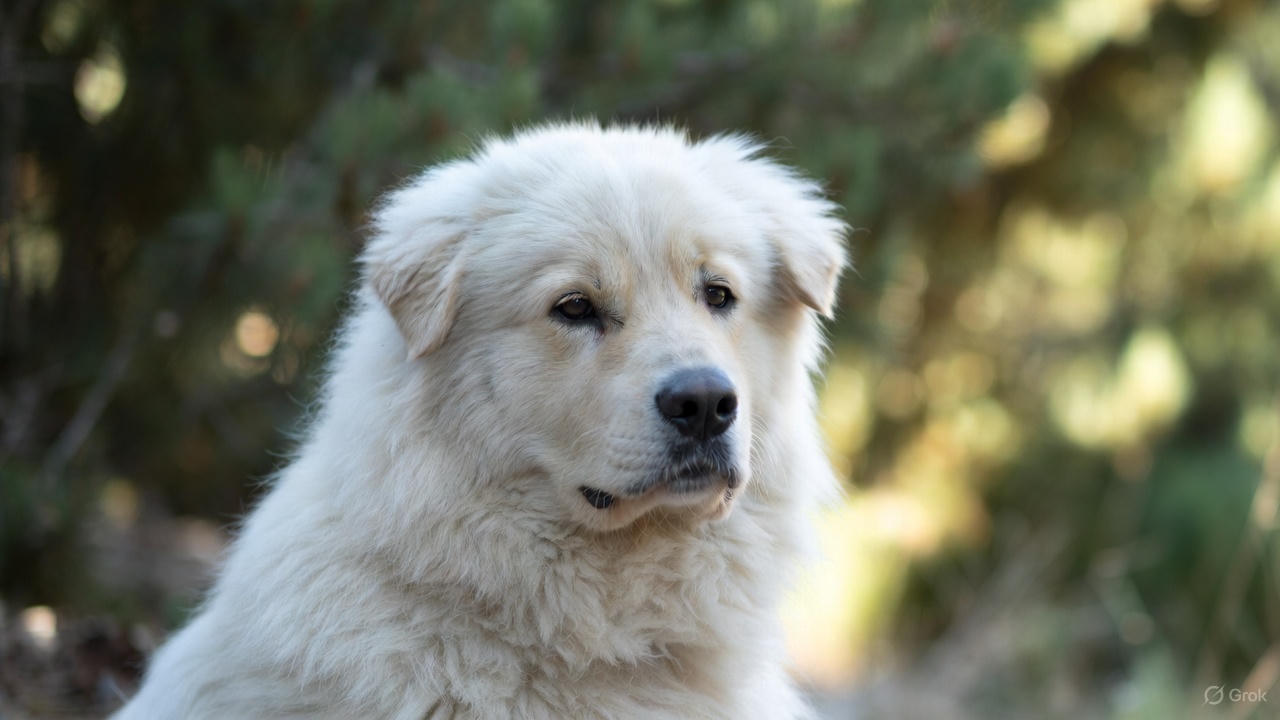
Great Pyrenees dogs are magnificent creatures with their stunning white double coats. However, their beautiful fur comes with serious grooming demands. These gentle giants shed heavily throughout most of the season, and their thick undercoat requires consistent attention to prevent matting and keep them comfortable.
Finding the right brush makes all the difference between a frustrating grooming session and a bonding experience your dog actually enjoys. The wrong tool can irritate their skin, miss the dense undercoat entirely, or break halfway through the job. This guide examines five top-rated brushes specifically suited for Great Pyrenees and similar large, double-coated breeds.
Why Great Pyrenees Need Special Grooming Tools
The Great Pyrenees breed features a dense double coat designed to protect them in harsh mountain climates. Their outer coat is long and coarse, while their undercoat is soft, thick, and prone to matting. This combination creates unique grooming challenges that regular dog brushes simply cannot handle.
Their coat naturally sheds loose fur, and without proper brushing, this dead hair becomes trapped in the undercoat. The result is painful mats, skin irritation, and a coat that loses its natural insulating properties. Regular grooming isn’t just about appearance—it’s essential for your dog’s health and comfort.
Great Pyrenees owners need tools that can penetrate deep into the undercoat without scratching sensitive skin. The brush must be large enough to cover significant ground quickly, since these dogs have massive bodies covered in thick fur. Durability matters too, as grooming a Great Pyrenees puts considerable stress on any tool.
What to Look for in a Great Pyrenees Brush
Before diving into specific product reviews, understanding key features helps you make an informed decision.
Size and Width: Standard brushes designed for medium dogs won’t cut it. You need extra-wide heads or long pins that can reach through several inches of dense fur. A wider brush head means fewer passes over the same area, which keeps your dog patient and cooperative.
Double-Sided Options: Many effective brushes offer two different sides—typically a rake or dematting side for tough tangles, and a bristle or pin side for finishing work. This versatility eliminates the need to switch tools mid-session.
Handle Comfort: You’ll spend 20-30 minutes per grooming session with a Great Pyrenees. An ergonomic, comfortable handle prevents hand fatigue and gives you better control. Look for rubberized grips or wooden handles that feel natural in your hand.
Pin Length and Spacing: The pins or teeth need to be long enough to reach the undercoat but not so aggressive that they irritate skin. Rounded tips are essential to prevent scratching. Proper spacing between pins allows fur to flow through without pulling.
Build Quality: Cheap brushes break under the pressure of grooming a 100+ pound dog with a thick coat. Metal pins should be firmly anchored, and the brush head should attach securely to the handle.
Top 5 Brushes for Great Pyrenees: Detailed Reviews
1. Maxpower Planet Hair Brush – Double Sided Shedding Tool
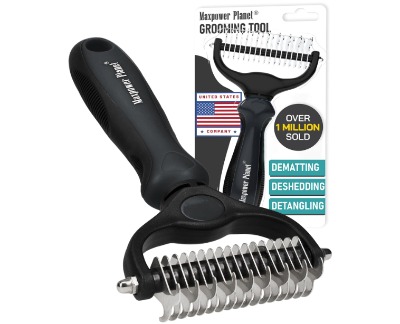
The Maxpower Planet brush has earned its reputation as a reliable workhorse for large, double-coated breeds. This tool features a two-sided design that tackles both dematting and regular maintenance brushing.
Product Description
One side of this brush contains a 9-tooth undercoat rake designed to penetrate deep into thick fur. The teeth are sharpened but not dangerously sharp, allowing them to cut through mats and remove loose undercoat efficiently. The other side has a 17-tooth rake with closer spacing, perfect for removing loose topcoat and catching finer hairs.
The extra-wide design spans a larger area than standard brushes, making it ideal for Great Pyrenees and other giant breeds. The handle is rubberized for a secure, comfortable grip during extended grooming sessions. The manufacturer claims this brush can reduce shedding by up to 95% with regular use.
Performance with Great Pyrenees
This brush excels at removing massive amounts of loose undercoat. The 9-tooth side works wonders on thick areas like the ruff around the neck and the dense fur on the hindquarters. You’ll be amazed at the piles of fur that come out, even if you think you’ve been brushing regularly.
The teeth are long enough to reach through a Great Pyrenees’ coat without requiring excessive pressure. This is crucial because pressing too hard with any tool can cause skin irritation. The blade design cuts through minor mats without pulling, though severely tangled areas may still need extra attention.
Switching to the 17-tooth side for finishing work leaves the coat smooth and reduces the amount of loose fur left behind. Many owners report that shedding around the house decreases noticeably after a few sessions with this brush.
Pros
- Extra-wide design covers more area per stroke
- Double-sided functionality eliminates tool switching
- Effectively removes dense undercoat
- Durable construction holds up to regular use
- Comfortable non-slip grip reduces hand fatigue
- Works on both wet and dry fur
- Reduces household shedding significantly
Cons
- Requires proper technique to avoid scratching skin
- The 9-tooth side may be too aggressive for sensitive dogs
- Teeth can clog with fur and need frequent cleaning during use
- Some dogs find the sound of the rake intimidating at first
- Not ideal for finishing or giving a polished look
Best For
This brush is perfect for Great Pyrenees owners who need an effective, no-nonsense tool for managing heavy shedding. It’s especially useful during seasonal coat blowing when undercoat removal becomes a daily necessity. Dog owners comfortable with learning proper raking technique will get the most from this tool.
2. Paw Brothers Professional Grade Extra Long Slicker Brush
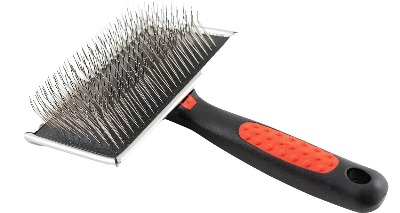
Professional groomers rely on Paw Brothers tools, and their extra-long slicker brush brings salon-quality results to home grooming. This brush takes a different approach from rakes, using bent wire pins to penetrate and smooth the coat.
Product Description
The Paw Brothers slicker features pins that extend significantly longer than standard slicker brushes. These pins are set in a flexible rubber backing that allows them to move with your brushing motion. The pins have rounded tips to protect your dog’s skin while still being effective at grabbing loose fur.
The ergonomic handle is designed to reduce wrist strain during extended use. It’s angled to position your hand naturally, which gives you better control and reduces the effort needed per stroke. The brush head is rectangular and wider than average, sized appropriately for large breed dogs.
Professional groomers praise this tool for its ability to remove loose undercoat while simultaneously smoothing the topcoat. The bent pins grab and pull out dead fur without creating a harsh, raked appearance.
Performance with Great Pyrenees
This slicker brush shines when used as part of a comprehensive grooming routine. The long pins reach deep into a Great Pyrenees’ coat, pulling out loose undercoat that shorter pins would miss entirely. The flexible pin bed prevents you from applying too much pressure, which protects your dog’s skin.
The brush glides through fur smoothly when used correctly. Short, gentle strokes work better than long, hard pulls. You’ll notice the coat looks fluffier and more refined after using this slicker compared to using only a rake. It’s excellent for working through tangles in areas like behind the ears and under the legs.
One challenge with Great Pyrenees is their sheer size. Even with the extra-wide head, you’ll need to make many passes to cover their entire body. However, most dogs find this brush comfortable, so they tolerate longer sessions well.
Pros
- Professional-grade construction for durability
- Extra-long pins reach through thick double coats
- Flexible pin bed protects against scratching
- Creates a polished, smooth finish
- Comfortable ergonomic handle design
- Effective on tangles and mats
- Dogs generally find this brush comfortable
Cons
- Takes longer to cover a full Great Pyrenees compared to rakes
- Pins can bend over time with heavy use
- Requires regular cleaning as fur builds up in pins
- Higher price point than basic brushes
- Not as effective as a rake for removing heavy undercoat
- May need to be paired with another tool for complete grooming
Best For
This brush suits Great Pyrenees owners who want professional results and don’t mind investing in quality tools. It’s ideal for dogs with sensitive skin who don’t tolerate aggressive raking. Pet parents who show their dogs or simply want that groomed, fluffy appearance will appreciate the finish this slicker provides.
3. Extra Long Pin Brush for Large Dogs (5-in-1 Design)
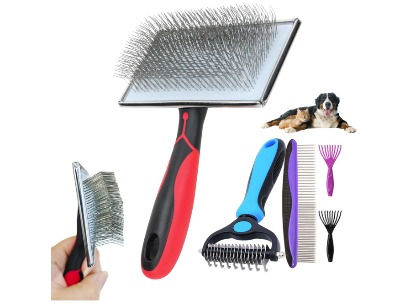
Versatility defines this grooming tool. The 5-in-1 design attempts to consolidate multiple grooming tools into one package, which appeals to owners seeking an all-in-one solution.
Product Description
This brush system includes five different components: an extra-long pin brush, a bristle brush, a dematting rake, a deshedding edge, and a cleaning tool. The main brush head features pins that extend up to 1.2 inches, making them suitable for reaching through thick coats. The pins are rounded at the tips for skin safety.
The handle connects to different attachments via a simple twist mechanism. You can quickly switch between the pin brush and other tools depending on what your grooming session requires. The bristle brush side is designed for distributing natural oils and adding shine to the topcoat.
The dematting rake attachment has sharp teeth for cutting through stubborn tangles, while the deshedding edge focuses on removing loose fur. The cleaning tool helps remove accumulated fur from the pin brush after use.
Performance with Great Pyrenees
The long pins on the main brush work well for Great Pyrenees coats. They penetrate deeply enough to reach the undercoat and do a decent job of removing loose fur. The pin brush is gentle enough for daily use, which helps keep shedding under control when used consistently.
The dematting rake attachment proves useful for problem areas where tangles form. The neck ruff and behind the legs often develop mats in Great Pyrenees, and this attachment can work through them with patience. However, it’s not as robust as dedicated dematting tools for severe matting.
The bristle brush adds a nice finishing touch, smoothing down the topcoat and giving it a healthy sheen. The deshedding edge is the weakest component—it doesn’t remove as much undercoat as the other tools in this review. It’s more useful for maintaining a coat that’s already in good condition rather than tackling heavy shedding periods.
Pros
- All-in-one design reduces need for multiple purchases
- Long pins effectively reach through thick coats
- Quick-change attachments for convenience
- Gentle enough for frequent use
- Good value if you need multiple tool types
- Includes cleaning tool for easy maintenance
- Lightweight and easy to maneuver
Cons
- Individual components aren’t as effective as dedicated tools
- Attachment mechanism can loosen over time
- Deshedding edge underwhelms during heavy coat blow
- Some users report pins bending after repeated use
- More complicated than single-purpose brushes
- May still need dedicated rake for serious undercoat removal
Best For
This brush works well for Great Pyrenees owners just starting their grooming journey who want to try different tool types without buying each separately. It’s also good for maintaining a coat that’s already in decent condition. However, owners dealing with serious matting or heavy shedding periods may find they still need more specialized tools.
4. GoPets Dematting Comb for Dogs
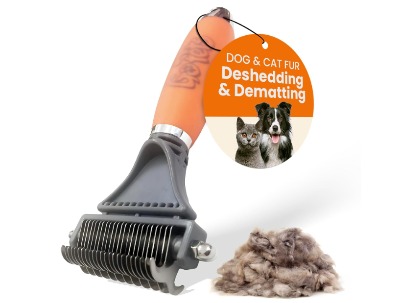
The GoPets dematting comb focuses on one job: eliminating tangles and mats. This specialized tool has become popular among owners of long-haired breeds who struggle with matting issues.
Product Description
This double-sided comb features two different blade configurations. One side has 12 teeth designed for stubborn mats and denser fur areas. The other side has 23 teeth spaced closer together for lighter dematting work and general undercoat removal. The teeth are made from sharpened stainless steel that’s designed to cut through mats rather than pull them out.
The handle is gel-filled and ergonomically shaped to fit comfortably in your hand. The non-slip design ensures you maintain control even when your hand gets sweaty during extended grooming sessions. The teeth blades are curved slightly to match the natural contour of your dog’s body.
The manufacturer emphasizes that the sharpened teeth are safe due to rounded tips and proper blade angles. The tool is designed to cut away dead undercoat and slice through tangles without reaching the skin.
Performance with Great Pyrenees
This comb excels at its intended purpose. When you encounter a mat in your Great Pyrenees’ coat, the 12-tooth side can work through it effectively. The teeth slice through the tangled fur rather than yanking it out, which is much more comfortable for your dog. This makes it possible to remove mats that might otherwise require cutting with scissors.
The 23-tooth side serves well for routine undercoat removal. It pulls out significant amounts of dead fur, particularly during seasonal shedding. The teeth length is appropriate for Great Pyrenees coats, reaching deep enough to be effective without being unnecessarily aggressive.
Using this tool requires a light touch. The sharpened teeth work best with gentle, short strokes in the direction of hair growth. Pressing too hard or using long, pulling motions can scratch the skin. Once you develop the right technique, the tool becomes highly effective.
Pros
- Excellent at removing mats without pulling
- Double-sided design for versatility
- Sharpened teeth cut through stubborn tangles
- Comfortable gel-filled handle
- Reduces need for professional dematting
- Effective at removing loose undercoat
- Curved teeth follow body contours
Cons
- Requires practice to use safely
- Sharpened teeth can scratch if used incorrectly
- Not ideal as a primary brush for regular maintenance
- Teeth need regular cleaning during use
- Some dogs are initially wary of the tool
- Better as a supplement to other brushes rather than standalone
Best For
Great Pyrenees owners who struggle with matting issues will find this tool invaluable. It’s particularly useful for dogs who don’t get brushed frequently enough and develop tangles. This comb pairs well with a standard slicker or pin brush—use the GoPets for problem areas, then follow up with a finishing brush for overall coat health.
5. Extra Large 2-Sided Undercoat Rake with Premium Wooden Handle
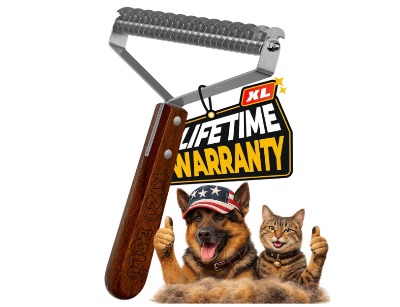
This rake combines traditional design with premium materials. The wooden handle and thoughtful construction set it apart from plastic-heavy competitors.
Product Description
The brush features a substantial wooden handle that feels natural and balanced in hand. Wood provides better grip than some rubber coatings, especially if your hands get sweaty. The handle is treated and sealed to resist moisture and last for extended periods.
The rake head is extra-large, spanning approximately 6 inches in width. This makes it one of the wider options available, which significantly reduces grooming time for large dogs. One side features widely-spaced teeth for penetrating thick coats and removing heavy undercoat. The flip side has closer-spaced teeth for finer work and catching smaller loose hairs.
The metal teeth are rounded at the tips for skin safety. They’re set firmly into a metal head that’s built to withstand the force required when grooming large, densely-coated dogs. The manufacturer specifically designed this rake for German Shepherds and similar breeds, making it well-suited for Great Pyrenees.
Performance with Great Pyrenees
The extra-wide head immediately stands out during use. Each stroke covers significant ground, which means you can work through a Great Pyrenees’ coat more quickly than with narrower tools. This is especially valuable during seasonal coat blowing when you’re removing massive amounts of undercoat.
The wide-spaced teeth side is aggressive enough to pull out dense undercoat but gentle enough not to cause discomfort when used properly. The teeth are long enough to reach through the thick coat but don’t flex or bend under pressure. This rigidity makes the rake effective but requires a gentler touch than flexible-pin brushes.
The close-spaced side works well for finishing passes and catching finer hairs. It’s also useful for less densely-furred areas like the legs and belly. The transition between both sides is quick—just flip the tool over.
The wooden handle deserves special mention. It provides excellent grip without requiring rubberized coating. The weight and balance feel right, reducing hand fatigue during long grooming sessions. Many users find wooden handles more comfortable than plastic or rubber alternatives.
Pros
- Extra-large head reduces grooming time
- Premium wooden handle is comfortable and durable
- Effective at removing heavy undercoat
- Double-sided for versatility
- Sturdy construction withstands heavy use
- Wide teeth spacing prevents clogging
- Safe rounded tips protect skin
- Environmentally friendly wooden handle
Cons
- Wooden handle requires occasional treatment to maintain
- Not as effective on severe mats as dedicated dematting tools
- Aggressive design may not suit sensitive dogs
- Higher price than basic plastic-handled rakes
- Large size makes it less maneuverable in tight areas
- May remove more coat than necessary if used too frequently
Best For
This rake is ideal for Great Pyrenees owners who prioritize both effectiveness and quality construction. It suits those who groom regularly and want a tool that will last for extended periods. Pet parents who appreciate natural materials and comfortable handling will particularly enjoy the wooden construction.
Grooming Tips for Great Pyrenees Owners
Having the right brush is only part of successful grooming. Technique and consistency matter just as much as tool quality.
Establish a Routine
Great Pyrenees need brushing at least twice weekly during normal periods. During seasonal coat blowing, daily brushing becomes necessary. Establishing a regular schedule helps your dog accept grooming as a normal part of life rather than an occasional ordeal.
Start grooming sessions when your dog is calm, ideally after exercise when they’re naturally more relaxed. Keep initial sessions short if your dog is new to grooming, gradually extending the time as they become comfortable.
Work in Sections
A Great Pyrenees is a large dog with a lot of coat. Trying to tackle the entire dog at once leads to incomplete grooming and frustrated owners. Divide the dog into sections: neck and chest, back, sides, rear, legs, and tail. Work through one section completely before moving to the next.
This methodical approach ensures you don’t miss areas and helps you track your progress. It also prevents your dog from becoming restless because they can see and feel that progress is being made.
Layer Your Tools
Different brushes serve different purposes. An effective grooming session typically involves multiple tools used in sequence. Start with an undercoat rake to remove loose fur and work through any tangles. Follow with a slicker brush to smooth the coat and catch finer hairs. Finish with a bristle brush to distribute oils and add shine.
This layered approach produces better results than using a single tool, regardless of how good that tool is.
Pay Attention to Problem Areas
Certain areas on a Great Pyrenees are prone to matting. Behind the ears, under the collar, in the armpits, and where the legs meet the body all tend to develop tangles. Give these areas extra attention during each grooming session.
Check these spots by feel even if they look fine visually. Small mats are much easier to remove when caught early.
Brush Before Bathing
Never bathe a Great Pyrenees without thoroughly brushing them first. Water causes mats to tighten and set, making them nearly impossible to remove without cutting. A pre-bath brushing removes loose fur and works out tangles, allowing the coat to dry properly and preventing new mats from forming.
Make It Positive
Use treats, praise, and patience to create positive associations with grooming. Some dogs naturally enjoy being brushed, while others need convincing. Never force a dog to endure painful grooming—this creates resistance and makes future sessions harder.
If your dog seems uncomfortable, check your technique. Make sure you’re not pressing too hard, pulling on tangles, or working too quickly. Sometimes simply adjusting your approach makes grooming more pleasant for everyone involved.
Understanding Your Great Pyrenees’ Coat Cycle
Great Pyrenees go through distinct coat cycles that affect their grooming needs.
Normal Shedding
These dogs shed year-round at a moderate level. Regular brushing during normal periods removes loose fur before it spreads through your house. Two or three sessions per week typically suffice to keep the coat healthy and minimize household fur.
Seasonal Coat Blowing
Twice annually, Great Pyrenees “blow” their coat—shedding massive amounts of undercoat over a period of several weeks. This usually occurs in spring and fall, though exact timing varies by dog and climate. During these periods, you’ll remove shocking amounts of fur during each brushing session.
Increase brushing frequency to daily during coat blowing. This helps the process along and keeps your dog comfortable. The undercoat loosens in clumps, and regular brushing prevents these clumps from becoming matted.
Environmental Factors
Dogs living in climate-controlled indoor environments may shed more consistently throughout all seasons rather than having dramatic coat blowing periods. Temperature fluctuations affect coat cycles, so your grooming routine may need adjustment based on your living situation.
Common Grooming Mistakes to Avoid
Even with quality tools, certain mistakes can undermine grooming effectiveness.
Brushing Too Hard
Great Pyrenees have thick coats, but their skin is still sensitive. Pressing too hard with any brush, especially rakes and dematting tools, can cause scratches and irritation. Let the tool do the work rather than forcing it through the coat with excessive pressure.
Neglecting Regular Maintenance
Waiting until the coat is severely matted creates a much more difficult and uncomfortable grooming experience. Regular brushing prevents most matting issues and keeps shedding under control. Consistency beats intensity—frequent light brushings accomplish more than rare marathon sessions.
Using the Wrong Tool for the Job
Each type of brush serves specific purposes. Using a slicker brush to remove heavy undercoat is inefficient. Using a dematting rake on a well-maintained coat is unnecessarily aggressive. Match your tool to the current condition of the coat and the task at hand.
Ignoring Signs of Skin Issues
Grooming provides an opportunity to check your dog’s skin for problems. Watch for redness, bumps, hot spots, or areas where your dog flinches when touched. Skin issues require veterinary attention, and continuing to brush irritated skin makes problems worse.
Brushing a Wet Coat
Wet fur tangles more easily and is more prone to breakage. If you must brush a wet or damp coat, use a detangling spray and a wide-toothed comb, working very gently. Whenever possible, let the coat dry completely before brushing.
When to Seek Professional Help
Some grooming situations exceed what home tools and techniques can handle safely.
Severe Matting
If your Great Pyrenees develops mats that cover large areas or are tight against the skin, professional grooming may be necessary. Groomers have specialized tools and experience for safely removing severe matting. Attempting to remove tight mats at home risks cutting the dog’s skin.
Skin Conditions
Dogs with active skin problems need gentle handling that may require professional assessment. If your dog’s skin looks abnormal or they seem painful during grooming, consult your veterinarian before continuing home grooming.
Anxiety or Aggression
Some dogs develop serious anxiety or show aggressive behavior during grooming. Professional groomers and veterinary behaviorists can help address these issues. Forcing the issue at home can damage your relationship with your dog and create dangerous situations.
Time Constraints
A full grooming session for a Great Pyrenees takes 30-60 minutes. If your schedule doesn’t allow for this level of commitment, professional grooming services can maintain your dog’s coat between your own efforts.
Final Recommendations
After evaluating these five brushes, different tools rise to the top depending on your specific situation.
For Heavy Shedding and Undercoat Removal: The Maxpower Planet double-sided rake and the Extra Large 2-Sided Undercoat Rake with wooden handle both excel at removing massive amounts of loose undercoat. The Maxpower Planet offers better value, while the wooden-handled option provides superior comfort during extended use.
For Complete Grooming: The Paw Brothers Professional Grade Slicker Brush delivers the smoothest, most refined finish. Pair it with an undercoat rake for a comprehensive grooming system that handles both undercoat removal and topcoat finishing.
For Mat Management: The GoPets Dematting Comb stands out as the most effective tool for working through tangles and mats. It’s not ideal as your only brush, but it’s invaluable for problem areas and dogs prone to matting.
For Beginners: The 5-in-1 Extra Long Pin Brush provides multiple tool types in one package, allowing new groomers to experiment with different approaches. However, as you gain experience, you’ll likely want to invest in dedicated tools for better results.
For Most Great Pyrenees Owners: A two-tool system provides the best balance of effectiveness and practicality. Start with the Maxpower Planet rake or the wooden-handled rake for undercoat removal and dematting. Add the Paw Brothers slicker brush for finishing work. This combination handles most grooming situations you’ll encounter.
Maintaining Your Grooming Tools
Quality brushes represent an investment in your dog’s health and comfort. Proper care extends their lifespan and maintains effectiveness.
Clean After Each Use
Remove accumulated fur from brushes after every grooming session. Most fur can be pulled out by hand. For stubborn buildup in pin brushes, use a metal comb to work through the pins. Some brushes include cleaning tools specifically designed for this purpose.
Deep Clean Regularly
Every few weeks, wash your brushes with warm water and mild soap. Rinse thoroughly and allow them to air dry completely before storing. This removes oils, dander, and dirt that accumulate over time.
Check for Damage
Inspect brushes regularly for bent pins, loose teeth, or cracked handles. Damaged tools are less effective and may harm your dog. Replace worn components or the entire brush when necessary.
Store Properly
Keep brushes in a dry location away from extreme temperatures. Storing them properly prevents rust on metal components and extends the life of handles and backing materials.
The Investment in Home Grooming
Professional grooming for a Great Pyrenees typically costs between $80 and $150 per session. These dogs need grooming every 6-8 weeks at minimum, totaling $500-$1,000 annually. Investing $50-$100 in quality home grooming tools pays for itself within a few months.
Beyond financial savings, regular home grooming provides health benefits. You become familiar with your dog’s normal appearance, making it easier to spot potential problems early. The bonding time strengthens your relationship with your dog. Your Great Pyrenees also becomes more comfortable with handling, which helps during veterinary exams and other situations requiring cooperation.
Quality grooming tools make this process efficient and effective. The brushes reviewed here represent the best options currently available for Great Pyrenees and similar breeds. Match your choice to your dog’s specific needs, your comfort level with grooming, and your budget constraints.
Your Great Pyrenees depends on you for coat care they cannot provide themselves. With the right tools and consistent effort, you can keep their magnificent coat healthy, comfortable, and beautiful while strengthening the bond between you and your gentle giant.
Hi, I’m Mary, the founder of PetGadgetPro.com. I’m a passionate pet lover with a special place in my heart for dogs and cats. I share practical advice and honest insights on pet gear to help pet parents make better choices. My dedicated research team studies products in depth, and our writers create reviews using trusted, authentic sources—so you can feel confident choosing the best for your pets.