5 Best GPS Tracker for Escape Artist Dogs In 2026
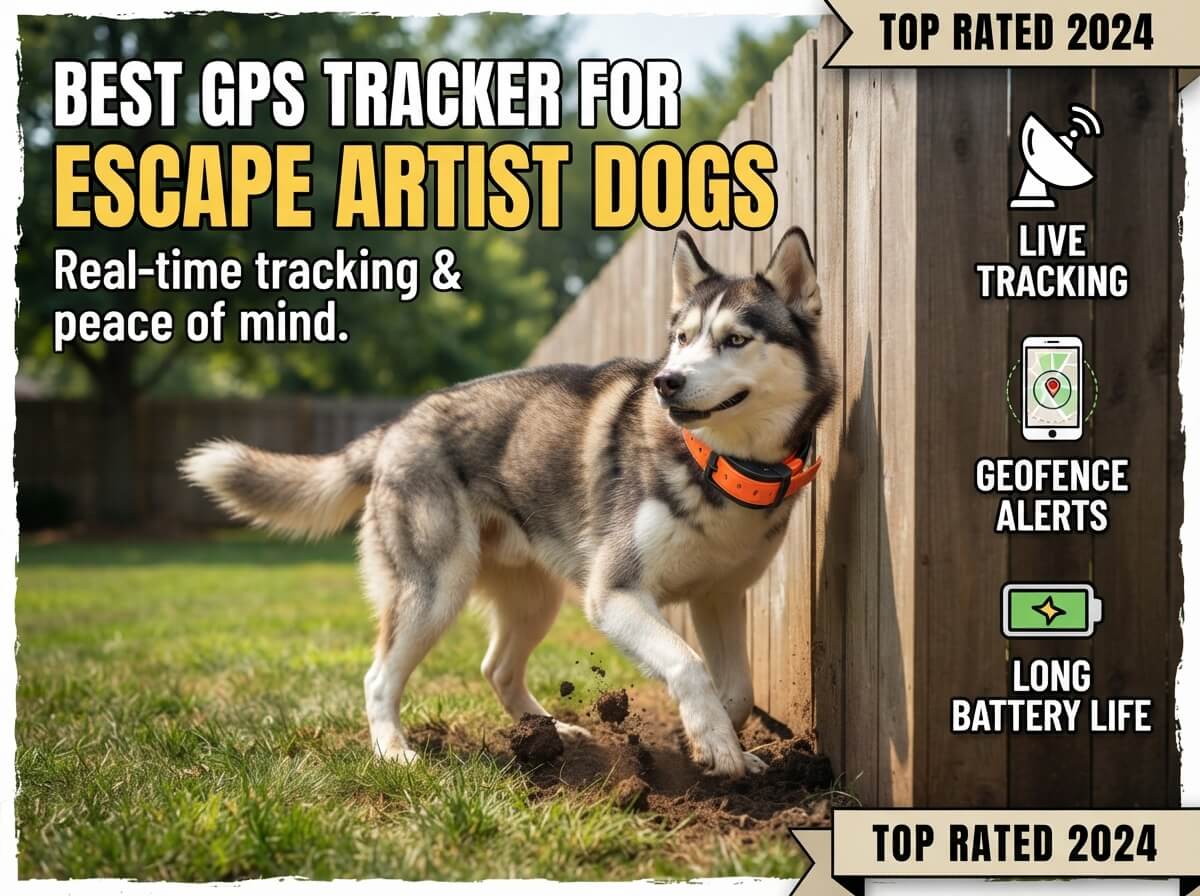
If your dog treats the backyard fence like a minor speed bump, you already know the panic that comes with an empty yard and an open gate. Some dogs are just wired to roam. Huskies, beagles, terriers, and plenty of mixed breeds have a knack for finding gaps in fences, digging under gates, or slipping out the front door the second it opens. For these furry Houdinis, a leash and a fence are only half the answer. The other half is a GPS tracker that tells you exactly where your dog is the moment they bolt.
In this roundup, I’m digging into five of the most talked-about GPS trackers built for dogs who love to wander. Each one takes a slightly different approach, some lean on cellular data and monthly plans, others skip subscriptions and use long-range radio signals instead. I’ll walk you through what each device does well, where it falls short, who it’s actually built for, and how much it costs to keep running month after month. By the end, you should have a clear idea of which tracker fits your dog’s personality, your budget, and your daily routine.
Let’s get into it.
Why Escape Artist Dogs Need a GPS Tracker
Dogs bolt for all kinds of reasons. Loud noises, squirrels, other dogs, or just plain boredom can send even a well-trained pup sprinting toward the horizon. A collar tag with your phone number helps if a stranger finds your dog, but it does nothing while your dog is still missing. That gap between “my dog just left the yard” and “someone found my dog” is where a lot of anxiety and heartbreak happens.
A good GPS tracker closes that gap. It shows your dog’s live location on a map, sends an alert the second they leave a safe zone, and in many cases lets you follow their trail in real time so you can catch up before they get too far. Some trackers also double as training tools, letting you set up virtual boundaries or even give a light correction if your dog crosses a line they shouldn’t.
For dogs with a strong escape instinct, this kind of tech isn’t a luxury. It’s closer to a safety net.
Quick Comparison at a Glance
| Product | Best For | Monthly Fee | Range/Coverage | Extra Features |
|---|---|---|---|---|
| Dogtra Pathfinder 2 Mini | No-subscription tracking, multiple dogs | None | Up to 4 miles direct radio | LED light, e-collar training, smartwatch control |
| Fi Series 3+ (Blue, 12-Month) | Long-term subscribers, health tracking | Included for a year, then renews | Nationwide cellular/GPS | Escape Alerts, activity tracking, Apple Watch app |
| Fi Series 3+ (Gray, 6-Month) | Shorter commitment testers | Included for 6 months, then renews | Nationwide cellular/GPS | Same as above, shorter starter plan |
| PetPace V3.0 | Health-focused owners, senior or at-risk dogs | Required subscription | Cellular/GPS with vitals | 24/7 vitals, pain detection, vet sharing |
| AI Tracker Collar with Virtual Fence | Budget-conscious escape-prone dog owners | Varies by plan | Cellular/GPS | Virtual fence, health stats, app control |
Now let’s break each one down properly.
1. Dogtra Pathfinder 2 Mini GPS Dog Tracker & E-Collar
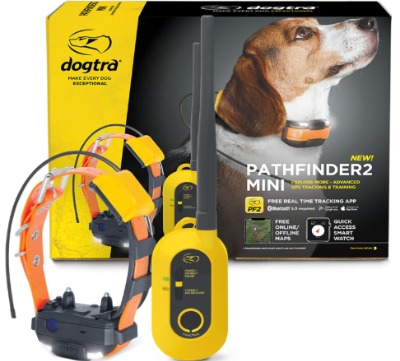
The Pathfinder 2 Mini is built for owners who want tracking without the recurring bill. Instead of relying on cell towers, it uses long-range radio signal to talk directly between your handheld device (or phone) and the collar on your dog. That direct connection is what lets Dogtra skip the monthly subscription entirely, once you buy the unit, you’re not paying anything extra to keep using it.
What it’s good for
This tracker shines outdoors, especially on hikes, hunting trips, or big rural properties where cell signal is spotty or non-existent. Since it doesn’t need a cellular network to function, it keeps working in places where phone-based trackers would leave you staring at a blank map.
Key features explained simply
- 4-mile direct range: As long as there’s a clear line of sight, you can track your dog from up to 4 miles away without needing cell service.
- Real-time tracking: The location updates live on the app or handheld unit, so you can literally watch your dog move across the map.
- Built-in LED light: Handy for early morning or after-dark walks, it makes your dog visible from a distance.
- E-collar training function: Beyond tracking, this collar also gives you tone, vibration, and static correction options, useful if your dog needs some boundary training alongside tracking.
- Multiple dog support: You can track and manage more than one dog collar from the same handheld or app, which is great for multi-dog households.
- Waterproof design: Built to handle rain, mud, rivers, and general rough outdoor use.
Real-life usage insight
Owners who hike, camp, or live on large rural properties tend to get the most value here. In wide-open spaces, the direct radio connection between the collar and the handheld often feels more responsive than waiting on cellular GPS pings. Suburban dog owners with a smaller yard may find the full 4-mile range overkill, but the no-subscription setup still appeals to people who just don’t want another monthly charge on their card.
Pros
- No monthly fees ever
- Long, dependable range in open areas
- Doubles as a training e-collar
- Works without cell service
- Supports multiple dogs at once
Cons
- Requires a smartphone or compatible handheld to get the most out of it
- Line-of-sight range can shrink in dense trees, hills, or urban areas with lots of buildings
- Bulkier than some slim subscription-based collars
- Higher upfront cost since there’s no subscription to offset the price
Performance and ease of use
Setup takes a bit of patience the first time, mainly pairing the collar with the app and getting familiar with the training settings if you plan to use them. Once configured, tracking is fast and the map updates smoothly. Battery life holds up well for a full day of moderate use, though heavy GPS tracking combined with training features will drain it faster.
Value for money
The upfront price is higher than some of the other trackers on this list, but with zero ongoing costs, it often works out cheaper over a year or two compared to subscription-based options. For owners who plan to keep the tracker for years, this math tends to favor the Pathfinder 2 Mini.
2. Fi Series 3+ GPS + Health Dog Collar (Blue, X-Large, 12-Month Membership)
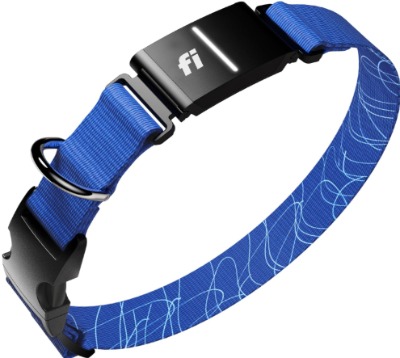
The Fi Series 3+ has built a strong reputation as one of the more polished smart collars on the market, blending GPS tracking with everyday health and activity monitoring. This particular listing comes in blue, sized X-Large, and bundled with a 12-month membership, so you get a full year of tracking and health features locked in from day one.
What it’s good for
This collar is aimed at owners who want an all-in-one device: tracking, step counting, sleep monitoring, and instant alerts if their dog slips out of a designated safe zone. It’s especially popular with city and suburb dwellers who rely on cellular coverage rather than direct radio range.
Key features explained simply
- Escape Alerts: The collar notices unusual movement patterns, like digging under a fence or sudden fast bursts, and can flag potential escape attempts before your dog is fully gone.
- Live GPS tracking: Once your dog leaves their safe zone, the app switches into live tracking mode so you can follow their exact path.
- Health and behavior tracking: Step counts, sleep quality, and daily activity levels get logged automatically, useful for spotting changes that might mean your dog is unwell or just getting restless.
- LED light ring: Built into the collar for visibility during evening walks.
- Apple Watch compatibility: You can check your dog’s location straight from your wrist without pulling out your phone.
- Waterproof build: Rated to handle swimming, rain, and general outdoor mess.
Real-life usage insight
Owners in apartments or homes with smaller yards tend to love the escape alert feature because it catches early warning signs, like a dog scratching at a fence line, before the dog is actually gone. The health tracking side also turns out to be more useful day-to-day than people expect; noticing a sudden drop in activity can be an early flag for joint pain or illness, well before it becomes obvious.
Pros
- Strong all-around feature set covering both safety and health
- Escape Alerts catch problems early, not just after the fact
- Sleek, comfortable collar design
- Good app interface that’s easy for beginners to navigate
- Apple Watch support is a nice convenience for iPhone users
Cons
- Relies on cellular coverage, so dead zones or rural gaps can affect tracking
- Membership renews after the included period, adding an ongoing cost
- Battery needs regular charging, roughly every few days depending on usage
- Best features are locked behind the membership, so lapses in payment reduce functionality
Performance and ease of use
The setup process is beginner-friendly, most people are tracking their dog within minutes of unboxing. The app layout is clean, and notifications are timely rather than delayed. Where it can stumble is in low-signal rural areas, where GPS updates may lag a bit compared to open cellular zones.
Value for money
With the 12-month membership bundled in, you get a full year of tracking without worrying about a separate monthly charge, which makes budgeting simpler upfront. After that year, you’ll want to factor in the renewal cost when weighing this against subscription-free options like the Dogtra Pathfinder.
3. Fi Series 3+ GPS + Health Dog Collar (Gray, X-Large, 6-Month Membership)
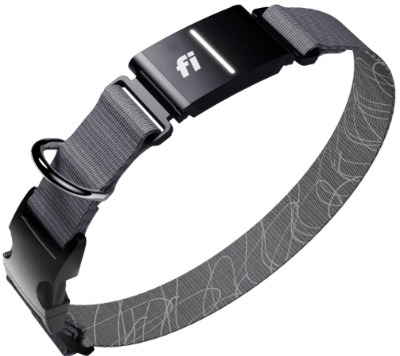
This is essentially the same hardware as the Blue 12-month version above, just in gray and bundled with a shorter 6-month membership instead. If you’re not ready to commit to a full year, this version gives you a lower entry cost while still getting the full Fi experience.
What it’s good for
This option suits dog owners who want to try the Fi ecosystem without locking into a longer commitment right away. It’s a solid pick if you’re not fully sure this is the tracker for you long-term, or if you’d rather test it through a season before renewing.
Key features explained simply
Since the hardware and software are identical to the 12-month version, you’re getting the same core features:
- Escape Alerts for early warning on potential runaways
- Live GPS tracking once your dog leaves a safe zone
- Health and behavior monitoring including steps and sleep
- LED light ring for visibility
- Apple Watch compatibility
- Waterproof, durable collar body
Real-life usage insight
Because the membership period is shorter, this version tends to appeal to people testing the waters, maybe a new puppy owner who isn’t sure yet how much their dog will actually try to escape, or someone switching from another tracker brand and wanting a lower-risk trial. The gray colorway is also a practical pick for owners who want something less flashy than bright blue.
Pros
- Lower upfront cost thanks to the shorter membership bundle
- Same reliable hardware and app experience as the 12-month version
- Good trial option before committing to a longer membership
- All core safety and health features included
Cons
- Membership runs out sooner, meaning you’ll need to renew or repurchase within half a year
- Same cellular dependency issues as the Blue version
- Slightly less value per dollar compared to the 12-month bundle if you know you’ll keep using it long-term
- Renewal pricing after the included period isn’t locked in at purchase
Performance and ease of use
Performance mirrors the Blue 12-month version exactly since it’s the same device. Setup is quick, the app is intuitive, and day-to-day tracking works smoothly in areas with decent cellular coverage.
Value for money
If you’re confident you’ll want Fi long-term, the 12-month bundle usually offers better value per month. But if you want to test the waters first, the 6-month version lowers the initial financial commitment while still giving you the full feature set to properly evaluate.
4. PetPace V3.0 AI Smart Collar with Health Monitoring and GPS
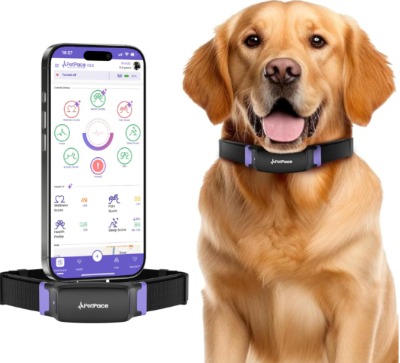
PetPace takes a different angle compared to the other trackers on this list. While it does include GPS tracking, its real focus is health monitoring. This collar is built to track vital signs continuously and flag potential health issues early, with GPS tracking working alongside that health data rather than being the main event.
What it’s good for
This collar makes the most sense for senior dogs, dogs with chronic health conditions, or breeds prone to specific health risks. If your escape artist dog is also getting older or has a medical condition your vet is keeping an eye on, PetPace bridges both needs in one device.
Key features explained simply
- 24/7 vital sign monitoring: Tracks things like temperature, pulse, respiration, and activity levels around the clock.
- Pain detection: Uses behavioral patterns to flag signs of discomfort that might otherwise go unnoticed.
- GPS tracking: Lets you locate your dog if they wander off, layered on top of the health monitoring features.
- Telehealth access: The AskaVet feature connects you with veterinary professionals remotely, useful for quick questions without a clinic visit.
- Vet data sharing: You can share your dog’s health history directly with your veterinarian, which can speed up diagnosis during actual appointments.
- Smartwatch sync: Check vitals and location from a connected smartwatch.
Real-life usage insight
Owners of dogs recovering from surgery, managing arthritis, or dealing with chronic conditions tend to get the most out of this collar. The early pain detection feature has a habit of catching subtle changes, like a slight increase in resting heart rate or a dip in activity, before they become obvious symptoms. For a purely escape-focused use case, though, the GPS side alone is less full-featured than dedicated trackers like Fi or Dogtra.
Pros
- Strong health monitoring that goes well beyond basic activity tracking
- Pain detection can catch issues early
- Direct vet communication and data sharing is a genuine convenience
- Useful for senior dogs or dogs with known health conditions
- GPS tracking is included, not sold separately
Cons
- Subscription is required, and it tends to run higher than typical GPS-only trackers
- GPS tracking, while functional, isn’t the strongest standalone feature compared to trackers built specifically for escape prevention
- Larger collar unit may feel bulky on smaller or lighter dogs
- Overkill if your only concern is basic location tracking and you don’t need health monitoring
Performance and ease of use
The app pulls in a lot of data, which is great for health tracking but can feel a bit much for someone who just wants a simple map view. It takes a little longer to get comfortable navigating all the health metrics compared to the simpler interfaces on Fi or Dogtra. GPS location updates are reliable but not quite as fast-refreshing as trackers built purely around location.
Value for money
If health monitoring is a real priority for your dog, alongside basic escape tracking, the subscription cost feels justified. If you only need location tracking, you’re paying extra for health features you might not fully use.
5. Dog GPS Tracker with Virtual Fence and Health Monitoring (AI Tracker Collar)
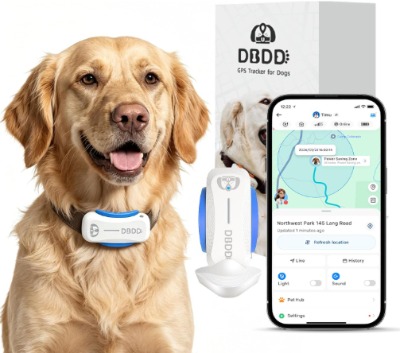
This tracker is built specifically with escape-prone dogs in mind, right down to the product description. It combines GPS location tracking with a virtual fence feature and basic health monitoring, aimed at medium to large breed dogs that tend to test their boundaries.
What it’s good for
This is a solid middle-ground option for owners who want dedicated escape prevention tools, like a virtual fence and location alerts, without paying for all the extra bells and whistles found in health-focused collars like PetPace.
Key features explained simply
- Virtual fence (geofencing): You draw a safe zone on the app, and the collar alerts you the moment your dog crosses that boundary.
- Real-time location tracking: Works over cellular and GPS to show your dog’s live position on a map.
- Electronic fence collar function: Some versions of this tracker include mild correction features tied to the virtual fence, similar to a wireless containment system.
- Health monitoring: Basic activity and behavior tracking, giving you a general sense of your dog’s daily movement patterns.
- iOS and Android app support: Works across both major phone platforms without any compatibility headaches.
Real-life usage insight
Owners of medium to large breed dogs with a strong prey drive or wandering habit tend to find the virtual fence feature especially useful, it acts almost like an invisible boundary layered on top of your physical fence, catching escape attempts that a traditional fence alone might miss. It’s a practical fit for dogs who dig under gates or squeeze through gaps rather than jumping straight over tall fences.
Pros
- Purpose-built for escape-prone dogs with a dedicated virtual fence feature
- Combines location tracking with light health monitoring
- Works on both iOS and Android without issues
- Generally more affordable than premium health-focused collars
Cons
- Health monitoring features are more basic compared to dedicated health collars like PetPace
- Correction features, if included, need careful setup to avoid confusing or stressing your dog
- Depends on cellular signal, so rural coverage gaps can be an issue
- Build quality and battery life can vary between production batches, so checking recent buyer feedback before purchase is a smart move
Performance and ease of use
Setting the virtual fence boundary is fairly straightforward through the app, drawing a shape around your yard or safe zone takes just a couple of minutes. Alerts trigger quickly once your dog crosses the line, giving you a real head start compared to just noticing they’re missing later.
Value for money
For dog owners focused specifically on escape prevention rather than full health tracking, this collar offers a fair balance of features and price. It doesn’t try to do everything, but what it does, tracking location and enforcing virtual boundaries, it does at a reasonable cost.
Comparison Insights: How These Trackers Stack Up
Looking at all five side by side, a few patterns stand out.
Subscription vs no subscription: The Dogtra Pathfinder 2 Mini is the only tracker here with zero ongoing fees. Every other option, Fi, PetPace, and the AI Tracker Collar, relies on some form of subscription to keep full tracking features active. If avoiding monthly bills is a priority, Dogtra is the clear standout.
Signal type matters for your location: Dogtra uses direct radio signal, great for rural areas or places with poor cell coverage. Fi, PetPace, and the AI Tracker Collar all lean on cellular networks, which works well in cities and suburbs but can struggle in remote areas.
Health tracking depth varies a lot: PetPace goes deepest into actual health metrics like vitals and pain detection, aimed at dogs with medical needs. Fi offers a lighter but still useful layer of activity and sleep tracking. The AI Tracker Collar includes basic health stats, while Dogtra focuses almost entirely on location and training rather than health.
Escape-specific features: Fi’s Escape Alerts and the AI Tracker Collar’s virtual fence are both built specifically to catch escape attempts early. Dogtra relies more on its long range and training capabilities to keep dogs close, while PetPace treats escape tracking as more of a secondary feature.
Buying Guide: What to Look For in a GPS Tracker for Escape Artist Dogs
Before you buy, it helps to think through a few practical questions.
How big is your property or usual walking area? If you’re in a large rural space or often hike far from cell towers, a radio-based tracker like Dogtra’s Pathfinder will likely serve you better than a cellular-only option. If you’re mostly in the city or suburbs, cellular trackers like Fi or the AI Tracker Collar should work just fine.
Do you want ongoing costs or a one-time purchase? Subscription-based trackers usually cost less upfront but add up over time. No-subscription trackers cost more initially but save money in the long run if you plan to use them for years.
Does your dog have any health concerns? If your dog is older or managing a chronic condition, a tracker with real health monitoring, like PetPace, adds genuine value beyond just location tracking.
How tech-savvy are you day-to-day? Simpler apps with clean interfaces, like Fi’s, tend to suit beginners better than data-heavy dashboards. If you’re comfortable digging into detailed health charts and reports, PetPace’s depth becomes an advantage rather than clutter.
Battery life and charging habits: Ask yourself honestly how often you’re willing to charge a collar. Some trackers need charging every couple of days, others stretch longer. If you tend to forget to charge devices, look for one with a longer battery cycle or set a recurring reminder.
Collar size and comfort: Make sure whatever tracker you choose fits your dog’s neck size and weight properly. A bulky collar on a small dog can cause discomfort, while an undersized collar on a large, strong dog might not hold up well physically.
Who Should Buy These Trackers
Rural dog owners and hikers will likely get the most consistent performance from the Dogtra Pathfinder 2 Mini, thanks to its long direct range and independence from cell towers.
City and suburban dog owners who want a smooth, beginner-friendly experience with solid escape detection should look closely at either Fi Series 3+ option, picking the 12-month or 6-month membership based on how confident they are about long-term use.
Owners of senior dogs or dogs with ongoing health issues will find more genuine value in PetPace, since the health monitoring side goes well beyond what basic trackers offer.
Budget-conscious owners of medium to large escape-prone dogs who mainly want location tracking and a virtual fence, without paying for premium health features, are a good match for the AI Tracker Collar with Virtual Fence.
Common Mistakes to Avoid When Buying a GPS Dog Tracker
Ignoring your actual location and coverage: A cellular tracker is only as good as the signal in your area. Check coverage maps or ask other local dog owners about their experience before committing to a cellular-based device.
Skipping the fit check: A collar that’s too loose can slip off during an escape attempt, defeating the entire purpose. Always measure your dog’s neck properly and check the manufacturer’s sizing chart.
Forgetting about ongoing costs: It’s easy to focus on the upfront price and forget that subscription fees add up over a year or two. Do the math on total cost over time, not just the sticker price.
Assuming GPS tracking replaces good training: A tracker helps you find your dog faster, but it won’t stop the escape attempt itself. Pairing a tracker with proper recall training and secure fencing gives you the best overall protection.
Not testing the app before an emergency: Take time to explore the app’s features, alerts, and map view during a calm moment, not during the panic of an actual escape. Knowing exactly how to read the live tracking screen ahead of time saves precious seconds later.
Overlooking battery habits: A dead collar can’t track anything. Build a simple charging routine, like charging it every time you shower or every other evening, so it’s never running low when you actually need it.
Final Verdict
There’s no single “best” answer here, it really comes down to your dog’s environment, your budget, and how much extra health data you actually want to track.
If you want a reliable, subscription-free tracker built for wide-open spaces and don’t mind a slightly higher upfront cost, the Dogtra Pathfinder 2 Mini is hard to beat. If you’d rather have a polished, easy-to-use app with strong escape alerts and light health tracking, either version of the Fi Series 3+ fits the bill nicely, just decide between the 12-month or 6-month membership based on how committed you feel right now. For dogs with real health concerns layered on top of an escape habit, PetPace V3.0 offers the deepest monitoring, though it comes at a higher ongoing cost. And if you want a straightforward, budget-friendly option focused specifically on virtual fencing and escape prevention, the AI Tracker Collar with Virtual Fence does exactly what it promises without extra frills.
Whatever you land on, the real goal stays the same: giving your dog the freedom to explore safely, while giving yourself peace of mind that you can find them fast if they decide to make a run for it.