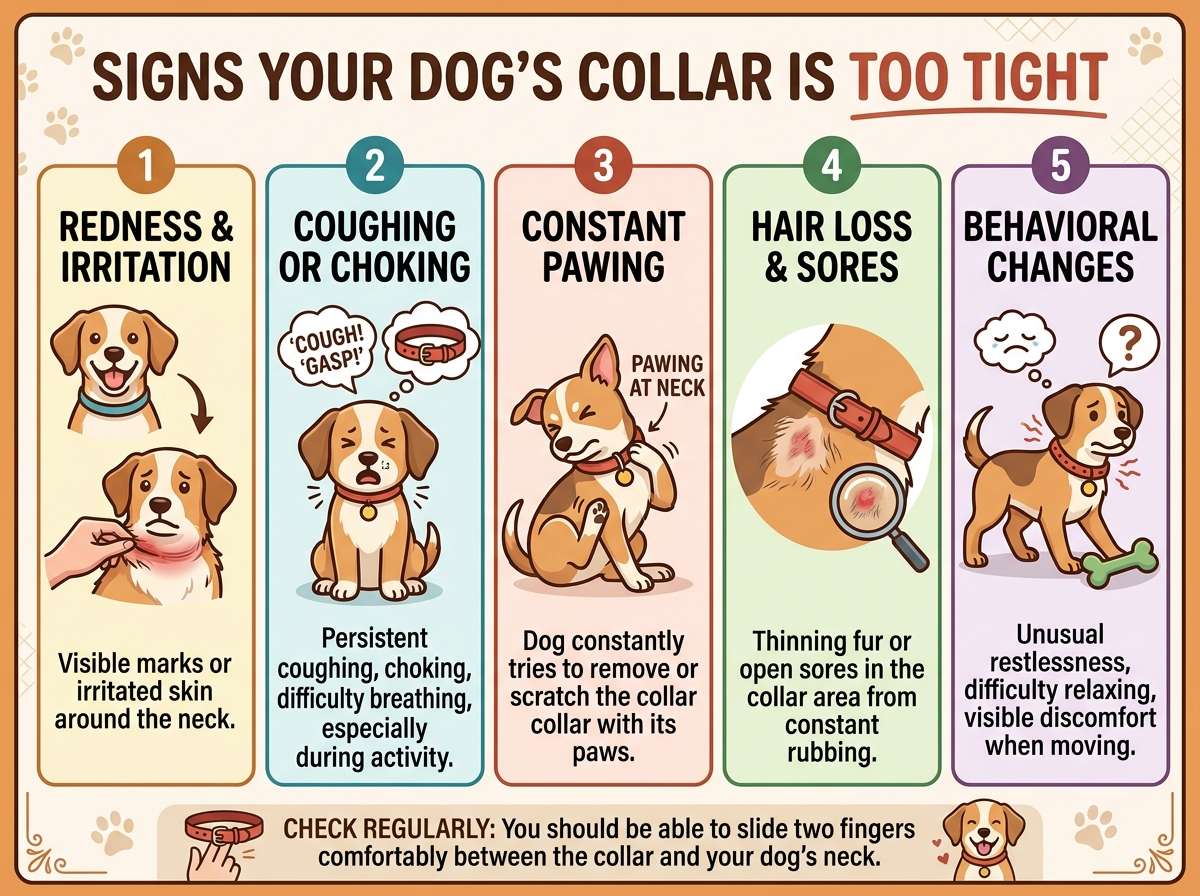
Signs Your Dog’s Collar Is Too Tight
You love your dog, right? Of course you do! They’re part of the family. Keeping them comfy and safe is a big deal. One super important thing for their comfort and safety is their collar. A collar is a simple thing, but if it doesn’t fit just right, it can cause real problems for your furry friend. Too loose, and they might slip out and get lost. But too tight, and wow, that’s a whole other set of issues.
It’s easy to think, “Oh, I put the collar on, it’s fine.” But dogs grow, they gain a bit of weight, their fur changes with the seasons, and sometimes, well, we just make a mistake when putting it on. So, checking your dog’s collar fit should be something you do pretty often. Think of it like checking your own shoes – you want them to be snug but not pinchya!
When a collar is too tight, it’s not just uncomfortable. It can actually hurt your dog in lots of ways. Imagine wearing a belt that’s too small all day, every day. It would dig into you, make it hard to breathe, and just feel awful. Dogs can’t tell us in words when something hurts, so it’s up to us to notice the little clues they give. We need to be like detectives, looking for signs that something isn’t quite right.
This guide is all about helping you spot those signs. We’ll go through simple ways to check the collar, and then dig into all the different signals your dog might be sending you. We’ll cover everything from how their skin looks, to strange sounds they make, to changes in how they act. By the end, you’ll be a pro at making sure your dog’s collar is always perfectly comfy and safe. Your best buddy deserves nothing less!
The Two-Finger Rule: Your First Line of Defense
Let’s start with the easiest way to tell if a collar is likely too tight (or too loose, for that matter!). This is often called the “two-finger rule,” and it’s a good place to begin.
When your dog is standing up, not pulling on the leash, simply try to slide two of your fingers comfortably between their collar and their neck. You want to be able to do this without really forcing your fingers in there. They should fit snugly, but not so tight that you have to squish them in.
If your fingers slide in easily with lots of extra space, the collar might be too loose. A loose collar means your dog could back out of it, especially if they get spooked or try to run off. That’s a scary thought!
If you can’t even get one finger under the collar, or if you have to really wedge your fingers in there, then a big red flag goes up. This usually means the collar is too tight.
Here’s a little trick: after you adjust it, let your dog move around for a few minutes. Then, check it again. Sometimes, their fur settles or they move in a way that changes the fit slightly. Always check when they are calm and standing naturally.
Remember, this rule is a great starting point, but it’s not the only thing to consider. Different types of collars, like flat collars versus martingale collars, might feel a tiny bit different, but the core idea of comfortable snugness remains. Pay attention to how the collar sits on their neck, too. It should be high enough not to interfere with their front legs, but not so high it’s close to their ears.
Physical Signs on Your Dog’s Body
Okay, so the two-finger rule is a good quick check. But if you see other signs, it’s time to take it more seriously. Your dog’s body can tell you a lot about how they’re feeling. Look closely for these physical clues.
Skin Irritation and Hair Loss
A tightly fitting collar can really rub on your dog’s skin. Think about wearing a shirt with a collar that’s too small – it would rub against your neck and scratch it up. Same thing for your dog.
You might notice their skin looks red or irritated right where the collar sits. It could be dull, inflamed, or even have little bumps. Sometimes, the skin might even look raw or have open sores. This is a clear sign of constant rubbing and pressure.
Along with skin issues, you might see patches of hair loss around the neck area. This is because the collar is rubbing the fur away. If you notice a bald spot, especially a circular one where the collar rests, that’s a big indicator. Even if the hair isn’t completely gone, it might look thinner or feel coarser in that area compared to the rest of their coat. These are called “pressure points” and collars can create them.
Indentations or Grooves in the Fur
Take off your dog’s collar for a few minutes. Do you see an obvious line or indentation in their fur where the collar was? This is like a deep wrinkle or a groove. If you do, that’s a really strong sign it’s too tight. The collar is pressing down so hard that it’s leaving a visible mark on their coat.
This indentation might even stay for a while after the collar is removed. It’s not just flattening their fur; it’s showing how much pressure was being applied. Over time, this constant pressure can lead to other skin problems and discomfort.
Swelling Around the Neck
If a collar is too tight, it can mess with how blood flows and how fluids move in your dog’s body. This can lead to swelling. Look for any puffiness or noticeable enlargement around their neck, specifically under or near the collar.
Swelling might not always be super obvious, especially if your dog has a lot of fur. Feel their neck gently. Does one side feel bigger or more tender than the other? Does the skin feel tight? If you notice any unusual swelling, it’s a definite call to loosen that collar right away and perhaps even talk to your vet, just to be safe.
Trouble with Breathing or Swallowing
This is a more serious physical sign. If a collar is really digging in, it can put pressure on your dog’s trachea (their windpipe) and esophagus (the tube that food goes down).
You might hear strange sounds when they breathe, like wheezing, gasping, or even a dry cough. This isn’t a regular cough from having something caught in their throat; it’s more of a struggle. If they sound like they’re panting more than usual, or if their breathing seems shallow and quick, that could be a clue.
When it comes to swallowing, you might notice them having trouble eating or drinking. They might gag, choke, or drop food because the collar is making it hard to get it down. Sometimes, they might even seem to drool more than usual because swallowing is uncomfortable. These signs mean the collar is dangerously tight and needs immediate adjustment.
Behavioral Changes and Discomfort
Dogs can’t talk, but they sure can show us how they feel with their actions. If your dog’s collar is too tight, you might see some changes in their behavior. Keep an eye out for these clues.
Pawing or Scratching at the Collar Area
Think about when you have an itchy tag on your shirt. You automatically reach back to scratch it, right? Your dog does the same thing. If they keep trying to paw at their collar, scratch frantically at their neck, or rub their neck on furniture or the ground, it’s a huge hint that something is bothering them there.
They might even be doing this subtly, a quick scratch here and there. But if it becomes a regular habit, more than just normal grooming, then it’s worth checking the collar. They’re trying to relieve the discomfort or itchiness the tight collar is causing.
Reluctance to Allow Collar Handling
Normally, your dog might be totally fine with you touching their collar or putting it on. But if it’s too tight, they might start to avoid you when you reach for it. They might flinch, pull away, or even growl or snap if they’re in a lot of pain.
This isn’t about them being “naughty.” It’s their way of saying, “Hey, that hurts!” or “I don’t want you to touch that painful thing!” If your once-friendly dog suddenly becomes defensive around their neck or collar, take it seriously. It could be a sign of real discomfort or pain from the collar.
Changes in Posture or Head Carriage
A tight collar can make it uncomfortable for your dog to hold their head naturally. You might notice them holding their head lower than usual, or appearing stiff. They might try to stretch their neck out more, as if trying to relieve pressure.
Sometimes, they might refuse to turn their head fully or struggle to look up. It’s like having a stiff neck yourself – you don’t want to move it too much. Watch how they move their head when they walk, play, or look at you. Any unusual stiffness or odd head positions could be a sign of collar-related pain.
Excessive Licking or Chewing at the Neck
Some dogs deal with irritation by licking or chewing the area that bothers them. If you see your dog constantly licking or nibbling at their neck, near the collar, that’s a clue. They might be trying to soothe the soreness, reduce itching, or simply get the irritating collar away from their skin.
Over time, this licking and chewing can make the problem worse, causing raw skin or hot spots. So, if your dog is fixated on their neck area with their mouth, definitely look at the collar fit.
General Unease or Irritability
Just like people, dogs can get grumpy when they’re not comfortable. If your dog’s collar is consistently too tight, they might just seem “off.” They could be less interested in playing, sleep more, or just seem generally restless and unable to get comfortable.
They might also be a bit more snippy with other family members or other pets. Or perhaps they just seem less joyful than usual. This overall shift in their mood can be a subtle sign that something is causing them ongoing discomfort, and the collar could be a culprit.
Health Issues Caused by Tight Collars
Beyond just discomfort, a collar that’s too tight can lead to some actual health problems for your dog. These are extra serious reasons to make sure the collar fits properly.
Skin Infections
When a tight collar rubs the skin raw, it creates a perfect entry point for bacteria. The moist, warm environment under the collar is also a great place for germs to grow. This can lead to nasty skin infections.
You might see pus, crusting, a bad smell, or even more severe redness and swelling. These infections can be painful and really difficult to clear up. If you notice any of these signs, loosen the collar immediately and get your dog to the vet for treatment. Topical creams or even antibiotics might be needed.
Nerve Damage
Constant pressure from a tight collar, especially over a long period, can damage the nerves in your dog’s neck. This can cause tingling, numbness, or even weakness in their front legs. Dogs can’t tell us they’re feeling pins and needles, but they might show it in other ways.
They might limp slightly, drag a paw, or seem to stumble. Their touch sensitivity in that area might also change. Nerve issues are serious and often require professional veterinary care to assess and hopefully treat. Releasing the pressure by loosening the collar is the first step.
Tracheal Collapse
This is a very serious condition. The trachea, or windpipe, is made of cartilage rings. If a collar is too tight and a dog pulls on it repeatedly, or if there’s constant pressure, these rings can weaken or collapse. This makes it extremely hard for your dog to breathe.
Signs of tracheal collapse include a “honking” cough (like a goose), difficulty breathing, gasping, or even fainting spells. This is most common in smaller dog breeds, though it can happen in any dog. A tight collar is a major risk factor. If you suspect tracheal collapse, get to a vet right away.
Esophageal Damage
Just like the trachea, the esophagus can also be affected by a tight collar. Constant pressure can irritate the esophagus, making it hard or painful for your dog to swallow. This could lead to them refusing food, gagging often, or even having regurgitation problems. Over time, this constant irritation could lead to more serious damage or inflammation within the esophagus itself.
Thyroid Gland Issues
Some believe that constant pressure on the neck can potentially affect the thyroid gland, which is located in that area. The thyroid gland makes hormones that control many body functions. While more research is always helpful, preventing any unnecessary pressure on this delicate area is a good idea. A healthy thyroid is key for your dog’s overall well-being and metabolism.
Collar Care and Best Practices
Now that you know what to look for, let’s talk about how to prevent these problems in the first place. A little regular check-up goes a long way!
Regular Collar Fit Checks
This is probably the most important thing you can do. Make it a habit to check your dog’s collar fit every week. Do the two-finger test often. If your dog is still growing, you might need to check even more frequently, as puppies can grow really fast!
Also, check the fit after a bath. Wet fur can lie flatter, making the collar feel looser, but once the fur dries and fluffs up, the collar might become tighter. Always adjust as needed.
Choosing the Right Collar Type
Not all collars are created equal. For everyday wear, a flat buckle collar is usually best. It offers good control without putting too much pressure on one spot. Make sure it’s made from a breathable material that won’t irritate their skin.
Consider a secondary collar or harness for walks if your dog tends to pull a lot. A harness distributes pressure across their chest and shoulders, taking it off their neck entirely. While harnesses have their own fit considerations, they are often a kinder option for strong pullers or dogs with breathing issues.
Avoid choke chains or prong collars for everyday use. If you use them for training, make sure you know exactly how to use them safely and only under the guidance of a professional trainer. These collars can easily cause damage if used incorrectly or left on the dog all the time.
Cleaning and Maintenance
Collars can get dirty, especially if your dog loves to roll in questionable things! Dirt, grime, and even leftover shampoo can irritate your dog’s skin.
Clean your dog’s collar regularly. For fabric collars, a quick wash with mild soap and water once a month (or more often if needed!) is a good idea. Make sure it’s completely dry before putting it back on your dog to prevent skin issues. If you have a leather collar, follow the manufacturer’s cleaning instructions to keep the leather soft and prevent cracking, which can also cause rubbing.
When to Remove the Collar
Does your dog really need to wear their collar all the time? There are times when it’s safer to take it off.
For example, when your dog is playing rough with other dogs, their collars can get caught on each other, causing injuries. Similarly, if your dog is in a crate, their collar could get snagged, which is a dangerous trap hazard. Some people also remove their dog’s collar at night to give their neck a break, especially if they have sensitive skin. Just make sure they’re microchipped and have other identification if they are left unsupervised without a collar.
Weight Changes and Fur Growth
Remember how we said dogs change? If your dog gains or loses a lot of weight, their collar will need adjusting. Also, dogs’ fur can change thickness with the seasons. A collar that fits perfectly in summer might become too tight when their winter coat comes in. Always do a quick fit check when you notice any of these changes.
When to Seek Veterinary Advice
While you can fix many collar issues yourself by simply adjusting it, there are times when you need to call the vet.
- If your dog has deep wounds or open sores from the collar.
- If you see active infection, like pus, smell, or severe swelling.
- If your dog is having serious trouble breathing or making strange choking sounds.
- If they show signs of nerve damage, like limping or weakness in their front legs.
- If they are in a lot of pain and becoming defensive around their neck.
- If the physical or behavioral signs don’t get better quickly after you loosen the collar.
Your vet can properly diagnose any damage, treat infections, and help manage pain. They can also offer advice on the best type of collar or harness for your specific dog, especially if they have unique needs or health conditions. Don’t hesitate to reach out to them when you have concerns – they are there to help keep your best friend healthy and happy.
What is the “two-finger rule” for collar fitting?
The two-finger rule means you should be able to comfortably slide two of your fingers between your dog’s collar and their neck without much effort.
How often should I check my dog’s collar fit?
You should check your dog’s collar fit at least once a week, and more often if they are a puppy, growing, or if their fur thickness changes seasonally.
Are there specific types of collars that are more prone to being too tight?
Any collar can become too tight if not checked regularly. However, collars that are left on without adjustment for long periods, or training collars like choke chains that are used improperly, can pose a higher risk.
Can a tight collar cause permanent damage to my dog?
Yes, a collar that is consistently too tight can lead to permanent issues like nerve damage, tracheal collapse, and chronic skin conditions if not addressed.
What should I do if I notice hair loss or skin irritation under the collar?
First, loosen the collar immediately. Then, clean the area gently. If the irritation doesn’t improve within a day or two, or if it looks infected, contact your vet.
My dog just got a new harness. Does the collar still need to be fitted correctly?
Yes, even if your dog wears a harness for walks, they still often wear a collar for identification tags. The collar fit around their neck still needs to be proper to avoid any discomfort or health risks.

Hi, I’m Mary, the founder of PetGadgetPro.com. I’m a passionate pet lover with a special place in my heart for dogs and cats. I share practical advice and honest insights on pet gear to help pet parents make better choices. My dedicated research team studies products in depth, and our writers create reviews using trusted, authentic sources—so you can feel confident choosing the best for your pets.