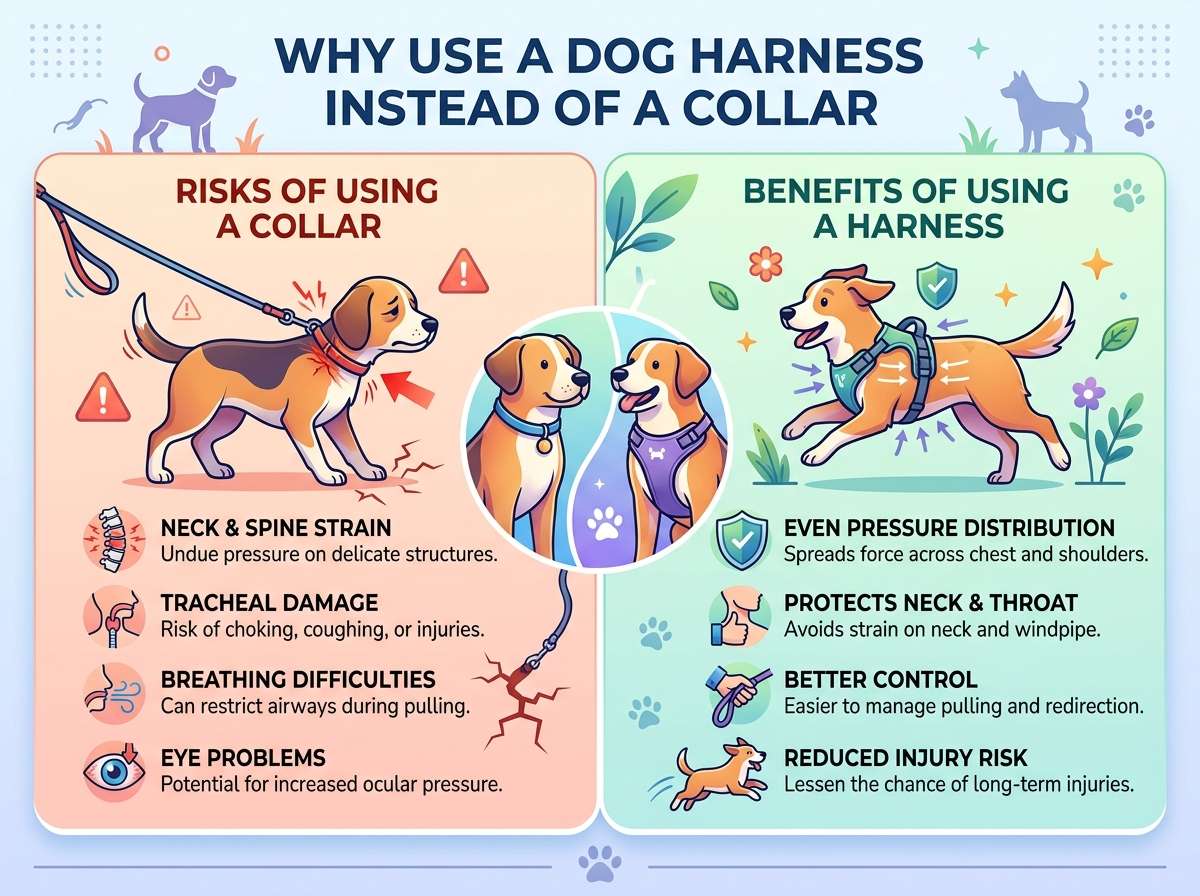
Why Use a Dog Harness Instead of a Collar?
Your dog pulls on walks. You want to keep them safe. You’re wondering if there’s a better way than a traditional collar. The answer is yes, and dog harnesses are the game-changer you’ve been looking for.
If you’re new to the world of dog gear, this might seem like a small decision. But the difference between a harness and a collar can impact your dog’s health, safety, and behavior in surprising ways. Let’s dive into why so many pet owners are making the switch to harnesses and how this simple change can improve your daily life with your furry friend.
What Makes a Dog Harness Different From a Collar?
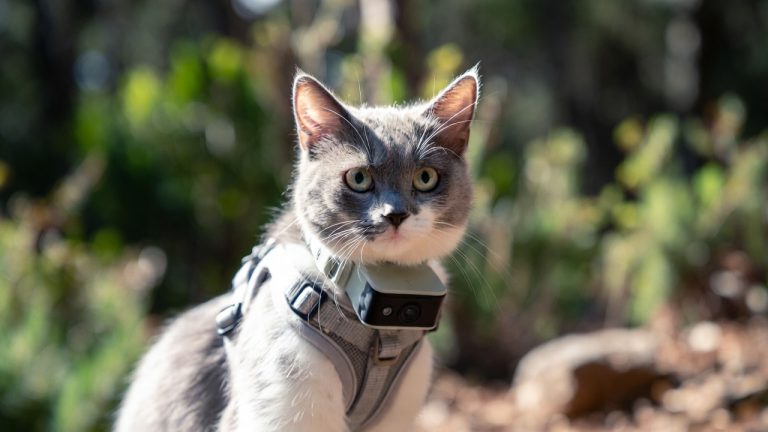
A dog harness wraps around your dog’s body, typically covering the chest and back. A collar, on the other hand, sits only around the neck. This fundamental difference is where the benefits start to add up.
When you attach a leash to a collar, all the pulling force goes straight to your dog’s neck. A harness distributes that force across a much larger area of the body. This might sound technical, but in real life, it means fewer injuries and better control during walks. Your dog gets to explore safely, and you get to relax knowing you’re not putting strain on delicate neck structures.
Harnesses come in different styles too. You’ll find front-clip harnesses that redirect pulling to the side, back-clip options for well-behaved dogs, and no-pull designs specifically created to discourage tugging. Each type serves a different purpose depending on your dog’s size, energy level, and training stage.
The Neck Problem: Why Your Dog’s Neck Needs Protection
Dogs don’t understand the concept of “don’t pull on the leash.” Most dogs, especially puppies and larger breeds, will pull at some point. When they do, a collar concentrates all that force on a small area of the neck. This matters more than many dog owners realize.
Your dog’s neck contains vital structures. The trachea, which is the windpipe your dog breathes through, runs right through this area. The esophagus, thyroid gland, and important blood vessels are all in the neck region too. Constant pulling and jerking on a collar can cause damage to these structures over time.
Collapsed trachea is a real condition that affects dogs, and repeated pulling on a collar is a risk factor. Dogs with this condition have difficulty breathing, especially during exercise or excitement. The symptoms include a persistent cough that sounds like a goose honking and difficulty catching their breath. While genetics play a role, reducing neck strain is a smart preventive measure.
Laryngeal paralysis is another condition linked to neck trauma in dogs. This happens when the nerve controlling the voice box becomes damaged, and it can cause serious breathing problems. Again, you can’t prevent every condition, but avoiding unnecessary neck strain is an easy step in the right direction.
How Harnesses Protect Your Dog’s Spine and Joints
Beyond the neck, there’s another important reason to switch to a harness: spinal health. Your dog’s spine is a delicate structure that deserves care and attention. Every time a large dog lunges forward on a collar, the force travels through the neck and down the spine in ways that aren’t natural or healthy.
A harness spreads the impact across the chest and rib cage, which are built to handle this kind of force. The spine stays safer because the pressure isn’t concentrated in one place. This is especially critical for small dogs, which have more delicate structures than large breeds.
Dogs that pull constantly on collars can develop neck pain and spinal misalignment over time. Some dogs start limping or showing signs of discomfort without their owners realizing the collar is the culprit. Once you switch to a harness, many owners notice their dogs move more freely and seem more comfortable.
Older dogs benefit hugely from this switch. As dogs age, their joints become more sensitive and their bones become more fragile. An older dog wearing a harness will have fewer neck and spine issues than one stuck with a collar that puts pressure on those aging joints. If you have a senior dog, a harness is one of the kindest things you can do for their comfort.
Control and Behavior: The Training Advantage
Here’s something that might surprise you: harnesses actually make training easier. A front-clip harness is specifically designed to discourage pulling. When your dog lunges forward, the harness naturally turns them to the side. This isn’t punishment. It’s just physics. Your dog learns quickly that pulling doesn’t get them anywhere, but walking beside you does.
This works especially well for large dogs and powerful pullers. If you’ve been struggling with a dog who constantly drags you down the sidewalk, a front-clip harness can transform your walks within days. You’ll have better control, and your dog will get the message without needing force or harsh corrections.
Regular collars offer almost no leverage for controlling pulling. Even if you’re strong, a determined dog on a collar can still pull you around. A harness gives you mechanical advantage. You’re not stronger than your dog, but the design of the harness is smarter than a simple loop around the neck.
Training becomes easier because you can guide your dog without causing pain or discomfort. Dogs respond better to gentle guidance than to the choking sensation of a collar. When your dog walks nicely on the harness, they’re learning good habits, not just avoiding pain. That’s the difference between managing behavior and actually training it.
The Size Factor: Why Small Dogs Need Harnesses Most
Small dogs face unique risks that make harnesses even more important than they are for larger breeds. A five-pound dog in a collision with a moving car will sustain more damage relative to their body size than a fifty-pound dog. But it’s not just cars you need to worry about.
Small dogs can slip out of collars surprisingly easily. A determined pug or terrier can wiggle free and bolt into traffic or get lost. Harnesses fit snugly around the entire body, making escape nearly impossible. Many small dog owners have experienced the terror of their tiny friend slipping away. A harness prevents this nightmare scenario.
Small dogs also have more fragile tracheas. Chihuahuas, toy poodles, and other small breeds are prone to tracheal collapse. The pulling force on a collar is proportionally harder on their tiny bodies. Vets consistently recommend harnesses for small breeds, and it’s because they’ve seen too many problems caused by collars.
Even the best-behaved small dog can become excited and pull occasionally. A cat might run across the sidewalk, another dog might walk past, or a squirrel might appear. In that moment of excitement, your small dog’s fragile neck is unprotected on a collar. A harness gives you peace of mind that you’re protecting them even when they lose control for a second.
Escape Artists and Houdini Dogs
Some dogs seem to have a magical ability to slip out of collars. This isn’t a myth. Dogs with narrow heads relative to their neck size, like greyhounds, can sometimes squeeze right out of a standard collar. These escape artists need harnesses to stay safely on leash.
Even dogs that haven’t escaped their collars yet might be capable of doing so. If your dog has ever backed out of their collar or shown signs of being able to, a harness should be your next purchase. The risk is too high to ignore.
A properly fitted harness is nearly impossible for a dog to escape from. The straps wrap around their body and chest in a way that distributes pressure evenly. Your dog can’t wiggle free no matter how determined they are. This is especially important if you live in an area with traffic or dangerous wildlife.
Some dogs escape collars out of fear. During thunderstorms or fireworks, anxious dogs sometimes manage to slip free in their panic. A harness is escape-proof even in these high-stress situations. Your nervous dog stays secure even when they’re terrified and trying to run away.
Comfort and Fit: Why It Actually Matters
A collar sits in a narrow band around your dog’s neck. No matter how carefully you measure, this simple design can’t be comfortable for extended periods. A harness distributes the weight and pressure across multiple contact points, which feels better and allows for a more secure fit.
Think about it from your dog’s perspective. Imagine wearing a tight band around your neck all day. That’s what a collar is like for your dog, even if it’s properly fitted. Now imagine wearing a backpack instead, with the weight spread across your shoulders and chest. That’s what a well-fitting harness feels like. Which sounds more comfortable?
A harness allows your dog to move naturally without that constant feeling of restriction. Many dogs relax more when wearing a harness because the pressure feels more natural and less threatening than a collar around the neck.
Proper fit is easier with a harness too. You can adjust multiple straps to ensure a snug but comfortable fit. A well-fitted harness doesn’t ride up, slip, or cause rubbing. Your dog can move freely without any part of the harness pinching or restricting movement.
Pulling and Lunging: The Biggest Behavior Challenge
Pulling on walks is the number one behavior complaint dog owners have. It’s frustrating, it can be dangerous, and it makes walks unpleasant for both you and your dog. Collars don’t help solve this problem. They only make your dog’s neck hurt more.
A harness addresses pulling at its root. A front-clip harness redirects your dog’s forward momentum to the side, making pulling pointless. Most dogs understand this instantly. They stop pulling because the physics don’t reward it anymore. This works for dogs of all sizes and ages.
This isn’t about punishment or causing pain. It’s just mechanical. Your dog learns that standing beside you on a loose leash is the best way to make progress on the walk. This is a much more positive learning experience than the choking feeling of a collar.
Some people worry that a harness will allow a dog to pull. The opposite is true. Front-clip harnesses are specifically designed to prevent pulling. Back-clip harnesses are for well-trained dogs who already walk nicely. Choose the right type, and you’ll see results within the first few walks.
Medical Situations: When a Harness Is Essential
Dogs with health issues benefit tremendously from harnesses. A dog recovering from surgery, dealing with arthritis, or managing a spinal condition should not be wearing a collar. The neck stress is contraindicated.
Dogs with heart conditions sometimes have trouble with collar-related breathing restrictions. A harness eliminates this problem. Dogs with respiratory issues, whether from breed characteristics or health conditions, handle harnesses better than collars.
Overweight dogs put extra stress on their joints and spine. A harness helps support their body and redistributes the pressure during walks. Older, heavier dogs especially benefit from the body support that a harness provides.
If your vet has ever mentioned your dog’s trachea, spine, heart, or respiratory system, a harness is worth discussing. Many vets recommend harnesses as part of a health management plan for dogs with these issues.
Easy Walking: The Daily Life Improvement
Let’s get practical for a moment. Using a harness makes your daily walks better. You can relax. You’re not bracing yourself for your dog to suddenly lunge. You’re not worried about your dog’s neck or spine. You can just enjoy the walk.
This matters more than it might sound. Dog walks are supposed to be enjoyable for both of you. If you’re stressed about being pulled, or if your dog is uncomfortable with their collar, those walks are unpleasant. A harness transforms them into the relaxing activity they should be.
You’ll also notice that your dog walks better. They’re not struggling against the collar. They can breathe normally. They move with a natural gait. The whole experience is better for everyone.
Choosing the Right Harness Type
Different harnesses serve different purposes. A front-clip harness is best for dogs that pull. The leash attaches to a ring at the chest, so when your dog pulls forward, they rotate toward you. This teaches them not to pull without any pain or discomfort.
A back-clip harness attaches at the back. These are best for dogs that already have decent walking manners. They offer comfort and support without the anti-pull mechanism. Some people use both types depending on the situation.
No-pull harnesses are specifically engineered to prevent pulling. They usually have a front clip and are fitted very carefully to avoid any chance of escape. These are great for strong dogs or determined pullers.
Consider your dog’s size, age, and behavior when picking a type. A young, energetic dog that loves to pull needs a front-clip harness. An older dog that walks nicely might do fine with a comfortable back-clip option. A large, powerful breed needs a no-pull harness designed for strength.
Material Matters: Comfort and Durability
Harnesses come in different materials. Padded harnesses offer extra comfort and are great for dogs with sensitive skin or those that will wear their harness for extended periods. The padding helps distribute pressure and prevents rubbing.
Nylon harnesses are affordable and durable. They come in endless colors and patterns, so you can find one that matches your dog’s personality. They’re easy to clean and resistant to wear.
Mesh harnesses breathe well and are perfect for hot climates or dogs that exercise a lot. They keep your dog cool while providing all the benefits of a harness.
Leather harnesses look beautiful and last a long time. They’re premium options that age well and develop character. Some people love the look and feel of a quality leather harness.
The best material for your dog depends on your climate, your dog’s activity level, and your budget. All of these materials work well. Pick something that fits your situation and your style.
The Transition: Getting Your Dog Used to a Harness
Your dog might need a few days to get used to wearing a harness. Some dogs take to it immediately. Others need a gentle introduction. Start by letting your dog wear the harness at home while you give treats and praise. Let them get comfortable with the feeling.
Once your dog is relaxed wearing the harness indoors, take a short walk. Keep it positive and fun. Don’t make a big deal about the harness. Just attach the leash and go about your normal routine.
Most dogs adjust within a few days. They’ll stop noticing the harness and focus on the walk. Some dogs never even seem to mind. The adjustment period is usually shorter than you’d expect.
If your dog is particularly sensitive or anxious, go even slower. Let them wear the harness while playing or eating. Build positive associations. Once they see that the harness means good things happen, they’ll be happy to put it on.
Harness and Collar: Using Both or Choosing One?
Some people use both a harness and a collar. The harness is for walks and exercise. The collar holds the ID tag and might have an additional safety function. This approach is fine and offers extra safety.
If you’re using both, make sure the collar isn’t tight. It should be a backup safety device, not the main restraint. The harness is doing the work, so the collar can be worn loosely while still securing an ID tag.
Many people eventually abandon the collar entirely and rely solely on the harness. This is perfectly safe as long as your dog’s ID tags are attached to the harness. Your dog gets all the benefits of a harness with one less strap around their neck.
The choice is yours. Both approaches work. Just make sure your dog is clearly identified with an ID tag somewhere on their body.
Addressing Common Concerns About Harnesses
Some people worry that a harness will make their dog harder to control. The opposite is true. A properly fitted harness gives you better control, not less. You have mechanical leverage that a collar simply doesn’t provide.
Others think a harness looks uncomfortable or restrictive. Quality harnesses are designed specifically to be comfortable. Your dog won’t feel restricted. They’ll feel secure and supported.
A few people believe that a harness is unnecessary and that they should just train their dog not to pull. Training is important, but it takes time. In the meantime, a harness protects your dog’s neck and makes walks safer and more pleasant for both of you. Training and harness use aren’t mutually exclusive.
Some folks worry about cost. Quality harnesses are inexpensive compared to potential vet bills from neck injuries. A good harness lasts years and is an investment in your dog’s health.
The Breed Factor: Which Dogs Need Harnesses Most?
Large breeds definitely benefit from harnesses. A seventy-pound dog pulling on a collar can injure themselves and you. A harness makes a huge difference in managing these powerful dogs safely.
Small breeds need harnesses because their necks are delicate. Toy breeds are prone to tracheal collapse, and harnesses reduce the risk significantly.
Brachycephalic breeds, like bulldogs and pugs, have breathing challenges already. A collar that restricts their neck makes breathing harder. A harness eliminates this additional stress on their respiratory system.
Dogs with long bodies and short legs, like dachshunds, benefit from harnesses that support their unique body structure. A collar puts stress on an already-vulnerable spine.
Actually, every dog benefits from a harness, regardless of breed. It’s not just for specific types. All dogs have necks that deserve protection and all dogs pull sometimes. A harness is a good choice for any dog.
Real-World Benefits: What Dog Owners Report
Owners who switch to harnesses consistently report the same benefits. First, walks become more pleasant. Less pulling means less stress. Second, their dogs seem to move more comfortably and freely. Third, they worry less about injuring their dog’s neck.
Many owners notice their dogs’ behavior improves. When a dog isn’t struggling against the collar, they’re better able to focus and learn. Walking becomes less of a battle and more of a bonding activity.
Owners of small dogs report peace of mind. They no longer worry about their tiny friend slipping away. The harness is secure, and they can relax.
Owners of rescue dogs and dogs with behavioral challenges report that harnesses give them confidence to take walks. They can manage their dog safely without worrying about injury or escape.
The feedback is overwhelmingly positive. Once people make the switch, most wouldn’t go back to a collar for daily walks.
The Health Connection: What Vets Say
Veterinarians consistently recommend harnesses over collars for daily walks. They’ve seen the damage that pulling on a collar can cause. They’ve treated collapsed tracheas, spinal injuries, and neck pain in dogs wearing collars.
Vets especially recommend harnesses for dogs with any existing health issues. A harness is part of responsible pet care for dogs with cardiac issues, respiratory problems, or orthopedic concerns.
If you have any doubt about whether a harness is right for your dog, ask your vet. They can assess your specific dog and make a recommendation. Most vets will enthusiastically support making the switch.
Making the Transition Easier
If your dog has been wearing a collar their whole life, the switch might take a few days. Be patient and positive. Use treats and praise to create good associations with the harness.
Take your first few walks in familiar, low-stress environments. Let your dog get comfortable with the harness before hitting busier areas.
Once your dog is used to the harness, you’ll wonder why you waited so long to make the change. The benefits will be obvious within the first week.
Final Thoughts: Why Harnesses Win
A dog harness isn’t a training tool or a luxury item. It’s a basic piece of equipment that protects your dog’s health and makes your life easier. The benefits are clear: better control, reduced injury risk, improved comfort, and safer walks.
Your dog deserves the best care you can give them. Switching from a collar to a harness is one of the simplest ways to improve their daily life. Your walks will be better, your dog will be safer, and you’ll have peace of mind knowing you’re protecting their neck, spine, and overall health.
Don’t overthink this decision. If you’re still using a collar, it’s time to make the switch. Your dog will thank you by walking better, seeming more comfortable, and enjoying their time with you more. That’s not hype. That’s what dog owners who use harnesses experience every single day.
The best time to switch to a harness is today. Your dog is waiting, and their neck will appreciate the relief.
Hi, I’m Mary, the founder of PetGadgetPro.com. I’m a passionate pet lover with a special place in my heart for dogs and cats. I share practical advice and honest insights on pet gear to help pet parents make better choices. My dedicated research team studies products in depth, and our writers create reviews using trusted, authentic sources—so you can feel confident choosing the best for your pets.